Image Source: walter callens
About Sanga Choeling Monastery
Sanga Choeling Monastery, located near Pelling in West Sikkim, is one of the oldest and most revered monasteries in Sikkim. Perched on a hill overlooking the Teesta River and the surrounding Himalayan ranges, it is famed for its meditative environment and spiritual significance.
The monastery belongs to the Nyingma order of Tibetan Buddhism and continues to be a vital center for monastic learning and meditation.
Historical and Religious Significance
Established in the 17th century, Sanga Choeling Monastery is considered one of the three “paramount monasteries” of Sikkim. It is dedicated to Mahayana Buddhism and serves as a center for religious education, prayer, and meditation.
Devotees visit the monastery for daily prayers as well as during festivals, where traditional rituals and ceremonies are performed. The monastery’s serene location contributes to its reputation as a hub for spiritual reflection.
Cultural and Architectural Highlights
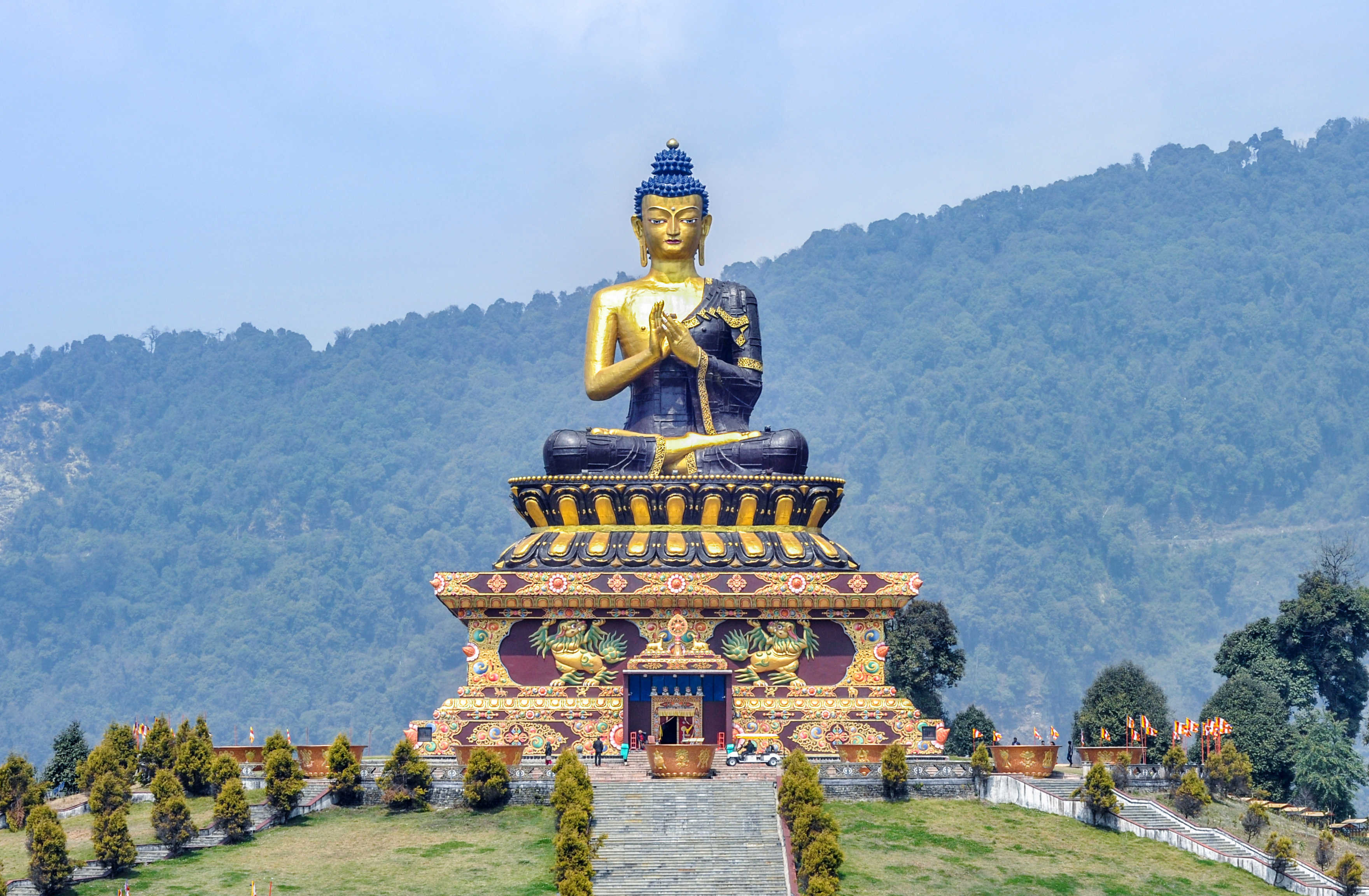
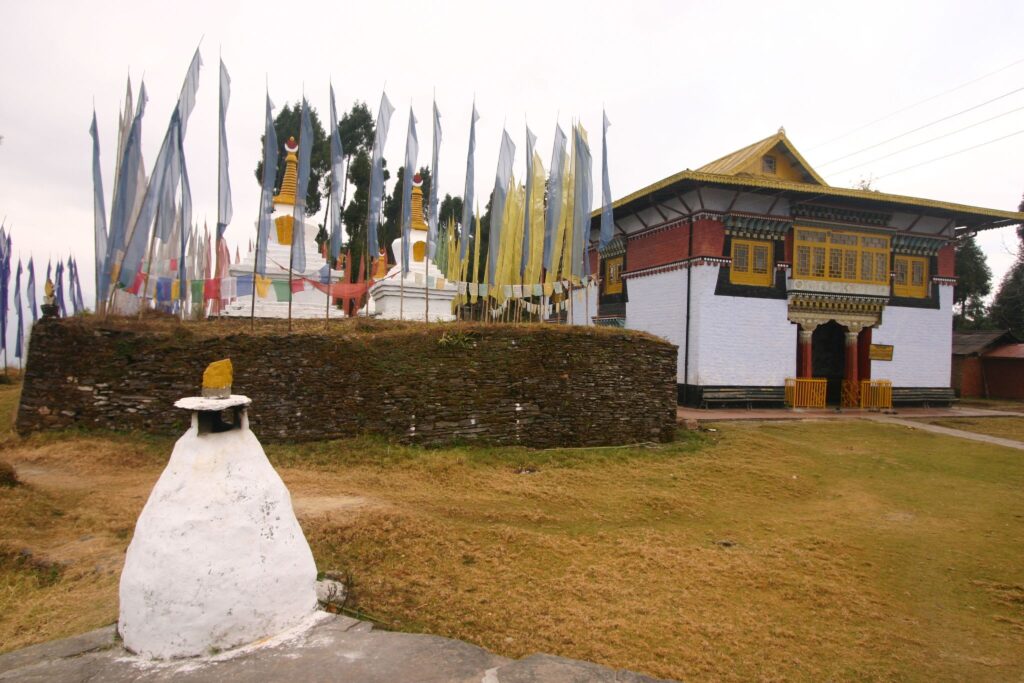
The monastery features classic Tibetan architecture, with brightly painted walls, wooden carvings, and gilded statues of Buddha and other deities. Inside the prayer hall, ancient scriptures and thangkas depicting Buddhist teachings are preserved with care.
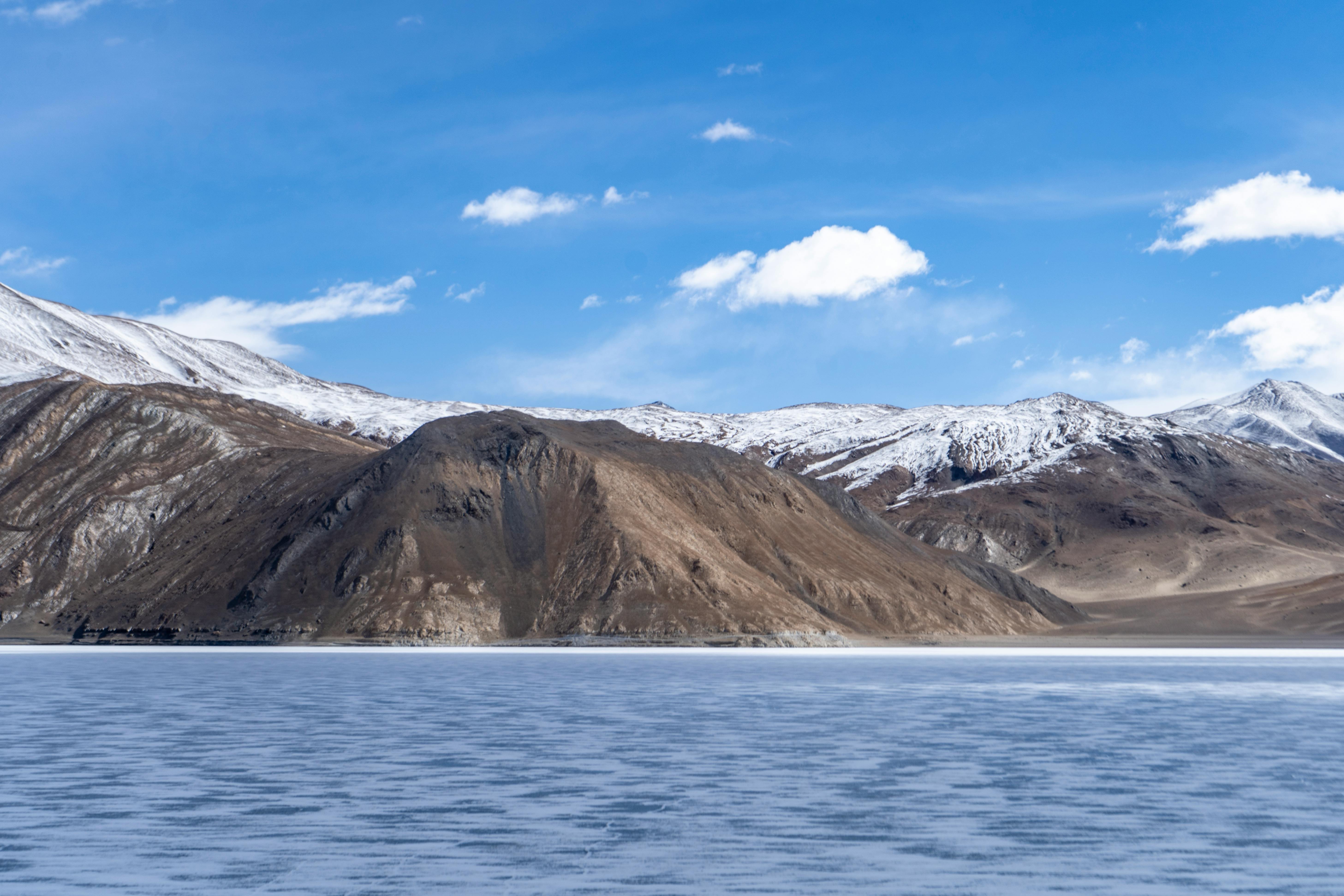
The monastery’s hilltop location offers panoramic views of the lush valleys, terraced fields, and distant snow-capped peaks, enhancing the spiritual ambiance.
Travel and Visitor Experience
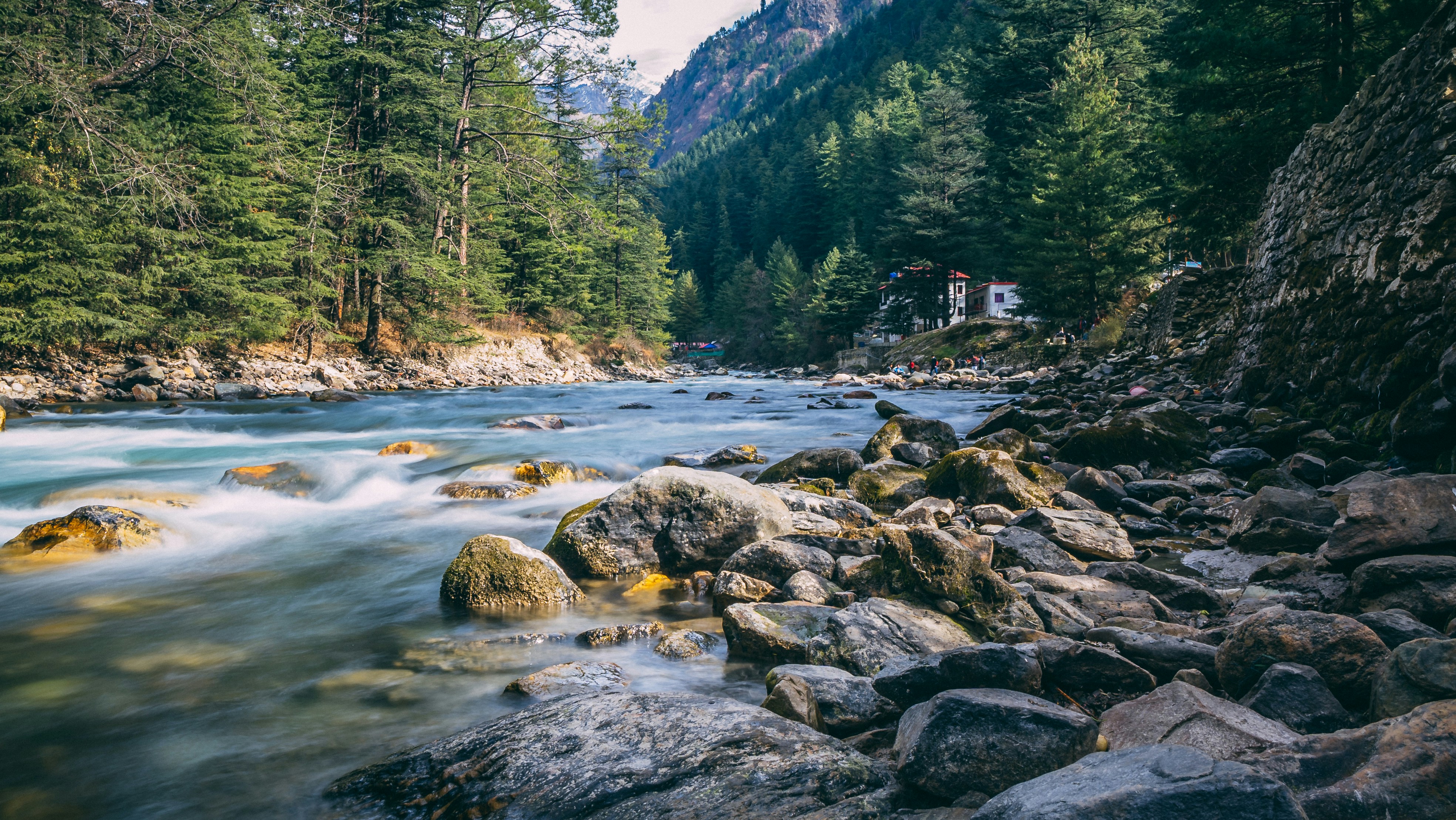
Visitors to Sanga Choeling can explore the historic prayer hall, witness monastic rituals, and enjoy the peaceful environment. The climb to the monastery involves trekking along forested paths and stone steps, which adds an element of adventure and immersion in nature.
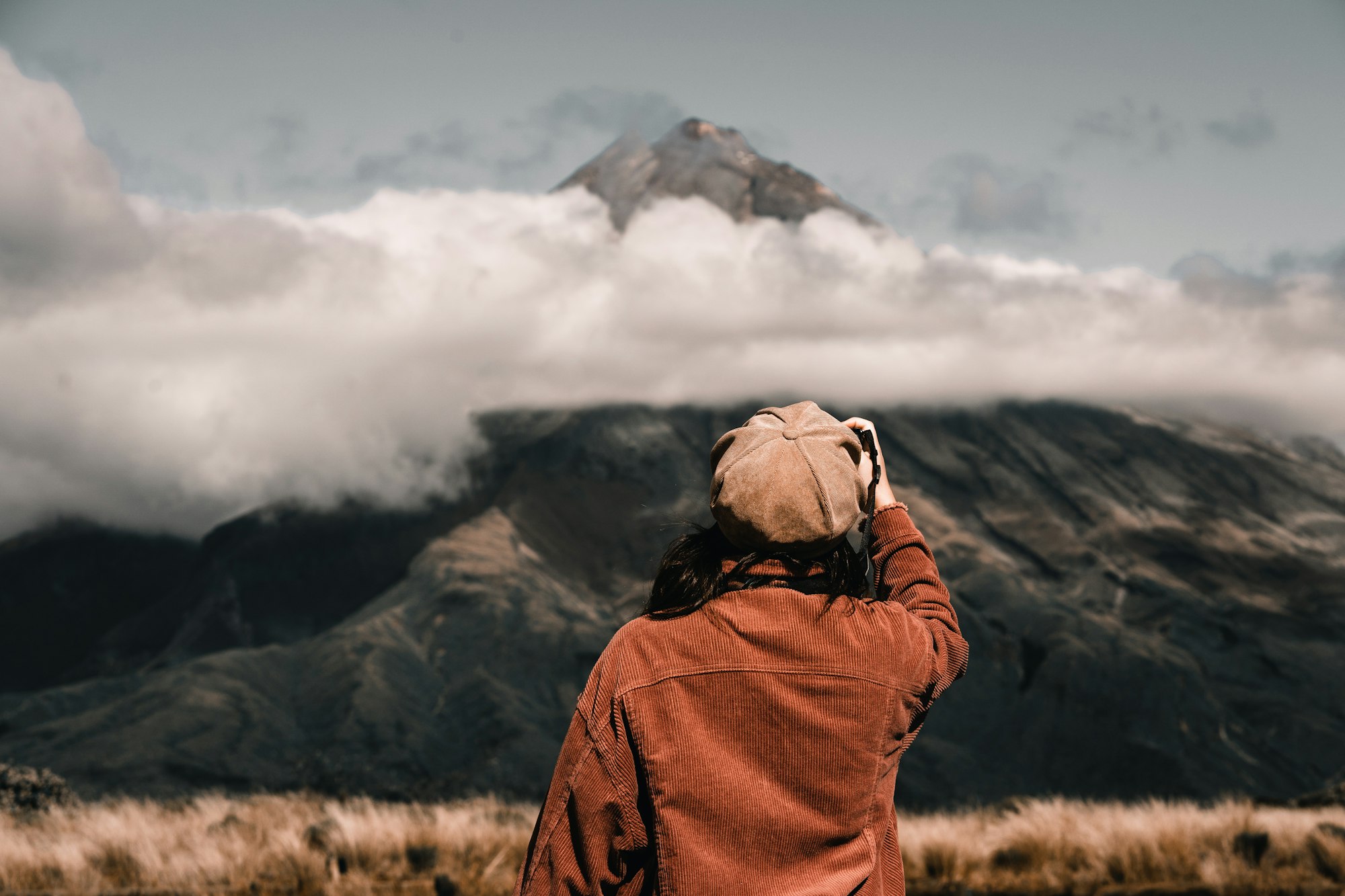
Photographers and spiritual seekers alike find the monastery a perfect combination of natural beauty and religious heritage.
How to Reach
Sanga Choeling Monastery is approximately 8 km from Pelling town and around 150 km from Gangtok. It is accessible by road via shared jeeps or taxis up to the base, followed by a short trek to the monastery. The nearest airport is Pakyong Airport (around 150 km), while Bagdogra Airport (about 160 km) serves as the major international gateway.
The closest railway station is New Jalpaiguri, from where road transport connects travelers to Pelling and the monastery.
Nearby Attractions to Sanga Choeling Monastery
- Pemayangtse Monastery – 2 km (One of Sikkim’s oldest and most revered monasteries, famous for its exquisite wood carvings, ancient Buddhist relics, and traditional architecture.)
- Rabdentse Ruins – 3 km (The archaeological remains of the second capital of the former Kingdom of Sikkim, offering scenic walking trails and panoramic Himalayan views.)
- Pelling Skywalk and Chenrezig Statue – 3 km (A popular attraction featuring India’s first glass skywalk and a towering statue of Chenrezig overlooking the surrounding mountains.)
- Kanchenjunga Falls – 25 km (A magnificent perennial waterfall cascading through lush forests, making it one of West Sikkim’s most visited natural attractions.)
- Khecheopalri Lake – 27 km (A sacred wish-fulfilling lake revered by both Buddhists and Hindus, surrounded by dense forests and walking trails.)
- Rimbi Waterfalls – 18 km (A picturesque waterfall located on the Pelling–Yuksom road, popular for photography and picnics.)
- Rimbi Orange Garden – 17 km (A scenic orchard where visitors can enjoy fresh oranges during the harvest season and relax amidst natural surroundings.)
- Darap Village – 9 km (A charming Limboo heritage village known for its traditional homestays, local culture, and rural experiences.)
- Yuksom – 35 km (The historic first capital of Sikkim and the starting point for treks into Khangchendzonga National Park.)
- Khangchendzonga National Park – 35 km (A UNESCO World Heritage Site renowned for its glaciers, alpine meadows, rare wildlife, and spectacular trekking routes.)
Google Maps
FAQs
1. Where is Sanga Choeling Monastery located?
Sanga Choeling Monastery is located on a hilltop above Pelling in West Sikkim, approximately 2 km from the town center.
2. Why is Sanga Choeling Monastery famous?
It is one of the oldest monasteries in Sikkim, founded in the 17th century, and is known for its ancient Buddhist manuscripts, traditional murals, peaceful surroundings, and panoramic views of the Kanchenjunga range.
3. How do I reach the monastery?
Visitors can drive to the base of the hill and then take a 15–20 minute uphill walk through a scenic forest trail to reach the monastery.
4. Is there an entry fee?
No. Entry is generally free, although donations for the monastery’s maintenance are appreciated.
5. What are the opening hours?
The monastery is usually open daily from 8:00 AM to 5:00 PM, though timings may vary during festivals and religious ceremonies.
6. What is the best time to visit?
The best time to visit is March to May and October to December, when the weather is pleasant and the Himalayan views are at their clearest.
7. How much time should I spend at the monastery?
A visit typically takes 1 to 2 hours, including the forest walk, sightseeing, and time for meditation or photography.
8. Is photography allowed?
Photography is generally allowed in the monastery’s outdoor areas. Visitors should seek permission before taking photographs inside the prayer hall.
9. Is the monastery suitable for children and senior citizens?
Yes, but visitors should note that reaching the monastery requires a short uphill trek, which may be moderately challenging for some elderly visitors.
10. Can Sanga Choeling Monastery be visited along with other attractions in one day?
Yes. It is commonly included in a Pelling sightseeing itinerary along with Pemayangtse Monastery, Rabdentse Ruins, Pelling Skywalk, and Khecheopalri Lake.