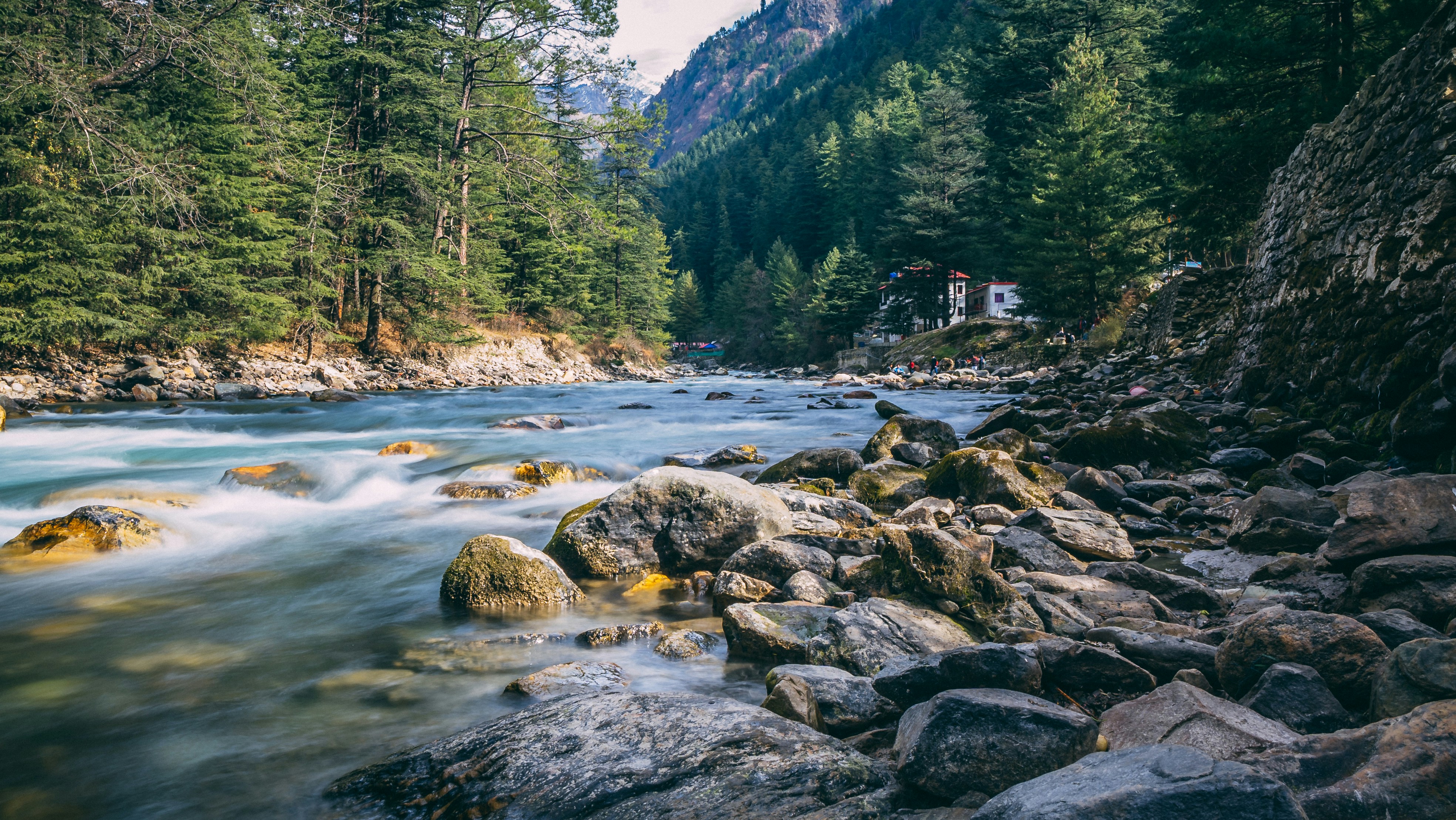
Image source: Prakash Kumar
About Kalakkad Mundanthurai Tiger Reserve
Nestled in the southernmost part of Tamil Nadu, Kalakkad Mundanthurai Tiger Reserve is one of South India’s richest wildlife landscapes and an important conservation area in the Western Ghats. Spread across dense forests, rolling hills, rivers, and grasslands, the reserve is known for its remarkable biodiversity and scenic natural beauty. It is the second-largest tiger reserve in Tamil Nadu and serves as a vital habitat for many endangered species of flora and fauna.
The reserve was officially established in 1988 through the merger of the former Kalakkad Wildlife Sanctuary and Mundanthurai Wildlife Sanctuary, both of which were originally declared protected areas in 1962. Kalakkad covered around 251 square kilometres, while Mundanthurai extended over approximately 567 square kilometres. Together, they now form a vast protected region covering about 817 square kilometres.
Located along the border of Tamil Nadu and Kerala, the reserve forms part of the globally significant Western Ghats landscape, which has been recognized as a UNESCO World Heritage Site. The region is also counted among the world’s major biodiversity hotspots because of its extraordinary variety of plant and animal life.
Geography and Landscape
The reserve stretches across the majestic Agasthyamalai Hills, a mountain range known for its ecological richness and cultural importance. Out of the total reserve area, nearly 459 square kilometres form the core zone, where wildlife protection activities are most strictly enforced. The remaining 358 square kilometres function as the buffer zone, allowing regulated tourism and eco-development activities.
The terrain here is incredibly diverse. Visitors can witness tropical evergreen forests, dense rainforests, semi-evergreen woodlands, dry deciduous forests, and patches of grasslands within the same reserve. This variation in habitat supports a huge range of wildlife species and makes the region ecologically unique.
Several important rivers originate or flow through the reserve, including the Tamiraparani, Manimuthar, and Karamana rivers. These rivers not only sustain wildlife within the forest but also provide water for agriculture, drinking, and hydroelectric projects in nearby towns and villages.
Rich Flora and Fauna
Kalakkad Mundanthurai Tiger Reserve is especially famous for its wildlife diversity. The forests provide shelter to large mammals such as Bengal tigers, Indian leopards, Asian elephants, sloth bears, and wild dogs. The reserve is also home to endangered and endemic species like the lion-tailed macaque and Nilgiri langur, both of which are found mainly in the Western Ghats.
Smaller mammals such as Malabar giant squirrels, civets, mouse deer, and Indian giant flying squirrels can also be spotted in different parts of the forest. Reptiles, amphibians, and butterflies thrive in the moist forest ecosystem, making the reserve an important research site for scientists and nature enthusiasts.
Birdwatchers consider the reserve a paradise because more than 200 species of birds have been recorded here. Species such as the great hornbill, Malabar trogon, paradise flycatcher, crested serpent eagle, and various migratory birds attract birding enthusiasts throughout the year.
The vegetation is equally impressive. Towering tropical rainforests dominate the higher elevations, while semi-evergreen forests and grasslands cover other areas. Medicinal plants, rare orchids, bamboo groves, and endemic tree species contribute to the reserve’s ecological importance.
Hydroelectric Projects and Conservation Importance
The reserve also plays a major role in water management and energy generation in southern Tamil Nadu. Important hydroelectric and irrigation projects such as the Papanasam Dam and Mundanthurai Dam are located within or near the reserve area. These projects help provide electricity and irrigation water to surrounding districts.
Despite developmental activities, conservation efforts in the reserve focus heavily on protecting wildlife habitats and maintaining ecological balance. Forest officials and conservation teams continuously monitor animal movement, prevent poaching, and promote sustainable tourism practices.
Activities in the Reserve
Wildlife Safari
One of the main attractions of the reserve is the opportunity to explore its dense forests through guided wildlife safaris. Visitors may encounter elephants, deer, monkeys, exotic birds, and, with luck, even elusive predators like leopards or tigers. The safari routes also offer stunning views of rivers, hills, and forest valleys.
Trekking and Nature Trails
Adventure lovers can enjoy trekking through the reserve’s designated nature trails. More than 24 trekking routes have been identified within the protected area, allowing visitors to experience the wilderness up close. Some trails pass through thick rainforests, while others lead to scenic viewpoints, waterfalls, and hill slopes.
Bird Watching
With its rich avian diversity, the reserve attracts birdwatchers from across India. Early mornings are especially rewarding, as the forests come alive with the sounds of hornbills, woodpeckers, flycatchers, and other rare species.
Nature Camps and Eco-Tourism
The Forest Department occasionally organizes eco-tourism activities and nature camps to spread awareness about wildlife conservation. These programs help visitors understand the importance of preserving the fragile ecosystem of the Western Ghats.
Best Time to Visit
The ideal time to visit Kalakkad Mundanthurai Tiger Reserve is between October and March. During these months, the weather remains pleasant and comfortable for safaris, trekking, and sightseeing. Wildlife sightings are generally better during the cooler season, and the forests appear lush and vibrant after the monsoon.
The monsoon season brings heavy rainfall to the region, making some forest routes slippery and difficult to access. Summers can become hot and humid, although higher elevations remain comparatively cooler.
How to Reach
By Road
The reserve is well connected by road to nearby cities and towns. It is located approximately 45 kilometres from Tirunelveli and around 80 kilometres from Nagercoil. Regular buses and private taxis are available from both locations.
By Train
The nearest major railway station is Tirunelveli Junction, which is connected to major cities in Tamil Nadu and other parts of South India.
By Air
The closest airport is Thiruvananthapuram International Airport, situated about 140 kilometres away. From the airport, visitors can hire taxis or use public transport to reach the reserve.
Nearby Attractions to Kalakkad Mundanthurai Tiger Reserve
Located in the Tirunelveli and Kanyakumari districts of Tamil Nadu, the Kalakkad Mundanthurai Tiger Reserve (KMTR) is one of India’s richest biodiversity hotspots in the Western Ghats. Besides its dense forests and abundant wildlife, the region is surrounded by scenic waterfalls, dams, temples, and hill destinations that are worth exploring during your visit.
1. Manimuthar Falls (Approx. 15 km)
Located near the reserve, Manimuthar Falls is a beautiful waterfall surrounded by lush forests and rocky terrain. The cascading waters and serene atmosphere make it a popular spot for picnics and nature photography, especially during and after the monsoon.
2. Manimuthar Dam (Approx. 18 km)
Built across the Manimuthar River, this scenic dam offers panoramic views of the Western Ghats and its reservoir. The surrounding greenery and peaceful environment make it an excellent place to relax and enjoy nature.
3. Agasthiyar Falls (Approx. 30 km)
Situated near Papanasam, Agasthiyar Falls is a perennial waterfall named after Sage Agastya. Visitors can enjoy the refreshing waters and the picturesque forest surroundings, making it one of the most popular attractions near the tiger reserve.
4. Papanasam Dam (Approx. 32 km)
One of the major dams in southern Tamil Nadu, Papanasam Dam is known for its scenic reservoir, surrounding hills, and tranquil setting. It is a favourite destination for sightseeing and photography.
5. Papanasanathar Temple (Approx. 33 km)
Located near Papanasam, this ancient Shiva temple is one of the sacred temples associated with the Tamirabarani River. It attracts devotees and history enthusiasts alike for its spiritual significance and beautiful Dravidian architecture.
6. Sorimuthu Ayyanar Temple (Approx. 20 km)
Nestled within the forested foothills of the Western Ghats, this revered temple dedicated to Lord Ayyanar is an important pilgrimage site. The temple is especially crowded during the annual Aadi Amavasai festival.
7. Kutralam (Courtallam) Falls (Approx. 70 km)
Often called the “Spa of South India,” Courtallam is famous for its series of natural waterfalls believed to have therapeutic properties. It is one of the most visited tourist destinations in the region during the monsoon season.
8. Manjolai Hills (Approx. 35 km, with Forest Permission)
Hidden within the Kalakkad Mundanthurai Tiger Reserve, Manjolai Hills is known for its sprawling tea estates, mist-covered mountains, and breathtaking viewpoints. Entry is regulated, and visitors should check current permission requirements before planning a trip.
9. Koonthankulam Bird Sanctuary (Approx. 75 km)
One of Tamil Nadu’s most important bird sanctuaries, Koonthankulam attracts thousands of migratory birds every year, making it a paradise for birdwatchers and wildlife photographers.
10. Tirunelveli (Approx. 50 km)
The historic city of Tirunelveli is known for its famous Nellaiappar Temple, vibrant local markets, and the iconic Tirunelveli Halwa. It serves as the main gateway to the Kalakkad Mundanthurai Tiger Reserve and is worth exploring for its rich cultural heritage.
Maps and Location
FAQs
Why is Kalakkad Mundanthurai Tiger Reserve famous?
The reserve is famous for its rich biodiversity, tiger conservation efforts, dense Western Ghats forests, and rare wildlife species such as lion-tailed macaques and Nilgiri langurs.
Is permission required to visit the reserve?
Yes, certain areas of the reserve require prior permission from the Forest Department, especially trekking zones and core wildlife areas.
Can tourists see tigers in the reserve?
Although tiger sightings are rare because of the dense forest cover, the reserve is an important tiger habitat. Visitors are more likely to spot elephants, deer, monkeys, and birds during safaris.
Are trekking activities allowed inside the reserve?
Yes, trekking is allowed on designated nature trails under the supervision of forest authorities and trained guides.
What should visitors carry during the trip?
Visitors should carry comfortable trekking shoes, drinking water, insect repellent, binoculars, light snacks, and appropriate clothing suitable for forest conditions.
Is the reserve suitable for family trips?
Yes, the reserve is suitable for families, nature lovers, wildlife photographers, and adventure enthusiasts. However, visitors should follow all forest safety guidelines during their trip.