Image source: Chulbuli Singh
About Mukurthi National Park
Tucked away in the misty hills of the Nilgiris, Mukurthi National Park is one of those places that feels wonderfully untouched. Located in the Nilgiri district of Tamil Nadu, the park spreads across roughly 78 square kilometers and forms an important part of the Nilgiri Biosphere Reserve—a UNESCO-recognised region known for its incredible biodiversity.
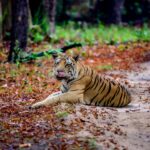
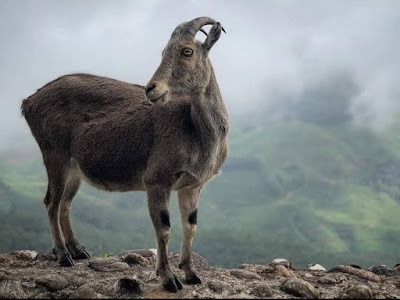
What makes Mukurthi truly special is its rare ecosystem. The park is best known for protecting the endangered Nilgiri Tahr, a sure-footed mountain animal that thrives in these high-altitude grasslands. Alongside it, the park also shelters elusive predators like leopards and tigers, as well as sloth bears and a variety of unique bird species such as the Nilgiri flycatcher and laughing thrush.
Landscape and Scenic Beauty
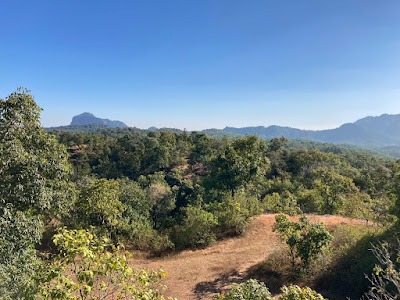
The scenery here is nothing short of magical. Think rolling grasslands, rugged hills, winding streams, and patches of dense forest—all wrapped in drifting mist. The park is a classic example of the Shola-grassland ecosystem, where open meadows are interspersed with thick, evergreen forest pockets.
These landscapes aren’t just beautiful—they’re also ecologically fragile and found in only a few parts of the Western Ghats. On a clear day, you can soak in sweeping views of the Nilgiri Hills, while on misty days, the entire park feels like something out of a dream.
Mukurthi Peak
The park gets its name from Mukurthi Peak, one of the highest points in the region, standing at about 2,554 meters. It’s a favorite among trekkers looking for a mix of adventure and scenic beauty.
The trek to the peak is both challenging and rewarding. As you climb higher, you’re treated to panoramic views of valleys, forests, and distant hills. The journey itself passes through grasslands and forest patches, offering chances to spot wildlife along the way.
Wildlife and Biodiversity
Mukurthi National Park is a biodiversity hotspot. Apart from the Nilgiri Tahr, you might encounter:
- Leopards and occasionally tigers.
- Indian gaur (bison).
- Sambar deer.
- Sloth bears.
Birdwatchers will find plenty to enjoy too, with several endemic species that are unique to the Western Ghats.
The park’s isolation has helped preserve its ecosystem, making it one of the best places to witness high-altitude wildlife in South India.
Conservation Efforts
The park is strictly protected to maintain its delicate ecosystem. As part of the Nilgiri Biosphere Reserve, it plays a key role in conserving endangered species and habitats.
It is also associated with initiatives like Project Elephant, helping safeguard elephant corridors and biodiversity across the region. Entry is tightly regulated to minimize human impact, ensuring that the landscape remains as pristine as possible.
Best Time to Visit
The best time to explore Mukurthi National Park is between November and March. During these months:
- The weather is cool and pleasant
- Visibility is better for sightseeing and photography
- Trekking conditions are more comfortable
The monsoon season (June to September) brings heavy rainfall, making trails slippery and access difficult.
How to Reach and Entry Details
Mukurthi National Park is located about 40 km from Ooty, one of the most popular hill stations in South India.
- The nearest major town: Ooty
- The nearest airport: Coimbatore (approx. 140 km away)
- The nearest railway station: Mettupalayam
Since the park is a protected area, special permits from the Forest Department are required. Entry is limited, and visitors are usually accompanied by authorized guides.
Nearby Attractions to Mukurthi National Park
- Avalanche Lake – A serene high-altitude lake surrounded by rolling grasslands and shola forests, ideal for nature lovers and photography. It also serves as a gateway to Mukurthi National Park.
- Upper Bhavani Reservoir – A scenic reservoir known for its pristine landscapes, peaceful atmosphere, and spectacular views of the Nilgiri Hills.
- Mukurthi Peak – One of the highest peaks in the Nilgiris, offering panoramic views and guided trekking opportunities with prior permission from the Forest Department.
- Pykara Waterfall – A picturesque waterfall surrounded by lush forests, making it one of the most popular natural attractions near Mukurthi.
- Pykara Dam & Power House – A scenic spot offering beautiful views of the reservoir and surrounding hills.
- Emerald Lake – A tranquil lake nestled amid tea plantations, perfect for birdwatching, picnics, and photography.
- Silent Valley Viewpoint (Sispara region) – A spectacular viewpoint overlooking the forests of Kerala, accessible on permitted trekking routes.
- Nilgiris Biosphere Reserve – A UNESCO-recognized biosphere reserve famous for its exceptional biodiversity and endemic wildlife.
- Wenlock Downs – Expansive rolling grasslands that have served as filming locations for several Indian movies and offer excellent picnic spots.
- Needle Rock View Point (Oosi Malai) – A dramatic viewpoint offering sweeping vistas of the Nilgiri hills, Gudalur, and the surrounding forests.
- Mudumalai Tiger Reserve – Located about 60–70 km away, this renowned wildlife reserve is famous for elephant sightings, tiger safaris, and rich biodiversity.
- Ooty (Udhagamandalam) – Around 35–40 km from the park, Ooty offers attractions such as the Government Botanical Garden, Ooty Lake, Doddabetta Peak, the Nilgiri Mountain Railway, and the Tea Museum.
Travel Tips
- Obtain permits in advance from forest authorities.
- Wear comfortable trekking shoes and carry warm clothing.
- Carry water and snacks—facilities inside the park are minimal.
- Follow eco-friendly practices—avoid littering and disturbing wildlife.
- Always stick to designated trails and travel with a guide.
Maps and Location
FAQs
1. Why is Mukurthi National Park famous?
It’s known for its unique Shola-grassland ecosystem and as a key habitat for the endangered Nilgiri Tahr.
2. Can tourists freely explore the park?
No, entry is restricted. You need prior permission and usually must be accompanied by a guide.
3. Is trekking allowed in Mukurthi National Park?
Yes, but only on designated routes and with proper permits.
4. What kind of wildlife can I see here?
You may spot Nilgiri Tahr, deer, gaur, and occasionally predators like leopards.
5. How far is Mukurthi National Park from Ooty?
It is about 40 km from Ooty and can be reached by road.
6. Is it suitable for a family trip?
It’s better suited for nature lovers and trekkers. Families can visit, but facilities are limited and the terrain can be challenging.