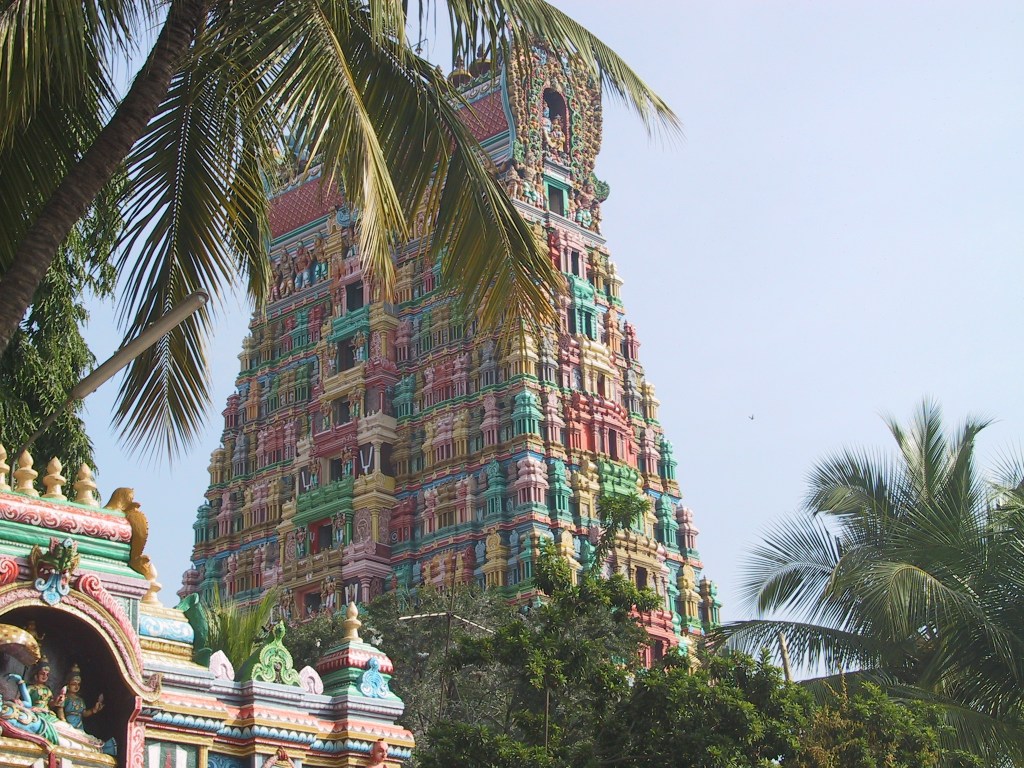
Image Source: Wikimedia
About Srivilliputhur Andal Temple
The Srivilliputhur Andal Temple is one of the most celebrated Vaishnavite temples in South India and a major spiritual landmark in Tamil Nadu. Located in the historic town of Srivilliputhur in Virudhunagar district, around 80 kilometers from Madurai, the temple is dedicated to Goddess Andal and Lord Vishnu, worshipped here as Vatapatrasayi. Revered for its deep religious significance, magnificent Dravidian architecture, and centuries-old traditions, the temple attracts devotees, pilgrims, historians, and architecture enthusiasts throughout the year.
Recognized as one of the 108 Divya Desams — the sacred Vishnu temples praised by the Alvar saints — the temple occupies a special place in Tamil devotional culture. It is not merely a place of worship but also a living symbol of Tamil literature, art, music, and spirituality.
The Sacred Identity of the Temple
The temple complex is divided into two main shrines. The southwestern section is dedicated to Andal, while the northeastern shrine houses Lord Vatapatrasayi, a reclining form of Vishnu. Both shrines together represent divine love, devotion, and surrender in the Vaishnavite tradition.
Andal, the only female Alvar saint among the twelve Alvars, is deeply revered across South India. She is believed to be an incarnation of Bhudevi, the Earth Goddess and consort of Vishnu. Her devotional compositions, especially the Thirupavai and Nachiar Tirumoli, continue to be recited daily in temples and homes, particularly during the Tamil month of Margazhi.
Lord Vatapatrasayi is depicted reclining on a banyan leaf, symbolizing the cosmic form of Vishnu protecting creation during the great deluge. The sanctum also features representations of sages, celestial beings, Sridevi, and Bhudevi, creating a spiritually rich atmosphere inside the temple.
Legends Associated with Srivilliputhur
The temple is steeped in fascinating legends that continue to shape its identity. According to tradition, the town was founded by a hunter named Villi, who discovered the sacred site after receiving a divine revelation regarding his lost brother. The region was once known as Varaha Kshetra and was associated with Lord Vishnu’s protection of sages from demonic forces.
One of the most beloved legends revolves around Andal herself. It is believed that Periyalvar, a saint and devotee of Vishnu, found a baby girl beneath a sacred tulasi plant in his garden. He named her Kothai and raised her with devotion. As she grew older, Andal developed an intense love for Lord Vishnu.
A famous tradition connected to Andal tells how she would secretly wear the flower garlands prepared for the deity before they were offered in the temple. Initially shocked, Periyalvar later realized through divine intervention that Vishnu preferred the garlands worn by Andal. Even today, this sacred custom survives, and garlands from Srivilliputhur are ceremonially sent to important Vishnu temples in Tamil Nadu.
Architectural Grandeur
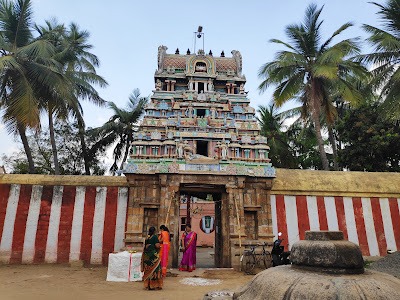
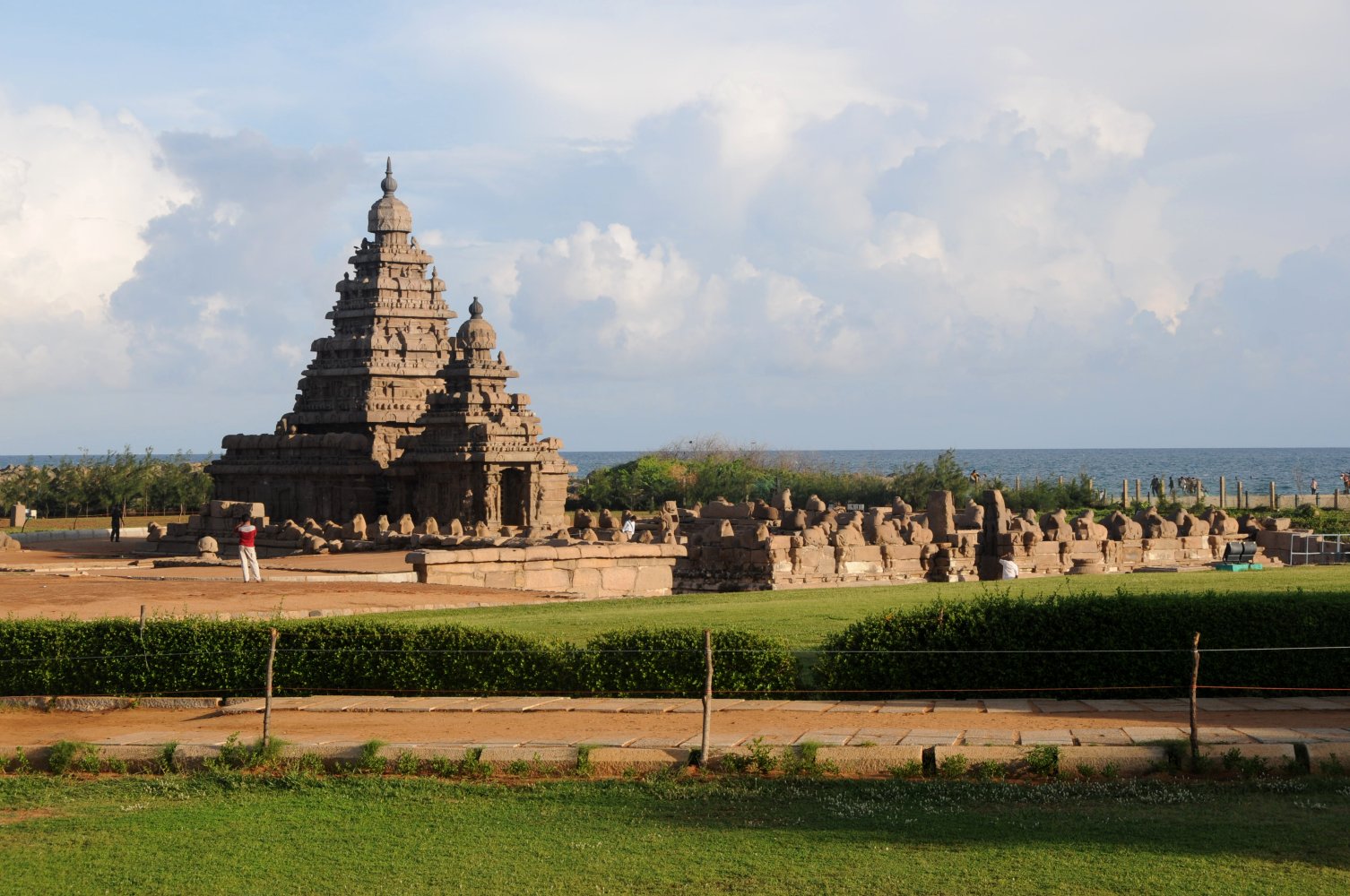
The temple is an outstanding example of classical Tamil Dravidian architecture. Built and expanded over centuries by the Pandya, Chola, and Vijayanagara dynasties, the complex reflects the artistic excellence of South Indian temple construction.
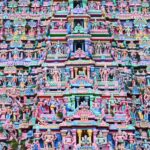
The most striking feature of the temple is its towering rajagopuram, which rises to nearly 192 feet. Built during the Vijayanagara period, this massive gateway tower is covered with detailed carvings of deities, mythological scenes, celestial figures, and ornamental motifs. The tower is so iconic that it has been adopted as part of the official emblem of the Government of Tamil Nadu.
Inside the temple, visitors can admire beautifully carved mandapams, granite pillars, wooden carvings, and murals illustrating scenes from Hindu epics and Andal’s life. The Bhopala Villam hall is especially admired for its intricate teakwood carvings depicting stories from the Puranas and the Dashavatara — the ten incarnations of Vishnu.
The temple complex also includes sacred gardens, temple tanks, pillared halls, and smaller shrines, all contributing to its serene and devotional atmosphere.
Historical Importance
Historians believe that the Vatapatrasayi shrine dates back to at least the 8th century, while inscriptions from the 10th century onward provide evidence of royal patronage and temple expansion. Successive dynasties enriched the temple with sculptures, halls, towers, and ceremonial spaces.
The Vijayanagara rulers played a major role in constructing the grand rajagopuram and enhancing the temple’s artistic beauty. Later, rulers such as Thirumalai Nayak and Rani Mangammal contributed significantly through renovations, additions of temple tanks, and the installation of golden structures.
Today, the temple is administered by the Tamil Nadu Hindu Religious and Charitable Endowments Department and continues to remain one of the most active pilgrimage centers in the region.
Festivals and Daily Rituals
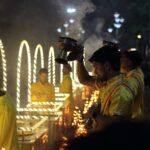
Religious life at the temple revolves around elaborate rituals, festivals, and devotional music. Worship follows the Thenkalai tradition of Sri Vaishnavism, with six daily pujas conducted according to ancient Agama practices. Each ritual includes ceremonial decoration of the deity, food offerings, chanting of sacred hymns, and lamp worship.
The most important festival celebrated here is Aadi Pooram, observed during July or August. This festival commemorates the birth of Andal and attracts thousands of devotees from across India. During the celebrations, the temple streets come alive with decorated chariots, devotional songs, flower processions, and spiritual gatherings.
Another spiritually significant period is the Margazhi month, when Andal’s Thirupavai is recited daily before dawn in temples throughout Tamil Nadu.
Fridays and Saturdays are considered especially auspicious for visiting the temple, and many devotees believe that praying to Andal brings harmony, marriage blessings, and prosperity.
Cultural and Literary Legacy
The influence of Andal extends far beyond temple worship. Her poetry has shaped Tamil devotional literature for centuries and continues to inspire Carnatic music, Bharatanatyam performances, temple traditions, and classical scholarship.
The Thirupavai, consisting of thirty devotional verses, remains one of the most cherished works in Tamil spiritual literature. During the Margazhi season, these hymns are sung in homes and temples across South India, preserving Andal’s legacy through generations.
The temple also serves as a cultural symbol of Tamil identity, representing the artistic brilliance and spiritual depth of the region’s heritage.
Best Time to Visit
The ideal time to visit Srivilliputhur Andal Temple is between October and March, when the weather is pleasant for sightseeing and temple visits. Devotees who wish to experience the temple’s vibrant atmosphere often plan their visit during the Aadi Pooram festival or the Margazhi month.
Early mornings and evenings are particularly peaceful and allow visitors to witness traditional rituals and devotional chanting.
How to Reach the Temple
Srivilliputhur is well connected by road and rail. The nearest major city is Madurai, which also has the closest airport. Regular buses and trains connect Srivilliputhur with Madurai, Virudhunagar, Tirunelveli, and other major towns in Tamil Nadu.
The temple is located within the town and is easily accessible by local transport, auto-rickshaws, and taxis.
Nearby Attractions to Srivilliputhur Andal Temple
- Sri Vadapathrasayana Temple Divyadesam (Within the temple complex) – Dedicated to Lord Vishnu as Vatapatrasayi, this sacred shrine is one of the 108 Divya Desams and is closely associated with the life of Andal and Periyalvar. It is an essential part of any visit to the Andal Temple.
- Andal Nanthavanam (Within the temple complex) – This sacred garden is believed to be the place where Periyalvar found the infant Andal beneath a Tulsi plant. It is one of the most revered spots for devotees visiting Srivilliputhur.
- Shri Vaidyanatha Swamy Temple (About 1 km) – An ancient Shiva temple showcasing classic Dravidian architecture. It is known for its peaceful atmosphere and intricate stone carvings, making it a popular stop for pilgrims.
- Andal Kovil Rajagopuram (Within the temple premises) – The magnificent 192-foot Rajagopuram is one of Tamil Nadu’s most iconic temple towers and serves as the inspiration for the official emblem of the Government of Tamil Nadu.
- Srivilliputhur Grizzled Squirrel Wildlife Sanctuary (About 20 km) – Nestled in the Western Ghats, this protected sanctuary is famous for the endangered grizzled giant squirrel, rich biodiversity, trekking opportunities, and scenic forest landscapes.
- Shenbaga Thoppu (About 20 km) – A picturesque eco-tourism destination located on the edge of the wildlife sanctuary, known for its dense forests, streams, and pleasant climate. It is an excellent spot for nature lovers.
- Shenbagathoppu Kaatalagar Temple (About 22 km) – A beautiful hill temple dedicated to Lord Kaatalagar (Vishnu), surrounded by forests and offering a peaceful spiritual retreat.
- Arulmigu Chathuragiri Sundara Mahalingam Temple (About 45 km) – A renowned hill temple dedicated to Lord Shiva, reached through a scenic trekking route. It is one of the most sacred pilgrimage destinations in southern Tamil Nadu.
- Katalagar Waterfalls (About 25 km) – A scenic waterfall hidden amidst the forests near Shenbagathoppu, ideal for nature enthusiasts, especially during the monsoon season.4.8Sri Vadapathrasayana Temple Divyadesam5.0Andal Nanthavanam (Where Andal was found by Periyalwar)4.7Shri Vaidyanatha swamy Temple4.8Andal Kovil Rajagopuram4.5Srivilliputhur Grizzled Squirrel Wildlife Sanctuary4.5Shenbaga Thoppu4.8Shenbagathoppu Kaatalagar Temple4.7Arulmigu Chathuragiri Sundara Mahalingam Temple4.5Katalagar waterfalls
Google Maps
FAQs
Why is Srivilliputhur Andal Temple famous?
The temple is famous as the birthplace of Andal, the only female Alvar saint, and as one of the 108 Divya Desam temples dedicated to Lord Vishnu.
Who is worshipped in the temple?
The temple is dedicated to Goddess Andal and Lord Vishnu in his form as Vatapatrasayi.
What is special about Andal?
Andal is revered as a divine saint-poetess whose devotional hymns, especially Thirupavai, remain central to Tamil Vaishnavite worship and culture.
What is the significance of the temple tower?
The temple’s rajagopuram is an iconic example of Dravidian architecture and is featured in the emblem of the Government of Tamil Nadu.
Which is the main festival celebrated here?
Aadi Pooram is the most important festival celebrated at the temple and marks the birth anniversary of Andal.
What is the best time to visit the temple?
October to March is considered the best time due to pleasant weather and major festival celebrations.
Is there a dress code for visitors?
Traditional and modest clothing is generally preferred while visiting the temple, especially during religious ceremonies.
How far is the temple from Madurai?
The temple is located approximately 80 kilometers from Madurai and can be reached by road or rail.