About Nainital Zoo
Nestled amidst the scenic hills of Nainital, the Nainital Zoo, officially known as the G.B. Pant High Altitude Zoo, is much more than a tourist attraction. It serves as an important center for wildlife conservation, education, and the protection of Himalayan species. Surrounded by lush greenery and cool mountain air, the zoo offers visitors a chance to experience the region’s unique biodiversity while learning about the challenges faced by endangered wildlife.
Located on Sher Ka Danda hill at an altitude of approximately 2,100 meters above sea level, the zoo lies around 1.5 km from Tallital Bus Stand in Nainital. Its elevated location makes it one of India’s few high-altitude zoos and a must-visit destination for nature lovers and wildlife enthusiasts.
History of Nainital Zoo
The idea behind establishing the high-altitude zoo was to create a safe and natural environment for animals and birds native to the Himalayan region. The zoo was established in 1984 and officially opened to the public on June 1, 1995. Later, in 2002, its management was handed over to the Bharat Ratna Pandit Govind Ballabh Pant High Altitude Zoo Management Society, after which it became officially known as the Pt. Govind Ballabh Pant High Altitude Zoo.
Spread across nearly 4.6 hectares (around 11 acres) of land, the zoo is surrounded by forests and Himalayan vegetation, providing a suitable habitat for many mountain species. Its location between the Middle Himalayas and the Shivalik range further adds to its ecological importance.
Animals and Birds at Nainital Zoo
One of the biggest attractions of Nainital Zoo is its collection of rare and Himalayan wildlife. The zoo houses several mammals, reptiles, and bird species that are either endangered or difficult to spot in the wild.
Some of the notable animals found here include:
Royal Bengal Tiger.
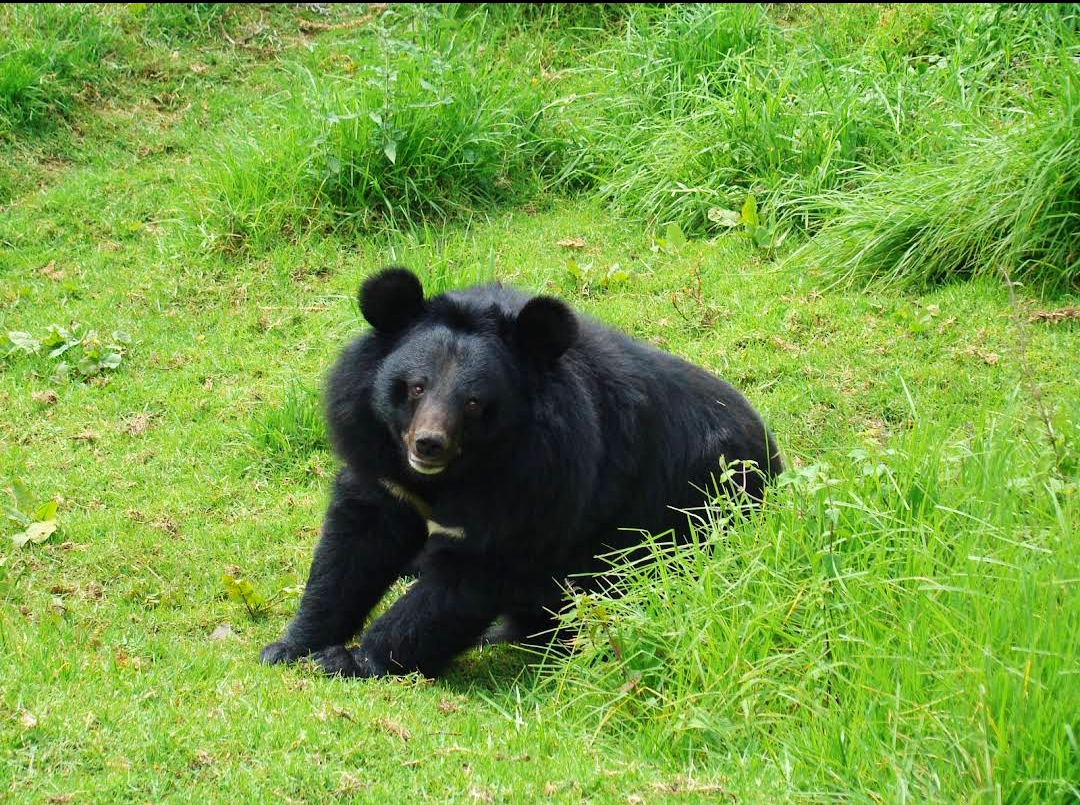
Himalayan Black Bear.
Snow Leopard.
Tibetan Wolf
Leopard Cat.
Himalayan Civet.
Barking Deer and Sambar.
Bird lovers can also spot fascinating Himalayan bird species such as:
Himalayan Monal.
Koklass Pheasant.
Hill Partridge.
Kalij Pheasant.
Golden Pheasant.
Red Junglefowl.
The zoo plays a significant role in conservation breeding and rehabilitation efforts aimed at preserving these species.
Wildlife Conservation and Breeding Programs
Nainital Zoo is not just about displaying animals; conservation remains at the heart of its mission. Many Himalayan species face threats due to habitat destruction, climate change, poaching, and illegal hunting. To address these concerns, the zoo runs several breeding and awareness programs.
One of its most notable initiatives is the snow leopard breeding program, designed to support population growth and educate visitors about the importance of protecting this elusive mountain predator.
The zoo also carries out breeding programs for Koklass pheasants, a bird species native to the Himalayas. Additionally, rescued Himalayan black bears, often saved from circuses or illegal captivity, are rehabilitated and cared for within the zoo premises. These efforts contribute significantly to wildlife rescue and ecological awareness in Uttarakhand.
Visitor Experience and What to Expect
A visit to Nainital Zoo involves more than simply viewing animals. Since the zoo is located uphill, reaching it involves a pleasant climb or a short local taxi ride from Tallital. The pathways inside the zoo are well-maintained and surrounded by forest cover, making the experience enjoyable even for casual walkers.
The cool climate and peaceful surroundings make mornings and early afternoons particularly suitable for a visit. Families, students, photographers, and wildlife enthusiasts often spend a few hours exploring the zoo while enjoying panoramic views of the surrounding hills.
The zoo regularly organizes educational activities and awareness programs during occasions such as Wildlife Week, World Environment Day, and Ozone Day to encourage conservation awareness among visitors and students.
Important Things to Keep in Mind
Before planning your visit, keep these guidelines in mind:
Private vehicles are not allowed inside the zoo premises.
Visitors should avoid feeding or disturbing animals.
Maintaining cleanliness is encouraged to protect the natural environment.
Carry comfortable footwear, as walking on inclined pathways is common.
Morning visits are often more comfortable, especially during peak tourist seasons.
Entry Fees
Entry charges may vary over time, so checking the official website before visiting is recommended.
Current ticket details include:
Indian Adult (above 12 years): ₹150.
Foreign Adult: ₹300.
Free Entry: Senior citizens, children below 12 years, and differently-abled visitors may receive concessions or free entry according to zoo policy.
Timings
The zoo operates on the following schedule:
Opening Time: 10:00 AM.
Closing Time: 5:00 PM.
Last Entry: 4:30 PM.
Closed: Thursday.
For the latest updates, online booking, and visitor information, you can visit the official website:
How to Reach Nainital Zoo
The Nainital Zoo, officially known as the Pt. G.B. Pant High Altitude Zoo, is located on Sher Ka Danda Hill at an elevation of about 2,100 meters, approximately 2 km from Mall Road and around 1.5 km from the Tallital Bus Stand. The zoo is well connected and can be reached by various modes of transport.
By Road: Nainital is easily accessible by road from major cities such as Delhi, Haldwani, Kathgodam, and Dehradun. After reaching Nainital, visitors can hire a local taxi or shared cab to the zoo. Since the zoo is situated on a steep hillside, many visitors prefer taking a taxi to the entrance. Paid parking is available near the zoo for private vehicles.
By Train: The nearest railway station is Kathgodam Railway Station, about 35 km from Nainital. Taxis and buses are readily available outside the station, and the journey to the zoo takes around one hour, depending on traffic.
By Air: The nearest airport is Pantnagar Airport, located approximately 70 km away. Visitors can hire taxis from the airport to reach Nainital Zoo in about two to three hours.
On Foot: Adventure enthusiasts can also walk to the zoo from Mall Road or Tallital. The uphill trek takes around 30–40 minutes and offers beautiful views of the surrounding hills and Nainital town.
Nearby Attractions
- Nainital Lake (2 km): The iconic freshwater lake of Nainital is perfect for boating, leisurely walks, and enjoying panoramic views of the surrounding hills.
- Mall Road (2 km): A lively lakeside promenade lined with shops, cafés, restaurants, and local markets where visitors can shop for handicrafts, candles, woollens, and souvenirs.
- Snow View Point (3 km): One of Nainital’s most popular viewpoints, offering magnificent views of the snow-clad Himalayan peaks. It can be reached by ropeway or road.
- Naina Devi Temple (2.5 km): A revered Shakti Peetha situated on the northern shore of Nainital Lake, attracting thousands of pilgrims throughout the year.
- Eco Cave Gardens (1 km): A family-friendly attraction featuring interconnected caves, landscaped gardens, and a musical fountain, making it especially popular with children.
- Tiffin Top (Dorothy’s Seat) (4 km): A scenic hilltop viewpoint offering panoramic views of Nainital town, the lake, and the surrounding Kumaon Himalayas.
- Governor’s House (Raj Bhawan) (2.5 km): A magnificent Gothic-style colonial mansion surrounded by beautifully maintained gardens and an 18-hole golf course.
- Naina Peak (China Peak) (6 km): The highest point in Nainital, known for its trekking trails and breathtaking views of the Himalayan mountain ranges.
Maps
FAQs
1. Where is Nainital Zoo located?
Nainital Zoo is located on Sher Ka Danda hill in Nainital, Uttarakhand, approximately 1.5 km from Tallital Bus Stand.
2. Why is Nainital Zoo called a high-altitude zoo?
It is situated at around 2,100 meters above sea level, making it one of India’s few zoos located at such a high elevation.
3. What animals can be seen in Nainital Zoo?
Visitors can see species such as Royal Bengal tigers, snow leopards, Himalayan black bears, Tibetan wolves, and several Himalayan birds.
4. Is photography allowed inside the zoo?
Photography policies may vary, so visitors should confirm current rules and any additional charges at the entrance or on the official website.
5. Are private vehicles allowed inside the zoo?
No, private vehicles are not permitted inside the zoo premises.
6. How much time is needed to explore Nainital Zoo?
Most visitors spend around 2–3 hours comfortably exploring the zoo and enjoying the surroundings.
7. What is the best time to visit Nainital Zoo?
Morning hours and pleasant weather months, especially between March and June or September and November, are generally considered ideal for visiting.
8. Is Nainital Zoo suitable for children and families?
Yes, the zoo is family-friendly and provides an educational and enjoyable experience for children and adults alike.