Image Source: Shivam Trivedi
About Thal Kedar Temple
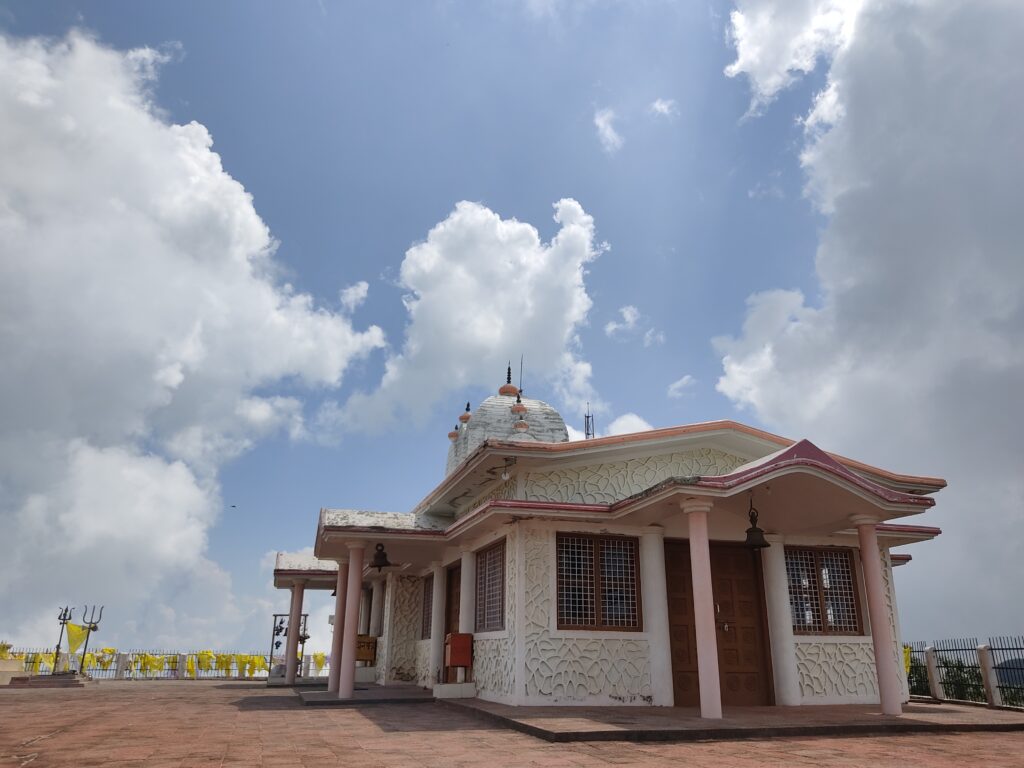
Perched high above the beautiful Soar Valley in Pithoragarh, Thal Kedar Temple is one of the most revered Shiva shrines in the Kumaon region of Uttarakhand. Surrounded by dense forests, mountain slopes, and panoramic Himalayan scenery, the temple sits at an altitude of nearly 8,300 feet and offers both spiritual peace and natural beauty. The journey to the temple itself feels deeply serene, with winding paths and refreshing mountain air adding to the sacred atmosphere.
Dedicated to Lord Shiva, the temple is known for its ancient Shivling, which devotees believe to be more than a thousand years old. Local traditions and oral histories connect the shrine with deep spiritual significance, and many pilgrims consider it one of the most sacred Shiva temples in Eastern Kumaon. According to some Himalayan geologists and local beliefs, the Shivling is believed to be extremely ancient, comparable in age to the revered shrine of Vaishno Devi Temple. Though such claims are rooted more in faith and regional traditions than scientific verification, they add to the temple’s mystique and religious importance.
Over the centuries, Thal Kedar Temple has attracted thousands of devotees from across Uttarakhand and neighboring regions. Pilgrims visit the shrine throughout the year to seek blessings, especially during important Hindu festivals dedicated to Lord Shiva. The temple premises become particularly vibrant during Maha Shivratri, when prayers, rituals, devotional singing, and fairs create a spiritually charged environment. The peaceful surroundings combined with the devotion of pilgrims make the experience memorable even for casual travelers.
Historically, the temple has undergone several phases of renovation and reconstruction. It is believed that notable historical figures such as Nana Sahib and Baji Rao I contributed to the restoration and maintenance of the shrine during different periods. These associations highlight the temple’s long-standing religious and cultural importance in the Himalayan region.
Spiritual Importance of the Temple
Thal Kedar is not just a religious destination; it is also a place where spirituality and nature blend beautifully. Many devotees believe that prayers offered here bring peace, protection, and fulfillment of wishes. The temple’s remote mountain setting gives visitors a feeling of detachment from daily life, making it an ideal place for meditation and reflection.
The temple also holds importance among local communities, who organize annual fairs and rituals that preserve traditional Kumaoni culture. During festival periods, visitors can witness local folk traditions, devotional music, and regional customs that have been passed down through generations.
Natural Beauty Around Thal Kedar
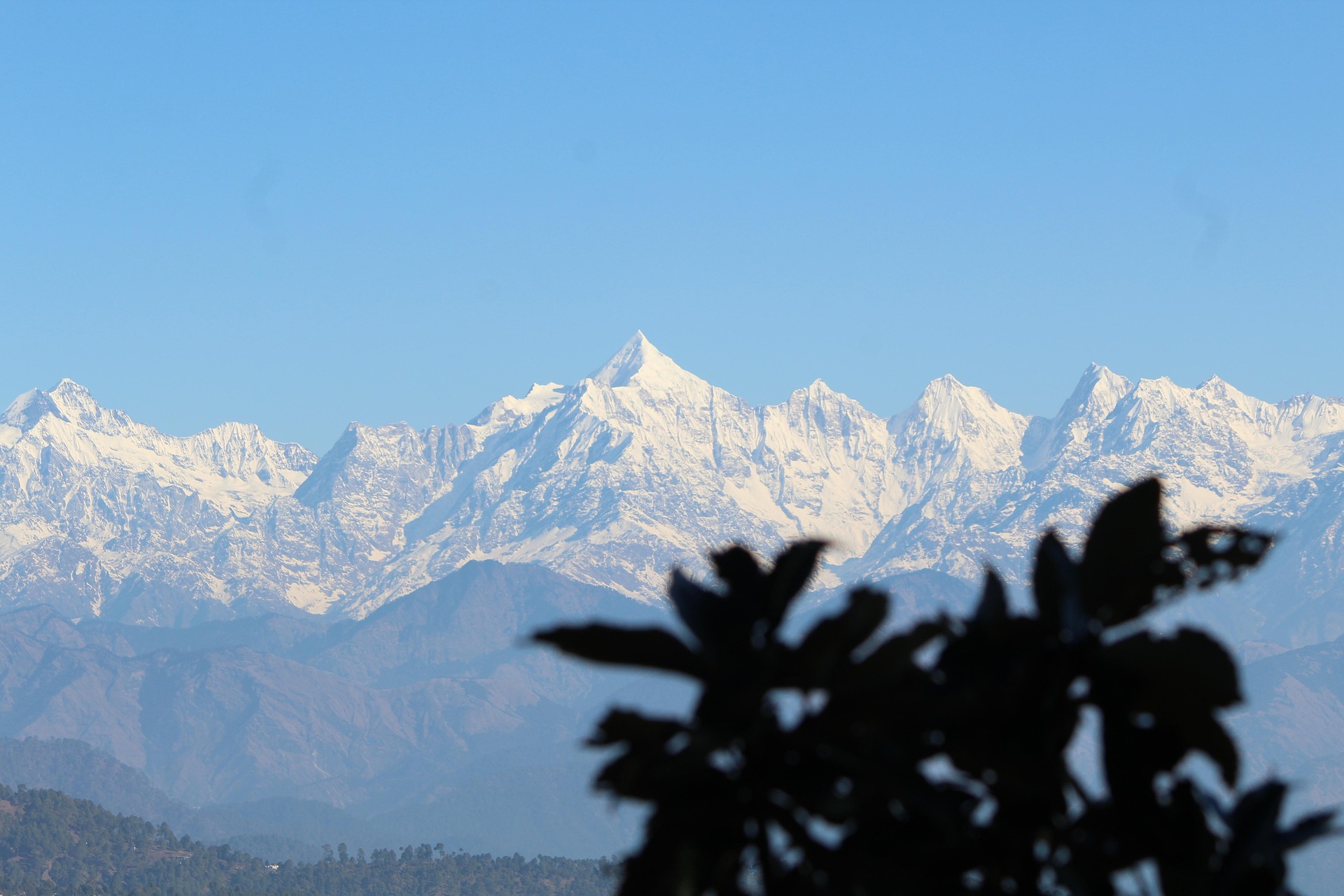
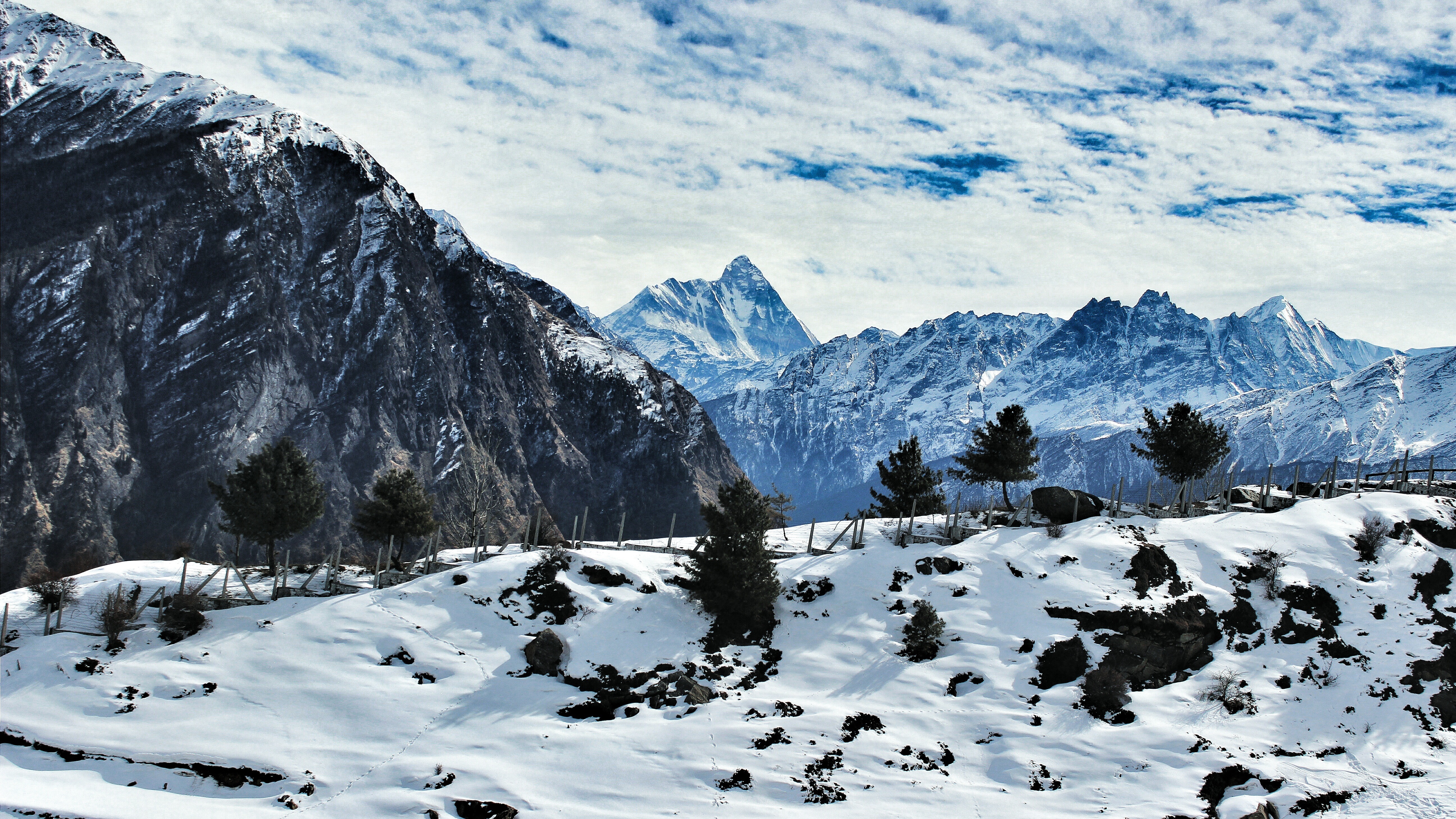
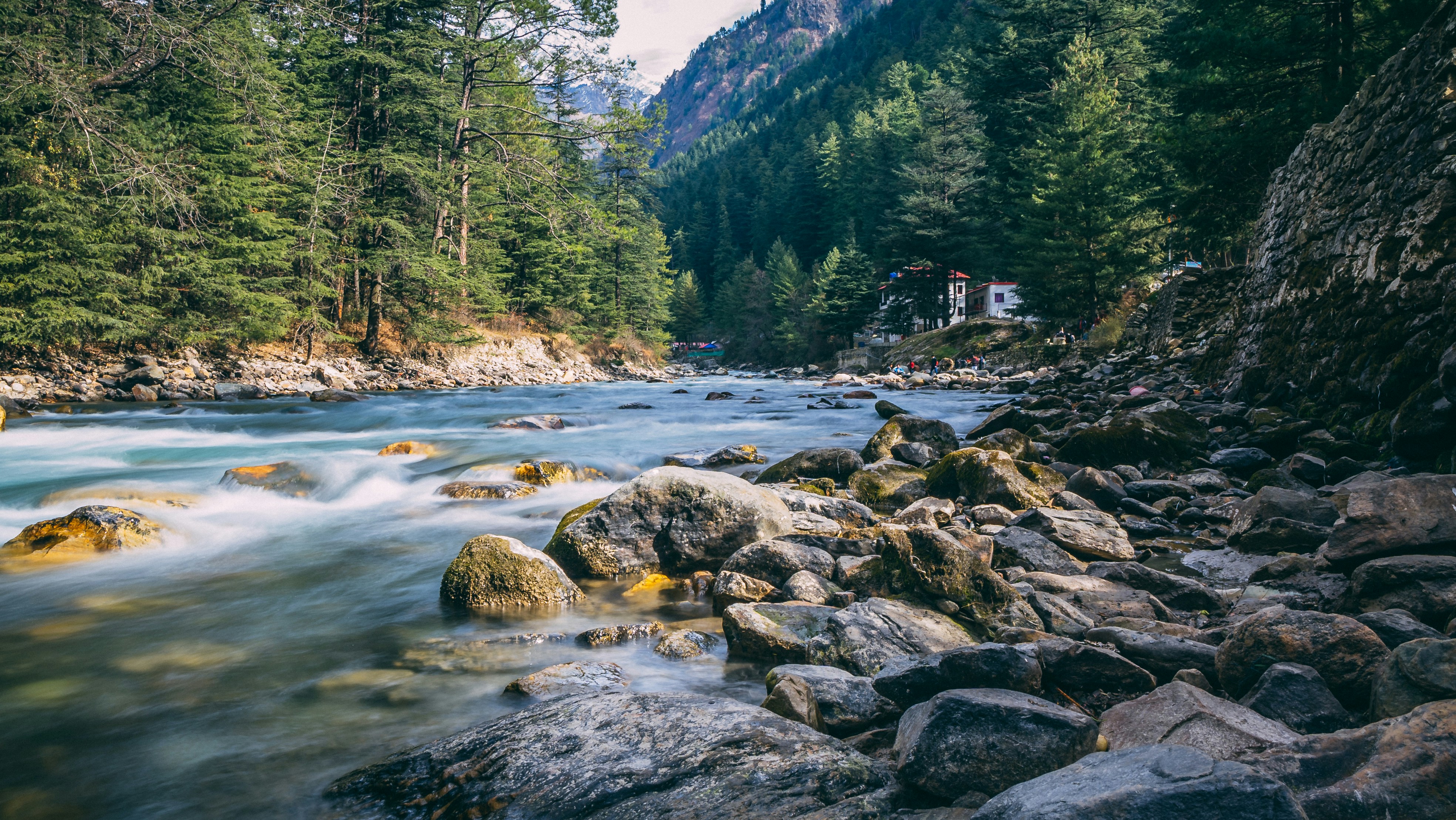
One of the highlights of visiting Thal Kedar Temple is the breathtaking view of the surrounding Himalayan landscape. On clear days, visitors can enjoy spectacular views of distant snow-covered peaks, green valleys, and dense pine forests. The route to the temple is especially beautiful during spring and autumn when the weather remains pleasant and the hills appear vibrant with greenery.
Nature lovers and photographers often find the area equally rewarding because of its peaceful environment and scenic mountain vistas. The cool climate and calm atmosphere make it a refreshing retreat away from crowded tourist destinations.
Best Time to Visit
The ideal time to visit Thal Kedar Temple is between October and May, when the weather remains cool and comfortable for sightseeing and pilgrimage. During these months, the skies are usually clear, allowing visitors to enjoy beautiful mountain views.
Maha Shivratri is considered one of the most special occasions to visit the temple. During the festival, large numbers of devotees gather here to participate in special prayers and celebrations dedicated to Lord Shiva. The spiritual energy and festive atmosphere during this time make the experience unique.
The monsoon season, however, can make travel difficult because of slippery mountain roads and heavy rainfall in the region.
How to Reach Thal Kedar Temple
By Road
Thal Kedar Temple is well connected to Pithoragarh by local roads. Travelers coming from the northern plains usually reach via Tanakpur, which serves as an important gateway to the Kumaon hills. From Pithoragarh town, the temple can be accessed by road followed by a short trek through scenic mountain terrain.
By Train
The nearest major railway station is Tanakpur Railway Station, located around 149 kilometers from Pithoragarh. Taxis and buses are available from the railway station to reach the town.
By Air
The closest airport is Pantnagar Airport, situated approximately 213 kilometers away. From the airport, travelers can hire taxis or use public transportation to reach Pithoragarh and continue onward to the temple.
Nearby Attractions to Thal Kedar Temple
1. Pithoragarh Fort
Located around 16 km from Thal Kedar Temple, Pithoragarh Fort is a historic hilltop fort built by the Chand rulers and later occupied by the Gorkhas. It offers panoramic views of the Soar Valley and is one of the district’s most important historical landmarks.
2. Kapileshwar Mahadev Temple
Situated near Pithoragarh town, this ancient cave temple dedicated to Lord Shiva is surrounded by lush forests. The peaceful atmosphere and natural cave setting make it a popular pilgrimage destination.
3. Dhwaj Temple
Perched on a hill at an elevation of about 2,100 metres, Dhwaj Temple is known for its religious significance and breathtaking views of the Panchachuli, Nanda Devi, and Api Himalayan ranges.
4. Mostamanu Temple
One of the most revered temples in Pithoragarh, Mostamanu Temple is dedicated to the local deity Mosta Devta. It is especially famous for the annual Mostamanu Fair, which showcases the rich culture and traditions of Kumaon.
5. Nakuleshwar Temple
An ancient Shiva temple known for its beautiful stone architecture, Nakuleshwar Temple is believed to date back to the Katyuri period. It also serves as one of the traditional trekking routes to Thal Kedar Temple.
6. Chandak Hill
Located a short drive from Pithoragarh, Chandak Hill is a scenic viewpoint offering spectacular views of the Himalayan peaks and the Soar Valley. It is also popular for paragliding and photography.
7. Aincholi Village
This picturesque Kumaoni village is known for its terraced fields, peaceful surroundings, and traditional lifestyle. It is one of the starting points for the trek to Thal Kedar Temple.
8. Askot Wildlife Sanctuary
Located about 55 km from Pithoragarh, the sanctuary is home to musk deer, Himalayan black bears, leopards, and numerous bird species. It is an excellent destination for wildlife enthusiasts and nature lovers.
Things to Keep in Mind While Visiting
Because the temple is located at a high altitude, visitors should carry warm clothing even during moderately cool seasons. Comfortable walking shoes are recommended, especially if trekking is involved. Since the temple is a sacred religious site, modest clothing and respectful behavior are appreciated.
Travelers should also carry water, snacks, and basic medicines, particularly during long journeys through the hills. Early morning visits are often the most peaceful and offer the best views of the surrounding mountains.
Maps and Location
FAQs
Where is Thal Kedar Temple located?
Thal Kedar Temple is located near Pithoragarh town in the Soar Valley region of Uttarakhand at an altitude of around 8,300 feet.
Which deity is worshipped at Thal Kedar Temple?
The temple is dedicated to Lord Shiva and houses an ancient Shivling believed to be over a thousand years old.
What is the best time to visit Thal Kedar Temple?
The best time to visit is from October to May. Maha Shivratri is considered especially auspicious for visiting the temple.
Is trekking required to reach the temple?
Yes, visitors may need to complete a short trek from the motorable road to reach the temple premises.
How far is Thal Kedar Temple from Pithoragarh?
The temple is located close to Pithoragarh town and can be reached by road followed by a brief uphill walk or trek.
What makes Thal Kedar Temple special?
Its ancient Shivling, peaceful Himalayan setting, religious significance, and panoramic mountain views make the temple unique and spiritually important.
Can tourists visit the temple year-round?
Yes, the temple can generally be visited throughout the year, although monsoon travel may be challenging because of rainfall and slippery roads.