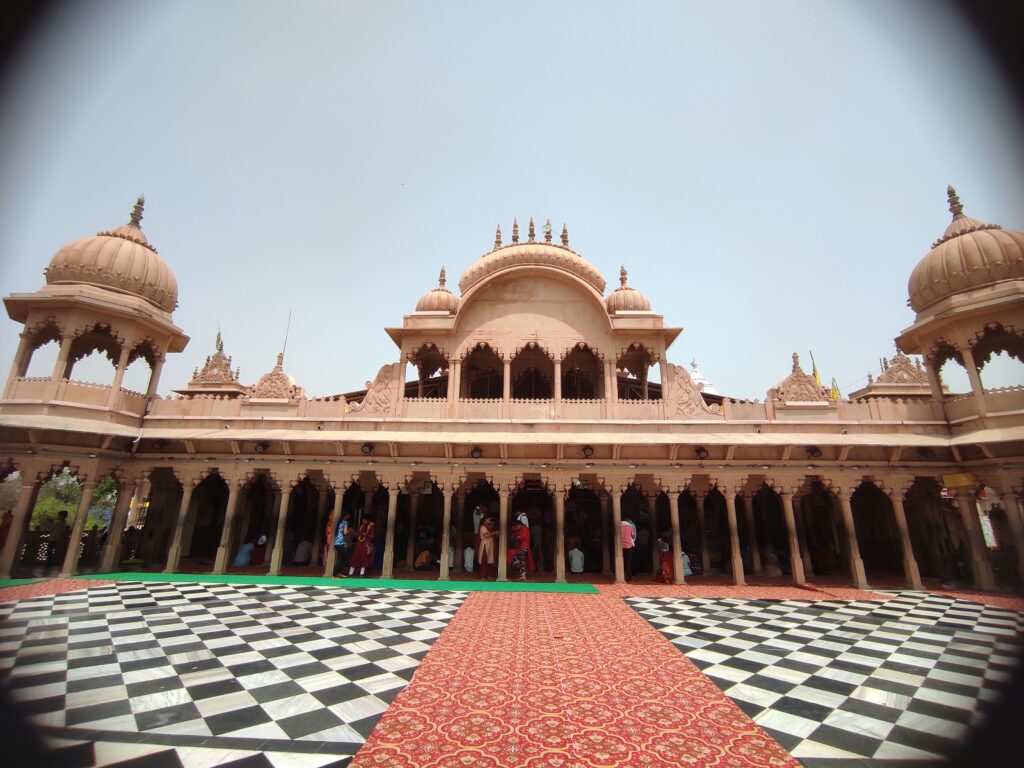
Image Source: Kridha20
About Radha Rani Temple
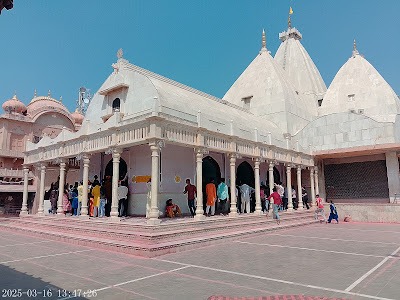
The Radha Rani Temple, located in Barsana, Uttar Pradesh, is one of the most revered temples dedicated to Goddess Radha, the divine consort of Lord Krishna. Barsana, her birthplace, is a significant pilgrimage site for devotees of Radha-Krishna and is renowned for its spiritual atmosphere and picturesque surroundings atop the Braj Hills.
The temple is especially famous for its vibrant celebrations during Holi and Radhashtami, attracting thousands of pilgrims and tourists each year.
Historical and Religious Significance
Radha Rani Temple is historically and spiritually important as Barsana is considered the birthplace of Goddess Radha. The temple is perched on Bansinar Hill, and devotees believe that visiting it fulfills desires and brings blessings of divine love and devotion
The site is deeply connected with the legends of Radha and Krishna, highlighting their playful pastimes and eternal bond. Over centuries, the temple has become a focal point of devotion and cultural preservation in the Braj region, reinforcing the spiritual heritage of Uttar Pradesh.
Architectural and Cultural Features
The temple is constructed in a traditional North Indian style, featuring carved stone pillars, decorative arches, and a sanctum housing the idol of Goddess Radha adorned in colorful attire and ornaments.
The temple’s elevated location provides panoramic views of Barsana town and surrounding hills, enhancing the spiritual experience. During festivals, the temple is beautifully decorated with flowers, lights, and flags, and devotees engage in singing bhajans and participating in ritual ceremonies.
Pilgrim and Visitor Experience
Visitors to Radha Rani Temple often climb a series of steps to reach the hilltop shrine, an act considered spiritually meritorious. Pilgrims engage in prayers, aarti, and chanting, while exploring nearby sacred sites such as Vishram Ghat in Barsana and Lathmar Holi grounds.
The temple becomes particularly lively during Lathmar Holi, when devotees from Barsana and Nandgaon enact playful rituals inspired by Krishna-Radha legends. The serene surroundings combined with devotional energy create a spiritually enriching experience for visitors.
How to Reach
By Air: The nearest airport is Agra Airport (approx. 120 km) or Delhi International Airport (approx. 150 km). Taxis and buses are available to reach Barsana from these airports.
By Rail: Mathura Junction is the nearest major railway station, about 45 km from Barsana. From Mathura, local transport such as taxis, auto-rickshaws, and buses can take visitors to the temple.
By Road: Barsana is connected via state highways to Mathura, Vrindavan, and Nandgaon. Regular buses and private vehicles operate, making the journey convenient for pilgrims and tourists.
Nearby Attractions
A visit to Radha Rani Temple can be combined with several sacred sites in and around Barsana, each closely connected to the life and divine pastimes of Radha and Lord Krishna.
Maan Mandir is one of the most revered temples in Barsana and is associated with the playful episodes of Radha and Krishna. According to local tradition, this is where Radha would lovingly express her displeasure (maan) toward Krishna, and Krishna would come to persuade and reconcile with her. The temple sits atop a hill and offers panoramic views of Barsana and the surrounding Braj countryside.
Kirti Mandir is dedicated to Kirti Maiya, the mother of Shri Radha. It is one of the few temples devoted to Radha’s mother and features beautiful idols of young Radha seated in Kirti Maiya’s lap. The peaceful atmosphere and elegant architecture make it a meaningful stop for pilgrims.
Mor Kutir is a charming temple associated with the divine peacock dance of Radha and Krishna. Local legends say that the divine couple once danced here in the form of peacocks during the monsoon season. Surrounded by natural beauty, the site offers a tranquil setting for prayer and meditation.
Prem Sarovar, located about 5 km from Barsana, is a sacred lake believed to have been formed from the tears of Radha and Krishna during a moment of divine separation. The serene surroundings, temples, and quiet atmosphere make it one of the most picturesque pilgrimage sites in the Braj region.
Nand Bhavan Temple, Nandgaon, around 8 km away, is believed to be the childhood home of Lord Krishna, where he lived with Nanda Maharaj and Yashoda. Situated atop Nandishwar Hill, the temple offers magnificent views and is an important destination on the Braj pilgrimage circuit.
Ter Kadamba, located near Nandgaon, is associated with Lord Krishna’s cowherd pastimes. It is believed that Krishna would play his flute beneath a Kadamba tree here to gather his cows. The site later became an important place of worship for Sri Rupa Goswami.
Kokilavan Dham, approximately 20 km from Barsana, is a popular pilgrimage center dedicated to Lord Shani Dev. Thousands of devotees visit every Saturday to seek blessings and perform rituals believed to reduce the effects of Shani.
Govardhan Hill, around 25 km from Barsana, is one of the holiest places in the Braj region. Pilgrims undertake the sacred Govardhan Parikrama while visiting important sites such as Kusum Sarovar, Radha Kund, Shyam Kund, Mansi Ganga, and Danghati Temple.
Banke Bihari Temple, Vrindavan, located about 45 km away, is among the most famous Krishna temples in India. Many pilgrims combine visits to Barsana, Nandgaon, Govardhan, Vrindavan, and Mathura as part of the traditional Braj pilgrimage.
Google Maps
FAQs
1. Why is Radha Rani Temple famous?
Radha Rani Temple is believed to stand on the birthplace hill of Shri Radha and is one of the most revered pilgrimage sites dedicated to her. It is especially famous for its spiritual significance and the grand Lathmar Holi celebrations.
2. Where is Radha Rani Temple located?
The temple is situated atop Bhanugarh Hill in Barsana, approximately 45 km from Mathura and around 8 km from Nandgaon.
3. How many steps are there to reach the temple?
Visitors need to climb approximately 200 well-maintained stone steps to reach the main temple. A ropeway service is also available, making the temple accessible for elderly visitors and those who prefer not to climb.
4. What are the temple timings?
The temple generally remains open from early morning until evening, with darshan timings varying slightly depending on the season and festival schedule.
5. Is there any entry fee?
No. Entry to Radha Rani Temple is free for all devotees and visitors.
6. What is the best time to visit?
The best time to visit is between October and March. Visiting during Lathmar Holi, Radhashtami, or Janmashtami offers an unforgettable cultural and spiritual experience, although the temple is much more crowded during these festivals.
7. How much time should visitors spend at the temple?
Most visitors spend 1–2 hours exploring the temple, enjoying the panoramic views from Bhanugarh Hill, and visiting nearby attractions in Barsana.
8. Can Barsana and Nandgaon be visited on the same day?
Yes. Since Nandgaon is only about 8 km from Barsana, many travelers include both destinations in a single-day itinerary along with Prem Sarovar and Ter Kadamba as part of the Braj pilgrimage circuit.