Travel

UNESCO Sites in India: History, Culture & Natural Wonders

Khajuraho

India is home to one of the world’s richest collections of UNESCO World Heritage Sites, reflecting thousands of years of history, culture, architecture, and natural diversity. From magnificent ancient temples and medieval forts to breathtaking national parks and unique mountain railways, these sites showcase the country’s remarkable heritage. Recognized by UNESCO for their Outstanding Universal Value, they are preserved not only for India but for all of humanity.

Spread across different states and landscapes, India’s UNESCO sites include cultural monuments, natural wonders, and mixed heritage locations that tell the story of ancient civilizations, powerful kingdoms, religious traditions, artistic excellence, and extraordinary ecosystems. Whether it is the timeless beauty of the Taj Mahal, the intricate rock-cut caves of Ajanta and Ellora, the biodiversity of Kaziranga National Park, or the architectural brilliance of Hampi, each site offers a unique glimpse into India’s diverse legacy.

Visiting UNESCO World Heritage Sites in India is more than just sightseeing—it’s an opportunity to experience centuries of history, witness exceptional craftsmanship, and explore landscapes that have shaped the country’s identity. This guide introduces the list of UNESCO World Heritage Sites in India, along with their historical significance, unique features, and why they continue to inspire millions of visitors from around the world.

UNESCO World Heritage Sites in North India

Taj Mahal

Taj Mahal, Uttar Pradesh (UNESCO World Heritage Site – 1983)

No monument symbolizes India better than the Taj Mahal. Located on the banks of the Yamuna River in Agra, this magnificent white marble mausoleum was commissioned by Mughal Emperor Shah Jahan in memory of his beloved wife, Mumtaz Mahal. Construction began in 1632 and took over two decades to complete, employing thousands of artisans, architects, and craftsmen from across Asia.

The Taj Mahal is regarded as the finest example of Mughal architecture, blending Persian, Islamic, Turkish, and Indian design elements into a perfectly symmetrical masterpiece. The monument is admired for its gleaming Makrana marble, intricate floral carvings, precious stone inlay work, Quranic calligraphy, elegant minarets, and beautifully landscaped Charbagh gardens.

Visitors are often captivated by the changing colors of the marble throughout the day—from soft pink at sunrise to dazzling white under the afternoon sun and golden hues during sunset. On full moon nights, the Taj Mahal offers an especially magical experience.

Highlights

  • White marble mausoleum
  • Charbagh Persian gardens
  • Reflecting pools
  • Marble inlay (Pietra Dura)
  • Mughal architecture
  • Sunrise photography

Best Time to Visit: October to March

Nearest Airport: Agra Airport (limited flights), Delhi International Airport

Nearest Railway Station: Agra Cantt

Nearby Attractions

  • Agra Fort
  • Mehtab Bagh
  • Itmad-ud-Daulah’s Tomb
  • Fatehpur Sikri

Agra Fort, Uttar Pradesh (1983)

Located just a few kilometers from the Taj Mahal, Agra Fort served as the principal residence of the Mughal emperors before the capital shifted to Delhi. Built primarily by Emperor Akbar in the 16th century using red sandstone, the fort later witnessed several additions in white marble by Shah Jahan.

Spread over nearly 94 acres, the massive fort is enclosed by imposing defensive walls and houses several magnificent structures, including Jahangir Mahal, Khas Mahal, Diwan-i-Am, Diwan-i-Khas, Musamman Burj, and the Moti Masjid. It was from Musamman Burj that Shah Jahan is believed to have spent his final years gazing at the Taj Mahal across the Yamuna River.

Agra Fort beautifully illustrates the transition from robust military architecture under Akbar to the refined elegance introduced during Shah Jahan’s reign.

Highlights

  • Red sandstone fortifications
  • Jahangir Mahal
  • Diwan-i-Am
  • Diwan-i-Khas
  • Musamman Burj
  • Royal palaces

Best Time to Visit: October to March

Nearby Attractions

  • Taj Mahal
  • Mehtab Bagh
  • Akbar’s Tomb at Sikandra

Fatehpur Sikri, Uttar Pradesh (1986)

Around 40 kilometers from Agra lies Fatehpur Sikri, the magnificent but short-lived capital established by Emperor Akbar in the late 16th century. Built almost entirely from red sandstone, the city reflects Akbar’s vision of combining architectural traditions from Persian, Islamic, Hindu, and Jain influences.

The complex includes royal palaces, audience halls, courtyards, gardens, water reservoirs, and one of the largest gateways in the world—the Buland Darwaza. Other notable attractions include Panch Mahal, Diwan-i-Khas, Jodha Bai’s Palace, Jama Masjid, and the Tomb of Sheikh Salim Chishti.

Although abandoned due to water shortages, Fatehpur Sikri remains one of the finest preserved Mughal cities in India.

Highlights

  • Buland Darwaza
  • Panch Mahal
  • Jodha Bai Palace
  • Tomb of Salim Chishti
  • Mughal city planning

Best Time to Visit: November to February


Humayun’s Tomb, Delhi (1993)

Humayun’s Tomb marked a turning point in Mughal architecture and inspired the design of the Taj Mahal. Built in 1570 by Empress Bega Begum in memory of Emperor Humayun, it was India’s first grand garden tomb.

The monument features Persian-inspired Charbagh gardens, elegant red sandstone structures, white marble domes, geometric pathways, and water channels that create a serene atmosphere. The complex also contains several other Mughal tombs, making it one of Delhi’s most significant historical sites.

Visitors appreciate both its architectural beauty and peaceful surroundings amid the bustling capital city.

Highlights

  • Persian gardens
  • Double dome
  • Marble detailing
  • Mughal tomb complex

Nearby Attractions

  • Lodhi Garden
  • India Gate
  • Purana Qila
  • Nizamuddin Dargah

Qutb Minar and Its Monuments, Delhi (1993)

Standing at over 72 meters, the Qutb Minar is the tallest brick minaret in the world. Construction began in 1192 under Qutb-ud-din Aibak and was later completed by his successors.

The UNESCO complex includes the famous Iron Pillar, Quwwat-ul-Islam Mosque, Alai Darwaza, Alai Minar, and several historic ruins representing the early Delhi Sultanate period.

The intricately carved sandstone minaret features Quranic inscriptions, floral motifs, and alternating angular and circular fluting.

Highlights

  • World’s tallest brick minaret
  • Iron Pillar
  • Ancient mosque ruins
  • Sultanate architecture

Best Time: October to March


Red Fort Complex, Delhi (2007)

Constructed by Emperor Shah Jahan in the 17th century, the Red Fort served as the ceremonial and political center of Mughal India for nearly 200 years.

Its impressive red sandstone walls enclose magnificent palaces, audience halls, gardens, museums, and royal apartments. Every year, India’s Independence Day celebrations begin with the Prime Minister hoisting the national flag from the Red Fort’s ramparts.

Major attractions include Diwan-i-Aam, Diwan-i-Khas, Rang Mahal, Moti Masjid, and the Hayat Bakhsh Garden.


Jantar Mantar, Jaipur (2010)

Built by Maharaja Sawai Jai Singh II in the early 18th century, Jantar Mantar is one of the world’s largest astronomical observatories made entirely from masonry.

The complex contains nineteen astronomical instruments designed to observe celestial bodies, determine time, predict eclipses, and calculate planetary positions with remarkable precision.

The giant Samrat Yantra remains the world’s largest stone sundial and continues to demonstrate exceptional scientific accuracy.

Highlights

  • Samrat Yantra
  • Astronomical instruments
  • UNESCO scientific heritage

Amer Fort

Hill Forts of Rajasthan (2013)

Rather than a single monument, this UNESCO inscription includes six spectacular forts:

  • Amer Fort (Jaipur)
  • Chittorgarh Fort
  • Kumbhalgarh Fort
  • Ranthambore Fort
  • Gagron Fort
  • Jaisalmer Fort

These hill forts represent the military strength and architectural brilliance of the Rajput kingdoms between the 8th and 18th centuries. Massive walls, royal palaces, temples, reservoirs, gateways, and defensive systems make them among India’s most fascinating historical sites.


Mahabodhi Temple Complex, Bodh Gaya, Bihar (2002)

Bodh Gaya is among the holiest places in Buddhism. It was here that Prince Siddhartha attained enlightenment under the sacred Bodhi Tree and became Gautama Buddha.

The Mahabodhi Temple, rising over 50 meters high, is one of the earliest surviving brick temples in India. Pilgrims from around the world visit this sacred site to meditate, pray, and experience the birthplace of Buddhist philosophy.

Important attractions include the Vajrasana (Diamond Throne), Bodhi Tree, meditation gardens, monasteries, and the sacred pond.

Highlights

  • Sacred Bodhi Tree
  • Mahabodhi Temple
  • Vajrasana
  • International monasteries

Mountain Railways of India (North Indian Section)

The UNESCO-listed Mountain Railways include several historic railway lines. In North India, the famous Kalka–Shimla Railway is an engineering marvel completed in 1903.

The narrow-gauge railway climbs through breathtaking Himalayan scenery, passing over hundreds of bridges, tunnels, and picturesque hill stations before reaching Shimla.

The journey itself is considered one of the world’s most scenic train rides and remains a favorite among travelers.


Planning Your North India UNESCO Circuit

A well-planned itinerary can combine several heritage sites into one memorable journey:

Delhi (3 Days)

  • Humayun’s Tomb
  • Qutb Minar
  • Red Fort

Agra (2 Days)

  • Taj Mahal
  • Agra Fort
  • Fatehpur Sikri

Jaipur (2–3 Days)

  • Jantar Mantar
  • Amer Fort
  • Explore nearby Hill Forts

Bodh Gaya (1–2 Days)

  • Mahabodhi Temple

Shimla (Optional 2 Days)

  • Experience the Kalka–Shimla Mountain Railway

This circuit offers an exceptional introduction to North India’s architectural grandeur, spiritual heritage, and engineering achievements while covering many of the country’s most iconic UNESCO World Heritage Sites.

Planning Your North India UNESCO Circuit

A well-planned itinerary can combine several heritage sites into one memorable journey:

Delhi (3 Days)

  • Humayun’s Tomb
  • Qutb Minar
  • Red Fort

Agra (2 Days)

  • Taj Mahal
  • Agra Fort
  • Fatehpur Sikri

Jaipur (2–3 Days)

  • Jantar Mantar
  • Amer Fort
  • Explore nearby Hill Forts

Bodh Gaya (1–2 Days)

  • Mahabodhi Temple

Shimla (Optional 2 Days)

  • Experience the Kalka–Shimla Mountain Railway

This circuit offers an exceptional introduction to North India’s architectural grandeur, spiritual heritage, and engineering achievements while covering many of the country’s most iconic UNESCO World Heritage Sites.

UNESCO World Heritage Sites in West India

Ajanta Caves, Maharashtra (UNESCO World Heritage Site – 1983)

Hidden within a horseshoe-shaped gorge of the Waghora River, the Ajanta Caves are among the finest surviving examples of ancient Buddhist art in the world. Dating from the 2nd century BCE to the 6th century CE, this remarkable complex consists of 30 rock-cut caves that served as monasteries and prayer halls for Buddhist monks.

The caves are renowned for their exquisite murals depicting the life of the Buddha and the Jataka Tales. These paintings, created using natural pigments, remain some of the world’s oldest surviving frescoes. Intricately carved pillars, sculptures of the Buddha, and elaborately decorated chaityas (prayer halls) reflect the artistic mastery of ancient India.

Rediscovered by British officer John Smith in 1819 after centuries of being hidden by dense forest, Ajanta has since become one of India’s most visited archaeological sites.

Highlights

  • Ancient Buddhist murals
  • Jataka Tale paintings
  • Rock-cut monasteries
  • Chaitya halls and viharas
  • Beautiful river valley setting

Best Time to Visit: October to March

Nearby Attractions

  • Ellora Caves
  • Daulatabad Fort
  • Bibi Ka Maqbara
  • Aurangabad Caves

Ellora Caves, Maharashtra (1983)

Located about 100 kilometers from Ajanta, the Ellora Caves represent one of the world’s greatest achievements in rock-cut architecture. Unlike Ajanta, Ellora reflects religious harmony, as its 34 caves were created by Buddhist, Hindu, and Jain communities between the 6th and 10th centuries CE.

The centerpiece of the complex is the magnificent Kailasa Temple (Cave 16), a monolithic temple carved entirely from a single rock. Dedicated to Lord Shiva, it is considered one of the largest rock-cut temples in the world. Thousands of artisans removed an estimated 200,000 tonnes of rock to create this architectural masterpiece.

The Buddhist caves feature meditation halls and monasteries, while the Jain caves display delicate carvings and ornate sculptures.

Highlights

  • Kailasa Temple
  • Buddhist monasteries
  • Jain caves
  • Massive rock-cut sculptures
  • Monolithic architecture

Best Time to Visit: October to February


Elephanta Caves

Elephanta Caves, Maharashtra (1987)

Situated on Elephanta Island in Mumbai Harbour, the Elephanta Caves are famous for their magnificent sculptures dedicated to Lord Shiva. Dating to the 5th–8th centuries CE, the caves are carved into basalt rock and contain some of India’s finest examples of Hindu rock-cut art.

The most iconic sculpture is the 20-foot-high Trimurti, depicting Shiva as the Creator, Preserver, and Destroyer. Other impressive carvings portray Shiva in various forms, including Nataraja, Ardhanarishvara, Gangadhara, and Yogeshvara.

Visitors reach the island by ferry from the Gateway of India, making the journey itself an enjoyable experience.

Highlights

  • Trimurti sculpture
  • Shiva carvings
  • Ferry ride across Mumbai Harbour
  • Ancient cave temple

Chhatrapati Shivaji Terminus, Maharashtra (2004)

Originally known as Victoria Terminus, this iconic railway station in Mumbai is one of the busiest railway stations in India and an outstanding example of Victorian Gothic Revival architecture blended with traditional Indian craftsmanship.

Completed in 1887 to commemorate Queen Victoria’s Golden Jubilee, the building features stained glass windows, stone carvings, pointed arches, domes, turrets, gargoyles, and intricate ironwork. Despite serving millions of commuters every year, it remains one of Mumbai’s architectural landmarks.

Highlights

  • Victorian Gothic architecture
  • Heritage railway station
  • Decorative stone carvings
  • Historic railway headquarters

Victorian Gothic and Art Deco Ensemble of Mumbai (2018)

Stretching along Mumbai’s Oval Maidan, this UNESCO site includes an extraordinary collection of 19th-century Victorian Gothic buildings and early 20th-century Art Deco structures.

The ensemble reflects Mumbai’s transformation into a major commercial city during the colonial era. High Courts, educational institutions, commercial buildings, residential apartments, and public spaces display two contrasting yet harmonious architectural styles that define Mumbai’s skyline.

Walking tours around Churchgate and Marine Drive offer visitors an opportunity to admire these beautifully preserved heritage buildings.

Highlights

  • Bombay High Court
  • University of Mumbai
  • Art Deco residential buildings
  • Marine Drive skyline
  • Oval Maidan

Churches and Convents of Goa (1986)

Goa’s UNESCO-listed churches represent the arrival of Portuguese colonial influence in India during the 16th century. Located mainly in Old Goa, these churches introduced European Renaissance, Baroque, and Manueline architectural styles to the Indian subcontinent.

Among the most significant monuments are the Basilica of Bom Jesus, which houses the mortal remains of St. Francis Xavier, and the Sé Cathedral, one of Asia’s largest churches. Other important sites include the Church of St. Francis of Assisi and the Church of St. Cajetan.

These monuments continue to serve as active places of worship and major pilgrimage destinations.

Highlights

  • Basilica of Bom Jesus
  • Sé Cathedral
  • Portuguese architecture
  • Christian pilgrimage sites

Champaner–Pavagadh Archaeological Park, Gujarat (2004)

Nestled at the foot of Pavagadh Hill, this archaeological park preserves the remains of a medieval city founded by Sultan Mahmud Begada in the 15th century.

The site features palaces, fortifications, stepwells, residential areas, mosques, temples, granaries, and water management systems that illustrate a remarkable blend of Hindu and Islamic architecture. The hilltop Kalika Mata Temple remains an important pilgrimage destination.

Highlights

  • Medieval Islamic city
  • Fortifications
  • Stepwells
  • Mosques and temples
  • Pavagadh Hill

Rani ki Vav, Gujarat (2014)

Located in Patan, Rani ki Vav is one of India’s most spectacular stepwells. Built during the 11th century by Queen Udayamati in memory of King Bhima I of the Solanki dynasty, it is both a water conservation structure and an artistic masterpiece.

Descending seven levels below ground, the stepwell contains hundreds of beautifully sculpted pillars, galleries, and over 500 intricately carved statues depicting Hindu deities, celestial beings, sages, and mythological figures.

Its exceptional craftsmanship makes it one of the finest examples of subterranean architecture anywhere in the world.

Highlights

  • Seven-storey stepwell
  • Intricate sandstone carvings
  • Water management system
  • Solanki architecture

Historic City of Ahmedabad, Gujarat (2017)

Ahmedabad became India’s first UNESCO World Heritage City in recognition of its well-preserved historic urban fabric. Founded in 1411 by Sultan Ahmed Shah, the old city is famous for its narrow lanes (pols), traditional wooden houses, mosques, temples, bustling markets, and vibrant community life.

Visitors can explore Jama Masjid, Bhadra Fort, Sidi Saiyyed Mosque, Manek Chowk, and numerous heritage havelis while experiencing the city’s unique blend of Hindu, Jain, and Islamic traditions.

Highlights

  • Heritage pol houses
  • Jama Masjid
  • Bhadra Fort
  • Sidi Saiyyed Mosque
  • Traditional markets

Dholavira, Gujarat (2021)

Situated on Khadir Island in the Great Rann of Kutch, Dholavira is one of the largest and best-preserved cities of the Indus Valley Civilization. Flourishing between approximately 3000 BCE and 1500 BCE, it showcases sophisticated urban planning far ahead of its time.

The city featured reservoirs, drainage systems, gateways, public squares, fortifications, and residential districts built with remarkable engineering precision. Archaeologists have also discovered one of the world’s earliest known signboards here.

Highlights

  • Indus Valley Civilization
  • Advanced water conservation
  • Ancient reservoirs
  • Citadel and lower town
  • Archaeological museum

Maratha Military Landscapes of India (2025)

The Maratha Military Landscapes represent the military ingenuity and strategic planning of the Maratha Empire between the 17th and 19th centuries. This UNESCO inscription includes a network of hill forts, sea forts, and defensive structures built or strengthened under the leadership of Chhatrapati Shivaji Maharaj and later Maratha rulers.

These forts occupy commanding positions on mountain peaks, coastal cliffs, and strategic trade routes, demonstrating exceptional adaptation to varied landscapes. Massive stone walls, bastions, gateways, secret escape routes, water storage systems, and ingenious defensive layouts allowed the Marathas to resist much larger armies for decades.

Among the best-known forts associated with this inscription are Raigad Fort, Pratapgad Fort, Lohagad Fort, Salher Fort, Shivneri Fort, Sindhudurg Fort, Suvarnadurg Fort, Panhala Fort, Vijaydurg Fort, Khanderi Fort, Rajgad Fort, and Gingee Fort in Tamil Nadu.

Highlights

  • Hill forts and sea forts
  • Maratha military engineering
  • Strategic mountain landscapes
  • Fortified gateways and bastions
  • Historic capital at Raigad

Suggested West India UNESCO Circuit

A well-planned journey through Western India can combine several heritage sites into one unforgettable itinerary.

Mumbai (2–3 Days)

  • Chhatrapati Shivaji Terminus
  • Victorian Gothic & Art Deco Ensemble
  • Elephanta Caves

Aurangabad (2–3 Days)

  • Ajanta Caves
  • Ellora Caves

Goa (2 Days)

  • Churches and Convents of Goa

Ahmedabad (2 Days)

  • Historic City of Ahmedabad

Patan (1 Day)

  • Rani ki Vav

Champaner (1 Day)

  • Champaner–Pavagadh Archaeological Park

Dholavira (2 Days)

  • Ancient Harappan City
  • Great Rann of Kutch

Maratha Fort Circuit (Optional 3–5 Days)

  • Raigad
  • Pratapgad
  • Sindhudurg
  • Panhala
  • Lohagad

Western India perfectly blends ancient civilizations, medieval kingdoms, colonial heritage, and engineering marvels, making it one of the richest UNESCO regions in the country.

UNESCO World Heritage Sites in South India


Group of Monuments at Hampi, Karnataka (UNESCO World Heritage Site – 1986)

Nestled along the banks of the Tungabhadra River, Hampi was once the magnificent capital of the Vijayanagara Empire, one of the most powerful kingdoms in South India during the 14th to 16th centuries. Today, its sprawling ruins spread across nearly 26 square kilometers, making it one of the largest archaeological sites in the world.

Surrounded by dramatic granite boulders and rocky hills, Hampi is renowned for its majestic temples, royal enclosures, marketplaces, stepped tanks, and impressive stone architecture. The Virupaksha Temple remains an active place of worship, while the iconic Stone Chariot at the Vittala Temple has become one of India’s most recognizable heritage landmarks.

Walking through Hampi feels like stepping back into a medieval city where bustling bazaars, grand processions, and royal ceremonies once flourished.

Highlights

  • Vittala Temple and Stone Chariot
  • Virupaksha Temple
  • Lotus Mahal
  • Elephant Stables
  • Queen’s Bath
  • Royal Enclosure
  • Matanga Hill viewpoints

Best Time to Visit: October to February

Nearby Attractions

  • Anegundi
  • Tungabhadra Dam
  • Daroji Sloth Bear Sanctuary

Group of Monuments at Pattadakal, Karnataka (1987)

Located on the banks of the Malaprabha River, Pattadakal served as the ceremonial capital of the Chalukya dynasty during the 7th and 8th centuries. It is celebrated for its harmonious blend of North Indian Nagara and South Indian Dravidian architectural styles.

The temple complex contains nine Hindu temples and one Jain temple, each showcasing exquisite sculptures, finely carved pillars, and beautifully decorated ceilings. Among the most famous are the Virupaksha Temple, Mallikarjuna Temple, Sangameshwara Temple, and Papanatha Temple.

Pattadakal is considered one of the finest examples of early temple architecture in India and demonstrates the evolution of Hindu temple design.

Highlights

  • Virupaksha Temple
  • Chalukyan architecture
  • Intricate carvings
  • Riverside temple complex
  • Blend of Nagara and Dravidian styles

Best Time to Visit: November to February

Nearby Attractions

  • Aihole
  • Badami Cave Temples
  • Banashankari Temple

Sacred Ensembles of the Hoysalas, Karnataka (2023)

One of India’s newest UNESCO World Heritage Sites, the Sacred Ensembles of the Hoysalas recognize three extraordinary temples built during the Hoysala dynasty between the 12th and 13th centuries:

  • Chennakeshava Temple, Belur
  • Hoysaleswara Temple, Halebidu
  • Keshava Temple, Somanathapura

These temples are masterpieces of soapstone architecture and are renowned for their star-shaped platforms, highly polished pillars, intricate sculptures, and astonishing decorative details. Every inch of the temple walls depicts scenes from the Ramayana, Mahabharata, Bhagavata Purana, daily life, dancers, musicians, animals, and floral motifs.

The exceptional craftsmanship displayed by Hoysala artisans continues to amaze visitors and historians alike.

Highlights

  • Star-shaped temple plans
  • Soapstone carvings
  • Mythological sculptures
  • Lathe-turned pillars
  • Hoysala architecture

Best Time to Visit: October to March


Great Living Chola Temples, Tamil Nadu (1987, Extended 2004)

The Great Living Chola Temples celebrate the architectural brilliance of the Chola dynasty, which ruled much of South India between the 9th and 13th centuries. Unlike many ancient monuments, these temples continue to function as active places of worship.

The UNESCO inscription includes:

  • Brihadeeswarar Temple, Thanjavur
  • Brihadeeswarar Temple, Gangaikonda Cholapuram
  • Airavatesvara Temple, Darasuram

Among them, the Brihadeeswarar Temple at Thanjavur is considered one of the greatest achievements of Dravidian architecture. Built by Emperor Rajaraja Chola I in the 11th century, it features a towering vimana rising over 60 meters, a massive granite Nandi, beautifully painted corridors, and detailed inscriptions documenting the Chola Empire.

These temples reflect advanced engineering, artistic excellence, and the Cholas’ devotion to Lord Shiva.

Highlights

  • Brihadeeswarar Temple
  • Massive granite construction
  • Towering vimana
  • Chola frescoes
  • Ancient inscriptions

Best Time to Visit: November to February

Nearby Attractions

  • Thanjavur Palace
  • Saraswathi Mahal Library
  • Gangaikonda Cholapuram
  • Darasuram

Group of Monuments at Mahabalipuram, Tamil Nadu (1984)

Situated along the Coromandel Coast, Mahabalipuram (Mamallapuram) was an important seaport of the Pallava dynasty during the 7th and 8th centuries. The town is famous for its rock-cut temples, monolithic monuments, cave sanctuaries, and open-air stone carvings.

The most iconic monument is the Shore Temple, standing proudly against the Bay of Bengal. Another remarkable attraction is Arjuna’s Penance, one of the world’s largest open-air rock reliefs, depicting scenes from Hindu mythology.

The Five Rathas, carved from single granite boulders, demonstrate different architectural styles and remain among India’s finest examples of monolithic architecture.

Highlights

  • Shore Temple
  • Five Rathas
  • Arjuna’s Penance
  • Krishna’s Butter Ball
  • Rock-cut cave temples

Best Time to Visit: October to February

Nearby Attractions

  • Chennai
  • Covelong Beach
  • DakshinaChitra Museum

Kakatiya Rudreshwara (Ramappa) Temple, Telangana (2021)

Located in Palampet village, the Ramappa Temple was constructed during the Kakatiya dynasty in the early 13th century. Officially known as the Rudreshwara Temple, it is popularly called the Ramappa Temple after the master sculptor believed to have supervised its construction.

Dedicated to Lord Shiva, the temple is admired for its floating bricks, intricate sandstone carvings, polished black basalt pillars, and elegant dancing sculptures known as Madanikas.

Its sophisticated engineering enabled the structure to withstand earthquakes for centuries, making it an outstanding example of medieval temple construction.

Highlights

  • Floating bricks
  • Delicate dancing sculptures
  • Kakatiya architecture
  • Earthquake-resistant engineering
  • Shiva temple

Best Time to Visit: October to February

Nearby Attractions

  • Ramappa Lake
  • Warangal Fort
  • Thousand Pillar Temple
  • Laknavaram Lake

Nilgiri Mountain Railway

Nilgiri Mountain Railway (Mountain Railways of India)

The Nilgiri Mountain Railway, connecting Mettupalayam and Ooty, forms part of the UNESCO-listed Mountain Railways of India. Opened in 1908, it remains one of Asia’s most remarkable engineering achievements.

The narrow-gauge railway climbs through dense forests, tea plantations, waterfalls, deep valleys, and mountain tunnels using a unique rack-and-pinion system to negotiate steep gradients. The charming blue-and-cream train has become an icon of the Nilgiri Hills and attracts travelers from around the world.

The scenic journey offers breathtaking views and is widely regarded as one of India’s most beautiful train rides.

Highlights

  • Heritage steam locomotives (on select services)
  • Tea plantations
  • Mountain tunnels and bridges
  • Panoramic Nilgiri landscapes
  • Ooty hill station

Western Ghats (Shared Natural UNESCO Site)

Although covered in detail in the Natural Heritage chapter, the Western Ghats extend across several South Indian states, including Karnataka, Kerala, Tamil Nadu, and parts of Maharashtra and Goa.

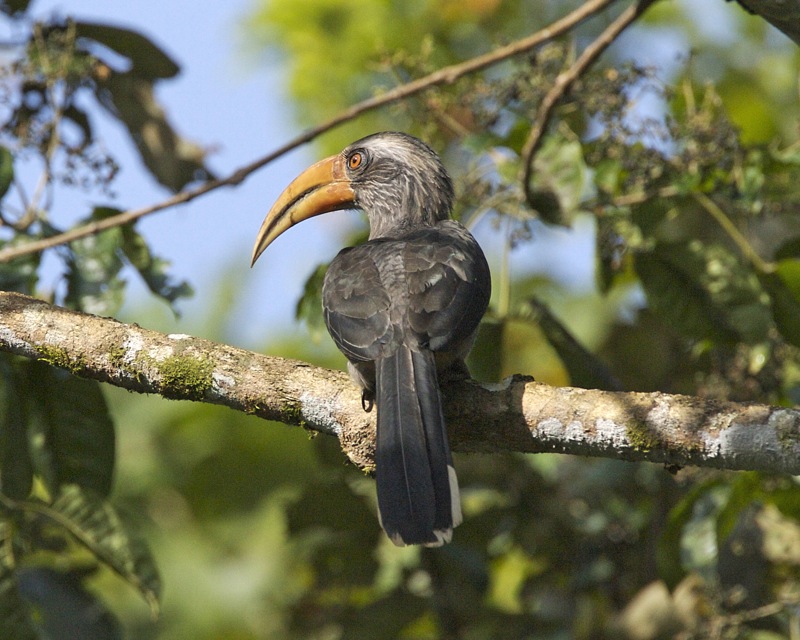
This mountain range is one of the world’s eight “hottest hotspots” of biodiversity and supports thousands of endemic species of plants, birds, mammals, reptiles, and amphibians. National parks, wildlife sanctuaries, evergreen forests, waterfalls, and hill stations make the Western Ghats one of India’s most spectacular natural landscapes.


Suggested South India UNESCO Circuit

A 10–14 day itinerary allows visitors to experience the region’s diverse heritage:

Bengaluru (1 Day)

Belur – Halebidu – Somanathapura (2 Days)

  • Sacred Ensembles of the Hoysalas

Hampi (2–3 Days)

  • Vijayanagara ruins
  • Virupaksha Temple
  • Vittala Temple

Badami – Aihole – Pattadakal (2 Days)

  • Chalukyan temple architecture

Chennai (1 Day)

Mahabalipuram (1 Day)

  • Shore Temple
  • Five Rathas

Thanjavur – Darasuram – Gangaikonda Cholapuram (2–3 Days)

  • Great Living Chola Temples

Warangal (1–2 Days)

  • Ramappa Temple

Ooty (Optional 2 Days)

  • Nilgiri Mountain Railway
  • Nilgiri Hills

South India offers an extraordinary journey through the evolution of Indian temple architecture—from the Pallavas and Chalukyas to the Cholas, Hoysalas, Vijayanagara rulers, and Kakatiyas. Combined with the scenic Nilgiri Railway and the biodiversity of the Western Ghats, it is one of the most rewarding UNESCO heritage regions in Asia.

UNESCO World Heritage Sites in Central, East & Northeast India


Khajuraho Group of Monuments, Madhya Pradesh (UNESCO World Heritage Site – 1986)

The Khajuraho Group of Monuments is one of India’s greatest architectural masterpieces. Built between 950 and 1050 CE by the Chandela dynasty, these temples are renowned for their extraordinary sculptures, intricate carvings, and harmonious proportions. Originally comprising around 85 temples, about 25 survive today.

Contrary to popular belief, the famous erotic sculptures represent only a small fraction of the artwork. Most carvings depict gods, goddesses, musicians, dancers, warriors, celestial beings, scenes from everyday life, and episodes from Hindu mythology. The temples demonstrate remarkable artistic freedom and celebrate spirituality, beauty, and human life.

The Western Group of Temples, including the Kandariya Mahadeva Temple, Lakshmana Temple, and Vishwanath Temple, are the finest examples of Nagara-style temple architecture.

Highlights

  • Kandariya Mahadeva Temple
  • Lakshmana Temple
  • Intricate sandstone sculptures
  • Chandela architecture
  • Evening light and sound show

Best Time to Visit: October to March

Nearby Attractions

  • Raneh Falls
  • Panna National Park
  • Ken Gharial Sanctuary

Great Stupa of Sanchi

Buddhist Monuments at Sanchi, Madhya Pradesh (1989)

Perched atop a peaceful hill near Bhopal, Sanchi is one of the oldest surviving Buddhist complexes in the world. Emperor Ashoka commissioned the Great Stupa in the 3rd century BCE after embracing Buddhism, making Sanchi one of the religion’s most important pilgrimage sites.

The complex includes stupas, monasteries, temples, pillars, and beautifully carved gateways known as toranas. These gateways depict scenes from the life of the Buddha and the Jataka Tales through intricate relief carvings, despite not portraying the Buddha in human form.

Unlike many Buddhist sites, Sanchi remained largely undisturbed for centuries, allowing historians to study the evolution of Buddhist architecture and art.

Highlights

  • Great Stupa
  • Ashokan Pillar
  • Four ornate toranas
  • Buddhist monasteries
  • Archaeological Museum

Best Time to Visit: October to February


Rock Shelters of Bhimbetka, Madhya Pradesh (2003)

The Rock Shelters of Bhimbetka provide one of the earliest records of human life on the Indian subcontinent. Hidden within the Vindhya Hills, this UNESCO site contains more than 700 rock shelters, many decorated with prehistoric paintings estimated to be over 30,000 years old.

The artwork depicts hunting scenes, dancing, rituals, animals, horse riders, and daily life, offering a fascinating glimpse into prehistoric civilizations. Many paintings still retain their vibrant colors due to the use of natural mineral pigments.

The site also contains archaeological evidence of continuous human occupation from the Paleolithic Age to the medieval period.

Highlights

  • Prehistoric cave paintings
  • Sandstone rock formations
  • Ancient human settlements
  • Archaeological trails

Nearby Attractions

  • Bhojpur Temple
  • Van Vihar National Park
  • Bhopal city

Santiniketan, West Bengal (2023)

Founded by Nobel Laureate Rabindranath Tagore in 1901, Santiniketan is a unique educational and cultural institution that redefined learning in India. Tagore envisioned an open-air university where education would be closely connected with nature, creativity, music, literature, and the arts.

The campus later became Visva-Bharati University and attracted scholars, artists, philosophers, and students from around the world. Its classrooms beneath trees, murals, sculptures, and annual cultural festivals continue to reflect Tagore’s ideals of holistic education and global harmony.

Visitors can explore museums dedicated to Tagore, art galleries, heritage buildings, and beautifully landscaped surroundings.

Highlights

  • Visva-Bharati University
  • Rabindra Bhavana Museum
  • Kala Bhavana
  • Open-air classrooms
  • Cultural festivals

Best Time to Visit: November to February


Moidams – The Mound-Burial System of the Ahom Dynasty, Assam (2024)

The Moidams of Charaideo represent the royal burial tradition of the Ahom dynasty, which ruled large parts of Assam for nearly six centuries. These burial mounds served as the final resting places of Ahom kings, queens, and members of the royal family.

Each Moidam consists of an earthen mound covering an underground brick-and-stone burial chamber where the deceased were interred along with valuable objects, weapons, ornaments, and ceremonial items. Inspired by Tai-Ahom traditions, these monuments symbolize the dynasty’s beliefs about kingship, ancestry, and the afterlife.

The Charaideo necropolis is often referred to as the “Pyramids of Assam” because of its distinctive landscape of dome-shaped burial mounds.

Highlights

  • Royal burial mounds
  • Ahom dynasty heritage
  • Charaideo necropolis
  • Tai-Ahom funerary traditions

Nearby Attractions

  • Sivasagar
  • Rang Ghar
  • Talatal Ghar
  • Kareng Ghar

Suggested Central, East & Northeast UNESCO Circuit

A journey through these heritage sites can be planned as follows:

Bhopal (2 Days)

  • Sanchi
  • Bhimbetka

Khajuraho (2 Days)

  • Western Group of Temples
  • Eastern Group of Temples

Kolkata – Santiniketan (2 Days)

  • Visva-Bharati University
  • Tagore Heritage Sites

Assam (2–3 Days)

  • Charaideo Moidams
  • Sivasagar monuments

This circuit offers an enriching exploration of India’s prehistoric heritage, Buddhist traditions, temple architecture, literary legacy, and the royal history of Northeast India.


Natural & Mixed UNESCO World Heritage Sites in India

India’s UNESCO recognition extends beyond monuments and historic cities. The country’s forests, wetlands, mountains, grasslands, and national parks protect some of the world’s richest biodiversity. These landscapes are home to endangered wildlife, rare ecosystems, and spectacular natural scenery, making them equally significant as India’s cultural treasures.


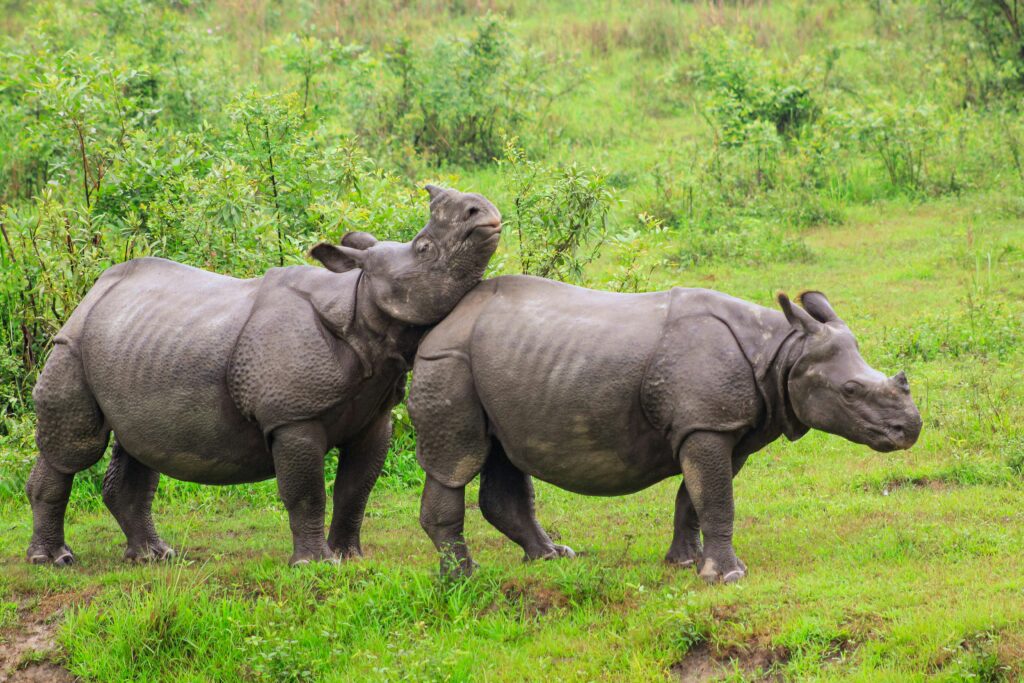
Kaziranga national Park

Kaziranga National Park, Assam (1985)

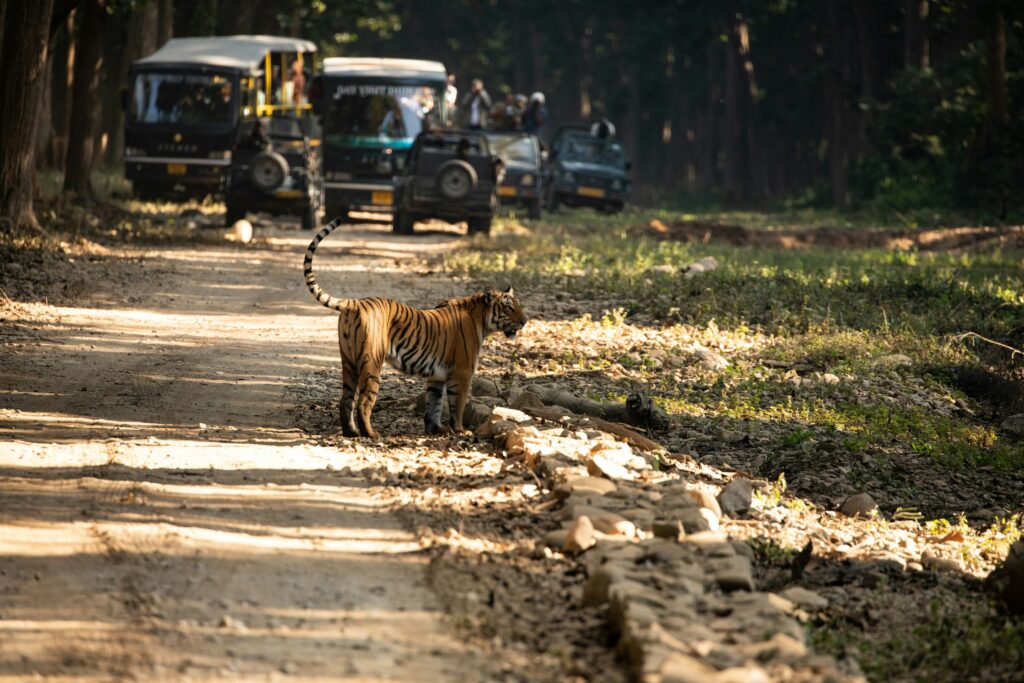
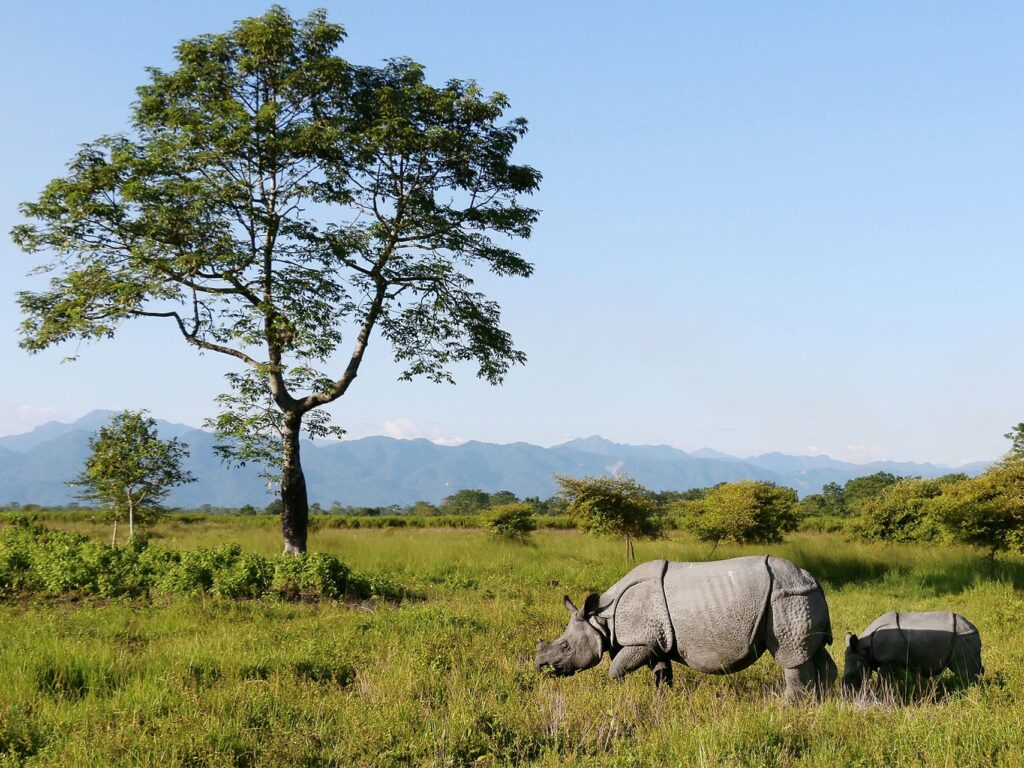
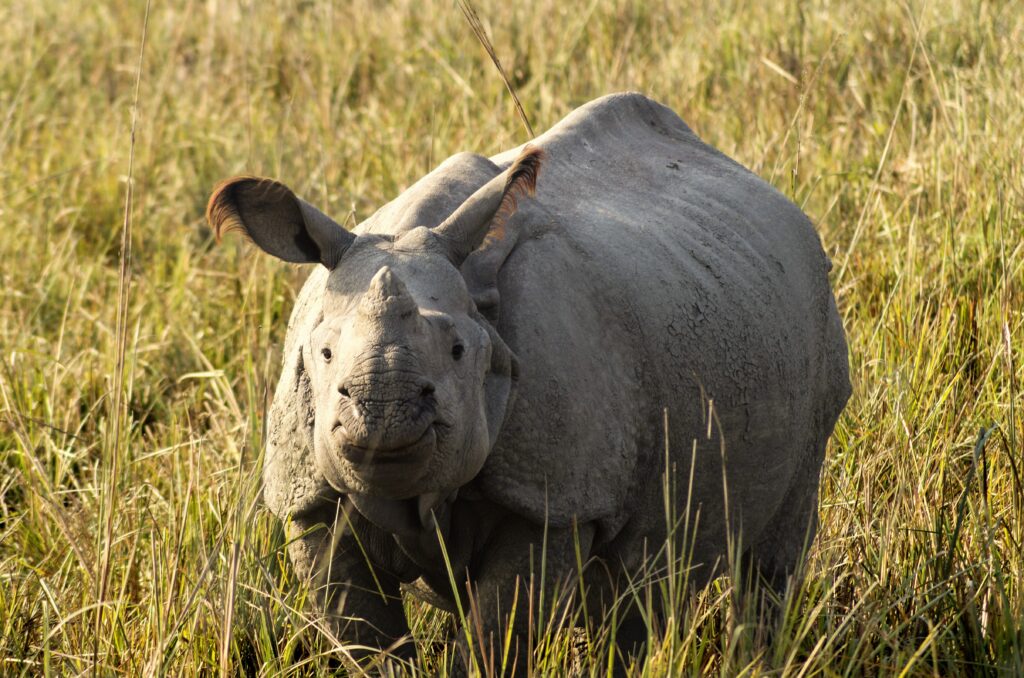
Kaziranga National Park is internationally renowned for protecting the world’s largest population of the Indian one-horned rhinoceros. Situated along the floodplains of the Brahmaputra River, the park also supports tigers, wild water buffalo, swamp deer, elephants, and hundreds of bird species.

Its mosaic of grasslands, wetlands, forests, and river channels creates one of Asia’s richest wildlife habitats.

Highlights

  • One-horned rhinoceros
  • Bengal tigers
  • Elephant safaris
  • Birdwatching
  • Brahmaputra floodplains

Manas National Park

Manas Wildlife Sanctuary, Assam (1985)

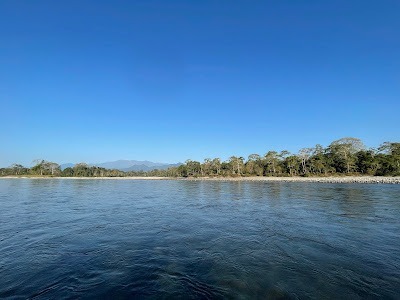
Located along the foothills of the Eastern Himalayas, Manas is celebrated for its exceptional biodiversity and pristine wilderness. It shelters endangered species such as the golden langur, pygmy hog, Bengal florican, and Bengal tiger.

The sanctuary is also part of an important transboundary conservation landscape shared with Bhutan.

Highlights

  • Golden langur
  • Pygmy hog
  • Tiger reserve
  • Himalayan foothill ecosystem

Keoladeo National Park

Keoladeo National Park, Rajasthan (1985)

Formerly known as Bharatpur Bird Sanctuary, Keoladeo National Park is one of the world’s most important wetlands for migratory birds. Every winter, thousands of birds arrive from Central Asia, Siberia, and Europe.

Visitors can explore the park by bicycle, cycle-rickshaw, or on foot while observing pelicans, cranes, painted storks, kingfishers, and numerous waterfowl.

Highlights

  • Ramsar wetland
  • Birdwatching paradise
  • Migratory birds
  • Photography

Sundarbans National Park, West Bengal (1987)

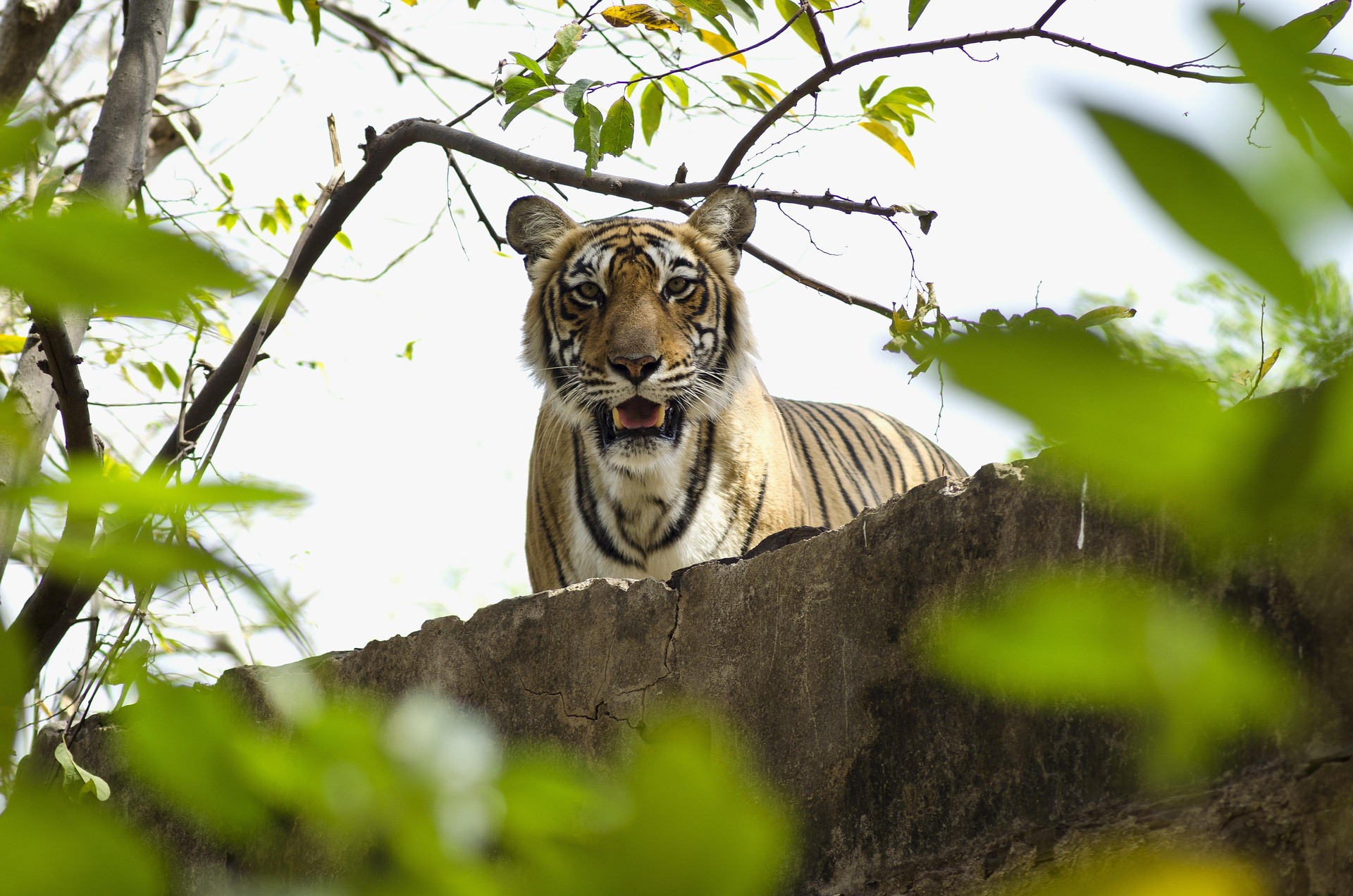
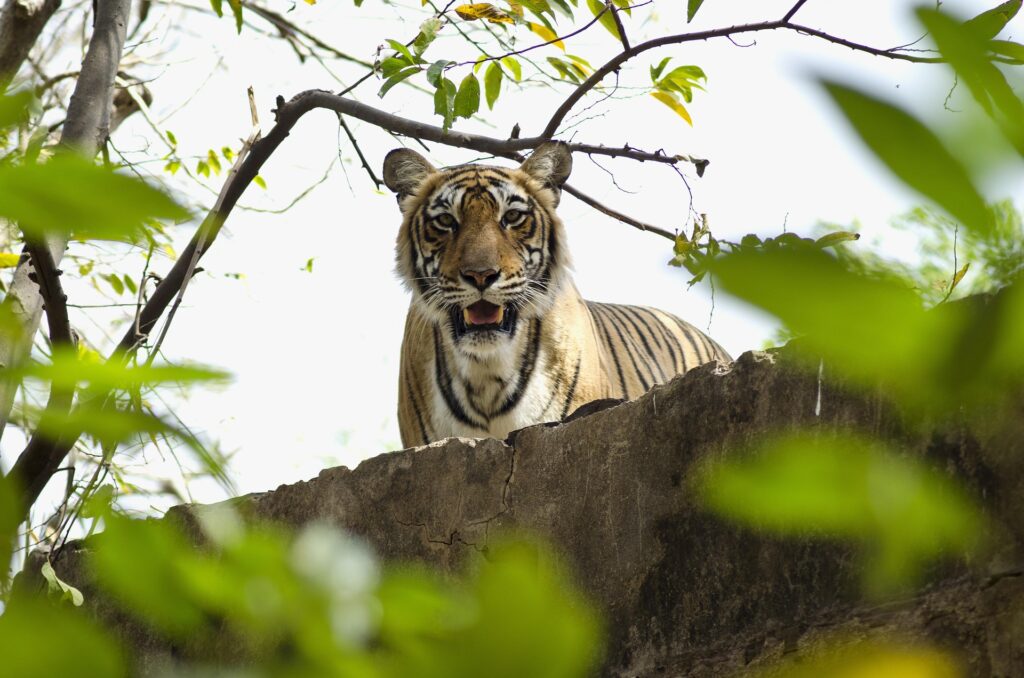
The Sundarbans is the world’s largest mangrove forest and forms part of the vast Ganges-Brahmaputra Delta. It is best known as the habitat of the Royal Bengal Tiger, although spotting one is rare due to the dense mangrove vegetation.

The park also protects estuarine crocodiles, fishing cats, Gangetic dolphins, otters, and hundreds of bird species.

Highlights

  • Mangrove forests
  • Royal Bengal Tiger
  • Boat safaris
  • Delta ecosystem

Nanda Devi and Valley of Flowers National Parks, Uttarakhand (1988, Extended 2005)

This UNESCO site combines two breathtaking Himalayan landscapes.

Nanda Devi National Park surrounds India’s second-highest mountain and remains one of the country’s most protected wilderness areas. Nearby, the Valley of Flowers transforms into a colorful alpine meadow every monsoon, blooming with hundreds of species of wildflowers.

The region also supports snow leopards, Himalayan musk deer, blue sheep, and numerous alpine birds.

Highlights

  • Valley of Flowers
  • Alpine meadows
  • Himalayan wildlife
  • Trekking

Western Ghats (2012)

Stretching over 1,600 kilometers along India’s western coast, the Western Ghats are among the world’s eight major biodiversity hotspots.

The mountain range supports thousands of endemic plants and animals, including lion-tailed macaques, Nilgiri tahrs, Malabar giant squirrels, and countless amphibians. It also serves as the source of many major rivers in Peninsular India.


Great Himalayan National Park Conservation Area, Himachal Pradesh (2014)

Located in the Kullu region of Himachal Pradesh, this national park conserves pristine alpine ecosystems, glaciers, forests, and high-altitude meadows.

The park is home to snow leopards, Himalayan brown bears, blue sheep, Himalayan tahr, and over 350 bird species. Trekking routes through the park offer spectacular views while maintaining strict conservation standards.


Khangchendzonga National Park, Sikkim (Mixed Heritage Site – 2016)

India’s only Mixed UNESCO World Heritage Site, Khangchendzonga National Park combines extraordinary natural beauty with deep cultural significance.

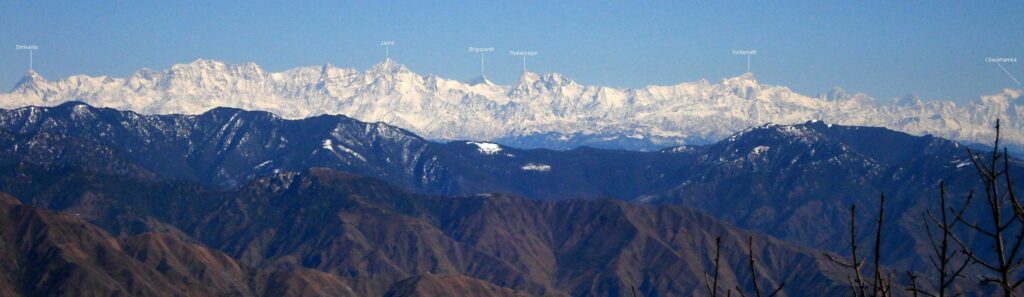
Dominated by Mount Khangchendzonga, the world’s third-highest peak, the park contains glaciers, alpine lakes, forests, and diverse wildlife. It is also sacred to the indigenous Lepcha community, whose traditions and folklore are closely linked to the landscape.

Highlights

  • Mount Khangchendzonga
  • Sacred Himalayan landscapes
  • Glaciers
  • Alpine biodiversity
  • Lepcha cultural traditions
Scroll to Top