Image Source: Kaustav Dutta
About Chilapata Forest
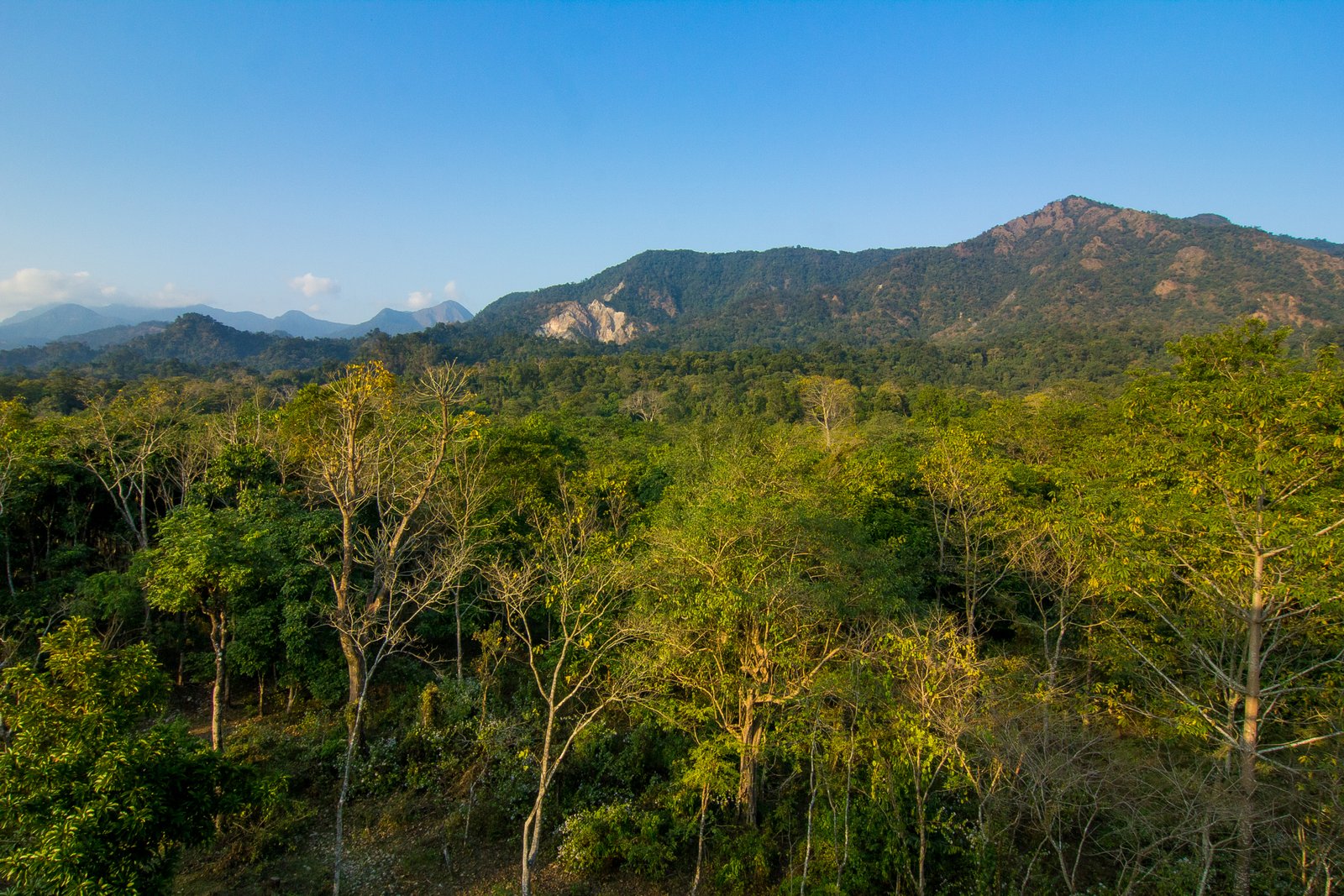
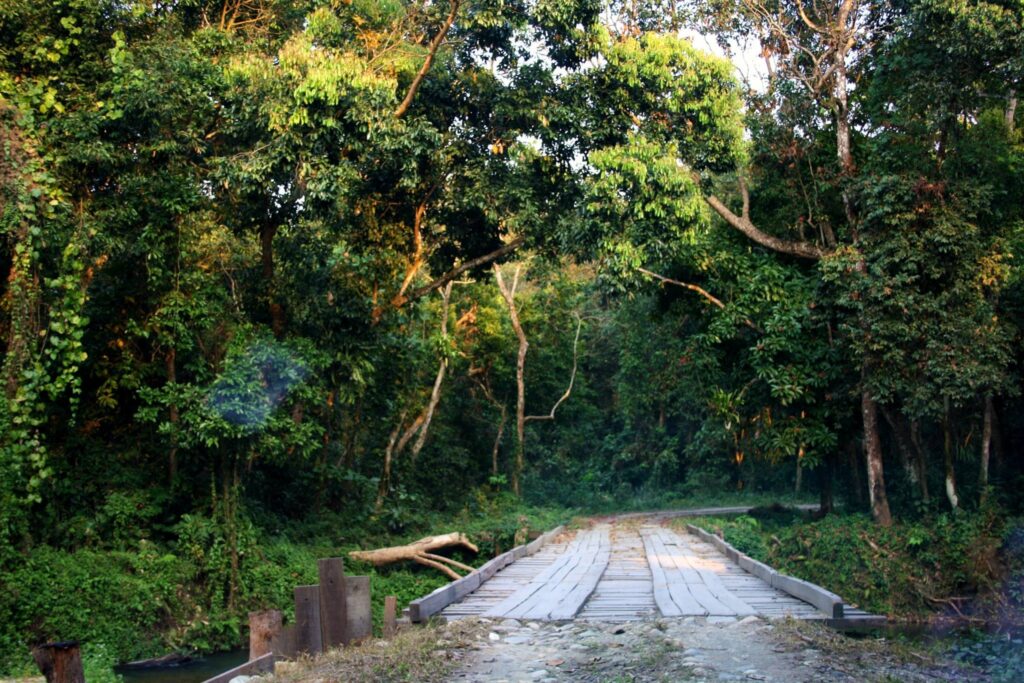
Chilapata Forest, located near Alipurduar in the Dooars region of West Bengal, is a dense and enchanting forest corridor that connects Jaldapara National Park with Buxa Tiger Reserve. Known for its rich biodiversity, thick vegetation, and historical ruins, Chilapata offers a raw and untouched wilderness experience.
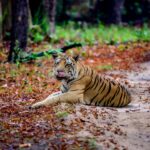
The forest is home to elephants, leopards, rhinoceroses, and several bird species, making it a paradise for wildlife enthusiasts and eco-travelers.
Natural Beauty and Wildlife
The beauty of Chilapata lies in its mysterious forests, where sunlight filters through towering trees, creating a green canopy. The forest is inhabited by Asiatic elephants, Indian bison (gaur), leopards, wild boars, and the rare one-horned rhinoceros that occasionally migrate from Jaldapara.
Birdwatchers can spot hornbills, fishing eagles, and a variety of migratory birds. The forest is also known for butterflies and rare orchids, adding a splash of color to the wilderness.
Historical Significance
Apart from its natural richness, Chilapata houses the Nalraja Garh ruins, an ancient fort believed to date back to the Gupta period (5th–6th century CE). These ruins hidden deep in the forest add a touch of mystery and historical intrigue to the visit.
Activities and Experiences
Visitors can explore the forest through jeep safaris, which provide opportunities to spot elephants, rhinos, and other wildlife. Nature walks, birdwatching tours, and village visits to nearby tribal settlements (like the Rabha and Mech communities) allow tourists to engage with local culture and eco-tourism initiatives.
Best Time to Visit
The best time to explore Chilapata Forest is October to March, when the weather is pleasant, wildlife sightings are more frequent, and safaris are fully operational. The monsoon months (June–September) are best avoided due to heavy rains and restricted safari activities.
How to Reach
By Air: The nearest airport is Bagdogra Airport (170 km), well connected to major cities like Kolkata, Delhi, and Guwahati.
By Rail: The closest railway station is Alipurduar Junction (20 km), a major railhead in North Bengal.
By Road: Chilapata is well connected by road via National Highway 31, with regular buses and taxis available from Siliguri, Cooch Behar, and Alipurduar.
Nearby Attractions
- Nalraja Garh (Approx. 5 km)
An ancient brick fort believed to date back to the Gupta period. Located deep inside the forest, the ruins offer a fascinating blend of history and nature and are accessible through guided forest safaris. - Jaldapara National Park (Approx. 20 km)
One of West Bengal’s premier wildlife destinations, Jaldapara is famous for its population of Indian one-horned rhinoceroses, elephants, bison, deer, and a rich variety of bird species. - Buxa Tiger Reserve (Approx. 30 km)
A vast protected forest known for its diverse wildlife, trekking trails, Buxa Fort, and scenic landscapes in the Eastern Himalayan foothills. - Kodalbasti (Approx. 8 km)
A picturesque eco-tourism village serving as a gateway to Chilapata Forest. It is popular for jungle safaris, nature walks, birdwatching, and homestay experiences. - Mendabari Forest (Approx. 15 km)
A peaceful forest area offering opportunities for wildlife spotting, birdwatching, and experiencing the natural beauty of the Dooars region. - Phuentsholing, Bhutan (Approx. 35 km)
A bustling border town in Bhutan known for its monasteries, parks, shopping areas, and Bhutanese culture. Visitors require valid travel documents to cross the border.
Google Maps
FAQs
1. Where is Chilapata Forest located?
Chilapata Forest is located in the Alipurduar district of West Bengal, between Jaldapara National Park and Buxa Tiger Reserve.
2. Why is Chilapata Forest famous?
The forest is known for its rich biodiversity, elephant corridors, jungle safaris, ancient Nalraja Garh ruins, and excellent birdwatching opportunities.
3. What is the best time to visit Chilapata Forest?
The best time to visit is October to April, when the weather is pleasant and wildlife sightings are more frequent.
4. Which wildlife can be seen in Chilapata Forest?
Visitors may spot elephants, leopards, Indian bison (gaur), deer, wild boars, peacocks, hornbills, butterflies, and numerous bird species.
5. Are jungle safaris available?
Yes. Guided jeep safaris are available and are the best way to explore the forest and visit Nalraja Garh.
6. Is an entry permit required?
Yes. Visitors must obtain entry permits from the Forest Department before entering the reserve or participating in safaris.
7. How much time is needed to explore Chilapata Forest?
A half-day to full-day visit is usually sufficient for a jungle safari and sightseeing.
8. How can I reach Chilapata Forest?
Chilapata Forest is about 20 km from Alipurduar and 40 km from Cooch Behar. The nearest railway stations are Alipurduar Junction and Hasimara, while the nearest airport is Bagdogra Airport. From there, taxis are readily available to reach the forest.