Image Source: JKDs
About Jaldapara National Park
Jaldapara National Park, located in the Alipurduar district of West Bengal, is one of the most renowned wildlife destinations in Eastern India. Spread across lush grasslands, riverine forests, and savannah-like terrain, the park is famous for its thriving population of the Indian one-horned rhinoceros, making it one of the few protected areas in the country where these rare creatures can be sighted. Established initially as a wildlife sanctuary in 1941, Jaldapara was declared a national park in 2014 to safeguard its unique ecosystem.
Wildlife and Biodiversity
The park is home to an astonishing variety of flora and fauna. Alongside the one-horned rhino, visitors may encounter Asian elephants, gaurs (Indian bison), leopards, sambar deer, hog deer, spotted deer, wild boar, and swamp deer. Bird enthusiasts will find Jaldapara particularly rewarding, as it shelters more than 200 species of birds, including the Great Hornbill, Pallas’s Fish Eagle, Pied Hornbill, and Bengal Florican—a critically endangered species. The rivers and wetlands within the park further enrich its ecosystem, supporting reptiles like pythons and gharials.
Safari Experience
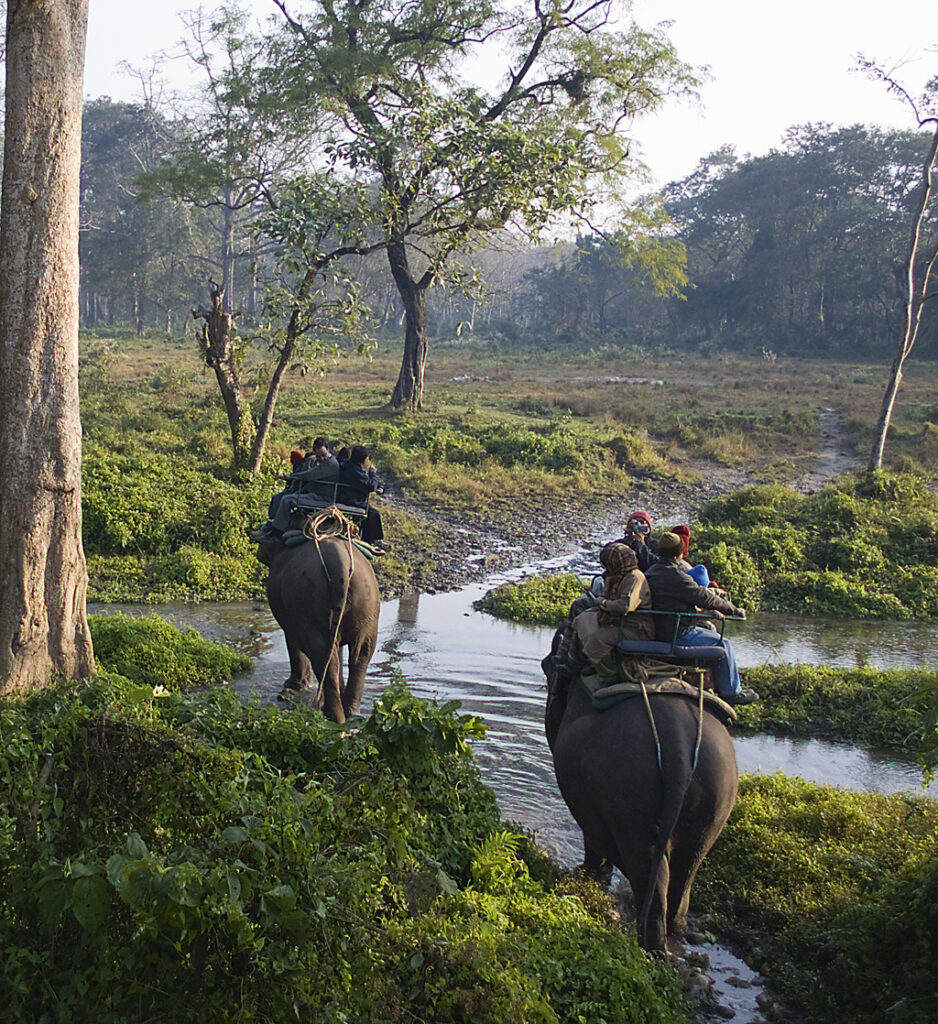
The highlight of Jaldapara is its elephant-back safari, offering a unique opportunity to explore the grasslands from an elevated vantage point while spotting rhinos grazing in their natural habitat. Jeep safaris are another popular way to navigate the terrain and observe the park’s diverse wildlife. The early morning safaris, when the forest comes alive with bird calls and animals are most active, are particularly recommended.
Scenic Beauty and Landscape
Jaldapara’s beauty lies in its wide stretches of grasslands interspersed with tall elephant grasses, river streams, and forest patches. The Torsha River, flowing through the park, adds to its charm and sustains much of the local wildlife. The serene environment, coupled with the thrill of spotting wild animals in their natural habitat, makes it an unforgettable experience for travellers.
Best Time to Visit
The best time to visit Jaldapara National Park is from October to May, when the weather is pleasant and safaris are operational. Winters are ideal for birdwatching, while the pre-monsoon season is perfect for wildlife sightings. The park remains closed during the monsoon months (mid-June to mid-September) due to heavy rainfall.
How to Reach
By Air: The nearest airport is Bagdogra Airport (145 km), well-connected to Kolkata and other major Indian cities.
By Rail: New Alipurduar Junction (20 km) and Hasimara (12 km) are the nearest railway stations, offering easy access to the park.
By Road: Jaldapara is connected by road to Siliguri, Jalpaiguri, and Cooch Behar, with regular bus and cab services available.
Nearby Attractions
- Hollong Tourist Lodge (Within the Park)
Located inside Jaldapara National Park, this forest lodge offers excellent opportunities to observe wildlife, especially the Indian one-horned rhinoceros, elephants, and deer from close range. - Totopara Village (Approx. 22 km)
Home to the indigenous Toto tribe, Totopara offers visitors a chance to experience unique tribal culture, traditional lifestyles, and beautiful Himalayan foothill scenery. - Chilapata Forest (Approx. 20 km)
A dense forest connecting Jaldapara National Park with Buxa Tiger Reserve, Chilapata is known for jungle safaris, elephant corridors, and the historic Nalraja Garh fort. - South Khayerbari Leopard Rescue Centre (Approx. 15 km)
A wildlife rescue and rehabilitation centre where visitors can learn about rescued leopards, tigers, bears, and conservation efforts. - Buxa Tiger Reserve (Approx. 35 km)
A major wildlife reserve featuring dense forests, trekking trails, Buxa Fort, and diverse flora and fauna in the Eastern Himalayan foothills. - Phuentsholing, Bhutan (Approx. 30 km)
A vibrant border town in Bhutan known for its monasteries, gardens, shopping areas, and Bhutanese culture. Visitors need valid travel documents to enter Bhutan.
Google Maps
FAQs
1. Where is Jaldapara National Park located?
Jaldapara National Park is located in the Alipurduar district of West Bengal, in the foothills of the Eastern Himalayas.
2. Why is Jaldapara National Park famous?
The park is famous for its large population of the Indian one-horned rhinoceros, along with elephants, gaur, deer, leopards, and rich birdlife.
3. What is the best time to visit Jaldapara National Park?
The best time to visit is October to May. The park usually remains closed during the monsoon season (June to September).
4. Which animals can be seen in the park?
Visitors may spot one-horned rhinoceroses, Asian elephants, Indian bison (gaur), leopards, sambar, hog deer, wild boars, peacocks, hornbills, and over 200 species of birds.
5. Are safari facilities available?
Yes. Both jeep safaris and elephant safaris (subject to availability and current regulations) are available for wildlife viewing.
6. Is an entry permit required?
Yes. Visitors need entry permits issued by the Forest Department, and safari bookings are required for park entry.
7. How much time is needed to explore Jaldapara National Park?
A 1–2 day trip is ideal for enjoying multiple safaris, birdwatching, and visiting nearby attractions.
8. How can I reach Jaldapara National Park?
The park is about 20 km from Hasimara Railway Station and 60 km from Alipurduar Junction. The nearest airport is Bagdogra Airport, from where taxis and buses are available to reach the park.