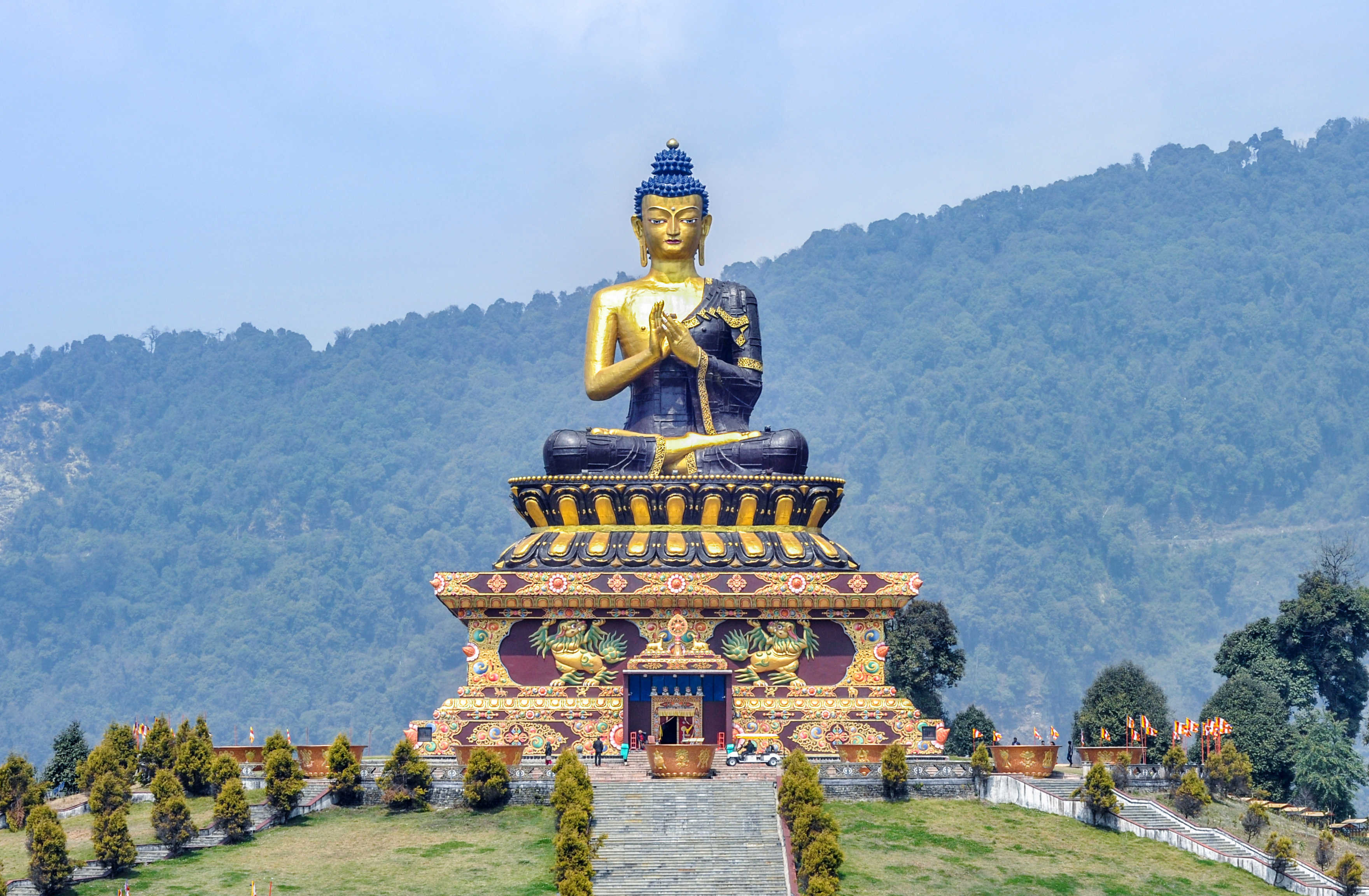
Image Source: Bernard Gagnon
About Kalimpong
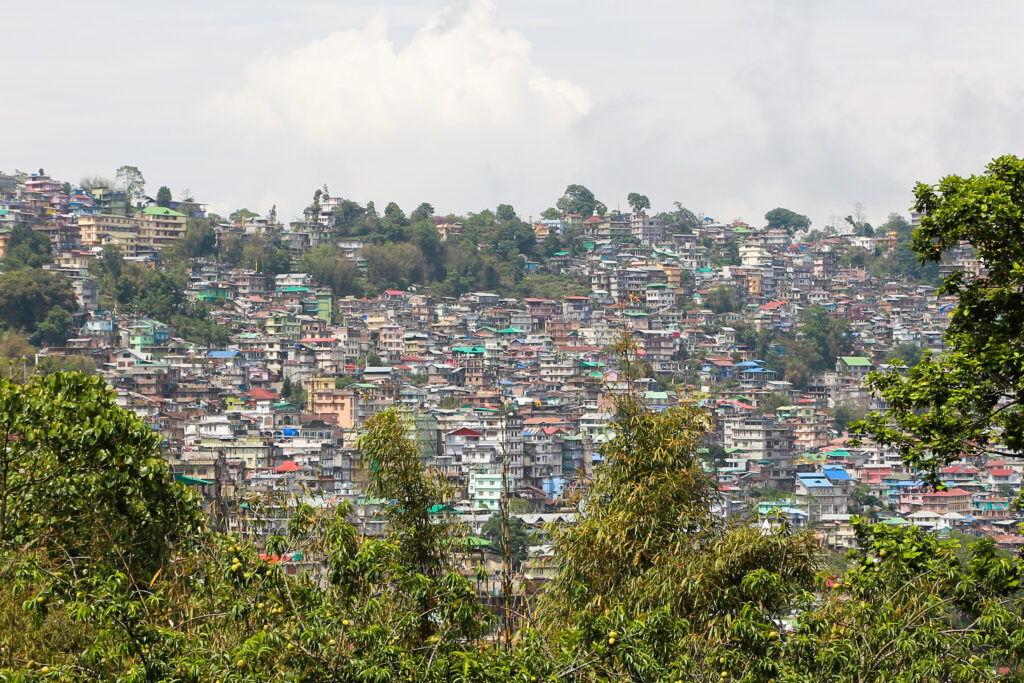
Kalimpong Hill Town, perched at an altitude of around 1,250 meters in the Eastern Himalayas of West Bengal, is a peaceful hill station known for its panoramic views, vibrant flower markets, colonial-era architecture, and Buddhist monasteries. Unlike its busier neighbors Darjeeling and Gangtok, Kalimpong retains an old-world charm, offering travelers a slower pace and a chance to soak in the beauty of nature and cultural diversity. The town is also famous for its orchids, cactus nurseries, and as a trading hub during the Indo-Tibetan trade era.
Attractions
Kalimpong boasts a variety of attractions, from scenic viewpoints to cultural sites. Popular spots include Deolo Hill, which offers breathtaking sunrise views over the Kanchenjunga range, and Durpin Monastery, home to rare Buddhist scriptures. The town is also known for its colonial landmarks like Morgan House and educational institutions such as Dr. Graham’s Homes. Adventure seekers can explore trekking trails around Neora Valley National Park, while nature lovers will enjoy the orchid and cactus nurseries for which Kalimpong is renowned. The bustling Haat Bazaar provides a glimpse into local life with handicrafts, textiles, and fresh produce.
Cultural Significance
Kalimpong reflects a blend of Lepcha, Nepali, Tibetan, and British influences, which is evident in its festivals, cuisines, and architecture. The town was once an important trading center between India and Tibet, and remnants of that legacy can still be seen in its monasteries and cultural practices. The Lepcha heritage is especially prominent, with traditional music, handicrafts, and folklore contributing to the town’s unique identity.
Travel Experience
Travelers to Kalimpong can enjoy a mix of relaxation and exploration. The town is ideal for walking tours through quaint colonial streets, visiting monasteries for peaceful retreats, or indulging in local Tibetan and Nepali delicacies. Kalimpong also serves as a gateway to offbeat destinations in North Bengal, making it a favorite for travelers who seek tranquility away from crowded hill stations.
How to Reach
By Air: The nearest airport is Bagdogra Airport (79 km), well connected to Kolkata, Delhi, and other cities. Taxis and shared cabs are available from the airport to Kalimpong.
By Train: The closest railway station is New Jalpaiguri (NJP) (77 km), a major junction with trains from across India. From NJP, taxis and buses provide direct connectivity.
By Road: Kalimpong is well connected by road with Siliguri (70 km), Darjeeling (50 km), and Gangtok (75 km). Scenic drives through tea gardens and hills enhance the travel experience.
Nearby Attractions to Kalimpong
- Deolo Hill (Approx. 6 km)
The highest point in Kalimpong, Deolo Hill is known for its landscaped gardens, paragliding, adventure sports, and stunning views of the Kanchenjunga range and the Teesta Valley. - Durpin Monastery (Approx. 5 km)
Also known as Zang Dhok Palri Phodang Monastery, this serene Buddhist monastery houses rare Tibetan scriptures and offers panoramic Himalayan views. - Mangal Dham Temple (Approx. 4 km)
A prominent Hindu temple dedicated to Guru Shri Mangal Das Ji, admired for its peaceful ambiance and beautiful architecture. - Pine View Nursery (Approx. 3 km)
One of Asia’s largest cactus nurseries, featuring an impressive collection of cacti, succulents, orchids, and ornamental plants. - Dr. Graham’s Homes (Approx. 2 km)
A historic educational institution established in 1900, known for its Scottish-style architecture, scenic campus, and heritage significance. - Teesta River (Approx. 15 km)
A popular destination for river rafting, picnics, photography, and enjoying the scenic beauty of the Himalayan foothills.
Google Maps
FAQs
1. Where is Kalimpong located?
Kalimpong is a hill town in Kalimpong district, West Bengal, situated in the foothills of the Eastern Himalayas.
2. Why is Kalimpong famous?
Kalimpong is renowned for its pleasant climate, Buddhist monasteries, colonial architecture, flower nurseries, panoramic Himalayan views, and adventure activities.
3. What is the best time to visit Kalimpong?
The best time to visit is from March to May and October to December, when the weather is pleasant and mountain views are at their clearest.
4. What are the top activities in Kalimpong?
Visitors can enjoy sightseeing, paragliding, river rafting, trekking, monastery visits, shopping for handicrafts, and exploring flower and cactus nurseries.
5. Is Kalimpong suitable for family vacations?
Yes. Kalimpong is an excellent destination for families, honeymooners, photographers, nature lovers, and adventure enthusiasts.
6. How many days are enough to explore Kalimpong?
A 2–3 day trip is ideal for exploring the town and nearby attractions at a relaxed pace.
7. Is there snowfall in Kalimpong?
Snowfall is very rare in Kalimpong. However, nearby higher-altitude destinations may receive snow during winter.
8. What can visitors buy in Kalimpong?
Popular souvenirs include Tibetan handicrafts, woollen garments, handmade paper products, local cheese, orchids, flower bulbs, and traditional Himalayan artifacts.
9. Is Kalimpong connected by public transport?
Yes. Shared jeeps, taxis, and buses regularly connect Kalimpong with Darjeeling, Siliguri, Gangtok, and nearby towns.
10. How can I reach Kalimpong?
Kalimpong is about 75 km from New Jalpaiguri (NJP) Railway Station and 80 km from Bagdogra Airport. Taxis, shared jeeps, and buses are readily available from both locations.