Image Source: Kingshuk Mondal
About Cooch Behar Rajbari
Nestled in the historic town of Cooch Behar, Cooch Behar Rajbari stands as one of the most magnificent royal palaces in eastern India. Popularly known as the Victor Jubilee Palace, this grand structure was built in 1887 during the reign of Maharaja Nripendra Narayan, one of the most progressive rulers of the Koch dynasty. The palace beautifully reflects the blend of Indian royalty and European sophistication, making it very different from the traditional palaces found in Rajasthan or central India.
More than just an architectural marvel, the Rajbari represents the glorious heritage of the Koch kingdom and the transformation of Cooch Behar into a modern princely state during the British colonial era. Even today, the palace remains a major cultural and historical landmark of North Bengal, attracting travelers, historians, photographers, and architecture enthusiasts from across the country.
Architectural Beauty of the Palace
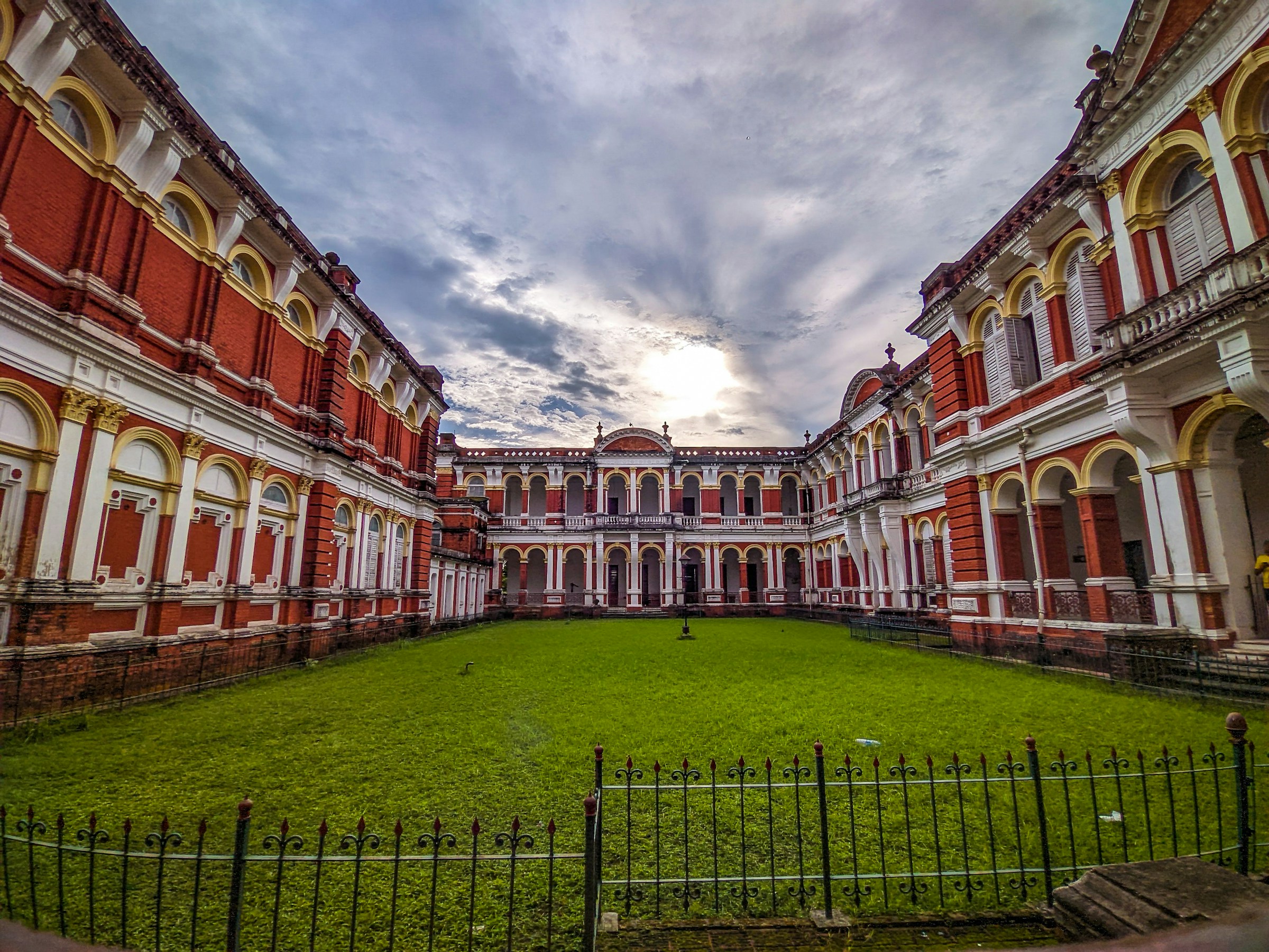
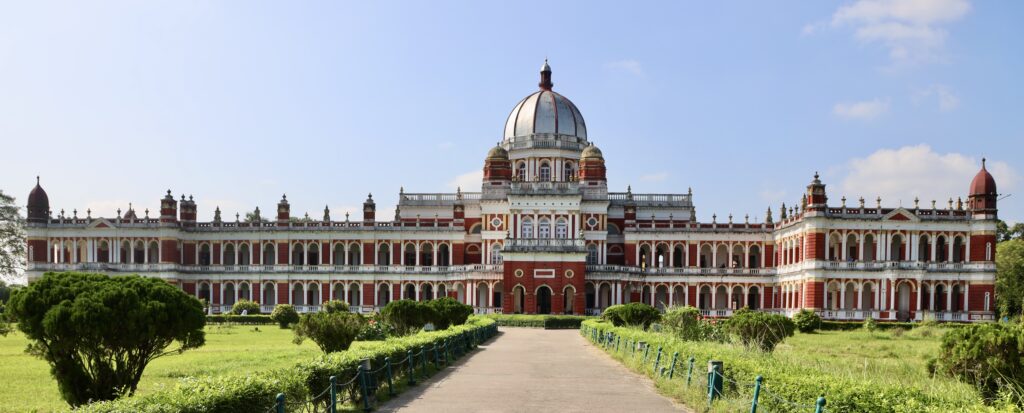
One of the first things visitors notice about Cooch Behar Rajbari is its striking resemblance to European royal buildings. The palace was inspired by the classical Italian Renaissance style and is often compared to Buckingham Palace because of its elegant symmetry and regal appearance. The structure showcases a rare Indo-Saracenic architectural style mixed with strong European influences.
The palace is spread across nearly 51,000 square feet and rises majestically with its two-storied structure, grand entranceways, beautifully designed corridors, and ornamental balconies. Its massive central dome, standing above the palace, instantly captures attention and gives the building a royal identity. The use of Corinthian columns, arched windows, decorative railings, and intricately designed facades adds further sophistication to the structure.
Inside the palace, visitors can explore spacious halls, royal chambers, galleries, and corridors that once hosted royal ceremonies and administrative meetings. The interiors, though simpler today than in their royal days, still reflect the luxurious lifestyle of the Koch rulers. Marble flooring, antique decorations, and old royal furniture create an atmosphere that transports visitors to another era.
Museum and Royal Collections
Today, the Rajbari functions as a museum maintained by the Archaeological Survey authorities, preserving the legacy of the Koch dynasty. The museum houses a fascinating collection of royal artifacts that offer a glimpse into the lives of the former rulers.
Visitors can see antique weapons, swords, hunting equipment, royal costumes, portraits of kings and queens, historical photographs, manuscripts, and rare documents related to the princely state of Cooch Behar. Several galleries also display European-style furniture and decorative objects used by the royal family. For history lovers, the museum serves as an important source of information about the political and cultural evolution of North Bengal.
The palace museum is especially interesting because it showcases how Indian princely states adapted to Western lifestyles while still preserving their own traditions and cultural identity.
Historical and Cultural Importance
Cooch Behar Rajbari is not merely a palace; it symbolizes an important chapter in the history of Bengal and northeastern India. Under Maharaja Nripendra Narayan, the princely state witnessed rapid modernization in areas such as education, administration, infrastructure, and social reform. The ruler introduced progressive ideas influenced by his exposure to British society and European culture.
The palace became the center of governance, diplomacy, and cultural activities. It hosted royal gatherings, social events, and administrative discussions that shaped the future of the region. During this period, Cooch Behar developed into one of the more advanced princely states in India.
The Rajbari also reflects the changing relationship between Indian royalty and the British Empire. Its architecture and planning reveal how Indian rulers embraced European aesthetics while maintaining their royal traditions. Because of this cultural fusion, the palace remains historically unique among India’s royal residences.
Travel Experience at the Palace
A visit to Cooch Behar Rajbari feels like stepping into a forgotten royal world. As visitors walk through the grand corridors and open courtyards, they can imagine the opulence and grandeur of the palace during its golden days. The calm atmosphere and historical surroundings make the experience both educational and visually captivating.
The palace gardens, with their neatly maintained lawns and pathways, offer a pleasant space for relaxation and photography. During the evening, the illuminated palace looks especially enchanting, with its glowing dome and beautifully lit façade creating a magical sight.
Photography enthusiasts particularly enjoy capturing the symmetry of the building, while history lovers spend hours exploring the museum galleries. The palace is also a great destination for families and cultural travelers who want to learn about Bengal’s lesser-known royal heritage.
Best Time to Visit
The ideal time to visit Cooch Behar Rajbari is between October and March, when the weather remains cool and comfortable. Winter enhances the overall travel experience, making it easier to explore the palace grounds and nearby attractions.
The monsoon season brings lush greenery to the region, but heavy rainfall may sometimes affect local travel plans. Summers can be warm and humid, although early morning visits remain pleasant.
Nearby Attractions
While visiting Cooch Behar Rajbari, travelers can also explore several nearby attractions in and around the town. Some popular places include:
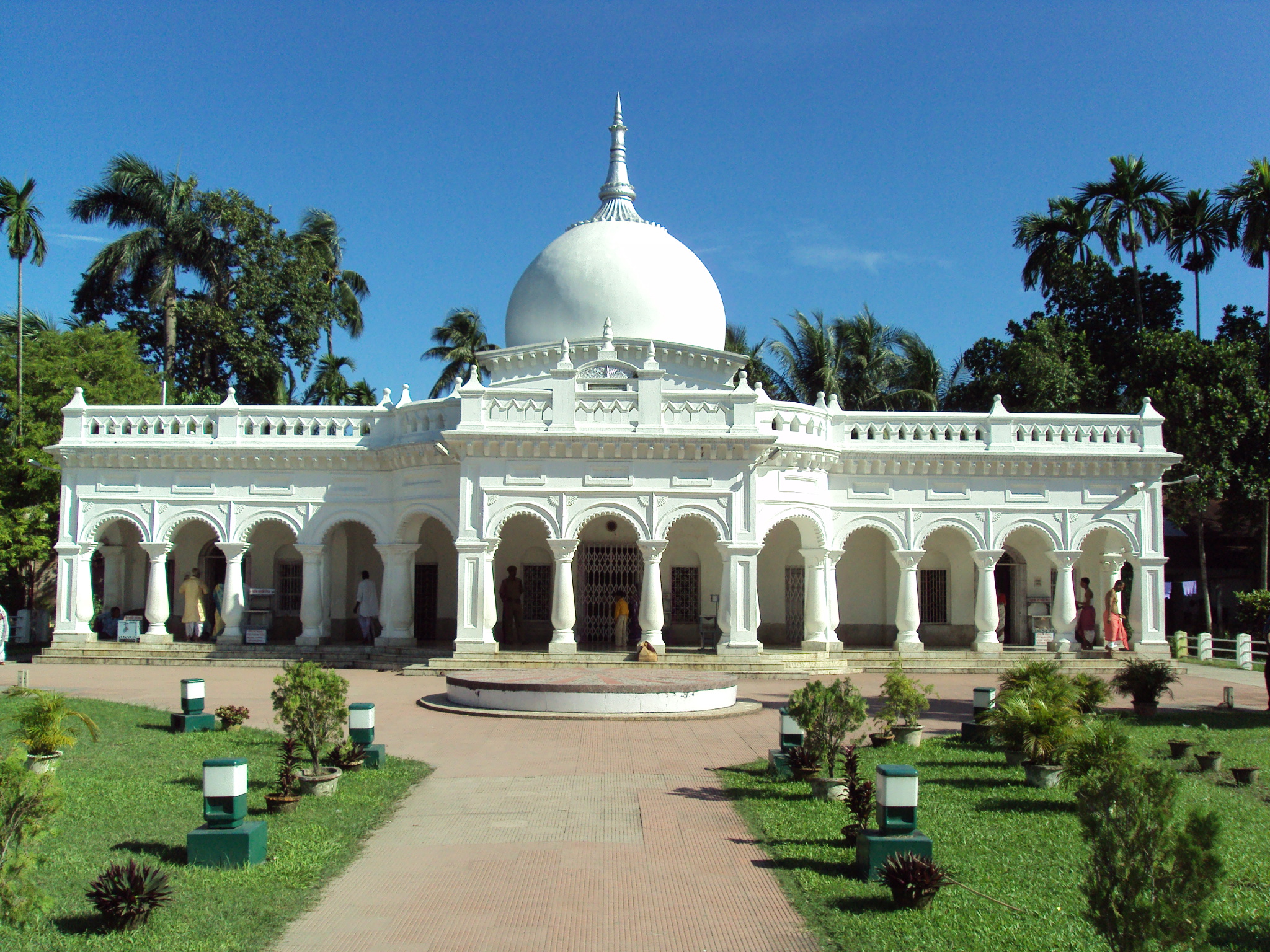
- Madan Mohan Temple – A revered temple dedicated to Lord Krishna.
- Sagar Dighi – A scenic water body surrounded by walking paths and local activity.
- Baneswar Shiva Temple – An ancient temple known for its spiritual importance and sacred turtles.
- Rasik Bil – A peaceful wetland and birdwatching destination near the Bangladesh border.
How to Reach
Cooch Behar is well connected to major cities in eastern and northeastern India through rail and road networks.
By Train
The nearest railway station is Cooch Behar Railway Station, located around 3 km from the palace. Regular trains connect the town with cities like Kolkata, Siliguri, Guwahati, and New Jalpaiguri.
By Air
The nearest major airport is Bagdogra Airport, situated about 160 km away. From the airport, travelers can hire taxis or take buses to reach Cooch Behar.
By Road
Cooch Behar is accessible by highways connecting different parts of West Bengal and Assam. Government buses, private buses, taxis, and auto-rickshaws are easily available for local transportation.
Google Maps
FAQs
1. Where is Cooch Behar Rajbari located?
Cooch Behar Rajbari is located in the heart of Cooch Behar city in the Cooch Behar district of West Bengal.
2. Why is Cooch Behar Rajbari famous?
The palace is famous for its magnificent Indo-European architecture, royal heritage, elegant red-brick façade, grand Durbar Hall, and museum showcasing the history of the Koch dynasty.
3. Who built Cooch Behar Rajbari?
The palace was built by Maharaja Nripendra Narayan in 1887, inspired by London’s Buckingham Palace.
4. What can visitors see inside the palace?
Visitors can explore royal galleries, historical artifacts, paintings, sculptures, photographs, antique furniture, and exhibits related to the Koch royal family.
5. What is the architectural style of the palace?
The palace is built in the Italian Renaissance style, featuring a central dome, arched corridors, classical columns, and symmetrical design.
6. What is the best time to visit Cooch Behar Rajbari?
The best time to visit is from October to March, when the weather is pleasant for sightseeing.
7. Is there an entry fee?
Yes. Visitors are required to pay a nominal entry fee. Charges for cameras or videography may apply separately.
8. How much time is needed to explore the palace?
Most visitors spend 1–2 hours exploring the palace, museum, and surrounding gardens.
9. Is photography allowed inside the palace?
Photography is generally allowed in the exterior areas, while restrictions may apply inside certain museum galleries. Visitors should follow the rules displayed at the site.
10. How can I reach Cooch Behar Rajbari?
The palace is about 2 km from Cooch Behar Railway Station and is easily accessible by taxi, auto-rickshaw, and local buses. The nearest airport is Bagdogra Airport, approximately 150 km away.