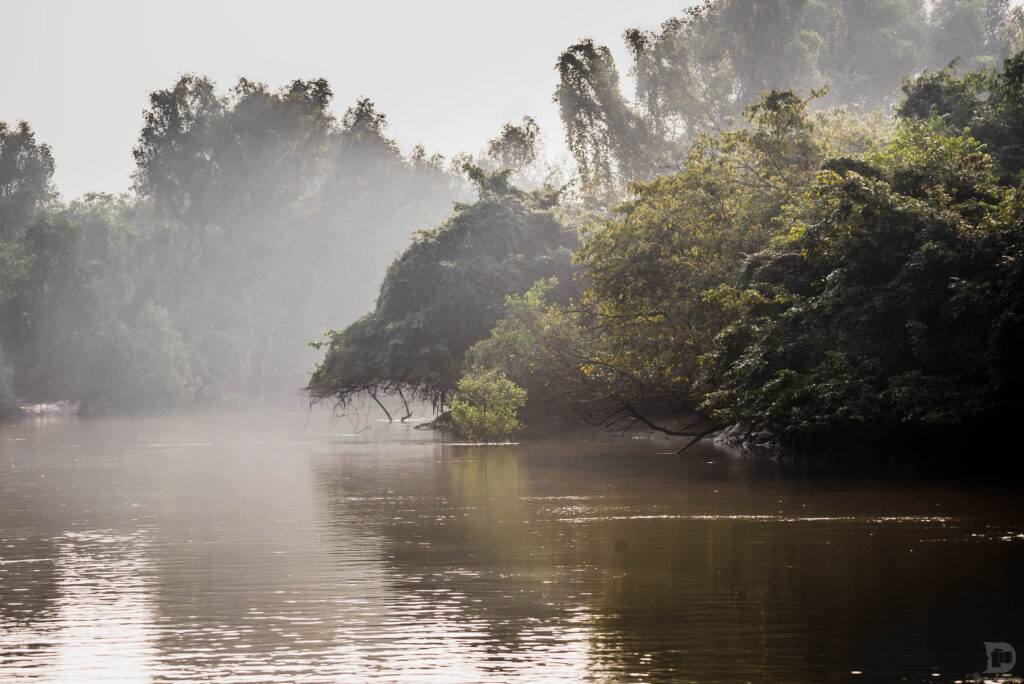
Image Source: Puru150
About Bhitarkanika National Park
Nestled in the Kendrapara district of Odisha, Bhitarkanika National Park is one of India’s most fascinating wetland ecosystems. Famous for its dense mangrove forests, winding waterways, and incredible wildlife, the park is often described as a hidden natural treasure on India’s eastern coast. Covering nearly 672 square kilometres, Bhitarkanika is the second-largest mangrove ecosystem in India after the famous Sundarbans.
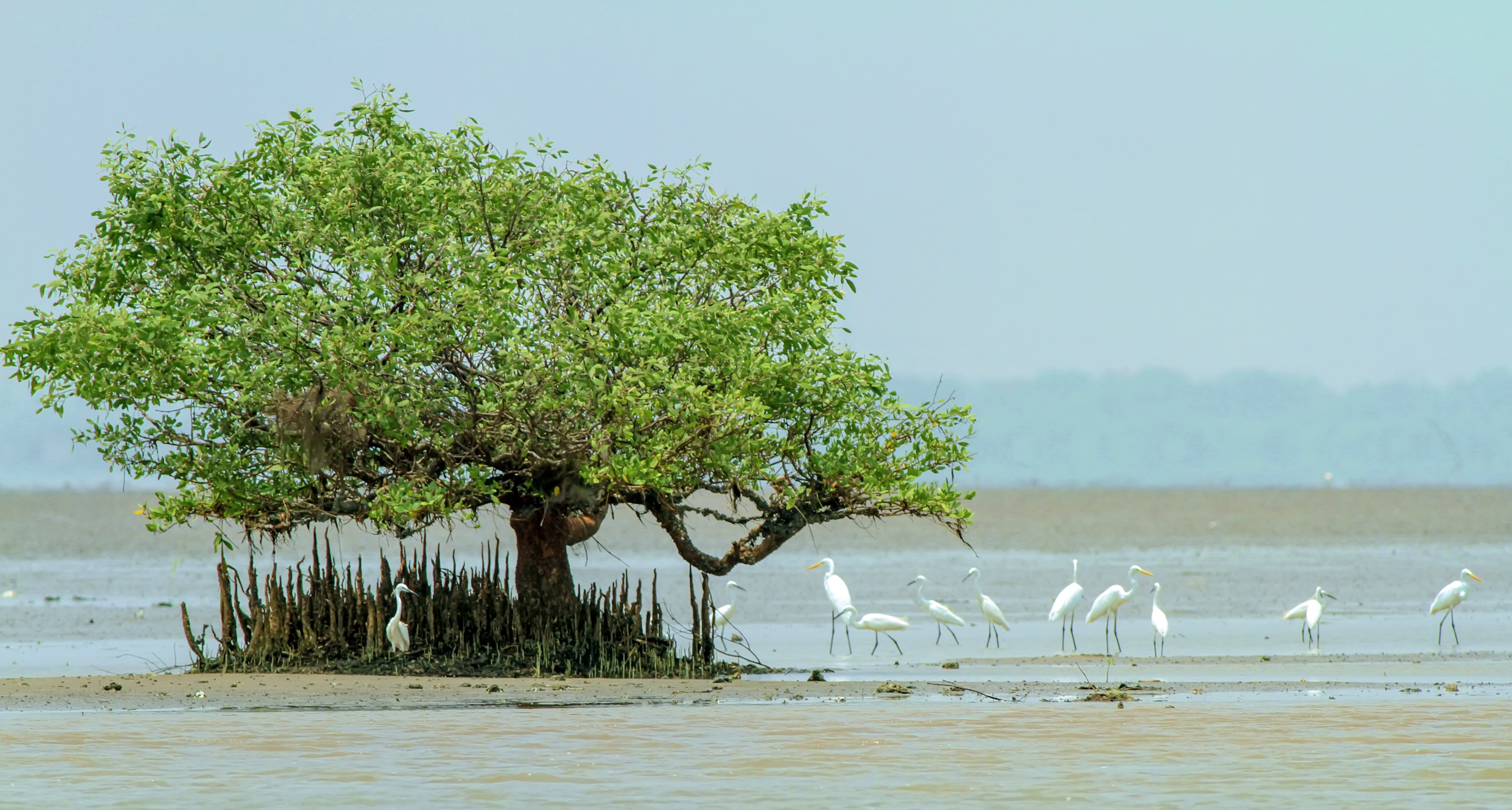
The landscape here is unlike a typical forest. Instead of long stretches of dry land, visitors encounter a maze of rivers, tidal creeks, mudflats, estuaries, and lush mangrove vegetation. This unique environment not only creates breathtaking scenery but also acts as a natural shield against cyclones, coastal erosion, and tidal surges that frequently affect the Bay of Bengal coastline. The park’s peaceful waterways and untouched wilderness make it one of the most ecologically important regions in eastern India.
A Rich and Fragile Mangrove Ecosystem
Bhitarkanika is known for its extraordinary biodiversity and thriving mangrove habitat. The forest contains more than 55 species of mangroves and associated plants, making it one of the richest mangrove ecosystems in the country. These mangroves play a crucial role in maintaining the coastal ecosystem by stabilizing soil, filtering water, and providing breeding grounds for aquatic species.
The park’s wetlands support a vast variety of marine and freshwater life. Fish, crabs, prawns, and mollusks thrive in these nutrient-rich waters, which in turn support larger predators and birdlife. The entire ecosystem functions as a delicate balance between land, river, and sea, making Bhitarkanika a vital ecological hotspot.
Another remarkable feature of the park is its role in protecting the coastline from natural disasters. During cyclones and storms, the thick mangrove forests absorb the force of strong winds and tidal waves, reducing damage to nearby villages and agricultural land. This natural defense system has become increasingly important as coastal regions face the growing impact of climate change.
Home of the Giant Saltwater Crocodiles
One of the biggest attractions of Bhitarkanika National Park is its famous population of estuarine or saltwater crocodiles. The park is home to India’s largest population of these massive reptiles, and some individuals are known to grow over 20 feet in length. Spotting a giant crocodile resting along the muddy riverbanks is an unforgettable experience for visitors.
Conservation efforts in the region have helped revive the crocodile population over the years. The crocodile breeding and conservation programs initiated in Bhitarkanika are considered among India’s major wildlife success stories. Because of these efforts, the park has become internationally recognized for reptile conservation.
Apart from crocodiles, the forest is inhabited by several other reptiles and mammals, including king cobras, Indian pythons, monitor lizards, wild boars, fishing cats, and spotted deer. The dense mangrove vegetation provides a safe shelter for countless species that depend on this wetland habitat for survival.
Birdwatcher’s Paradise
Bhitarkanika is also a dream destination for bird lovers. During the winter months, thousands of migratory birds arrive from Central Asia and Europe, transforming the wetlands into a vibrant bird sanctuary. The park’s marshes, mudflats, and shallow waters offer ideal feeding and nesting grounds for numerous avian species.
Visitors commonly spot open-billed storks, egrets, darters, black ibises, kingfishers, herons, and cormorants throughout the park. The sound of birds echoing through the mangroves creates a magical atmosphere, especially during sunrise and sunset boat rides.
The nearby beaches and coastal areas are also important nesting sites for the endangered olive ridley sea turtles. Every year, thousands of these turtles arrive along Odisha’s coast for mass nesting, a natural phenomenon that attracts wildlife enthusiasts and researchers from around the world.
Major Attractions Inside the Park
One of the most popular attractions inside Bhitarkanika is the Dangmal Crocodile Breeding and Research Centre. This conservation centre provides insight into crocodile breeding programs and wildlife preservation efforts in the region. Visitors can observe young crocodiles and learn about the importance of protecting endangered reptile species.
Boat safaris are the highlight of any visit to Bhitarkanika. Since much of the park is accessible only through waterways, exploring the mangroves by boat offers a close connection with nature. As boats glide through narrow creeks shaded by mangrove trees, visitors often witness crocodiles basking on riverbanks, birds flying overhead, and deer quietly moving through the forest edges.
Nature lovers can also explore forest trails and watchtowers located in different parts of the park. These areas provide opportunities to experience Odisha’s wilderness in a calm and peaceful setting away from crowded tourist destinations.
Best Time to Visit Bhitarkanika
The best time to visit Bhitarkanika National Park is between November and March. During these months, the weather remains cool and pleasant, making outdoor exploration comfortable and enjoyable. Wildlife sightings are also more frequent during winter, especially birdwatching opportunities when migratory birds arrive in large numbers.
Boat rides during this season are safer and more scenic because the waterways remain calm and accessible. Early mornings are particularly beautiful, with mist-covered creeks and active wildlife creating unforgettable views.
The monsoon season, usually from June to September, is less suitable for tourism due to heavy rainfall and flooding in many areas of the park. Water levels rise significantly during this time, and some routes may become inaccessible.
How to Reach Bhitarkanika National Park
Bhitarkanika is well connected to major cities in Odisha through road networks. The nearest town to the park is Kendrapara, located around 50 kilometres away. The closest airport is in Bhubaneswar, approximately 130 kilometres from the park.
From Bhubaneswar, travellers can hire taxis or take buses toward Chandbali, Rajnagar, or Gupti, which serve as the main entry points to the national park. From these locations, boats are available to transport visitors deep into the mangrove forests.
The nearest major railway station is Cuttack, situated around 100 kilometres away. From Cuttack, visitors can continue their journey by road to the park’s entry zones.
Nearby Attractions
- Dangamal Crocodile Conservation Complex (Within Bhitarkanika National Park) – One of the park’s main attractions, Dangamal is home to a crocodile breeding and research center where visitors can learn about the conservation of the endangered saltwater crocodile. Nature trails and watchtowers also provide excellent opportunities for wildlife observation.
- Bagagahana Bird Sanctuary (Within the National Park) – A paradise for birdwatchers, Bagagahana is known for its large nesting colonies of resident and migratory birds. During the winter months, thousands of birds flock here, making it one of Odisha’s finest birding destinations.
- Habalikhati Beach (Around 15 km by boat) – Located where the Bhitarkanika estuary meets the Bay of Bengal, this secluded beach offers pristine sands, peaceful surroundings, and occasional sightings of Olive Ridley sea turtles during the nesting season.
- Ekakula Beach (Around 20 km by boat) – A tranquil and relatively untouched beach surrounded by mangroves, Ekakula is famous for its scenic beauty, migratory birds, and turtle nesting activity. It is accessible only by boat through the park’s waterways.
- Gupti Mangrove Forest (About 10 km) – One of the main entry points to Bhitarkanika National Park, Gupti is surrounded by dense mangrove forests and offers boat safaris through narrow creeks where visitors can spot crocodiles, birds, and other wildlife.
- Khola Eco-Tourism Complex (Around 12 km) – Another popular gateway to the national park, Khola provides boating facilities, eco-cottages, interpretation centers, and guided tours into the mangrove ecosystem.
- Gahirmatha Marine Sanctuary (Around 30 km) – Located along the Odisha coast, this marine sanctuary is world-famous as one of the largest nesting grounds of the endangered Olive Ridley sea turtles. The nesting season, usually between February and March, attracts wildlife enthusiasts from around the globe.
- Hukitola Island (Around 35 km) – This historic island features an old colonial-era building believed to have been used by British officials. Surrounded by rivers and mangroves, it offers a unique blend of history and natural beauty.
- Batighar Lighthouse (Around 45 km) – Situated near the coast, this lighthouse offers panoramic views of the Bay of Bengal, nearby estuaries, and the surrounding coastal landscape.
- Kendrapara Town (Around 55 km) – The district headquarters serves as a convenient base for travelers visiting Bhitarkanika. It offers hotels, restaurants, local markets, and easy road connectivity to the park’s entry points.
Conservation Importance
Bhitarkanika National Park is not just a tourist destination but also a globally significant conservation area. The park protects fragile mangrove ecosystems that support thousands of species and help maintain the ecological balance of the coastal region. Conservation programs focusing on crocodiles, turtles, and mangrove restoration have played an important role in preserving this biodiversity hotspot.
As environmental challenges such as rising sea levels and habitat destruction continue to threaten coastal ecosystems, Bhitarkanika stands as an important reminder of the need to protect natural wetlands for future generations.
Google Maps
FAQs
Why is Bhitarkanika National Park famous?
Bhitarkanika is famous for its dense mangrove forests and its large population of saltwater crocodiles. It is also known for rich birdlife, scenic waterways, and ecological importance.
Which animals can be seen in Bhitarkanika?
Visitors can spot saltwater crocodiles, king cobras, pythons, monitor lizards, spotted deer, wild boars, fishing cats, and numerous migratory birds.
What is the best activity in Bhitarkanika?
Boat safaris through the mangrove creeks are considered the best experience because they offer close views of crocodiles, birds, and the forest ecosystem.
When is the best time to visit Bhitarkanika National Park?
The ideal time to visit is from November to March when the weather is pleasant and wildlife sightings are more frequent.
Is Bhitarkanika suitable for birdwatching?
Yes, Bhitarkanika is one of the best birdwatching destinations in eastern India, especially during winter when migratory birds arrive.
How many species of mangroves are found in Bhitarkanika?
The park is home to more than 55 species of mangroves and associated plants.
Can tourists stay inside the park?
Yes, limited forest lodges and eco-tourism accommodations are available near the park for visitors who wish to stay overnight and explore the area in detail.
Is Bhitarkanika connected by road?
Yes, the park is accessible by road from Bhubaneswar, Cuttack, Kendrapara, and nearby towns, followed by boat access into the mangrove region.