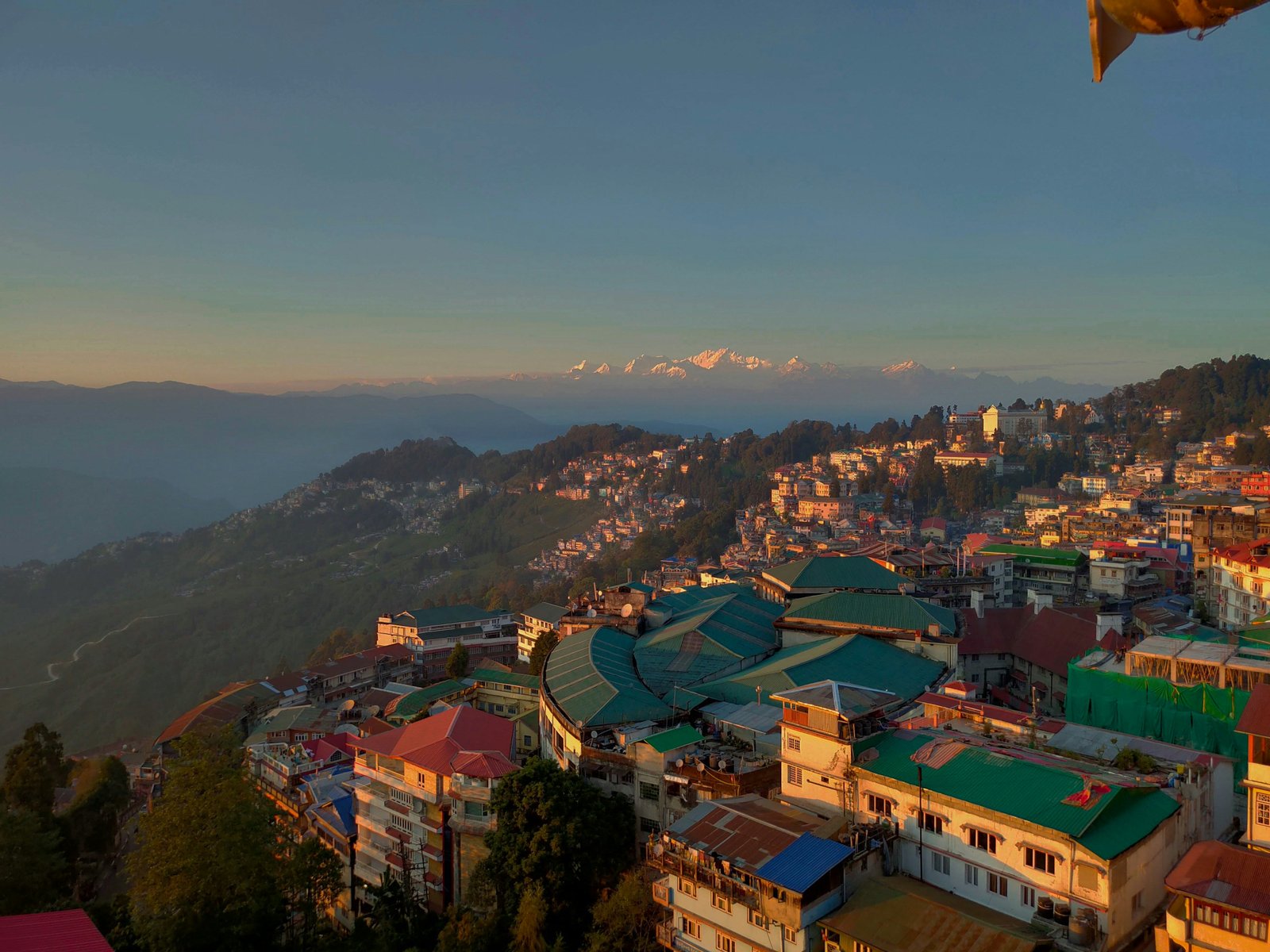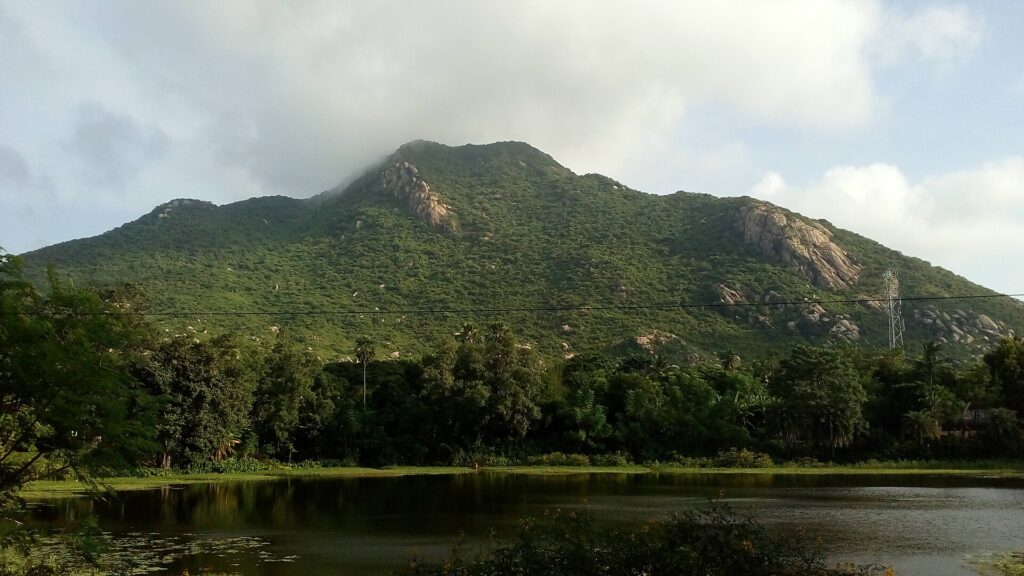
Image Source: Sreejeetmaity1998
About Simlipal National Park
Nestled in the northern part of Odisha, Simlipal National Park is one of India’s most spectacular wilderness regions. Known for its dense forests, roaring waterfalls, rich wildlife, and vibrant tribal culture, the park is a paradise for nature lovers and adventure seekers alike. Spread across more than 2,750 square kilometers, Simlipal is among the largest tiger reserves in the country and has also earned recognition as a UNESCO Biosphere Reserve because of its ecological importance.
The name “Simlipal” comes from the abundance of red silk cotton trees, locally known as “Simul,” which bloom beautifully across the forest during certain seasons. Their bright red flowers add vivid color to the landscape and create a striking contrast against the deep green forests.
A Land of Untouched Natural Beauty
Simlipal is famous for its breathtaking scenery and unspoiled wilderness. The park is covered with thick sal forests, grassy meadows, winding rivers, and rolling hills that create a peaceful and refreshing atmosphere. Unlike heavily commercialized tourist destinations, Simlipal still retains a raw and untouched charm that makes visitors feel closely connected to nature.
One of the biggest attractions inside the reserve is its stunning waterfalls. Barehipani Falls, one of the tallest waterfalls in India, cascades dramatically from a great height through forested cliffs, creating a mesmerizing view. Another beautiful waterfall, Joranda Falls, is equally captivating and draws photographers and nature enthusiasts throughout the year. During the post-monsoon and winter seasons, these waterfalls appear especially majestic as the surrounding forests become lush and vibrant.
The reserve is also crossed by numerous streams and rivers that support the region’s rich biodiversity. Misty mornings, bird calls echoing through the forest, and the cool breeze flowing through the trees make Simlipal a peaceful escape from city life.
Wildlife and Biodiversity
Simlipal National Park is one of the most important wildlife habitats in eastern India. The reserve is home to a wide range of animals, including Bengal tigers, leopards, Asian elephants, gaur, wild boars, and several species of deer. The park once gained attention for its rare melanistic or black tigers, which are occasionally sighted in the forests of Odisha.
Apart from large mammals, the forest shelters reptiles, amphibians, and an extraordinary variety of birds. More than 230 species of birds have been recorded here, making it an excellent destination for birdwatching. Species such as hornbills, peafowls, eagles, and hill mynas are commonly spotted in different parts of the reserve.
The plant diversity of Simlipal is equally impressive. Thousands of plant species grow within the biosphere reserve, including medicinal herbs, orchids, bamboo, and tropical trees. Many of these plants are traditionally used by tribal communities for healing and daily life.
Because of its rich ecosystem, Simlipal plays a major role in wildlife conservation and environmental protection in India.
Tribal Culture and Indigenous Communities
Beyond its forests and wildlife, Simlipal is deeply connected with the culture and traditions of indigenous tribal communities. Tribes such as the Santhals, Kolhas, Mankidias, and Bhumijas have lived around these forests for generations. Their lifestyle remains closely tied to nature, and they possess extensive knowledge of forest resources, medicinal plants, and sustainable living practices.
These communities celebrate colorful festivals, traditional dances, folk music, and rituals that reflect their deep respect for the natural world. Visitors participating in eco-tourism activities may get opportunities to witness local handicrafts, traditional cooking methods, and cultural performances.
The relationship between the tribal communities and the forest is an important part of Simlipal’s identity. Their traditional ecological knowledge has helped preserve the biodiversity of the region for centuries.
Adventure and Eco-Tourism Activities
Simlipal offers much more than wildlife viewing. It is an ideal destination for travelers who enjoy outdoor adventures and eco-tourism experiences. Jeep safaris are one of the most popular activities, allowing visitors to explore the dense forest interiors while spotting animals and scenic landscapes along the way.
The park also has trekking routes that pass through forest trails, streams, and hilly terrain, giving travelers a closer experience of the wilderness. Birdwatching is another rewarding activity, especially during the early morning hours when the forest becomes alive with bird calls.
Nature photography is highly popular here because every corner of the reserve offers scenic beauty — from sunlit forests and waterfalls to rare wildlife sightings. Researchers, students, and conservationists also visit Simlipal to study its ecology, biodiversity, and tribal heritage.
Eco-tourism initiatives in the region aim to promote sustainable travel while supporting local communities and wildlife conservation.
Best Time to Visit
The best time to visit Simlipal National Park is between November and June. During these months, the weather remains pleasant, roads are accessible, and wildlife sightings become more common around water sources.
Winter is especially comfortable for sightseeing and safaris, while the early summer season offers better chances of spotting animals. The monsoon season is generally avoided because heavy rainfall makes forest routes difficult to access, and many areas remain closed for visitor safety and conservation purposes.
How to Reach Simlipal National Park
By Road
Simlipal is well connected by road to nearby towns and cities. Baripada, located around 22 kilometers from the park, serves as the main gateway. Travelers can also reach the reserve from Balasore, Jamshedpur, Kolkata, and Bhubaneswar through road networks.
By Rail
The nearest railway stations are Baripada and Balasore. Balasore Railway Station has better connectivity with major Indian cities, making it a convenient option for travelers arriving by train.
By Air
The nearest airport is Biju Patnaik International Airport in Bhubaneswar, approximately 270 kilometers away. From there, visitors can continue their journey by road to reach the national park.
Nearby Attractions
- Barehipani Waterfall (Within Similipal National Park) – The highest waterfall in Odisha and one of the tallest in India, Barehipani is a magnificent two-tiered cascade dropping nearly 399 metres through dense forests. It is one of the park’s most iconic attractions.
- Joranda Waterfall (Within the park) – A spectacular single-drop waterfall surrounded by thick sal forests, Joranda Waterfall offers breathtaking views from a designated viewpoint and is a must-visit during a safari in Similipal.
- Chahala Nature Camp (Within the park) – One of the best wildlife-viewing locations in Similipal, Chahala is known for its watchtower overlooking a salt lick where visitors frequently spot elephants, gaur, deer, and a variety of birds.
- Lulung Nature Camp (About 25 km from the park entrance) – Situated on the banks of the Palpala River, Lulung serves as a gateway to Similipal and offers eco-friendly accommodation, birdwatching opportunities, and peaceful forest surroundings.
- Uski Waterfall (Within the Similipal landscape) – A lesser-known waterfall nestled inside the forest, Uski Waterfall is ideal for visitors seeking a quiet natural retreat away from the main tourist spots.
- Devkund Waterfall (Around 70 km) – One of Odisha’s most beautiful waterfalls, Devkund is famous for its crystal-clear pool, sacred Ambika Temple, and scenic trekking trail through the forest.
- Belgadia Palace (Around 80 km) – A beautifully restored 18th-century royal palace near Baripada, Belgadia Palace offers visitors a glimpse into the royal heritage of the former Mayurbhanj kingdom and now operates as a heritage hotel.
- Kichakeswari Temple, Khiching (Around 95 km) – This ancient temple, dedicated to Goddess Kichakeswari, is renowned for its remarkable black stone architecture and historical importance dating back to the Bhanja dynasty.
- Baripada (Around 60 km) – The district headquarters of Mayurbhanj, Baripada is known for its Jagannath Temple, vibrant local markets, handicrafts, traditional Mayurbhanj Chhau dance, and authentic Odia cuisine.
- Ramtirtha Crocodile Breeding Centre (Around 75 km) – Located on the banks of the Khairi River, this conservation centre focuses on breeding and protecting mugger crocodiles and is an excellent educational stop for families and wildlife enthusiasts.
Conservation Importance
Simlipal is not just a tourist attraction; it is one of India’s most ecologically sensitive regions. The reserve plays a vital role in conserving endangered species, maintaining forest ecosystems, and protecting water resources in Odisha. Conservation programs here focus on tiger protection, habitat restoration, anti-poaching measures, and community participation.
The biosphere reserve also highlights the importance of balancing environmental conservation with the livelihoods of indigenous communities living near the forest.
Google Maps
FAQs
1. Why is Simlipal National Park famous?
Simlipal is famous for its tiger reserve, waterfalls, rich biodiversity, dense forests, and tribal culture. It is also recognized as a UNESCO Biosphere Reserve.
2. Which animals can be seen in Simlipal?
Visitors may spot Bengal tigers, elephants, leopards, gaur, deer, wild boars, and many species of birds and reptiles.
3. What are the main attractions inside Simlipal?
Major attractions include Barehipani Falls, Joranda Falls, jungle safaris, forest trails, and birdwatching spots.
4. Is Simlipal suitable for family trips?
Yes, Simlipal is suitable for families, nature lovers, wildlife photographers, and adventure travelers seeking a peaceful natural environment.
5. Are safaris available in Simlipal National Park?
Yes, jeep safaris are available and are one of the best ways to explore the forest and observe wildlife.
6. What is the best season to visit Simlipal?
The ideal season is from November to June when the weather is pleasant and wildlife sightings are more frequent.
7. Is permission required to enter the park?
Yes, visitors generally need entry permits and safari permissions, which are regulated by forest authorities to ensure conservation and controlled tourism.
8. Can tourists stay inside the reserve?
Yes, eco-tourism accommodations and forest rest houses are available in selected areas near the park, offering visitors a close-to-nature experience.