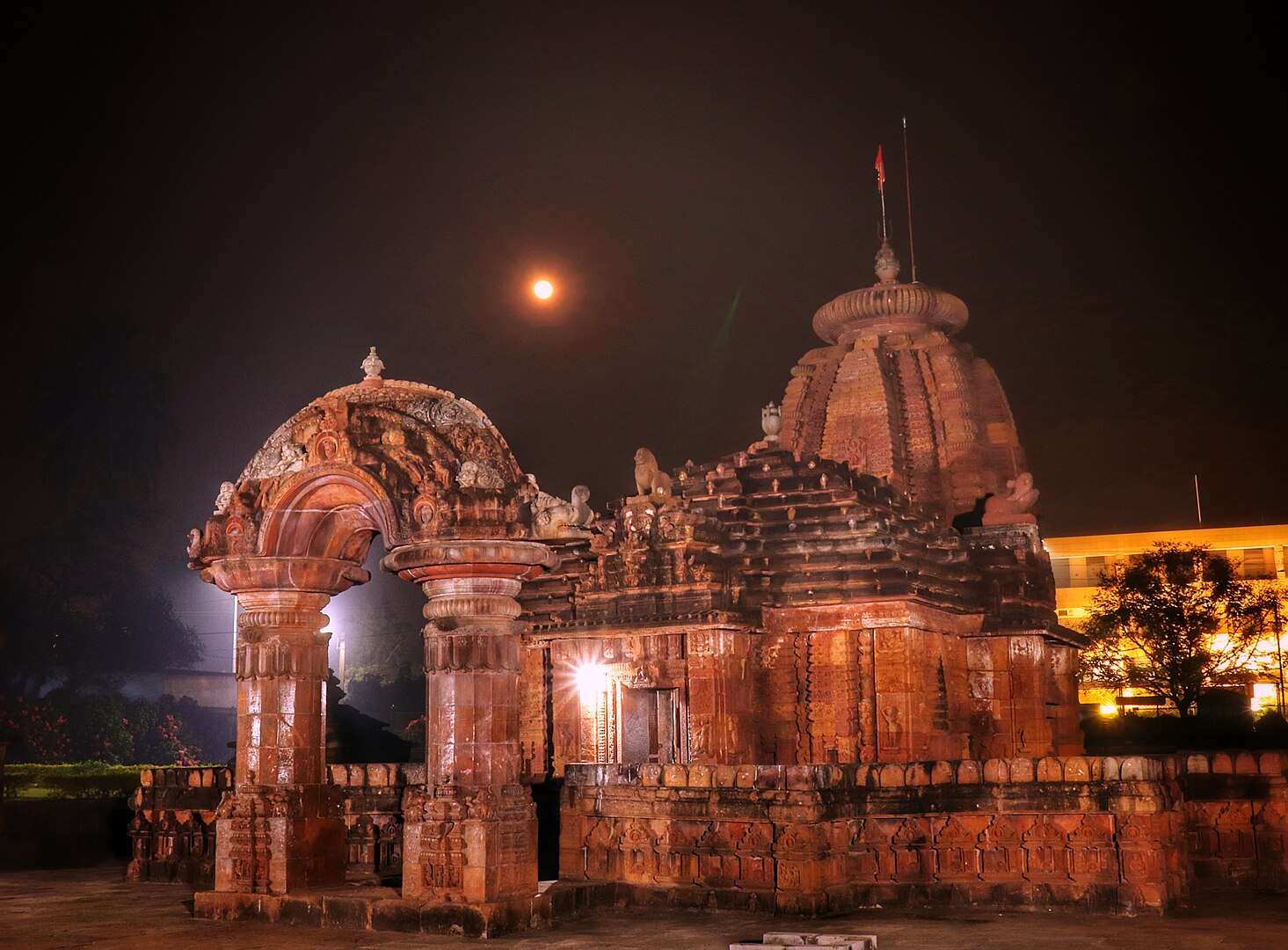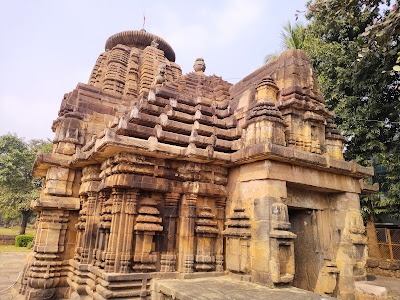
Image Source: santosh kumar
About Siddheswar Temple
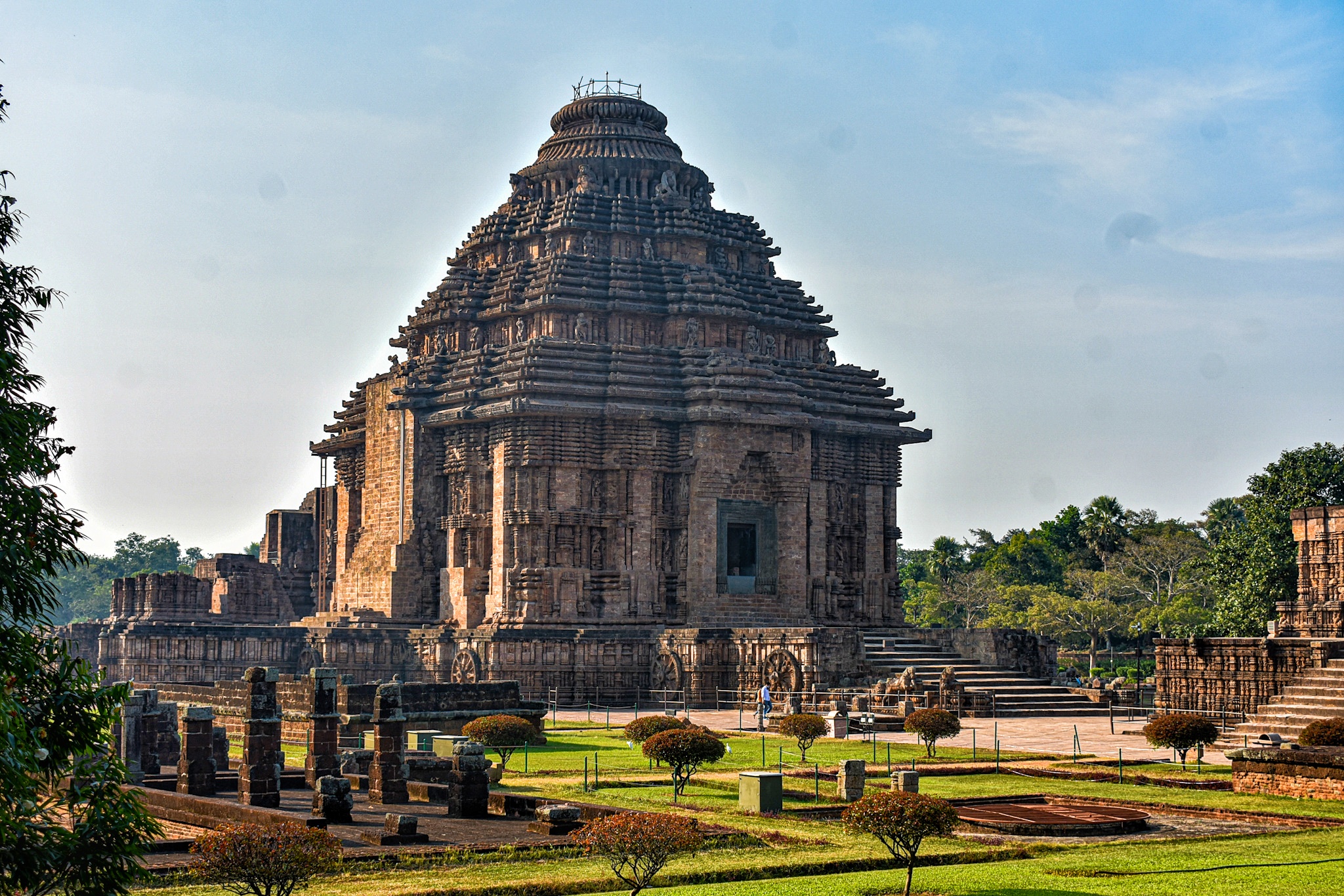
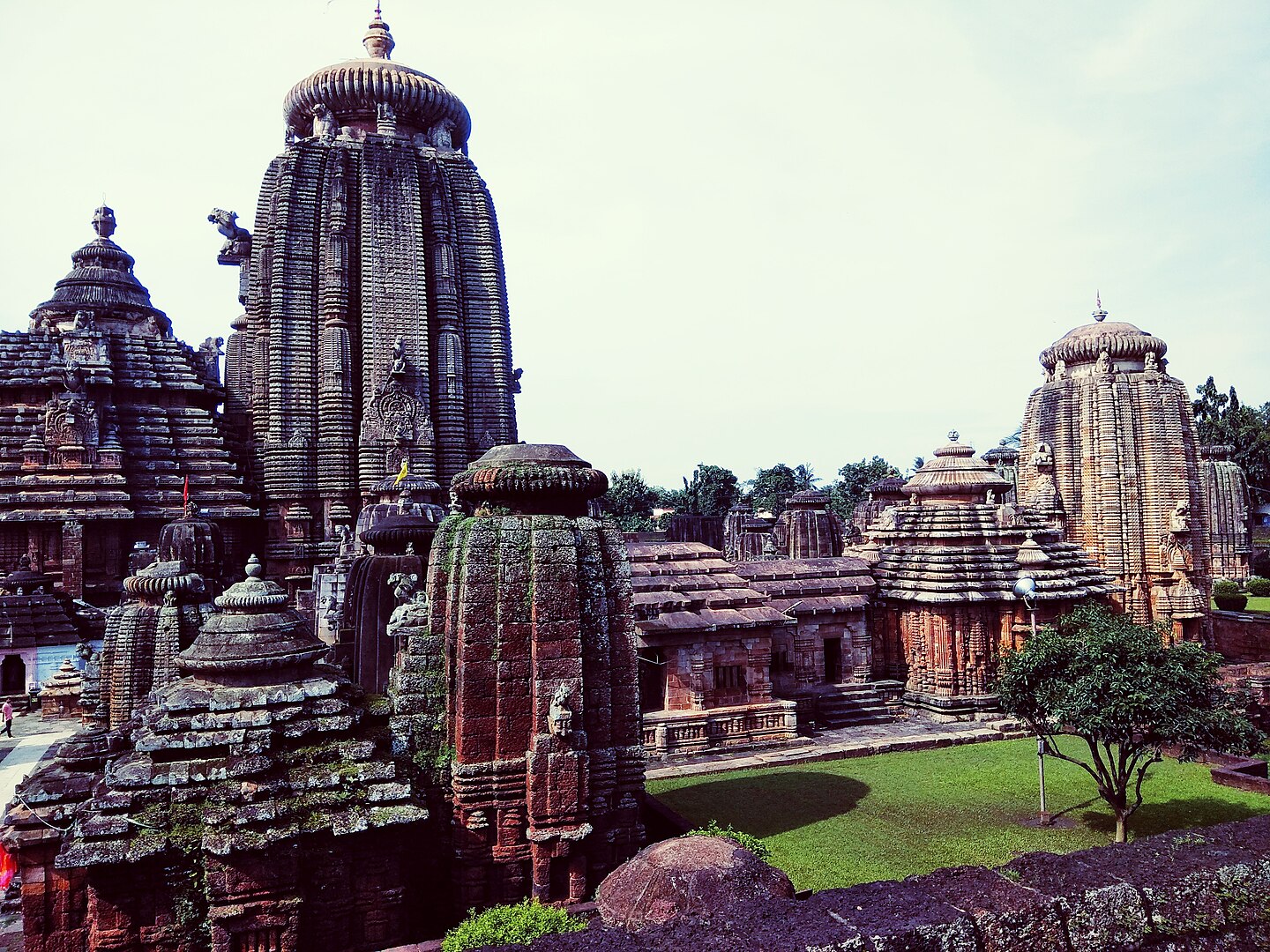
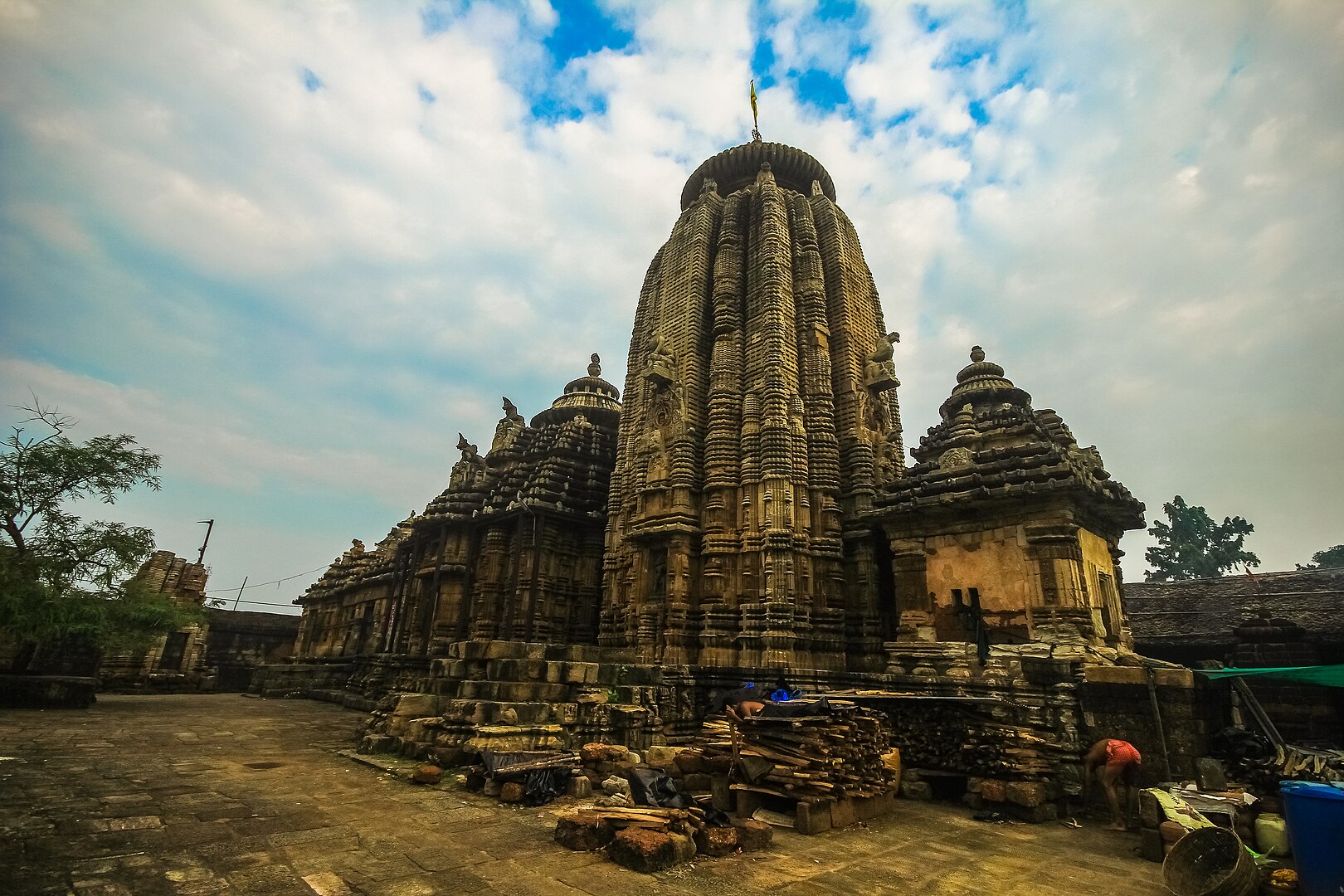
Tucked away in the historic lanes of Bhubaneswar, the Siddheswar Temple feels like a quiet secret waiting to be discovered. While famous shrines like Lingaraja Temple and Mukteshwar Temple draw large crowds, Siddheswar stands peacefully in the background, preserving the charm of ancient Kalinga architecture without the noise.
Dedicated to Lord Shiva, this small yet soulful temple reflects the deep spiritual roots and cultural richness that define Odisha’s temple heritage.
History of Siddheswar Temple
Dating back to the 7th–8th century CE, Siddheswar Temple is believed to have been built during the rule of the Sailodbhava dynasty, who were strong followers of Shaivism. The name “Siddheswar” translates to Lord of Attainment, symbolizing Shiva as the one who grants wisdom, fulfillment, and liberation.
Even though it doesn’t have as much recorded history as some of Bhubaneswar’s larger temples, it still plays an important role in understanding how temple architecture evolved in the region. It represents one of the earlier phases of the iconic Kalinga style.
Architecture
The temple follows the classic Rekha Deula style, known for its tall, curving spire. Inside, the sanctum houses a Shiva Lingam, while the outer walls are decorated with delicate carvings—ranging from divine figures to floral patterns and miniature shrines.
What makes Siddheswar special is its simplicity. It may not be as elaborate as other temples, but that’s exactly what gives it a calm, meditative atmosphere. The craftsmanship is subtle yet refined, showing the skill of Odisha’s ancient artisans.
Religious Significance
For devotees of Lord Shiva, Siddheswar Temple holds a quiet but meaningful place. It’s often associated with inner peace, meditation, and spiritual cleansing.
During festivals like Maha Shivaratri, the temple comes alive as locals gather for prayers and rituals. On regular days, though, it remains a serene spot—perfect for those looking to step away from the crowds and connect with a more personal form of devotion.
How to Reach Siddheswar Temple
Siddheswar Temple is easily accessible since it’s located right in Bhubaneswar, often called the “Temple City of India.”
- By Air: The nearest airport is Biju Patnaik International Airport, just about 4–5 km away, with good connectivity to major cities.
- By Train: Bhubaneswar Railway Station is around 3–4 km from the temple and is well connected to cities like Delhi, Kolkata, and Chennai.
- By Road: The city is linked via NH-16, and buses operated by Odisha State Road Transport Corporation (OSRTC), along with taxis and auto-rickshaws, make reaching the temple simple and convenient.
Nearby Attractions to Siddheswar Temple, Bhubaneswar
- Mukteswara Temple (about 150 m) – One of the finest examples of Kalinga architecture, renowned for its beautifully carved stone torana (arched gateway) and intricate sculptures.
- Parashurameswar Temple (about 200 m) – A 7th-century Shiva temple and one of the oldest surviving temples in Bhubaneswar, admired for its early Kalinga architectural style.
- Kedar Gouri Temple (about 300 m) – A revered temple complex dedicated to Lord Shiva and Goddess Gouri, surrounded by a peaceful setting.
- Rajarani Temple (about 900 m) – An elegant 11th-century temple famous for its reddish-golden sandstone, intricate carvings, and graceful architecture.
- Brahmeswar Temple (about 1 km) – A beautifully preserved Shiva temple known for its detailed sculptures and historical importance in the evolution of Kalinga temple architecture.
- Lingaraj Temple (about 1.3 km) – Bhubaneswar’s most revered Shiva temple, celebrated for its towering spire and magnificent Kalinga-style architecture.
- Ananta Vasudeva Temple (about 1.5 km) – A unique Vaishnavite temple dedicated to Lord Krishna, Balarama, and Subhadra, featuring exquisite medieval architecture.
- Bindu Sagar Lake (about 1.5 km) – A sacred lake surrounded by numerous historic temples, providing a tranquil spiritual atmosphere.
- Odisha State Museum (about 3 km) – A museum showcasing archaeological artifacts, sculptures, palm-leaf manuscripts, coins, tribal culture, and Odisha’s rich heritage.
- Khandagiri and Udayagiri Caves (about 6 km) – Ancient Jain rock-cut caves dating back to the 2nd century BCE, known for their carvings, inscriptions, and panoramic views of the city.
- Dhauli Shanti Stupa (about 8 km) – A striking white Peace Pagoda located on Dhauli Hills, commemorating Emperor Ashoka’s embrace of Buddhism after the Kalinga War.
- Nandankanan Zoological Park (about 18 km) – One of India’s leading zoological parks, famous for its white tigers, safari experiences, botanical gardens, and wildlife conservation initiatives.
Google Maps
FAQs about Siddheswar Temple
1. Is Siddheswar Temple worth visiting?
Yes, especially if you enjoy peaceful places and historical architecture. It offers a quieter experience compared to Bhubaneswar’s more famous temples.
2. Which deity is worshipped here?
The temple is dedicated to Lord Shiva, worshipped in the form of a Shiva Lingam.
3. What is the best time to visit?
Early mornings or evenings are ideal for a calm experience. Visiting during Maha Shivaratri can also be special if you want to see local traditions.
4. How much time is needed to explore the temple?
You can comfortably explore and spend time here in about 30–45 minutes.
5. Is there any entry fee?
No, entry to the temple is free.
6. Can it be combined with other temples nearby?
Absolutely. You can easily visit Siddheswar along with nearby temples like Lingaraja and Mukteshwar in a single trip.