Image Source: Udayakuni
About Brahmeswar Temple
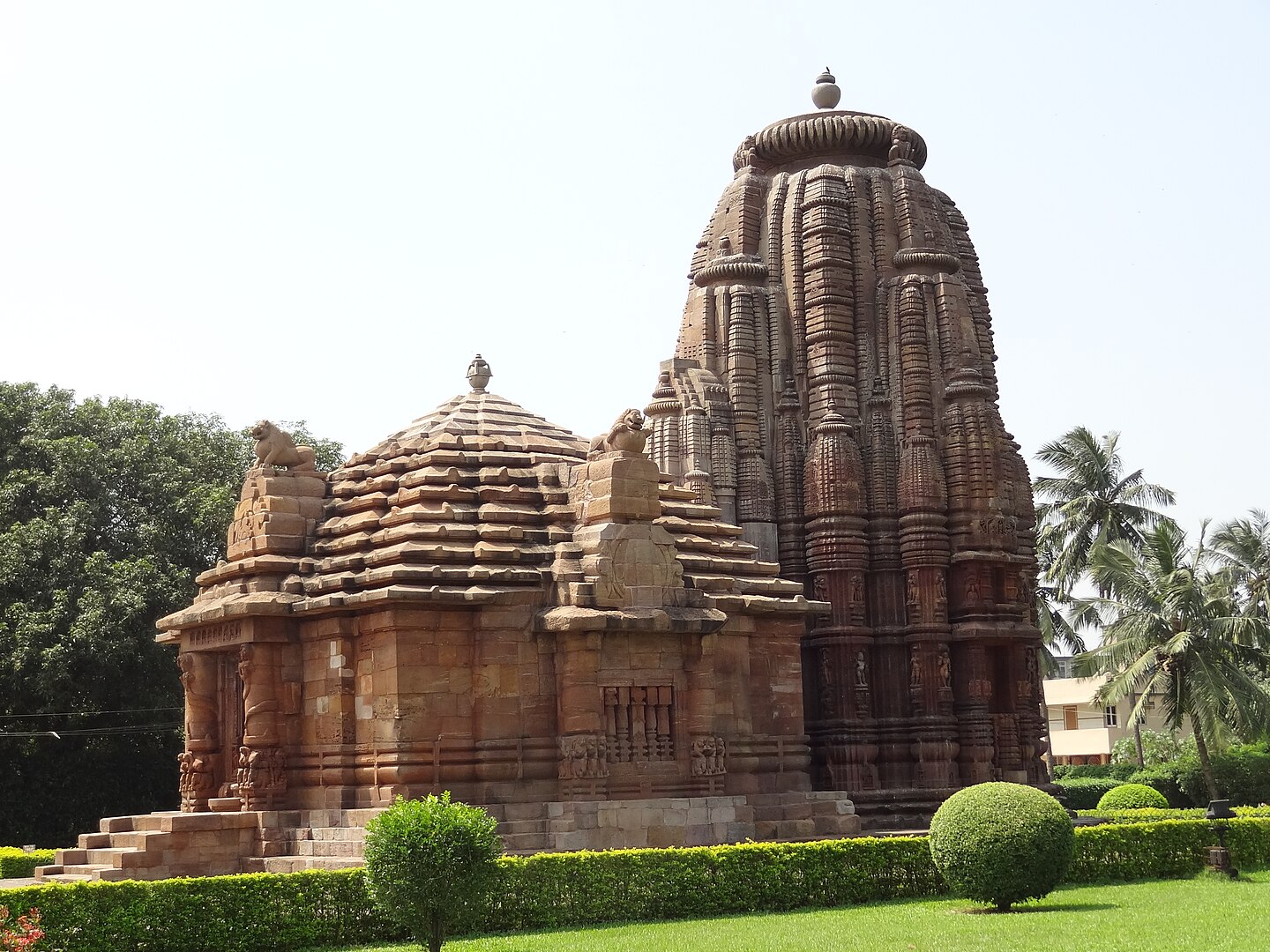
The Brahmeswar Temple in Bhubaneswar is a striking example of Kalinga architecture, built during the 11th century under the rule of the Somavamsi dynasty.
Dedicated to Lord Shiva, the temple is an architectural masterpiece that reflects the evolution of Odishan temple design. With its intricate carvings, towering spire, and unique use of iron beams in construction, the Brahmeswar Temple stands as a symbol of Bhubaneswar’s glorious cultural and spiritual heritage.
History
Constructed around 1061 CE, the Brahmeswar Temple was commissioned by the queen of King Udyotakesari. Historical records suggest that the temple was one of the first in Odisha to use iron beams in its architecture, marking a significant advancement in temple engineering. Its inscriptions provide insights into the socio-religious practices of the time, making it a valuable historical monument.
Architecture
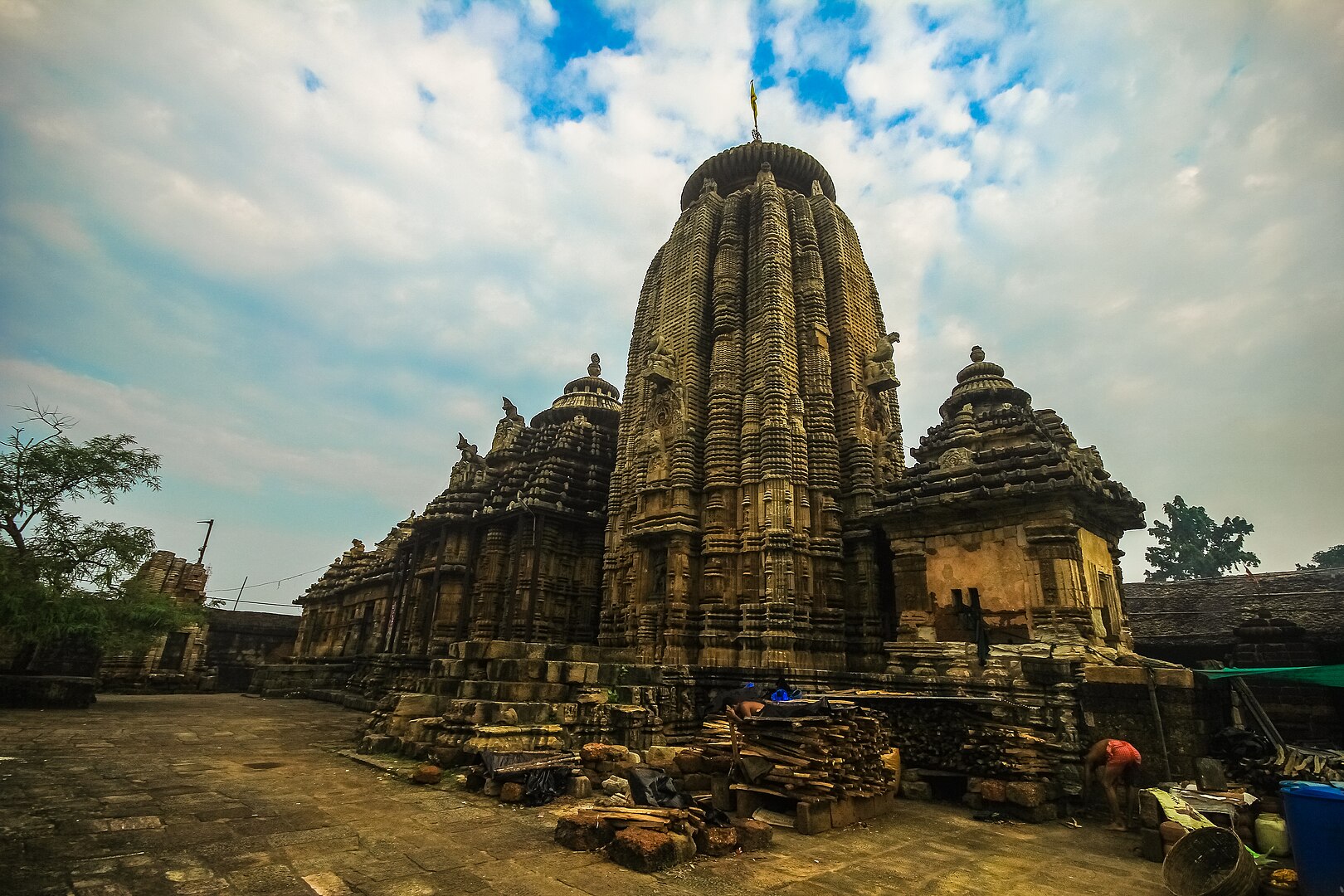
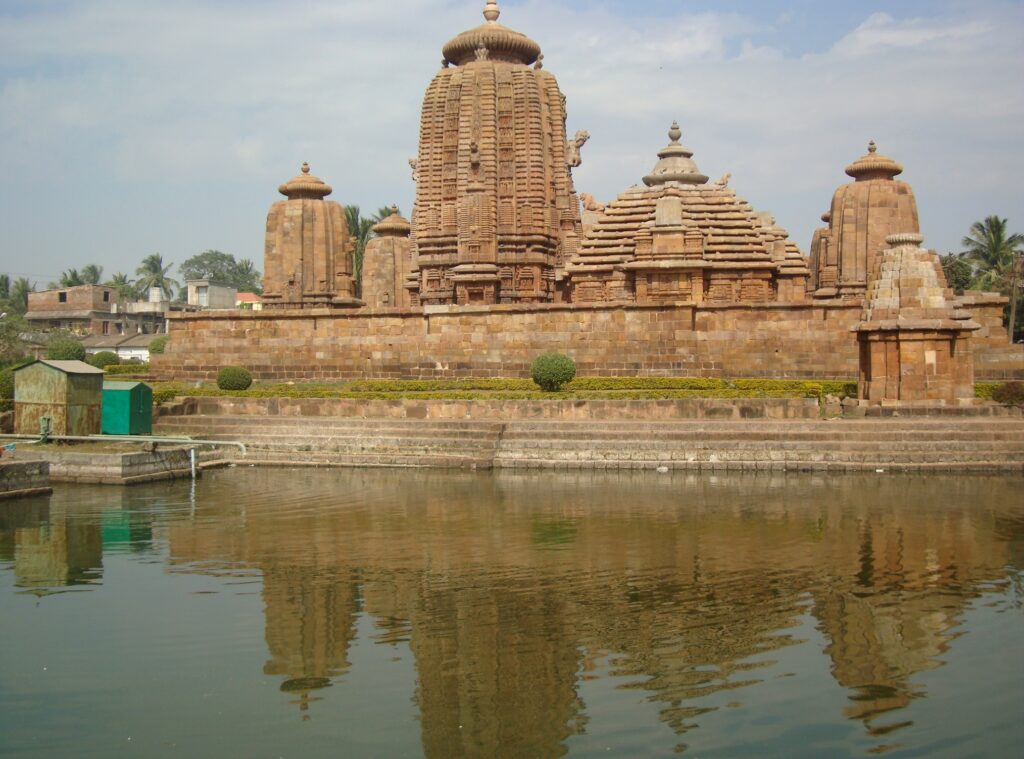
The Brahmeswar Temple is built in the Rekha Deula style of Kalinga architecture, featuring a tall curvilinear spire (shikhara) above the sanctum and a jagamohana (assembly hall). The temple walls are adorned with intricate carvings of deities, apsaras, and floral motifs that display the finesse of Odishan artisans.
One of its unique features is the depiction of musicians and dancers, symbolizing the close connection between art, devotion, and temple rituals. The temple also includes subsidiary shrines around the main structure, forming a compact temple complex.
Religious Significance
Dedicated to Lord Shiva, the Brahmeswar Temple continues to be an active place of worship. It is also notable for the presence of images of Durga, Vishnu, and other deities, reflecting the syncretic nature of Odisha’s spiritual traditions. Rituals, prayers, and local festivals are celebrated here, attracting both devotees and heritage enthusiasts.
Tourist Experience
For visitors, the Brahmeswar Temple offers an immersive experience in Odisha’s temple art and architecture. The detailed sculptures, peaceful ambiance, and proximity to other temples of Bhubaneswar make it a must-visit heritage site. Photography enthusiasts particularly admire the detailed stone carvings, which have survived centuries of history.
How to Reach Brahmeswar Temple
By Air: The nearest airport is Biju Patnaik International Airport, Bhubaneswar, about 5 km from the temple.
By Rail: Bhubaneswar Railway Station is around 6 km away, with regular trains connecting to major cities.
By Road: The temple is well connected by road, with local buses, taxis, and auto-rickshaws available from various parts of Bhubaneswar.
Nearby Attractions
- Rajarani Temple (about 500 m) – A magnificent 11th-century temple built from reddish-golden sandstone, renowned for its intricate sculptures and elegant Kalinga-style architecture.
- Mukteswara Temple (about 1 km) – Often called the “Gem of Odisha Architecture,” this 10th-century temple is celebrated for its beautifully carved torana (arched gateway) and exquisite stone carvings.
- Siddhesvara Temple (about 1 km) – A small but historically significant Shiva temple dating back to the 10th century, showcasing classic Kalinga architectural features.
- Kedar Gouri Temple (about 1.5 km) – A revered temple complex dedicated to Lord Shiva and Goddess Gouri, known for its peaceful surroundings and religious importance.
- Lingaraj Temple (about 2 km) – One of Odisha’s most sacred temples and an architectural masterpiece, attracting pilgrims and history enthusiasts throughout the year.
- Ananta Vasudeva Temple (about 2.5 km) – A rare temple dedicated to Lord Vishnu, famous for its splendid carvings and traditional temple kitchen.
- Bindu Sagar Lake (about 2.5 km) – A sacred water tank surrounded by ancient temples, offering a tranquil atmosphere and spiritual significance.
- Vaital Deul (about 2 km) – An 8th-century temple dedicated to Goddess Chamunda, distinguished by its unique Khakhara-style architecture and Tantric traditions.
- Odisha State Museum (about 4 km) – A fascinating museum displaying ancient sculptures, manuscripts, coins, tribal artifacts, and archaeological treasures.
- Khandagiri and Udayagiri Caves (about 7 km) – Historic rock-cut caves dating back to the 2nd century BCE, famous for Jain heritage, inscriptions, and panoramic city views.
Google Maps
FAQs
What is Brahmeswar Temple famous for?
Brahmeswar Temple is famous for its exquisite 11th-century Kalinga-style architecture, intricate stone carvings, beautifully sculpted deities, and one of the earliest examples of temples featuring iron beams in their construction.
Who built Brahmeswar Temple?
The temple was built around 1060 CE by Queen Kolavati Devi, the mother of the Somavamsi king Udyotakesari, making it an important monument of the Somavamsi dynasty.
Which deity is worshipped at Brahmeswar Temple?
The temple is dedicated to Lord Shiva, who is worshipped here in the form of a sacred Shiva Linga.
What is the best time to visit Brahmeswar Temple?
The best time to visit is October to March, when the weather is pleasant for exploring Bhubaneswar’s historic temple circuit. Early mornings and evenings are especially peaceful.
What are the temple timings?
The temple is generally open from around 6:00 AM to 8:00 PM. Timings may vary during festivals and special religious ceremonies.
Is there an entry fee?
No. Entry to Brahmeswar Temple is free for all visitors.
How much time is needed to explore the temple?
Most visitors spend 30 to 60 minutes exploring the temple, appreciating its architecture, sculptures, and tranquil surroundings.
Is Brahmeswar Temple suitable for families?
Yes. The temple is an excellent destination for families, pilgrims, history enthusiasts, architecture lovers, and photographers. It is often included in a heritage tour of Bhubaneswar’s famous ancient temples.