Image Source: Satyabrata
About Ananta Vasudeva Temple
Nestled in the heart of Old Bhubaneswar in Bhubaneswar, the Ananta Vasudeva Temple is one of the city’s most fascinating and spiritually important shrines. Often called the “City of Temples,” Bhubaneswar is primarily known for its Shaivite heritage, with famous temples dedicated to Lord Shiva dominating the skyline. Amidst these centuries-old Shiva shrines, the Ananta Vasudeva Temple stands apart as the only major temple in the city devoted to Lord Vishnu in his Krishna form.
The temple is dedicated to Lord Ananta Vasudeva, a form of Krishna, and holds immense importance for Vaishnavite devotees. Its peaceful atmosphere, ancient architecture, sacred rituals, and association with the nearby Bindu Sagar Lake make it one of the most revered religious landmarks in Odisha. Even today, the temple continues to attract pilgrims, historians, architecture lovers, and travelers who wish to explore the spiritual soul of Bhubaneswar beyond its more famous Shaivite monuments.
History
The Ananta Vasudeva Temple was constructed in 1278 CE during the rule of the Eastern Ganga dynasty, one of the most influential dynasties in medieval Odisha. Historical records suggest that the temple was commissioned by Queen Chandrika Devi, the daughter of King Anangabhima III and sister of the renowned King Narasimhadeva I, who is celebrated for building the magnificent Konark Sun Temple.
At a time when Bhubaneswar was predominantly a center of Shaivism, the construction of this temple marked the growing influence of Vaishnavism in the region. Rather than replacing existing traditions, the temple symbolized religious harmony, where Shaivism and Vaishnavism coexisted within the same sacred landscape. This blend of spiritual traditions remains one of Odisha’s most remarkable cultural characteristics.
The temple has survived several centuries of political changes, invasions, and environmental wear, yet it continues to function as a living temple with active worship and rituals. Its uninterrupted spiritual continuity gives visitors a rare glimpse into Odisha’s enduring religious traditions.
Architectural Beauty of the Temple
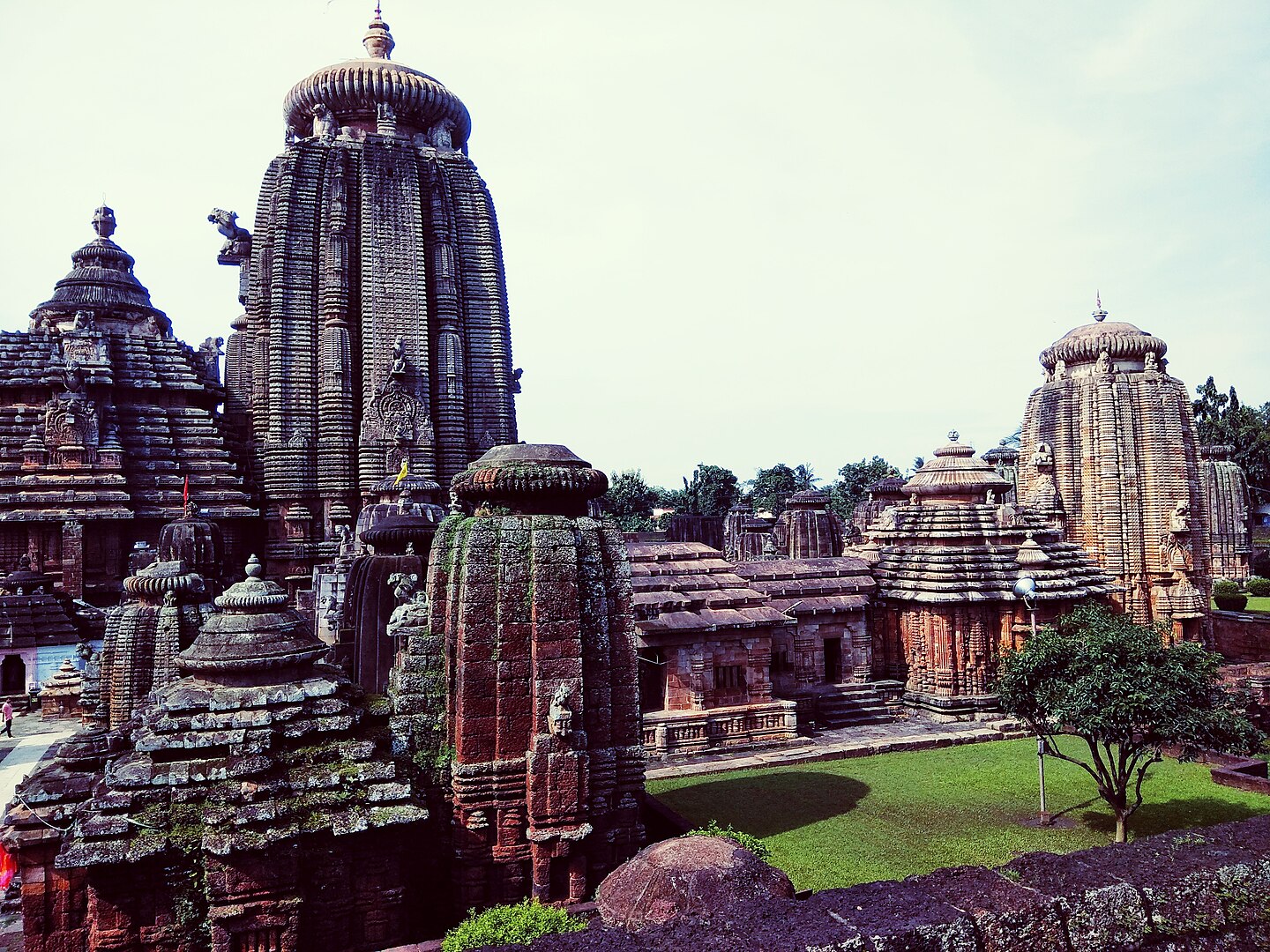
The Ananta Vasudeva Temple is an outstanding example of traditional Kalinga-style temple architecture, which flourished across Odisha during the medieval period. The design resembles several other temples in Bhubaneswar, especially the famous Lingaraja Temple, but the sculptural themes and iconography here are distinctly Vaishnavite.
The Main Sanctum (Vimana)
The towering sanctum, or vimana, rises majestically above the temple complex. Inside the sanctum are the idols of Lord Krishna as Ananta Vasudeva, accompanied by Balarama and Subhadra. The trio resembles the sacred triad worshipped at the Jagannath Temple, though the iconography differs slightly.
Balarama is depicted holding a plough, symbolizing agriculture and strength, while Subhadra carries a pot, representing prosperity and fertility.
Jagamohana
The jagamohana, or assembly hall, follows the pidha deula style typical of Odisha temples. Its layered pyramidal roof and finely carved stonework showcase the artistic excellence of medieval Odishan craftsmen.
Natamandira
The natamandira, or dancing hall, once hosted devotional music and classical dance performances. In ancient Odisha, temples often functioned as centers of culture and performing arts, and this hall reflects that tradition.
Bhoga Mandapa and Temple Kitchen
One of the most unique aspects of the temple is its traditional kitchen. Like the Jagannath Temple in Puri, sacred food offerings are cooked within the temple premises using age-old methods. The aroma of freshly prepared bhoga fills the complex during the day, creating a deeply spiritual atmosphere.
Many devotees consider the temple’s prasada especially sacred and flavorful due to the traditional preparation methods and devotional rituals associated with it.
Sculptures and Carvings
The walls of the temple are decorated with exquisite carvings depicting scenes from Krishna’s life, Vishnu’s various avatars, celestial beings, floral motifs, and mythical creatures. The sculptures provide valuable insight into medieval Odishan art, storytelling traditions, and religious symbolism.
Religious and Spiritual Importance
The Ananta Vasudeva Temple occupies a unique position in the religious landscape of Bhubaneswar. While the city is traditionally associated with Shiva worship, this temple became an important center for followers of Vishnu and Krishna.
For many devotees, the temple serves as a spiritual alternative to Puri. The rituals, food offerings, and devotional practices here closely resemble those performed at the Jagannath Temple. Pilgrims who are unable to travel to Puri often visit this shrine to seek blessings from Lord Krishna.
The temple also highlights Odisha’s inclusive religious culture, where multiple traditions flourished side by side without conflict. This harmony between Shaivism and Vaishnavism remains deeply rooted in the spiritual identity of the region.
Festivals and Celebrations
The temple becomes especially vibrant during major Vaishnavite festivals. During these occasions, the entire complex fills with devotional chants, lamps, flowers, and crowds of worshippers.
Janmashtami
Janmashtami, celebrating the birth of Lord Krishna, is the most important festival observed here. Thousands of devotees gather to participate in midnight prayers, bhajans, and ceremonial rituals.
Dola Purnima
Dola Purnima, Odisha’s version of Holi, is celebrated with color, music, and devotional processions dedicated to Krishna.
Vaikuntha Ekadashi
This sacred festival is believed to open the gates of Vaikuntha, the heavenly abode of Lord Vishnu. Special prayers and rituals are conducted throughout the day.
Ratha-Related Traditions
Though not as grand as the Puri Rath Yatra, certain chariot-related traditions and ceremonial observances are also associated with the temple.
Bindu Sagar Lake and the Temple Surroundings
The temple stands on the eastern bank of the sacred Bindu Sagar Lake, one of the most spiritually significant water bodies in Bhubaneswar. According to local belief, the lake contains drops of water from every holy river in India.
The surroundings of the temple reflect the timeless charm of Old Bhubaneswar. Narrow lanes lined with flower vendors, brass utensil shops, conch shell handicrafts, pattachitra artwork, and sweet shops create a lively cultural atmosphere.
Travelers visiting the temple often combine their journey with nearby heritage sites such as:
- Mukteshwar Temple.
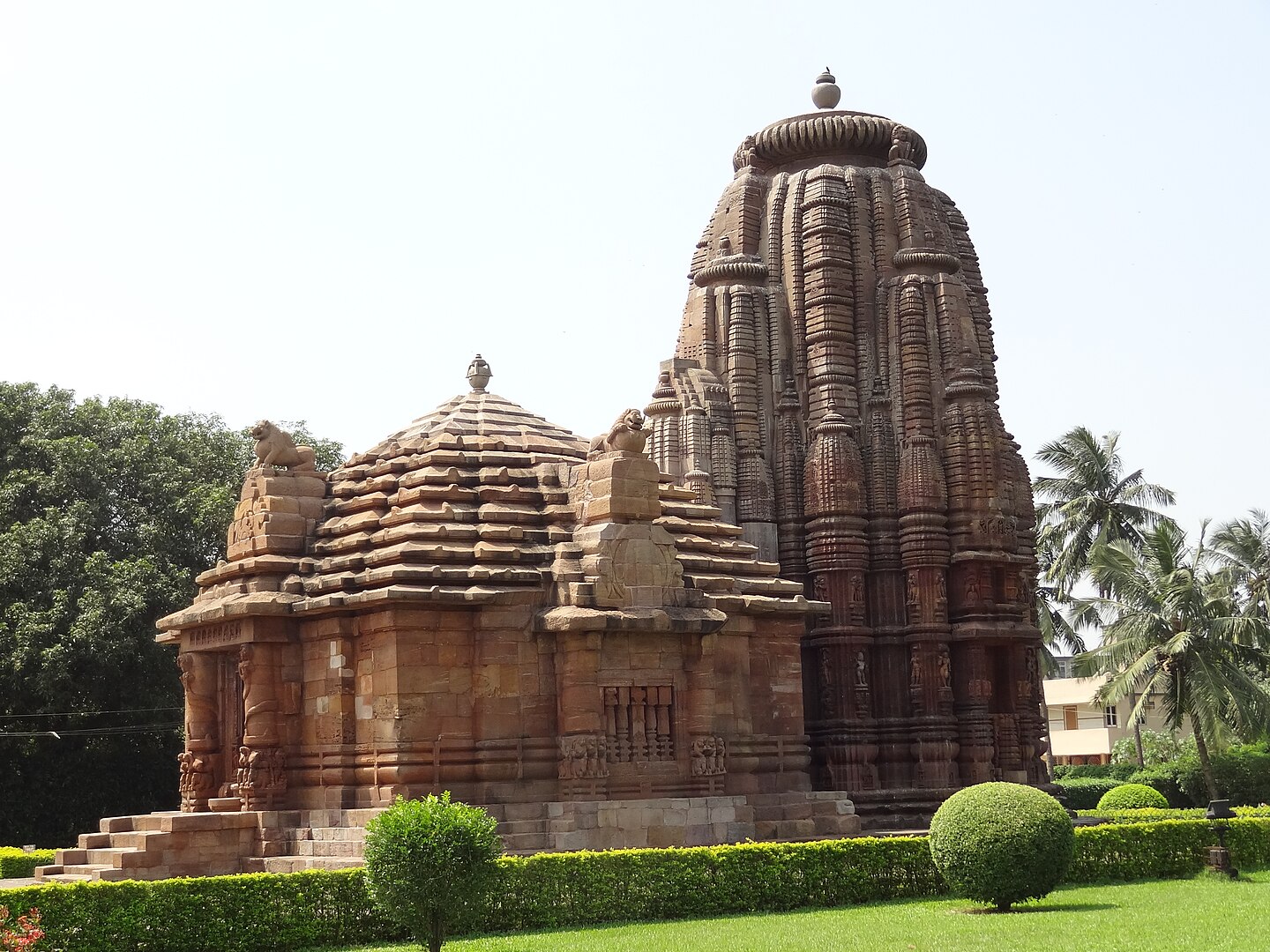
- Rajarani Temple.
- Lingaraja Temple.
Together, these monuments form part of the historic Ekamra Kshetra heritage circuit.
Best Time to Visit
The ideal time to visit the Ananta Vasudeva Temple is between October and March, when the weather in Bhubaneswar remains pleasant and suitable for sightseeing. Early mornings and evenings offer a peaceful atmosphere for prayer and photography.
Festive periods like Janmashtami provide a culturally rich experience, though the temple can become crowded during these celebrations.
How to Reach Ananta Vasudeva Temple
By Air
The nearest airport is Biju Patnaik International Airport, located around 3.5 km from the temple. Taxis, app-based cabs, and auto-rickshaws are easily available from the airport.
By Rail
Bhubaneswar Railway Station is approximately 4 km away and is well connected to major Indian cities including Delhi, Kolkata, Chennai, and Mumbai.
By Road
Bhubaneswar enjoys excellent road connectivity through NH-16 and NH-316. Regular buses operate from nearby cities such as Puri, Konark, Cuttack, and Sambalpur. Local transport options like auto-rickshaws and taxis provide easy access to the temple.
Nearby Attractions
- Bindu Sagar Lake (about 100 m) – A sacred lake located directly beside the temple. It is one of the oldest water tanks in Bhubaneswar and is surrounded by numerous historic shrines, offering a peaceful setting for a stroll.
- Lingaraj Temple (about 300 m) – One of Odisha’s most revered Shiva temples and a masterpiece of Kalinga architecture, dating back to the 11th century.
- Mukteswara Temple (about 1 km) – Known as the “Gem of Odisha Architecture,” this 10th-century temple is celebrated for its exquisitely carved stone archway and intricate sculptures.
- Parashurameswar Temple (about 1 km) – One of the oldest surviving temples in Bhubaneswar, showcasing early Kalinga-style architecture with beautifully sculpted walls.
- Rajarani Temple (about 2 km) – Famous for its elegant red and yellow sandstone construction and detailed carvings of celestial figures and musicians.
- Vaital Deul Temple (about 800 m) – An 8th-century temple dedicated to Goddess Chamunda, distinguished by its unique Khakhara-style architecture and Tantric heritage.
- Odisha State Museum (about 3 km) – Home to an impressive collection of archaeological artifacts, ancient manuscripts, sculptures, coins, and traditional Odia art.
- Khandagiri and Udayagiri Caves (about 8 km) – Ancient rock-cut caves dating back to the 2nd century BCE, associated with Jain monks and renowned for their historical inscriptions and carvings.
- Nandankanan Zoological Park (about 18 km) – One of India’s leading zoological parks, famous for its white tigers, safari experiences, botanical gardens, and lake.
Google Maps
FAQs
Why is Ananta Vasudeva Temple famous?
The temple is famous for being the only major Vishnu temple in Bhubaneswar, a city otherwise dominated by Shiva temples. It is also known for its beautiful Kalinga architecture and traditional temple kitchen.
Which deity is worshipped in the temple?
The temple is dedicated to Lord Krishna as Ananta Vasudeva, along with Balarama and Subhadra.
When was the temple built?
The temple was constructed in 1278 CE during the rule of the Eastern Ganga dynasty.
Is photography allowed inside the temple?
Photography is generally allowed in the outer premises, but restrictions may apply inside the sanctum area. Visitors should follow temple guidelines.
What is special about the temple kitchen?
The temple kitchen prepares sacred food offerings using traditional methods similar to those followed at the Jagannath Temple in Puri.
Can tourists visit the temple?
Yes, both pilgrims and tourists can visit the temple. It is one of the important heritage and spiritual attractions in Bhubaneswar.
Which nearby attractions can be visited along with the temple?
Visitors often explore nearby landmarks such as Lingaraja Temple, Mukteshwar Temple, Rajarani Temple, and Bindu Sagar Lake during the same trip.