Image Source: Renzut
About Dipor Bil
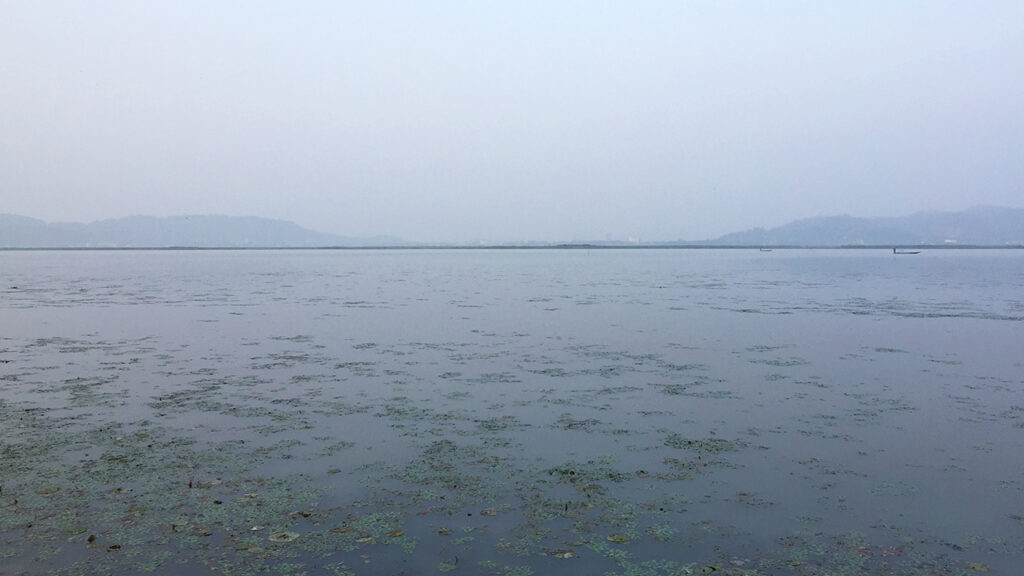
Dipor Bil, also popularly known as Deepor Beel, is one of the most beautiful freshwater wetlands in northeastern India. Located on the southwestern edge of Guwahati, this vast natural lake is far more than just a scenic getaway. It is an ecologically sensitive wetland, a birdwatcher’s haven, and an important source of livelihood for many nearby communities. Recognized as a Ramsar Site for its international ecological importance, Dipor Bil plays a major role in preserving the biodiversity of the Brahmaputra Valley.
Surrounded by green hills, marshlands, paddy fields, and traditional villages, the wetland offers a peaceful escape from the fast-moving atmosphere of city life. The calm waters, changing seasonal landscapes, and abundance of birdlife make it one of Assam’s most rewarding nature destinations. During winter, the lake transforms into a vibrant sanctuary for migratory birds arriving from distant parts of Central Asia and Siberia, attracting wildlife photographers, ornithologists, and tourists from across the country.
Landscape and Natural Setting
Dipor Bil spreads across nearly 40 square kilometers and lies within a natural depression connected to the mighty Brahmaputra River system. The wetland receives water mainly from the Basistha and Kalmani rivers, which help maintain its delicate ecosystem throughout the year. Depending on the season, the lake changes dramatically in appearance. During the monsoon months, the water level rises and large sections of the surrounding grasslands get submerged, while winter reveals shallow marshes that become ideal feeding grounds for birds.
The landscape around the wetland is incredibly diverse. Tall grasses, reed beds, aquatic vegetation, and swampy areas support countless species of fish, reptiles, amphibians, and insects. The wetland is also home to elephants that occasionally move through the nearby forest corridors. For local fishing communities, the lake serves as an important economic resource, providing a rich variety of freshwater fish throughout the year.
Sunrise and sunset are especially mesmerizing at Dipor Bil. Early morning mist floating over the water, combined with the sound of birds calling from the reeds, creates a peaceful atmosphere rarely found near a major city.
A Paradise for Birdwatchers
Dipor Bil is widely regarded as one of the finest birdwatching destinations in Assam. Every winter, thousands of migratory birds arrive here after traveling enormous distances along international migratory routes. Bird enthusiasts often visit between November and February, when the wetland becomes most active.
Some of the notable species spotted here include the greater adjutant stork, open-billed stork, bar-headed goose, kingfishers, herons, cormorants, and various species of ducks and egrets. The presence of rare and endangered birds further increases the ecological value of the wetland. The greater adjutant stork, one of the rarest storks in the world, is among the most celebrated visitors to Dipor Bil.
The best birdwatching experiences usually happen during the early morning hours when birds gather near shallow waters in search of food. Photographers particularly appreciate the soft natural lighting and reflections on the lake during this time.
Activities and Experiences
Although Dipor Bil is primarily known for its ecological importance, it also offers several relaxing outdoor experiences for visitors. Nature walks along the edges of the wetland allow travelers to observe local flora and fauna up close. Boating in certain areas of the lake provides a different perspective of the wetland and its birdlife.
Photography is another popular activity here. From migratory birds and fishing boats to dramatic skies and rural landscapes, the wetland provides endless opportunities for capturing nature. Travelers interested in cultural experiences can also visit nearby tribal settlements to learn about traditional Assamese lifestyles and local fishing practices.
Unlike crowded tourist spots, Dipor Bil remains relatively quiet and untouched. This makes it an ideal destination for people seeking solitude, nature, and slow travel experiences.
Ecological and Cultural Importance
Dipor Bil is not only environmentally important but also deeply connected to the lives of the local communities. Many families living around the wetland depend on fishing, farming, and harvesting aquatic plants for their livelihood. The lake supports the rural economy and acts as a natural flood-control system for the surrounding region.
For indigenous communities such as the Karbi and Bodo tribes, the wetland holds cultural and spiritual significance. Local folklore and traditional beliefs often describe the lake as a sacred gift of nature. Festivals, rituals, and community traditions in nearby villages continue to maintain a close relationship with the wetland ecosystem.
Its designation as a Ramsar Site highlights its global importance in conserving wetland biodiversity and protecting migratory bird habitats across South Asia. However, rapid urbanization, pollution, railway expansion, and encroachment remain major environmental concerns for the future of Dipor Bil. Conservation efforts by environmental groups and local authorities continue to focus on preserving this fragile ecosystem.
Best Time to Visit
The ideal time to visit Dipor Bil is from November to February. During these cooler months, migratory birds arrive in large numbers, and the weather remains pleasant for outdoor exploration. The monsoon season also brings lush greenery and dramatic scenery, though heavy rainfall may restrict movement in certain areas.
Early mornings are considered the best time for birdwatching and photography, while evenings provide beautiful sunset views over the wetland.
Nearby Attractions of Deepor Beel
Guwahati
Located just a short distance from Deepor Beel, Guwahati is the largest city in Northeast India and offers a blend of cultural, historical, and spiritual attractions. Visitors can explore bustling markets, riverfront areas, museums, and local Assamese cuisine while using the city as a base for visiting the wetland.
Kamakhya Temple
Perched atop Nilachal Hill, Kamakhya Temple is one of the most revered Shakti Peethas in India. The temple attracts pilgrims from across the country and offers panoramic views of Guwahati and the Brahmaputra River.
Assam State Zoo cum Botanical Garden
One of the largest zoological parks in Northeast India, the zoo is home to a variety of native and exotic animals. The adjoining botanical garden showcases the rich plant diversity of the region.
Umananda Island
Situated in the middle of the Brahmaputra River, Umananda Island is famous for its ancient Shiva temple and scenic surroundings. A short ferry ride from Guwahati offers visitors beautiful river views and a peaceful atmosphere.
Pobitora Wildlife Sanctuary
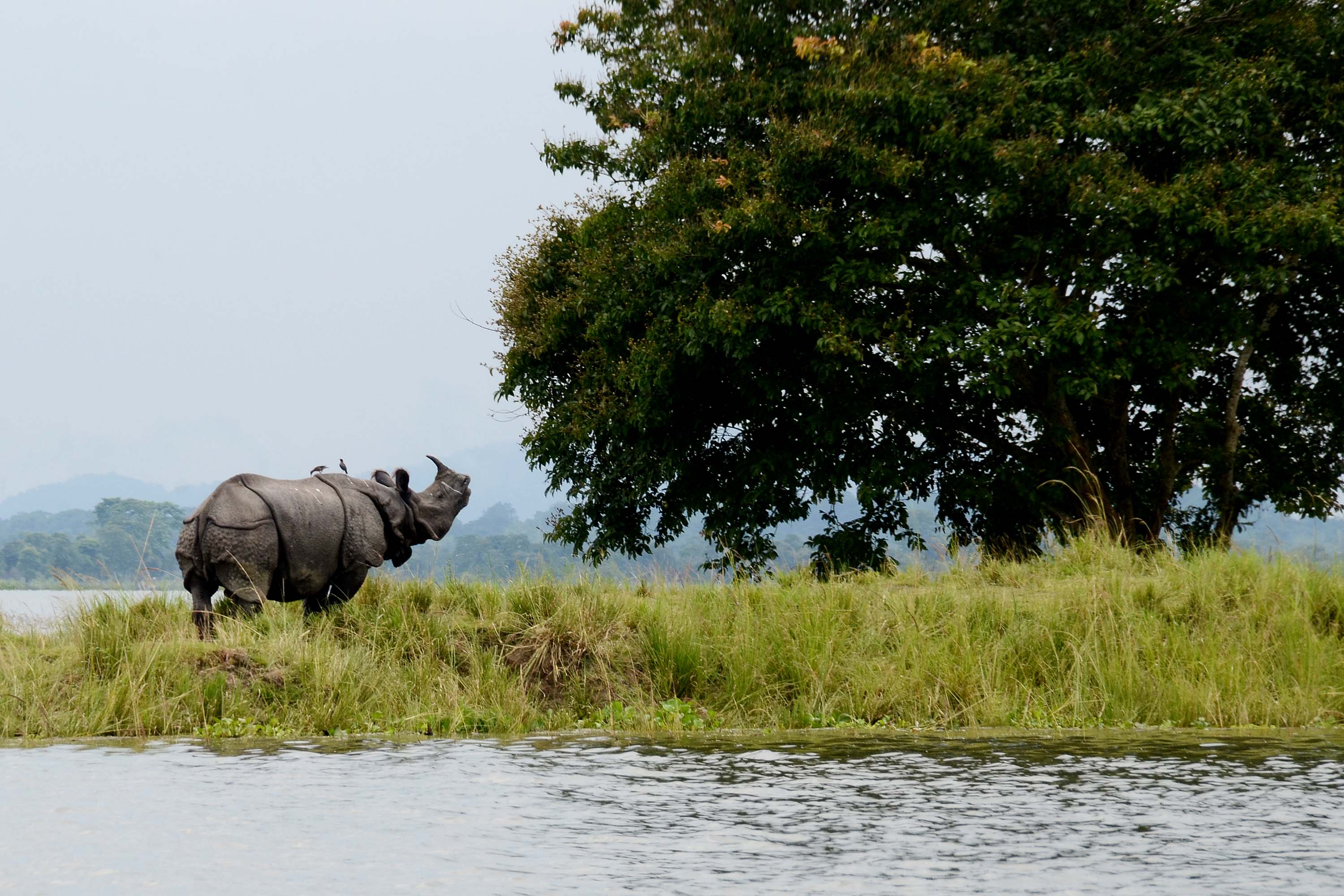
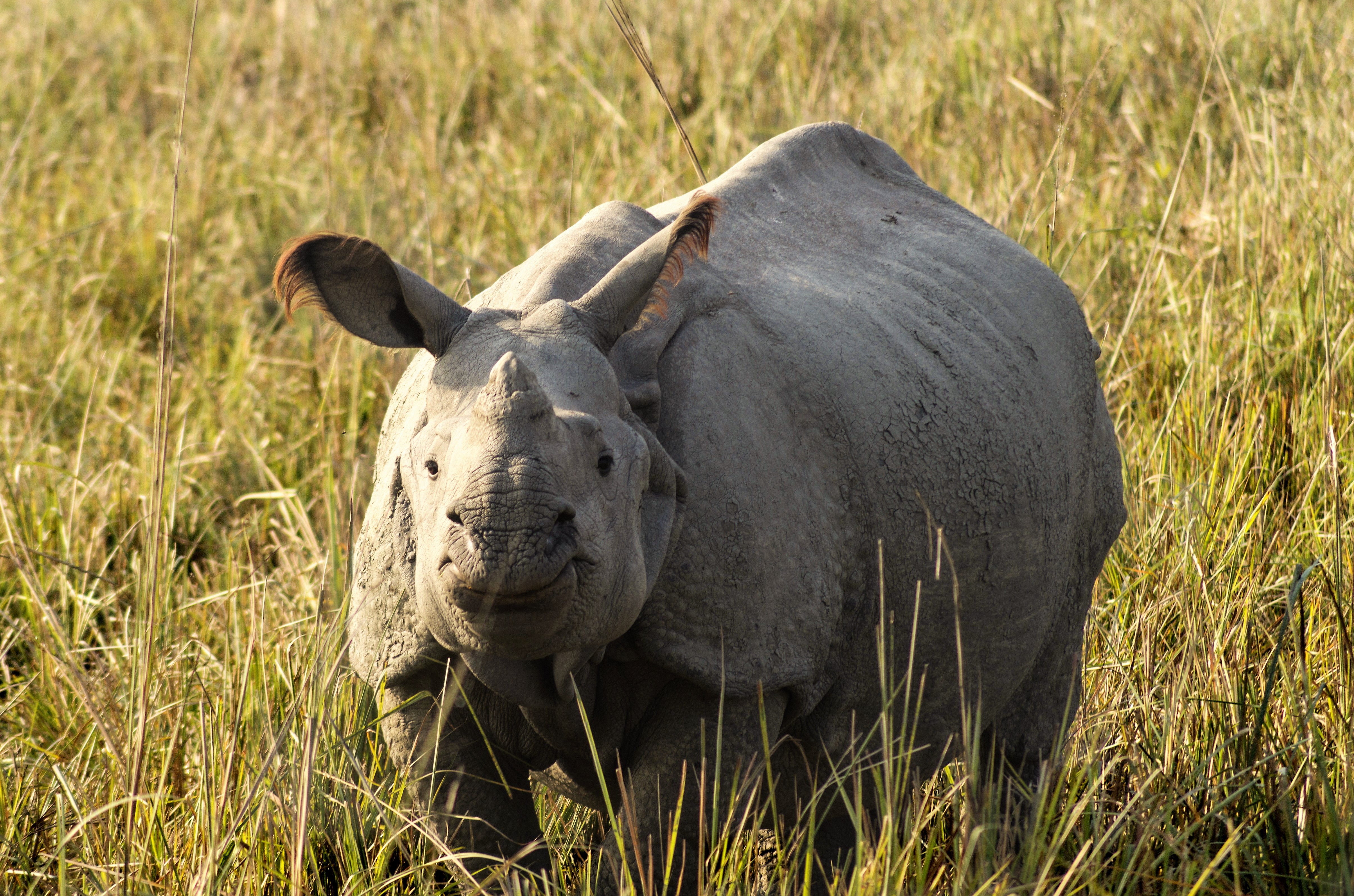
Located a few hours from Deepor Beel, Pobitora Wildlife Sanctuary is renowned for having one of the highest densities of the Indian one-horned rhinoceros. The sanctuary is also a popular destination for birdwatching and jeep safaris.
Saraighat Bridge
An iconic landmark spanning the Brahmaputra River, Saraighat Bridge holds historical significance and offers excellent views of the river and surrounding landscape, particularly during sunrise and sunset.
Basistha Ashram
Surrounded by forested hills and small waterfalls, Basistha Ashram is an ancient pilgrimage site associated with Sage Vashistha. The peaceful environment makes it an ideal spot for relaxation and spiritual reflection after visiting Deepor Beel.
How to Reach Dipor Bil
Guwahati serves as the main gateway to Dipor Bil. The wetland is located around 18 kilometers from the city center and can easily be reached by taxi, auto-rickshaw, or local buses.
The nearest railway hub is Guwahati Railway Station, which is well connected to major Indian cities. Travelers arriving by air can use Lokpriya Gopinath Bordoloi International Airport, situated roughly 20 kilometers away from the wetland.
Many visitors combine their trip to Dipor Bil with nearby attractions such as Kamakhya Temple and Assam State Zoo Cum Botanical Garden to enjoy a more complete experience of Guwahati and its surrounding natural beauty.
Conservation Challenges
Despite its ecological richness, Dipor Bil faces several environmental pressures. Urban expansion from Guwahati has increased pollution and encroachment around the wetland area. Plastic waste, industrial discharge, and habitat destruction threaten aquatic life and migratory bird populations. Railway tracks passing near parts of the wetland have also affected elephant movement corridors in the region.
Environmental organizations and wildlife conservationists continue to advocate for stronger protection measures. Sustainable tourism, responsible waste management, and community participation are considered essential for preserving Dipor Bil for future generations.
Interesting Facts About Dipor Bil
- Dipor Bil is the only Ramsar Site located in Assam near a major urban center.
- The wetland acts as a natural stormwater reservoir for Guwahati.
- More than 200 species of birds have been recorded here.
- The lake supports numerous species of freshwater fish important to local livelihoods.
- Migratory birds travel thousands of kilometers to reach Dipor Bil during winter.
- The wetland ecosystem helps maintain groundwater balance and biodiversity in the Brahmaputra Valley.
Google Maps
FAQs
Why is Dipor Bil famous?
Dipor Bil is famous for its rich biodiversity, migratory bird population, and status as a Ramsar wetland of international importance. It is one of the best birdwatching destinations in Assam.
What is the best time to visit Dipor Bil?
The best time to visit is between November and February when migratory birds arrive and the weather remains pleasant.
Is boating available at Dipor Bil?
Boating may be available in certain sections depending on the season and local conditions. Visitors should check locally before planning boating activities.
How far is Dipor Bil from Guwahati?
Dipor Bil is located around 18 kilometers from central Guwahati and can be reached within about 40–50 minutes by road.
Which birds can be seen at Dipor Bil?
Visitors may spot greater adjutant storks, bar-headed geese, herons, kingfishers, cormorants, ducks, and several migratory species during winter.
Is Dipor Bil suitable for family trips?
Yes, Dipor Bil is suitable for families, nature lovers, photographers, and birdwatchers looking for a peaceful outdoor destination near Guwahati.
Why is Dipor Bil ecologically important?
The wetland supports migratory birds, aquatic biodiversity, flood control, groundwater recharge, and local livelihoods, making it an important ecological zone in northeastern India.