About Neermahal Palace
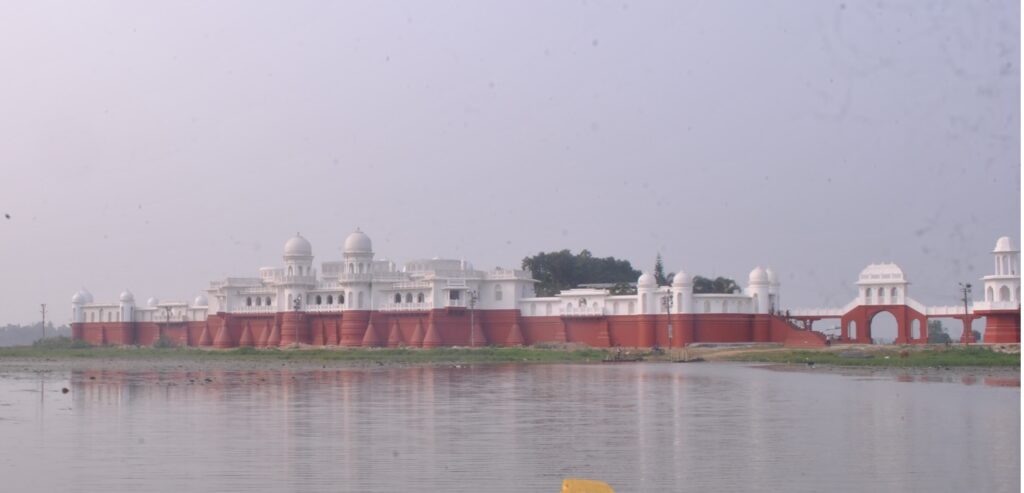
Often called the “Lake Palace of Tripura,” Neermahal is one of Northeast India’s most remarkable historical attractions. Rising gracefully from the waters of Rudrasagar Lake near Melaghar, this stunning palace reflects the elegance and royal heritage of Tripura’s past. Unlike most Indian palaces built on hills or sprawling grounds, Neermahal stands in the middle of a lake, giving it a dreamlike appearance that continues to fascinate visitors from across the country.
Built in 1930 by Maharaja Bir Bikram Kishore Manikya Bahadur, the palace served as a summer retreat for Tripura’s royal family. Its design beautifully combines Hindu and Mughal architectural influences, creating a structure that is both artistic and functional. Over the decades, Neermahal has evolved from a royal residence into one of Tripura’s most cherished tourist destinations, attracting history enthusiasts, photographers, culture lovers, and travelers seeking a unique experience.
A Stunning Architectural Wonder on Water
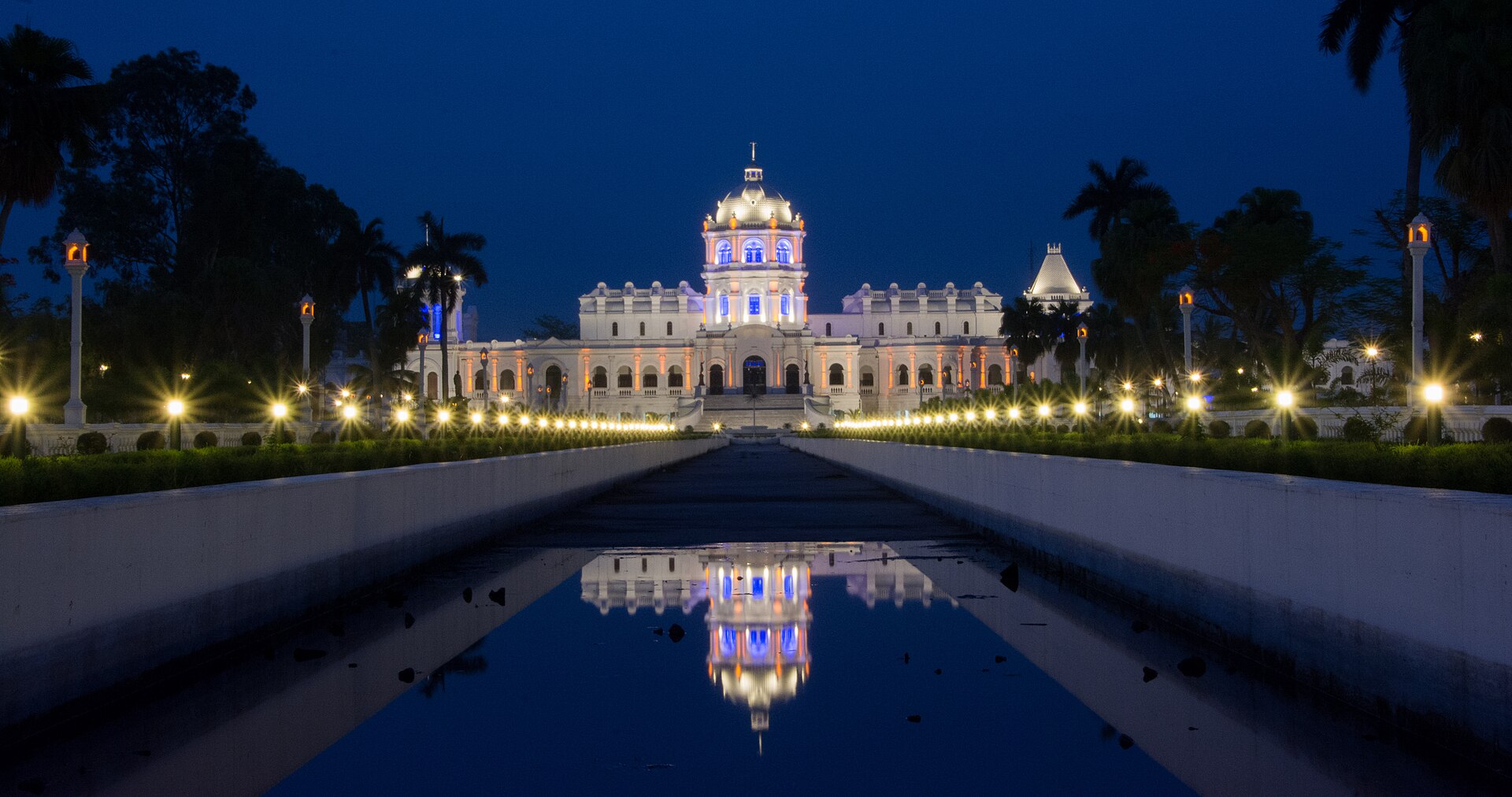
The name Neermahal literally means “Water Palace,” and the title could not be more fitting. Set against the serene backdrop of Rudrasagar Lake, the palace appears to float gently on the water, creating a spectacular sight, especially during sunrise and sunset.
Spread over nearly 24,000 square meters, the palace is divided into two main sections. The western portion was designed as the royal residential area, complete with elegant chambers, courtyards, verandas, and halls where the royal family spent their leisure time. The eastern side, meanwhile, was reserved for entertainment and social gatherings, featuring open-air theatres and spaces for cultural performances and royal celebrations.
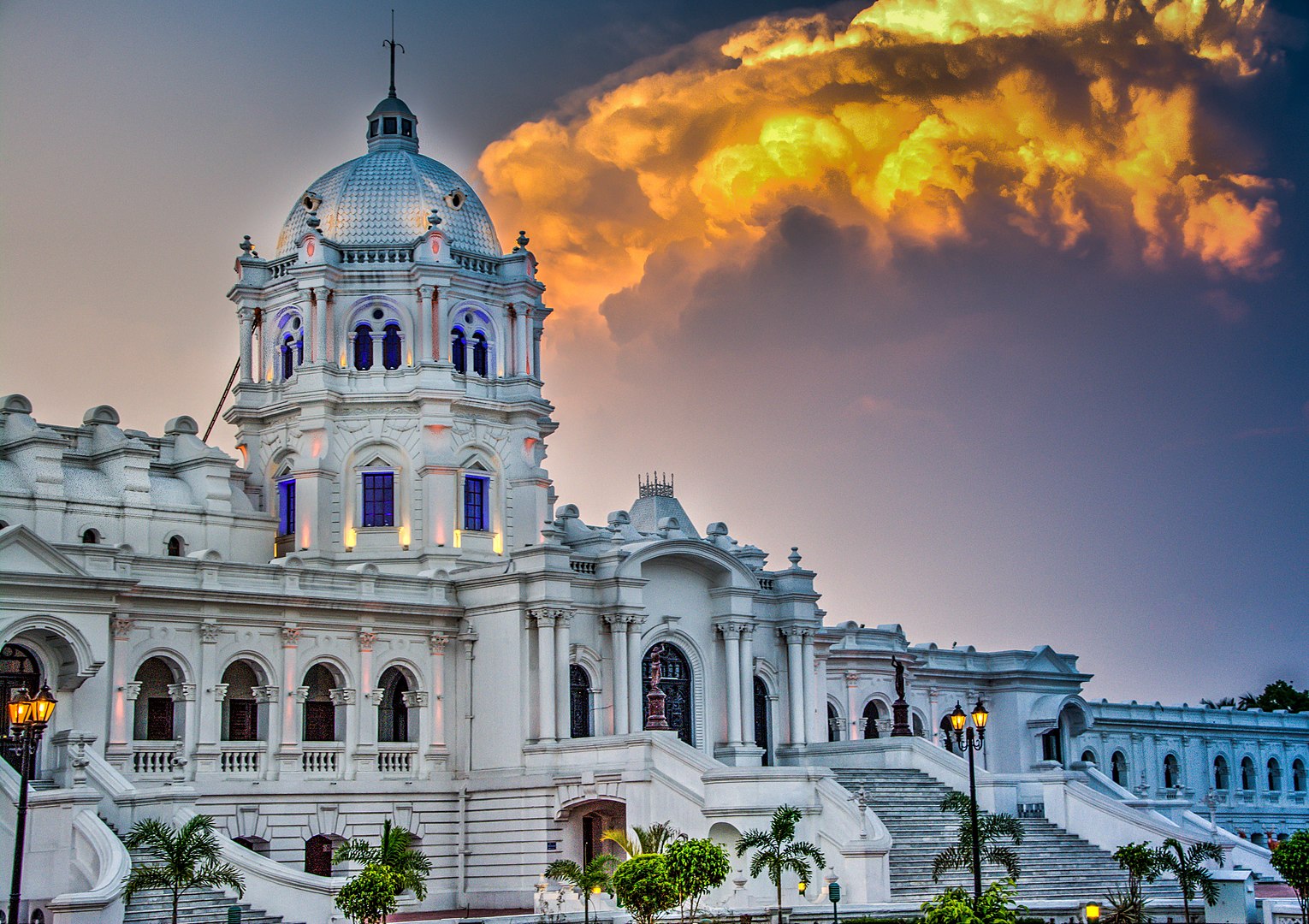
The architecture of Neermahal is particularly fascinating because it blends multiple traditions. Mughal-inspired domes, arches, and decorative balconies merge seamlessly with elements of Hindu architectural design. This fusion gives the palace a distinctive identity rarely found elsewhere in Northeast India. The intricate detailing, symmetrical layout, and lakeside setting together make Neermahal an architectural masterpiece.
The Royal Legacy of the Manikya Dynasty
Neermahal was far more than a luxurious summer getaway. It symbolized the prosperity, artistic taste, and political stature of the Manikya dynasty, which ruled Tripura for centuries. Maharaja Bir Bikram Kishore Manikya Bahadur, known for his progressive vision and interest in modern development, commissioned the palace as a retreat where the royal family could escape the summer heat and enjoy the tranquility of the lake.
The palace once hosted royal banquets, musical evenings, and cultural gatherings that reflected the sophistication of Tripura’s royal court. Spacious halls and recreational areas were carefully designed to provide comfort while maintaining regal elegance.
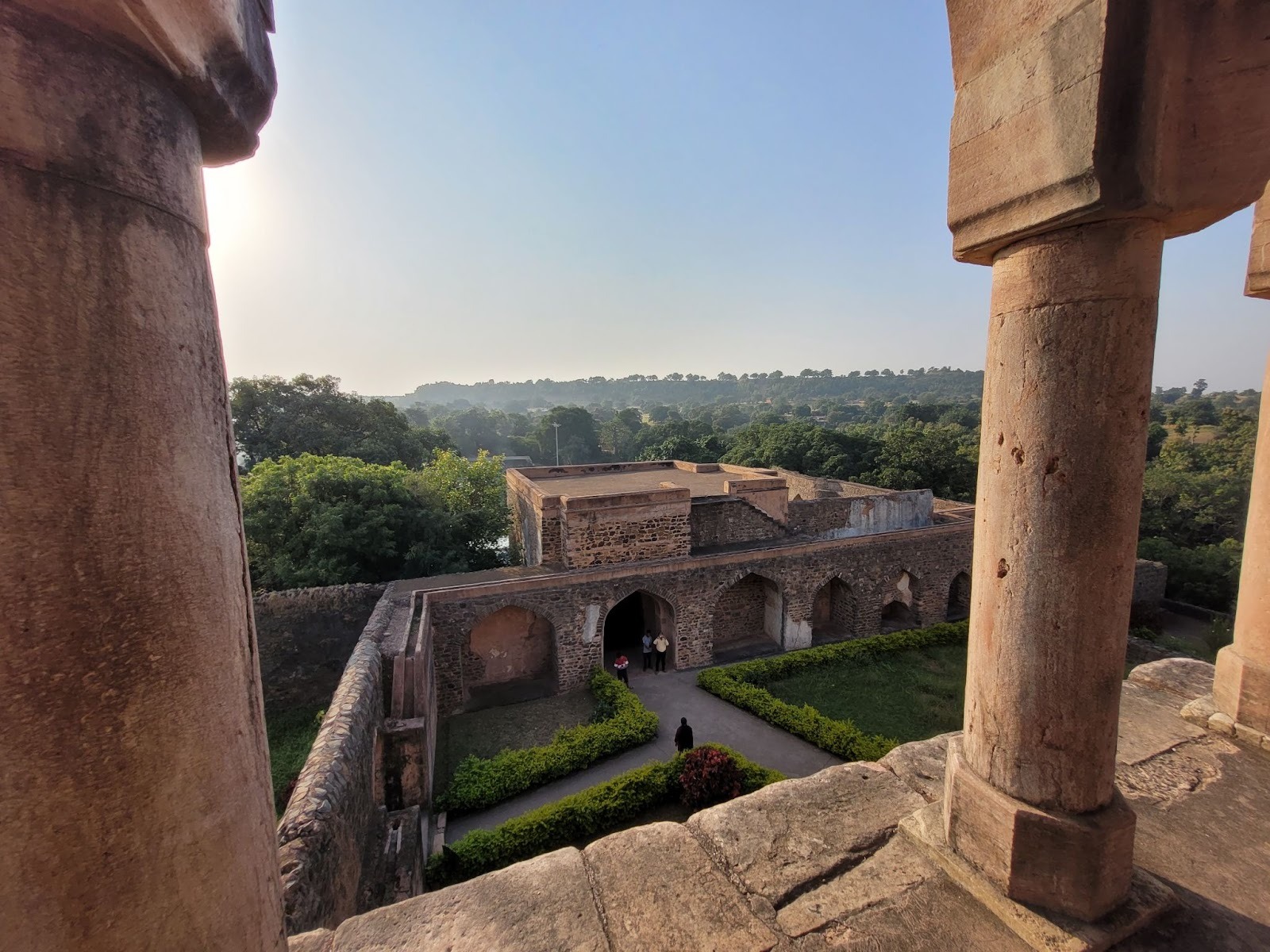
Even today, walking through the corridors and open spaces of Neermahal offers a glimpse into the lifestyle of Tripura’s former rulers. The quiet atmosphere and weathered walls seem to preserve stories of celebrations, performances, and peaceful evenings spent overlooking the lake.
Scenic Beauty and Visitor Experience
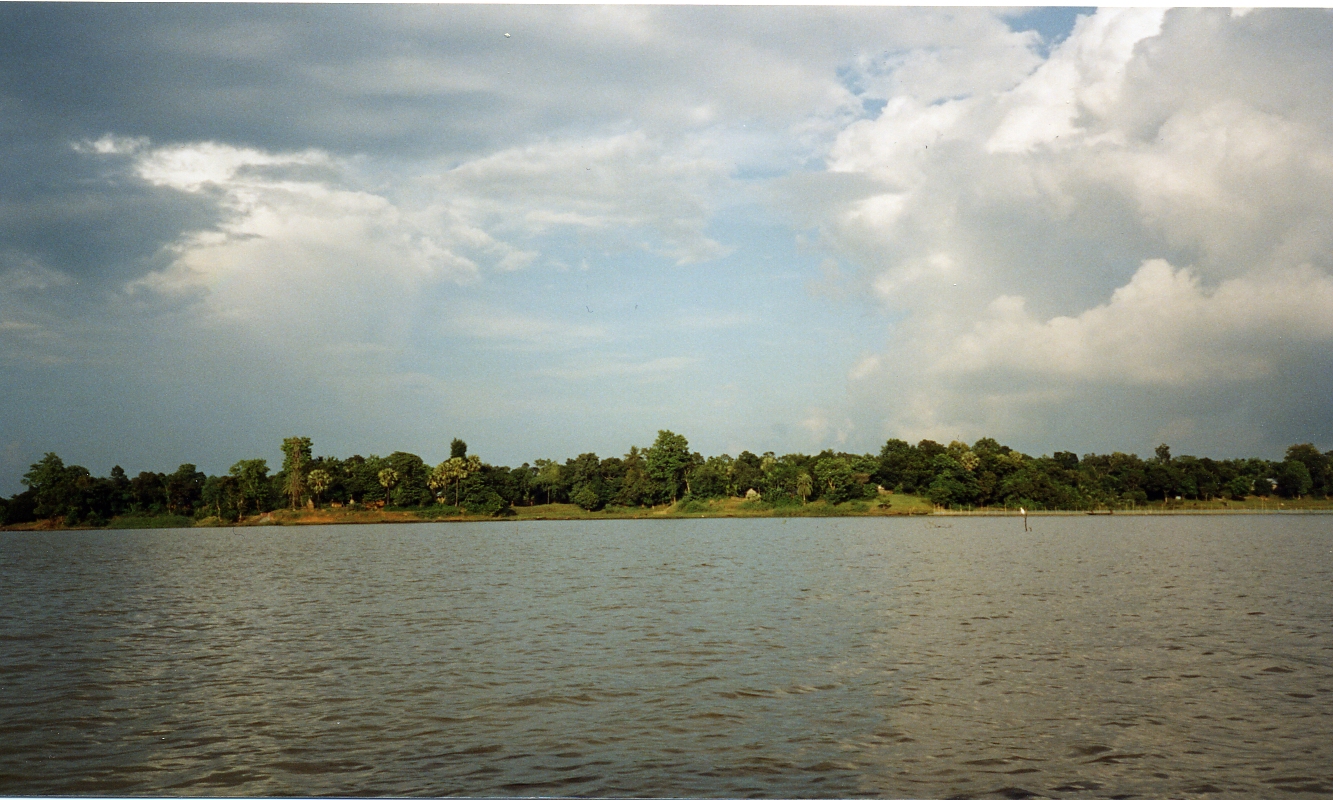
One of Neermahal’s greatest attractions is its breathtaking natural setting. Surrounded by the calm waters of Rudrasagar Lake, the palace creates a mesmerizing reflection that changes with the light throughout the day. The journey to the palace is an experience in itself, as visitors must take a boat ride from the lakeside to reach the monument.
The peaceful boat trip offers panoramic views of the palace and surrounding landscape, making it a favorite activity among tourists and photographers. During sunset, the palace glows in golden hues, creating picture-perfect scenery that leaves a lasting impression.
Rudrasagar Lake is also home to several species of migratory and local birds, adding another layer of charm for birdwatchers and nature lovers. The quiet waters and rich biodiversity make the area ideal for those seeking a combination of history and natural beauty.
The Neermahal Water Festival
Neermahal comes alive during the annual Neermahal Water Festival, generally held in August. This colorful celebration highlights Tripura’s cultural heritage through traditional music, dance performances, and exciting boat races held on Rudrasagar Lake.
The festival attracts visitors from different parts of India and provides an opportunity to witness local customs and artistic traditions up close. The festive atmosphere, combined with the majestic backdrop of the palace, creates an unforgettable cultural experience and reinforces Neermahal’s importance as a symbol of regional pride.
Cultural and Ecological Importance
Beyond its visual beauty and royal history, Neermahal holds deep cultural significance for Tripura. It serves as a reminder of the state’s artistic heritage and continues to inspire scholars, architects, and historians interested in the blending of Mughal and Hindu design traditions.
Its location within Rudrasagar Lake adds ecological importance as well. The lake is recognized as a Ramsar Site, highlighting its value as a wetland ecosystem that supports biodiversity and migratory bird populations. This connection between heritage and nature makes Neermahal not only a historical monument but also an important environmental landmark.
Best Time to Visit Neermahal Palace
The ideal time to visit Neermahal is between October and March, when the weather remains pleasant and comfortable for sightseeing and boating. During these months, the cool climate and clear skies enhance the beauty of the palace and lake.
Monsoon season, particularly around August, can also be rewarding for visitors interested in attending the Neermahal Water Festival. However, travelers should check local weather conditions and boating schedules before planning their visit.
How to Reach Neermahal Palace
Reaching Neermahal is relatively easy, as it lies about 53 kilometers from Agartala and roughly 2 kilometers from Melaghar town.
By Air
The nearest airport is Maharaja Bir Bikram Airport in Agartala, located around 60 kilometers away. The airport has regular flight connections with major cities such as Kolkata, Guwahati, and Delhi. From the airport, visitors can hire taxis or app-based cabs to reach Melaghar, followed by a short boat ride to the palace.
By Train
Agartala Railway Station, approximately 55 kilometers away, is the closest railhead. It is connected to several important destinations, including Guwahati, Silchar, and Sealdah. From the station, buses and taxis are readily available for travel to Melaghar.
By Road
Neermahal is well connected by road through NH-8. Regular buses, shared vehicles, and private taxis operate between Agartala and Melaghar. Since the palace stands in the middle of Rudrasagar Lake, the final stretch of the journey must be completed by boat, which adds a memorable touch to the visit.
Local Transport
Within Melaghar, visitors can easily find auto-rickshaws, e-rickshaws, and cycle rickshaws to travel around town. The boat ghat leading to Neermahal is located only a short distance from the town center.
Nearby Attractions to Neermahal Palace
- Rudrasagar Lake (Adjacent)
The picturesque lake surrounding Neermahal is ideal for boating, birdwatching, photography, and enjoying stunning reflections of the palace. It is home to several migratory bird species during winter. - Melaghar Town (Approx. 2 km)
The gateway to Neermahal, Melaghar offers local markets, restaurants, and cultural experiences. It is also the starting point for boat rides to the palace. - Sepahijala Wildlife Sanctuary (Approx. 28 km)
A renowned wildlife sanctuary known for clouded leopards, spectacled monkeys, migratory birds, boating, and a botanical garden. It is one of Tripura’s top eco-tourism destinations. - Tripura Sundari Temple, Udaipur (Approx. 32 km)
One of India’s 51 Shakti Peethas, this ancient temple dedicated to Goddess Tripura Sundari is among the most important pilgrimage sites in Northeast India. - Bhuvaneswari Temple (Approx. 30 km)
Located on the banks of the Gomati River in Udaipur, this 17th-century temple is known for its beautiful architecture and historical significance. - Tepania Eco Park (Approx. 35 km)
A scenic eco-tourism destination featuring dense forests, nature trails, cottages, boating, and picnic spots, making it ideal for families and nature lovers.
Why Neermahal Should Be on Your Travel List
Neermahal is more than a palace—it is an experience where history, architecture, nature, and culture meet. Whether you are interested in royal heritage, photography, peaceful landscapes, or local traditions, the palace offers something memorable for every traveler. Its rare location in the middle of a lake and its rich historical background make it one of Tripura’s most distinctive landmarks and a destination worth exploring.
Google Maps
FAQs
1. Why is Neermahal called the Lake Palace of Tripura?
Neermahal is called the Lake Palace of Tripura because it is built in the middle of Rudrasagar Lake and appears to float on water, much like other famous lake palaces in India.
2. Who built Neermahal Palace?
Neermahal was built by Maharaja Bir Bikram Kishore Manikya Bahadur in 1930 as a summer retreat for the royal family of Tripura.
3. Where is Neermahal located?
The palace is located in Rudrasagar Lake near Melaghar town in Tripura, approximately 53 kilometers from Agartala.
4. Can visitors enter Neermahal Palace?
Yes, visitors can enter the palace after reaching it by boat and explore several sections of the historic structure.
5. What is the best time to visit Neermahal?
The months between October and March are considered the best time to visit due to pleasant weather and comfortable sightseeing conditions.
6. How do tourists reach the palace?
Tourists first travel to Melaghar by road and then take a boat ride across Rudrasagar Lake to reach Neermahal.
7. What is special about Neermahal’s architecture?
The palace features a unique combination of Mughal and Hindu architectural styles, including domes, arches, balconies, and decorative elements.
8. What happens during the Neermahal Water Festival?
The festival features boat races, cultural performances, music, dance, and traditional celebrations showcasing Tripura’s heritage.
9. Is Rudrasagar Lake important ecologically?
Yes, Rudrasagar Lake is a designated Ramsar Site and supports a variety of bird species and wetland biodiversity.
10. How much time is needed to explore Neermahal?
Most visitors spend around two to three hours exploring the palace, enjoying the boat ride, and taking in the scenic surroundings.