Image Source: Kalyanvarma
About the Eagle’s Nest Birding Trail
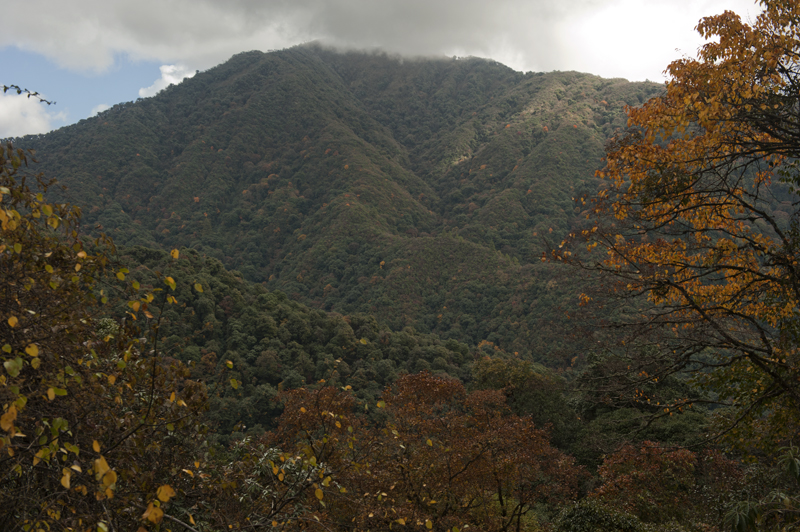
If you’re into birdwatching or nature photography, the Eagle’s Nest Birding Trail is one of those places that feels almost magical. Tucked away in the West Kameng district of Arunachal Pradesh, this trail winds through the rich forests of the Eaglenest Wildlife Sanctuary.
What makes it truly special is the range of altitudes it covers—from around 500 meters to over 3,200 meters. This means you move through completely different ecosystems as you go, making it one of the most diverse birding spots in the Eastern Himalayas.
The trail gained global attention after the discovery of the rare Bugun liocichla—a bird found nowhere else in the world. Add misty mountains, dense forests, and quiet valleys to the mix, and you’ve got a setting that feels straight out of a nature documentary.
What Makes It Special
The sheer variety of birdlife here is incredible. With over 450 recorded species, every walk along the trail brings something new. You might spot the colorful Himalayan monal, the elusive Ward’s trogon, or different kinds of hornbills, laughingthrushes, and wren-babblers.
Because of the changing altitude, you can see both tropical birds from lower regions and high-altitude specialists—all in a single trip. It’s this diversity that keeps birders coming back again and again.
But it’s not just about what you see—it’s also about what you hear. The forests are alive with sound, from the soft whistles of warblers to the deep, echoing calls of barbets. Even if you’re not an expert, just being there is an experience in itself.
Another unique aspect is the involvement of the local Bugun tribe. Their deep connection to the land and active role in conservation make this a great example of community-led eco-tourism.
Getting There
The nearest access point to the trail is Tenga Valley. You can reach it by road from Tezpur, which takes about 6–7 hours.
There are several entry points to the trail, but Lama Camp is one of the most popular bases for birdwatchers and photographers.
Best Time to Visit
The best time for birding is between November and April.
- March to April is especially rewarding, with peak bird activity and forests coming alive with colorful blooms.
- Winter months also offer clear skies and excellent visibility.
You’ll find simple homestays and eco-camps along the trail, many of which are run by local Bugun families—adding a warm, personal touch to your stay.
Nearby Attractions of Eagle’s Nest Birding Trail
The Eagle’s Nest Birding Trail, located within and around the famous Eaglenest Wildlife Sanctuary, is one of the world’s most celebrated birdwatching destinations. Stretching through dense forests, alpine meadows, and Himalayan foothills, the trail attracts birdwatchers, wildlife photographers, and nature enthusiasts from across the globe. Besides its extraordinary avian diversity, the surrounding region offers numerous attractions that showcase the natural and cultural richness of Arunachal Pradesh.
1. Eaglenest Wildlife Sanctuary
The sanctuary itself is the primary attraction around the birding trail. It is home to hundreds of bird species, including the rare Bugun Liocichla, along with red pandas, clouded leopards, Himalayan black bears, and various species of butterflies and orchids.
2. Lama Camp
Lama Camp serves as the main base for birdwatchers exploring Eaglenest. Situated amidst dense forests, the camp offers spectacular mountain views, comfortable eco-camping facilities, and excellent opportunities for spotting Himalayan bird species.
3. Bompu Camp
Located at a lower elevation within the sanctuary, Bompu Camp is known for its rich biodiversity and access to subtropical forests. It is one of the best places to observe rare birds, butterflies, and forest wildlife.
4. Sessni Camp
This scenic campsite lies along the birding trail and provides access to excellent birdwatching habitats. The surrounding forests are particularly active during the early morning hours.
5. Bomdila
Located near the sanctuary, Bomdila is famous for its monastery, apple orchards, local markets, and panoramic Himalayan views. It is often used as a starting point for visits to Eaglenest.
6. Bomdila Monastery
One of the largest monasteries in the region, this spiritual center offers visitors a peaceful atmosphere, traditional Buddhist architecture, and stunning mountain vistas.
7. Sessa Orchid Sanctuary
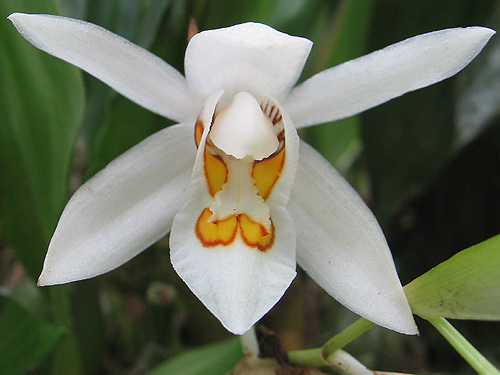
Located south of Eaglenest, Sessa Orchid Sanctuary protects hundreds of orchid species and a rich variety of Himalayan flora. The sanctuary is ideal for nature walks and botanical exploration.
8. Tipi Orchid Research Centre
This renowned orchid conservation center houses a remarkable collection of orchids native to the Eastern Himalayas. Visitors can explore orchid displays, research facilities, and beautiful gardens.
9. Tenga Valley
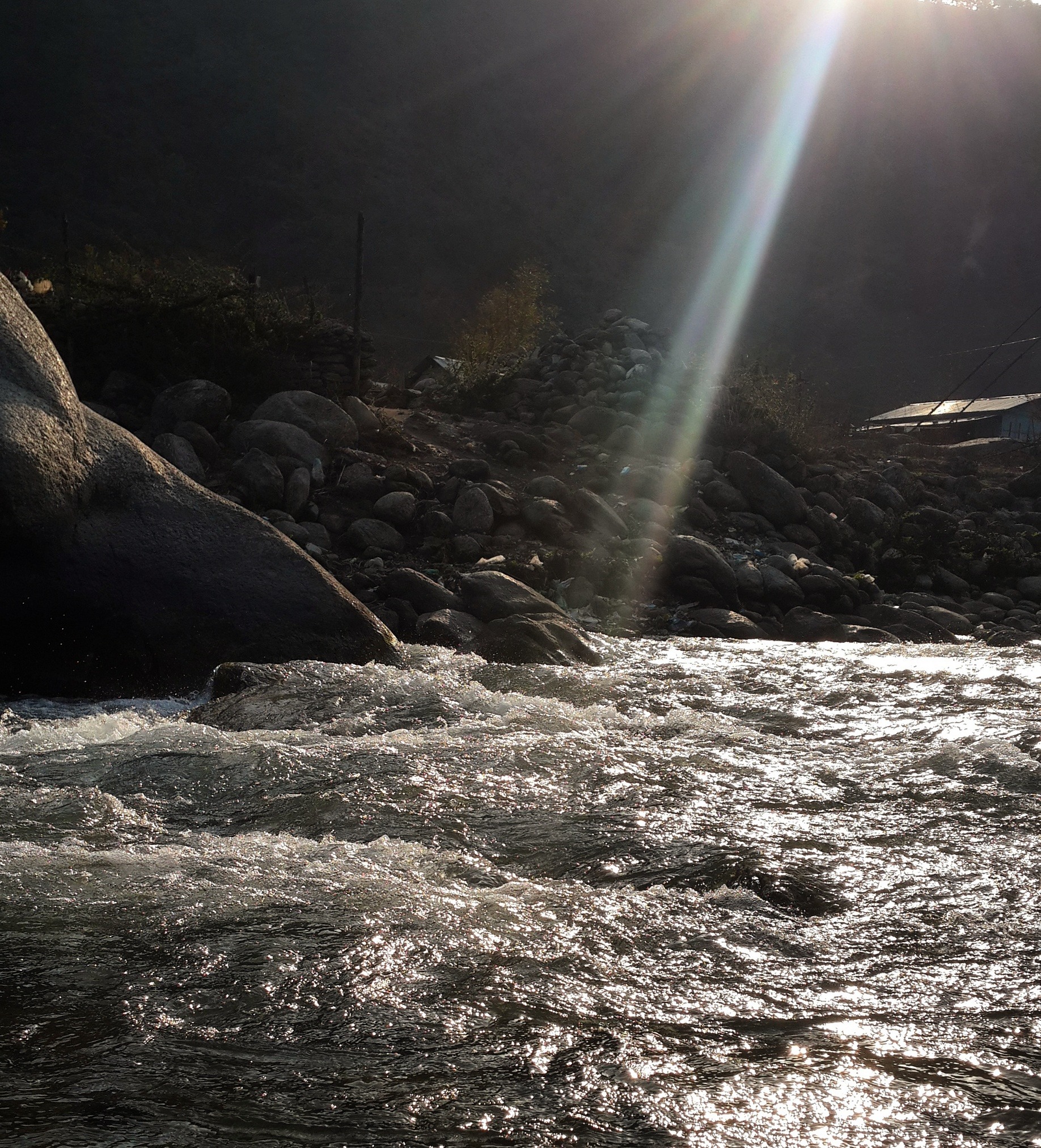
A picturesque valley surrounded by pine forests and mountains, Tenga offers scenic landscapes, riverside views, and a peaceful environment for travelers exploring the region.
10. Rupa Valley
Known for its beautiful scenery and traditional Monpa culture, Rupa Valley provides a tranquil escape and an opportunity to experience local customs and village life.
Travel Tips
Hiring a local guide can make a big difference, as they know bird calls and habitats really well.
Carry a good pair of binoculars and, if possible, a spotting scope.
A camera with a telephoto lens is ideal for capturing birds from a distance.
Wear neutral or earthy-colored clothing so you blend into the surroundings.
Stay quiet and patient—birdwatching here is as much about waiting as it is about spotting.
FAQs
1. Why is the Eagle’s Nest Birding Trail so famous?
It’s known for its incredible bird diversity and for the discovery of the rare Bugun liocichla.
2. Is it suitable for beginners in birdwatching?
Yes, even beginners can enjoy it, though having a guide helps you get the most out of the experience.
3. Do I need permits to visit?
Yes, Inner Line Permits (ILP) are required for Indian visitors to Arunachal Pradesh.
4. How many days should I plan for the trail?
A minimum of 3–5 days is ideal to properly explore different altitudes and birding spots.
5. Are accommodations available near the trail?
Yes, there are basic homestays and eco-camps, especially around Lama Camp.
6. Is the trail physically demanding?
It can be moderately challenging, especially at higher altitudes, but many sections are accessible with short walks.
7. Can I visit outside the birding season?
You can, but bird activity is lower. November to April is the most rewarding time.