Image Source: Prof Ranga Sai
About Gorsam Chorten
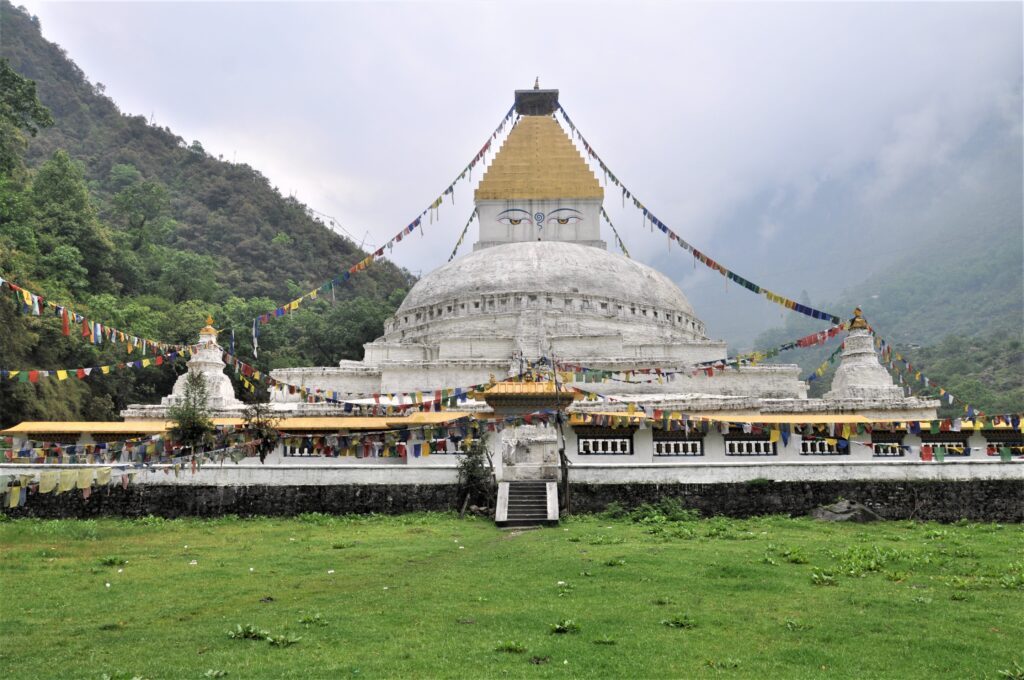
Tucked away in the peaceful valley of Zemithang near the India–Bhutan–Tibet border, the Gorsam Chorten is one of the most remarkable Buddhist landmarks in Arunachal Pradesh. Surrounded by rolling meadows, pine-covered hills, and distant snow-clad Himalayan peaks, this massive white stupa stands as a symbol of faith, culture, and timeless spirituality.
Believed to have been built in the early 14th century, Gorsam Chorten is considered the largest Buddhist stupa in Arunachal Pradesh and an important pilgrimage site for the Monpa community. Its serene location, combined with its spiritual significance, gives the place a deeply calming atmosphere that attracts both devotees and travelers seeking a quieter side of the Himalayas.
Unlike crowded tourist attractions, the charm of Gorsam Chorten lies in its simplicity. Prayer flags flutter gently in the mountain breeze, monks chant sacred hymns, and pilgrims walk silently around the stupa in prayer. The entire setting feels deeply connected to the spiritual traditions of the Himalayan Buddhist world.
History and Legends of Gorsam Chorten
According to local beliefs, the stupa was built by Lama Pradhar, a revered monk from Bhutan who had undertaken a pilgrimage to Nepal’s famous Boudhanath Stupa. Inspired by the sacred architecture and spiritual aura of Boudhanath, he is said to have brought back a miniature model of the stupa and recreated a similar structure in Zemithang using traditional Buddhist design principles.
Over the centuries, Gorsam Chorten has remained an important center of worship and meditation. Despite the harsh mountain climate and historical border tensions in the region, the monument has survived through the dedication of local monks and villagers who continue to preserve its spiritual heritage.
Many fascinating legends are associated with the site. One popular story says that the enormous stones used for the base of the stupa were transported manually by villagers from distant mountain areas. They carried the stones over rugged terrain using wooden sledges, demonstrating extraordinary devotion and collective effort. Even today, locals proudly recount these stories as symbols of unity and faith.
Architecture and Sacred Features
The architecture of Gorsam Chorten reflects classic Himalayan Buddhist design blended with local Monpa influences. The structure is enormous and visually striking, especially against the green valley landscape.
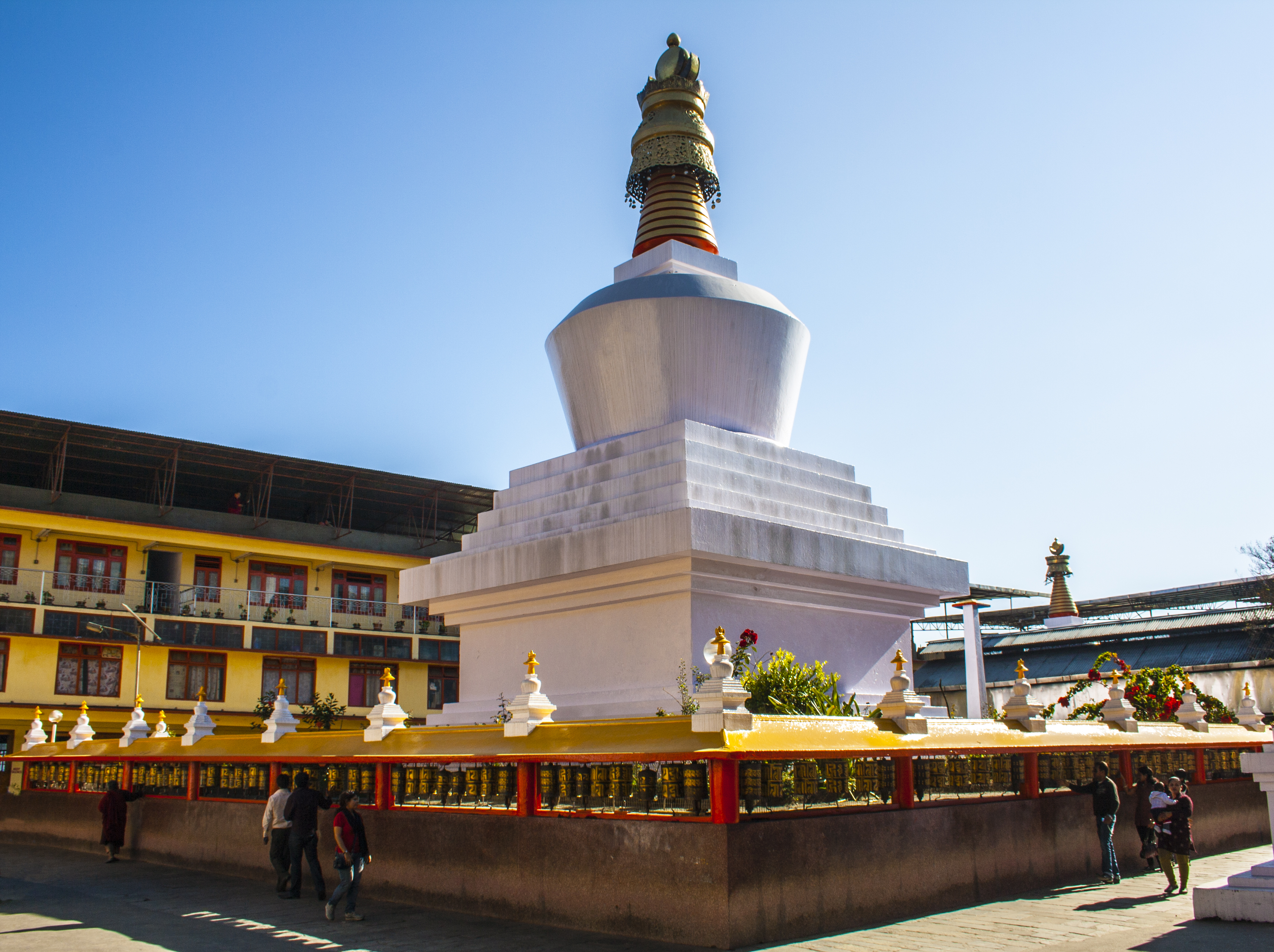
The main stupa features a large whitewashed dome built upon a triple-tiered base. Above the dome rises a golden spire adorned with sacred rings, crowned by a lotus-shaped finial and the symbolic sun-and-moon motif often seen in Buddhist monuments. The design represents enlightenment, purity, and the spiritual journey toward liberation.
Around the main structure, visitors can find smaller chortens, prayer walls, and colorful prayer flags that add to the sacred atmosphere of the complex. Pilgrims traditionally perform a clockwise circumambulation, known as kora, while chanting mantras and spinning prayer wheels. This ritual is believed to cleanse negative karma and bring spiritual merit.
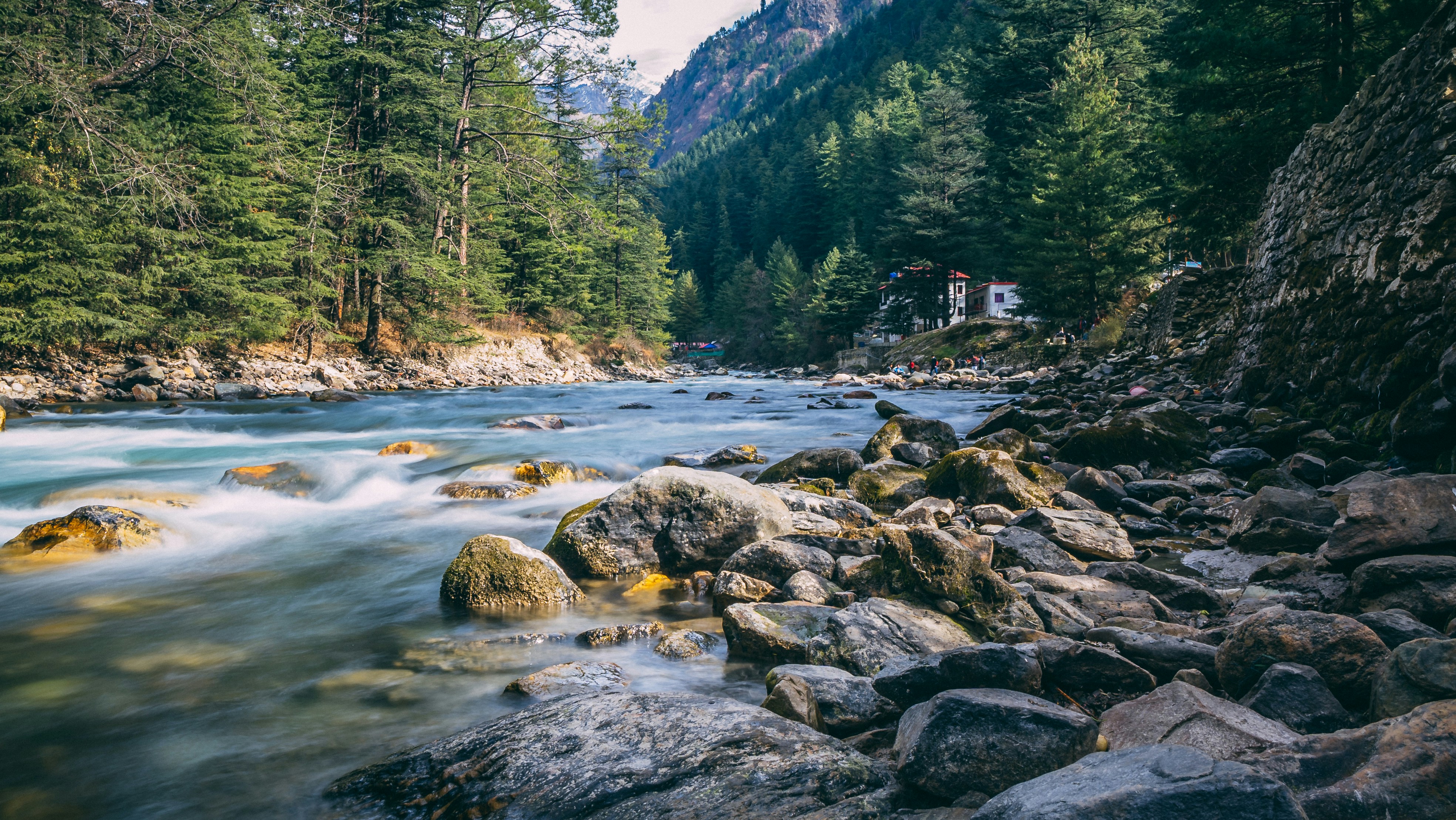
One of the most beautiful aspects of the site is its setting. Located near the flowing waters of the Nyamjang Chu River, the stupa sits amidst open meadows and mountain scenery that create an almost meditative environment.
Gorsam Kora Festival
The spiritual importance of Gorsam Chorten becomes especially visible during the famous Gorsam Kora Festival. Celebrated during the third lunar month of the Tibetan calendar, usually in March, the festival attracts thousands of devotees from Arunachal Pradesh, Bhutan, and nearby Tibetan regions.
During the festival, pilgrims gather to perform the sacred kora around the stupa. The celebrations are filled with traditional Monpa music, ritual dances, colorful clothing, and Buddhist prayers. Temporary markets and local trade fairs also spring up around the festival grounds, turning the valley into a vibrant cultural gathering space.
For many locals, the festival is not just a religious event but also a time for community bonding, cultural exchange, and preserving ancient Himalayan traditions.
Natural Beauty Around the Chorten
Apart from its spiritual appeal, Gorsam Chorten is also surrounded by breathtaking natural beauty. The Zemithang Valley is known for its peaceful landscapes, traditional wooden houses, terraced farms, and untouched Himalayan scenery.
The nearby Nyamjang Chu River enhances the beauty of the region with its crystal-clear waters flowing through the valley. Birdwatchers and nature lovers often find the area rewarding due to its rich biodiversity and quiet environment. During clear weather, the distant snow-covered mountains create a stunning backdrop for photography and sightseeing.
Travelers visiting the chorten often combine their journey with a visit to Zemithang village, where they can experience local Monpa culture, traditional cuisine, and the warm hospitality of the mountain communities.
How to Reach Gorsam Chorten
By Road
Gorsam Chorten is located around 92 km from Tawang and can be reached through the scenic mountain route via Lumla. Shared taxis and private vehicles regularly operate between Tawang and Zemithang. The drive itself is incredibly beautiful, offering panoramic views of valleys, rivers, and Himalayan landscapes.
By Air
The nearest airport is Tezpur Airport, located approximately 370 km away. From Tezpur, travelers usually continue their journey by road toward Tawang and then onward to Zemithang.
By Rail
The closest railway station is Rangapara North Railway Station. From there, taxis and buses are available for the long but scenic road journey into Arunachal Pradesh.
Best Time to Visit
The ideal time to visit Gorsam Chorten is between October and April when the skies remain clear and the mountain views are spectacular. March is particularly special because of the Gorsam Kora Festival, which offers a chance to witness the spiritual and cultural life of the region at its peak.
Winter months can be quite cold due to the high altitude, so visitors should carry sufficient warm clothing.
Travel Tips for Visitors
Visitors should dress modestly and behave respectfully, as the chorten remains an active place of worship for the local Buddhist community. Comfortable walking shoes are recommended because exploring the surrounding areas may involve short walks across uneven terrain.
Since Zemithang lies at a higher altitude and close to snow-covered Himalayan ranges, temperatures can drop quickly, especially during evenings and early mornings. Carrying warm jackets, gloves, and basic medicines is advisable.
Photography is generally allowed outdoors, but travelers should always seek permission before photographing monks or religious rituals.
Google Maps
FAQs
Where is Gorsam Chorten located?
Gorsam Chorten is located in Zemithang Valley in Arunachal Pradesh, near the India–Bhutan–Tibet border.
Why is Gorsam Chorten famous?
It is famous for being the largest Buddhist stupa in Arunachal Pradesh and an important pilgrimage center for the Monpa Buddhist community.
Who built Gorsam Chorten?
According to local tradition, the stupa was built by Lama Pradhar after being inspired by Nepal’s Boudhanath Stupa.
What is the Gorsam Kora Festival?
The Gorsam Kora Festival is a major Buddhist festival where pilgrims gather to perform ritual circumambulation around the stupa and participate in cultural celebrations.
What is the best time to visit Gorsam Chorten?
The best time to visit is from October to April, especially during March when the Gorsam Kora Festival takes place.
How far is Gorsam Chorten from Tawang?
Gorsam Chorten is approximately 92 km from Tawang and can be reached by road through Lumla.
Is a permit required to visit Zemithang?
Yes, travelers visiting Arunachal Pradesh generally require an Inner Line Permit (ILP). Foreign nationals may need a Protected Area Permit (PAP).
Can Gorsam Chorten be visited in one day from Tawang?
Yes, it is possible as a day trip from Tawang, although many travelers prefer staying overnight in Zemithang to fully experience the peaceful surroundings.