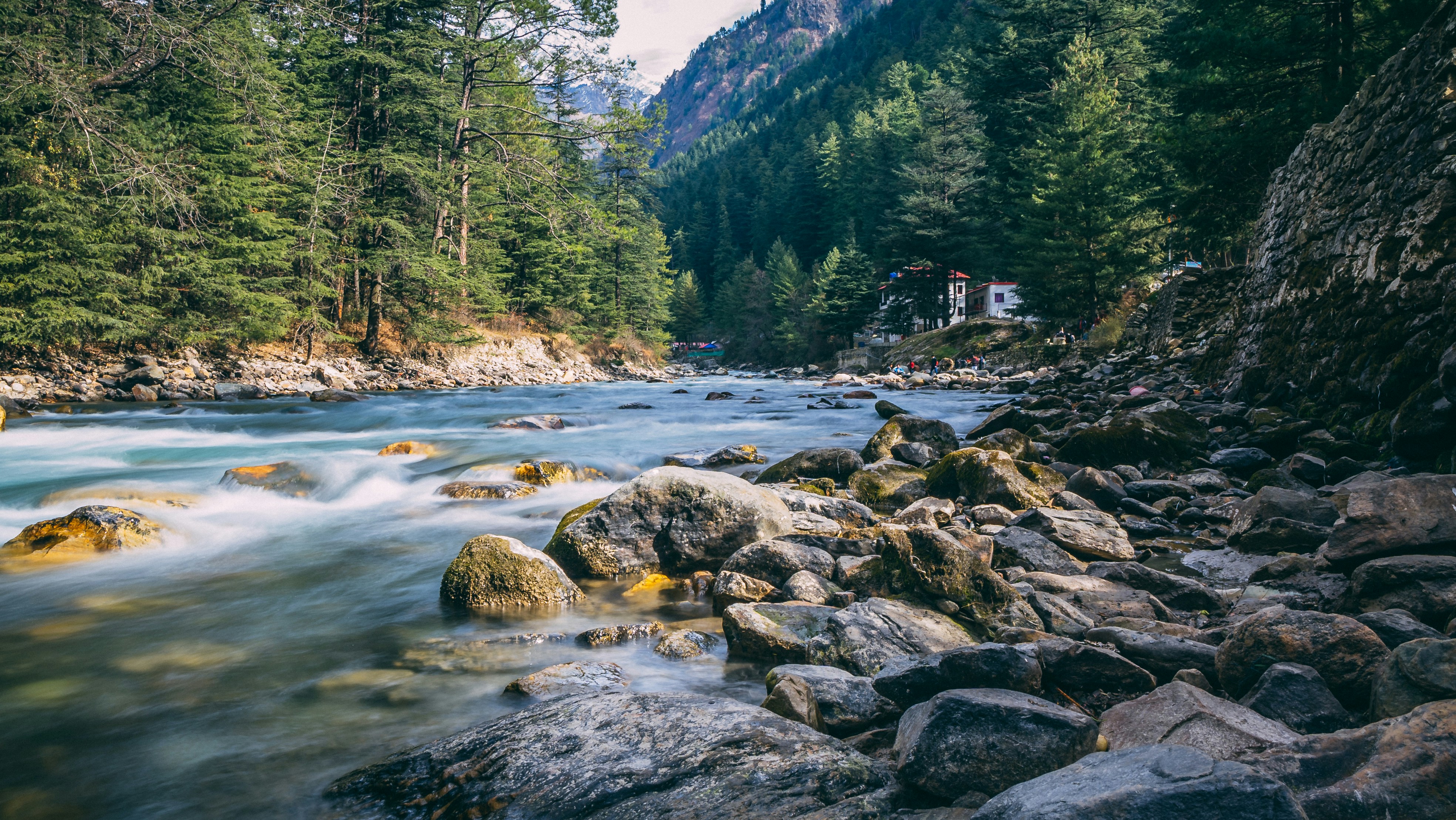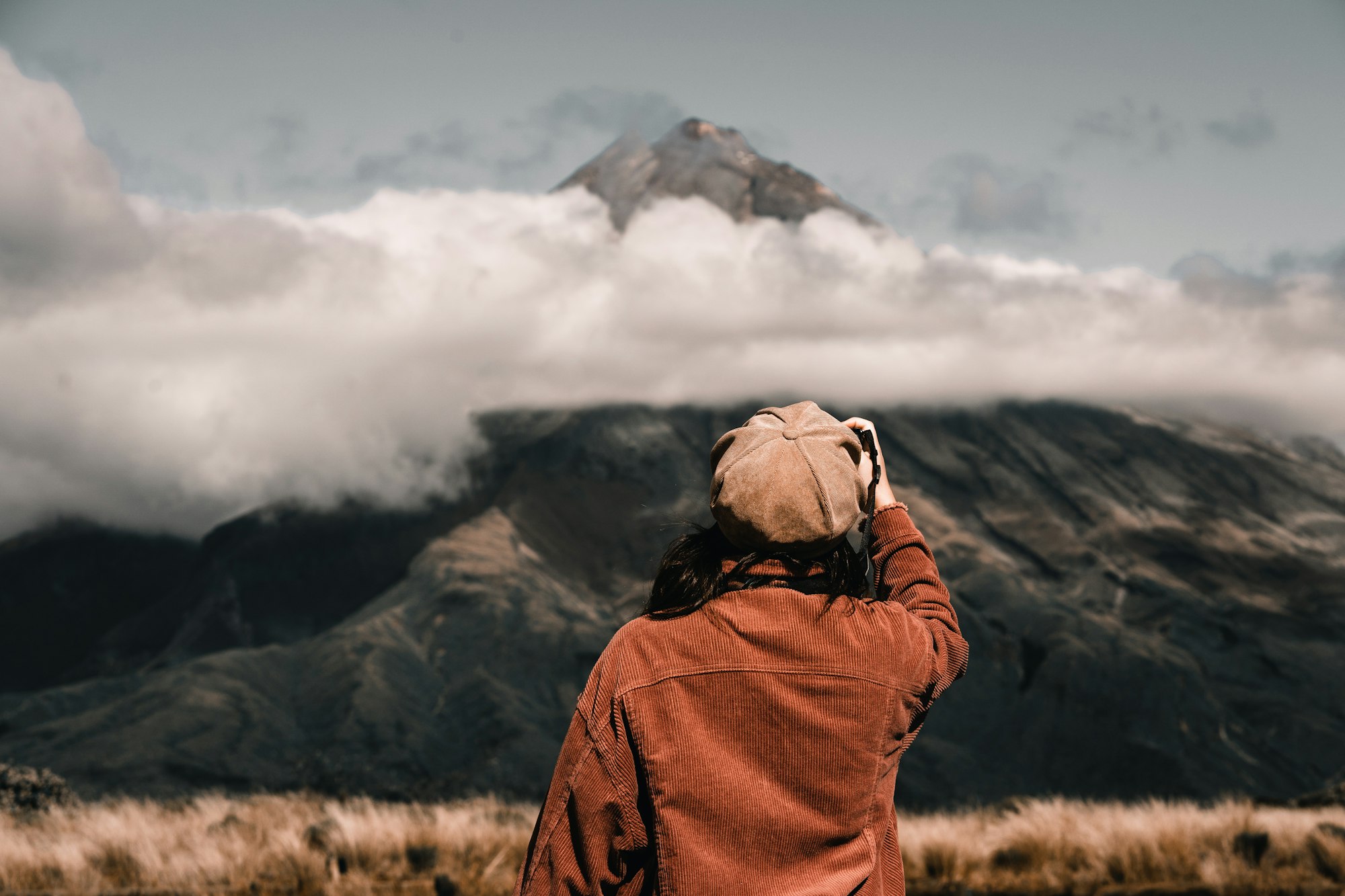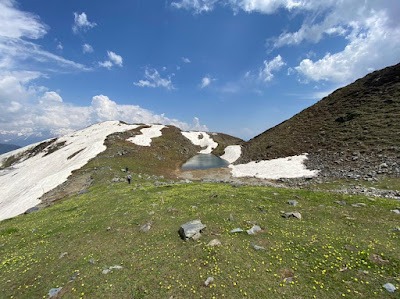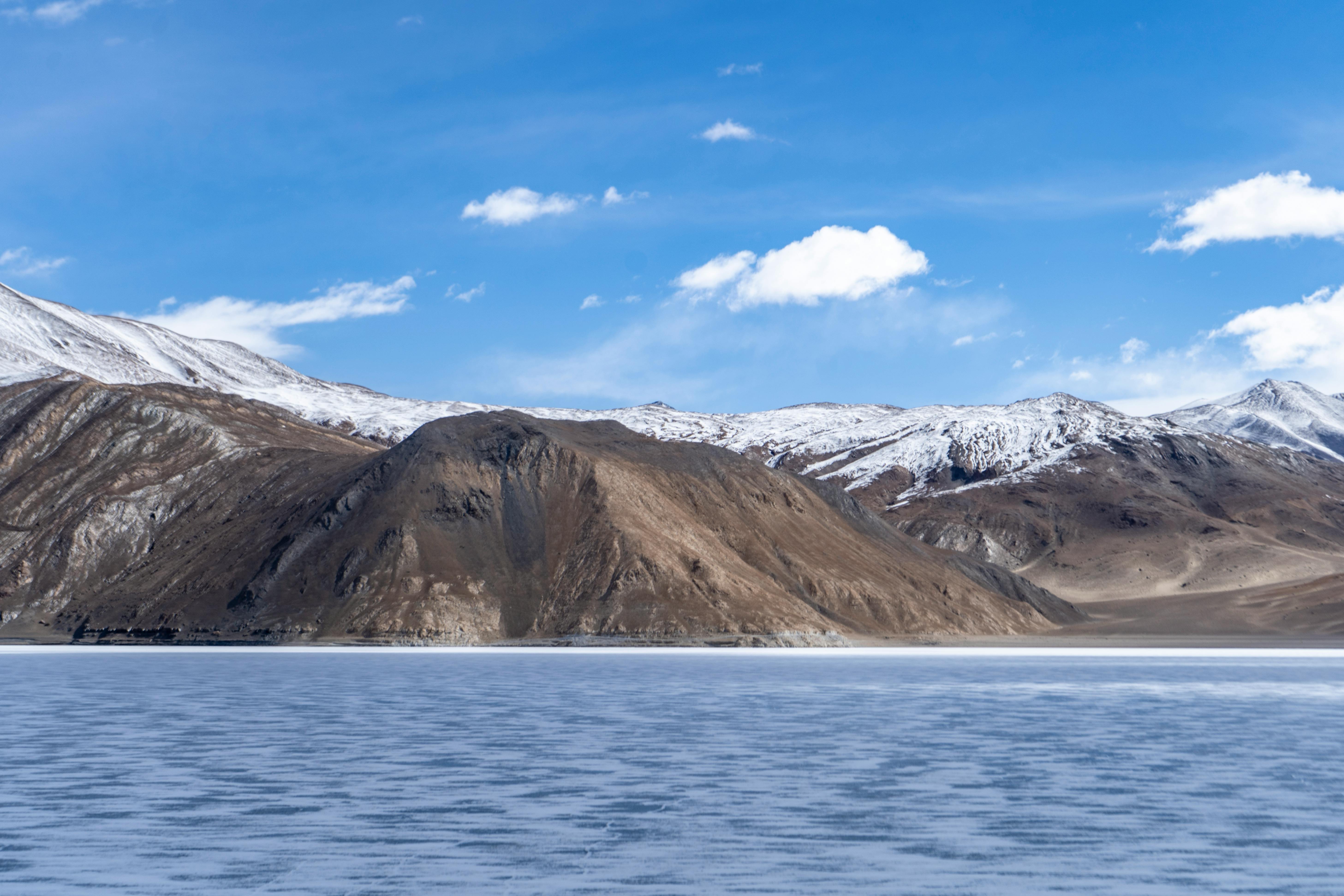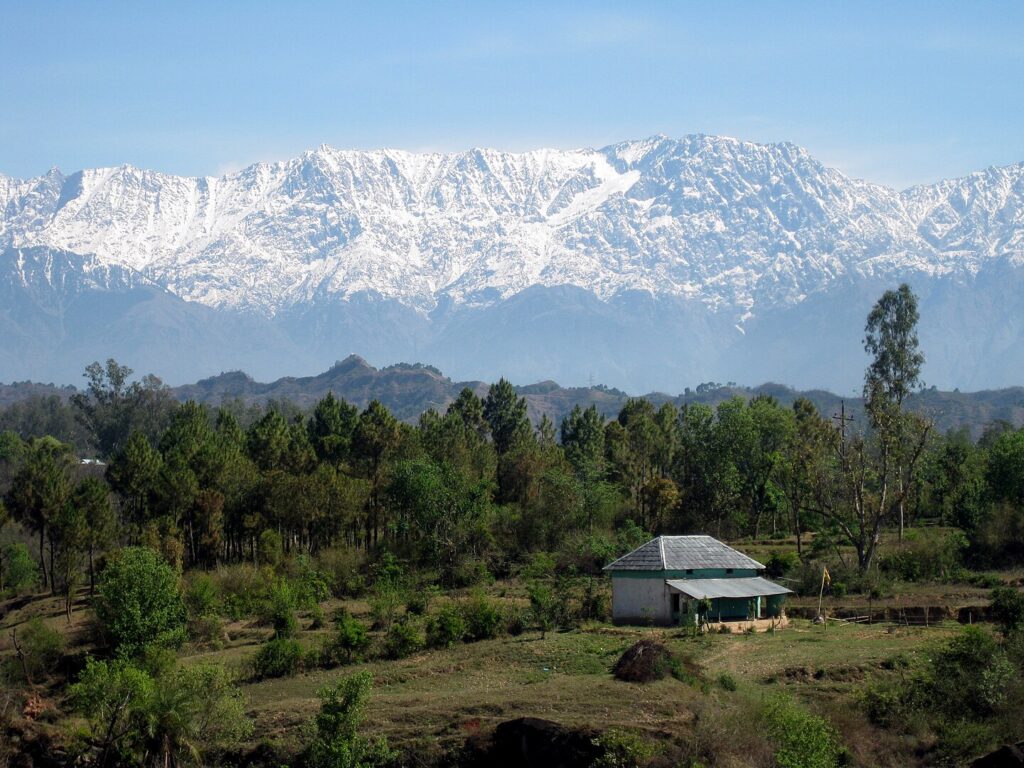
Image Source: Ashish Sharma
About Kundli Pass
The Kundli Pass sits high in the Himalayas at around 4,550 meters, offering a challenging yet deeply rewarding trekking experience. This lesser-known route connects Dharamshala to the remote valleys of Chamba, cutting across rugged terrain and dramatic mountain landscapes.
The name “Kundli,” meaning coil or spiral, perfectly describes the pass’s winding, snake-like form as it twists through boulders and sharp ridgelines. Flanked by towering peaks like Mun Peak and Toral Pass, this route feels raw, remote, and untouched.
Once used by shepherds and traders, the trail has slowly faded from regular use, making it a hidden gem for trekkers seeking solitude. The best time to attempt it is between June and October, when the weather is relatively stable.
What Makes Kundli Pass Unique
One of the most interesting aspects of this trek is the contrast in terrain. The climb from Dharamshala is steep and physically demanding, pushing your endurance right from the start. But once you cross the pass, the descent toward Chamba becomes gentler, leading you through forests, meadows, and quiet villages that feel frozen in time.
It’s not just a trek—it’s a journey through changing landscapes and cultures.
Trek Experience & Route Overview
The trek usually begins from Dharamshala and gradually moves deeper into the Dhauladhar Range. The early stages pass through villages like Khaniyara, where you’ll come across local shrines such as Indru Nag Temple, dedicated to the rain deity—still worshipped by locals for protection from storms.
As you move higher, the trail winds through terraced fields, grazing lands, and alpine meadows. Places like Thatharna and Bakhalodu serve as traditional grazing grounds, where you might encounter the Gaddi Tribe—shepherds who have been navigating these mountains for generations.
The most demanding section comes as you approach the pass itself. The climb involves navigating steep ridges, loose moraine, and boulder fields. At the top, you’ll often find tridents placed by shepherds as offerings—a quiet reminder of the spiritual connection locals have with these mountains.
From the summit, the views are breathtaking. On one side, you see the rolling landscapes of Kangra; on the other, the forested valleys of Chamba stretch into the distance.
The descent leads into quieter terrain—dense forests, wooden shrines like that of Bangeri Mata, and eventually villages such as Kwarsi. From here, trekkers can continue toward Bharmour, known for the ancient Chaurasi Temple Complex and as the base for the sacred Manimahesh Lake pilgrimage.
Cultural & Natural Highlights
What sets Kundli Pass apart is its deep connection to local life and traditions. Along the way, you’ll hear stories of spirits, mountain gods, and ancient rituals still practiced in these remote areas.
The presence of Gaddi shepherds, seasonal stone shelters, and sacred shrines adds a human layer to the rugged landscape. It’s a place where nature and belief systems are closely intertwined.
Why Attempt the Kundli Pass Trek
- Offbeat Adventure: Far less crowded than popular Himalayan trails.
- Raw Beauty: Untouched landscapes, alpine meadows, and dramatic ridges.
- Cultural Depth: Encounters with traditional mountain communities.
- Panoramic Views: Sweeping vistas of both Kangra and Chamba regions.
This trek is ideal for experienced trekkers who want something more than just scenic beauty—it offers a sense of discovery.
Practical Tips
- Difficulty Level: Moderate to difficult.
- Duration: Around 6–7 days.
- Fitness: Good stamina and prior trekking experience are essential.
- Guide: Highly recommended, as trails can be faint and confusing.
- Supplies: Carry food and essentials—facilities are minimal until you reach villages like Kwarsi.
- Respect Nature: Follow Leave No Trace principles and respect local customs at shrines.
Best Time to Visit
- June to October: Best conditions with clearer trails and manageable weather.
- Avoid winter months due to heavy snow and risky conditions near the pass.
Google Maps
FAQs
1. Is Kundli Pass Trek suitable for beginners?
No, this trek is better suited for experienced trekkers due to its steep climbs, high altitude, and remote terrain.
2. How long does the trek take?
Typically, it takes about 6–7 days depending on your pace and route variations.
3. Do I need a guide for this trek?
Yes, hiring a local guide is strongly recommended as the trail is not well-marked and can be tricky to navigate.
4. What is the highest point of the trek?
The highest point is Kundli Pass itself, at around 4,550 meters.
5. What makes this trek unique?
Its mix of challenging terrain, cultural encounters, and untouched landscapes makes it stand out from more commercial treks.
6. Are there accommodation options along the route?
Mostly camping and basic shelters. Facilities are very limited until you reach larger villages.
7. Is it safe to do this trek solo?
Solo trekking is not recommended due to the remoteness and navigation challenges.