Image Source: Ram Kumar MN
Introduction: A Sanctuary Defined by Subtlety
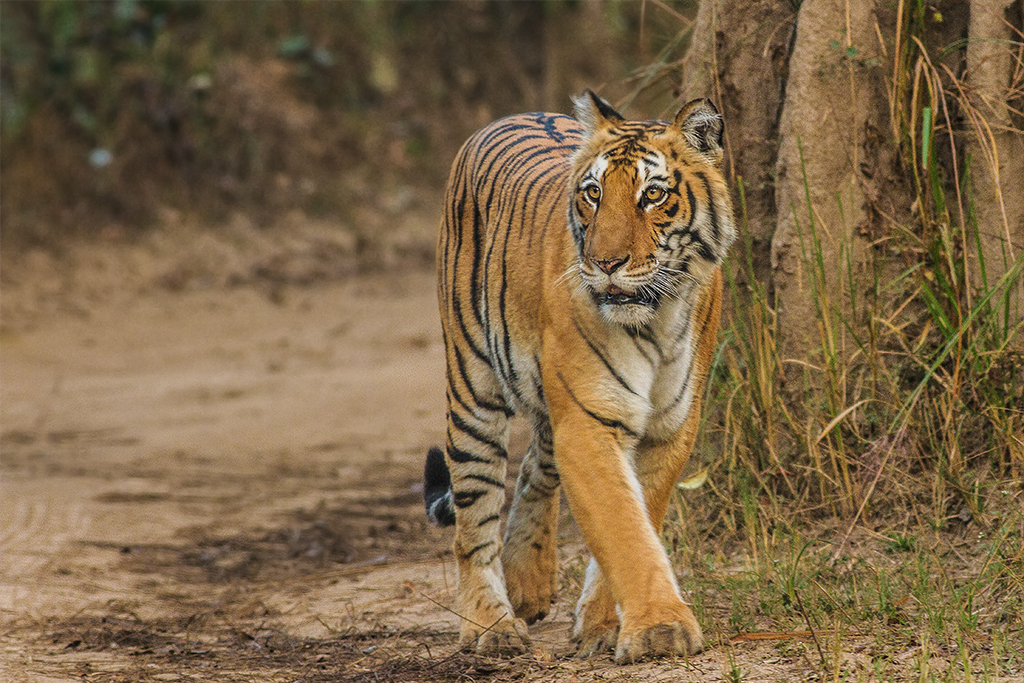
In the grand narrative of India’s wildlife destinations, places like Jim Corbett National Park or Periyar Tiger Reserve often dominate the spotlight with their charismatic megafauna. Yet, tucked away in the dry eastern slopes of the Western Ghats lies a sanctuary that thrives on subtlety rather than spectacle—the Grizzled Squirrel Wildlife Sanctuary.
This is not a forest of roaring predators or dense rainforest drama. Instead, it is a landscape of whispering riverbanks, dry deciduous trees, and fleeting movements high in the canopy , where the rare Ratufa macroura lives almost invisibly.
Location and Landscape: Where Rivers Shape the Forest
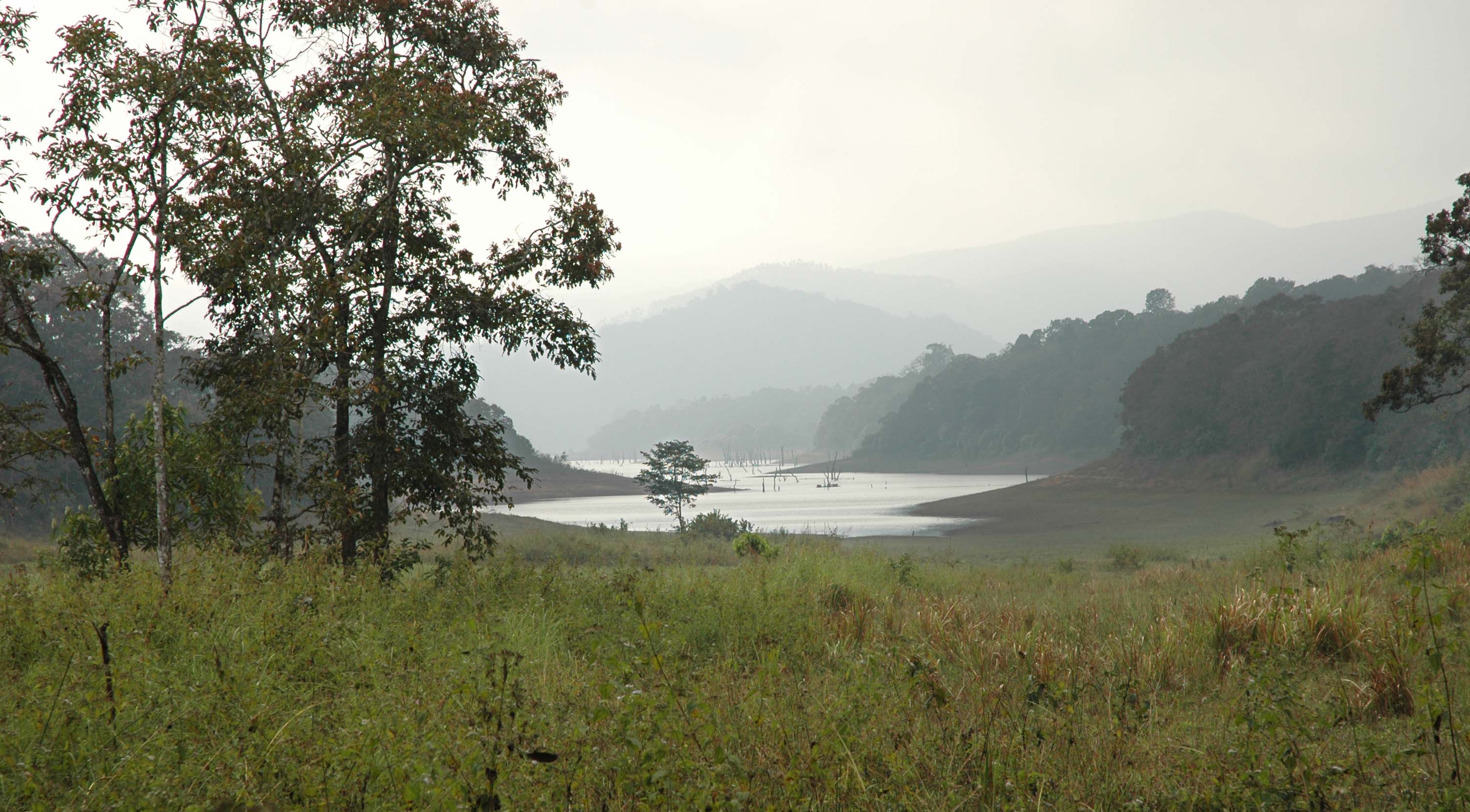
The sanctuary stretches across parts of Srivilliputhur and Theni districts in Tamil Nadu , forming a critical ecological link in the southern Western Ghats. It lies along the rain-shadow region, meaning it receives less rainfall compared to the western slopes, giving rise to a distinctive dry forest ecosystem.
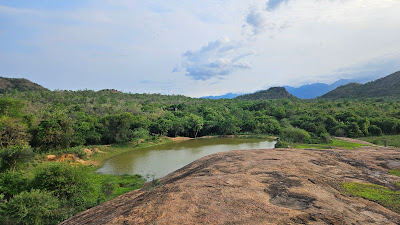
What defines this sanctuary is its riverine geography . Seasonal and perennial streams, especially tributaries of the Vaigai River, cut through the terrain, creating green corridors amidst otherwise dry landscapes. These riverbanks support tall, mature trees that form continuous canopy pathways—essential for arboreal species.
Ecologically, the sanctuary connects with major protected landscapes such as Periyar Tiger Reserve and Megamalai Wildlife Sanctuary, forming part of a broader wildlife corridor that enables species movement and genetic exchange across the Western Ghats.
The Keystone Species: Grizzled Giant Squirrel
At the heart of this sanctuary’s identity is the elusive Ratufa macroura—one of the least known yet ecologically significant mammals of India.
Unlike the brightly colored Malabar giant squirrel, this species has a muted grey-brown coat , perfectly adapted for camouflage against tree bark. It is smaller, quieter, and far more sensitive to disturbance.
The squirrel depends heavily on:
* Tall riverine trees for nesting .
* Continuous canopy cover for movement.
* Minimal human interference.
Its presence indicates a healthy, undisturbed forest ecosystem . However, because it is so habitat-specific, even small disruptions—like tree cutting along riverbanks—can severely impact its survival.
The vegetation of the sanctuary is a fascinating blend of:
Vegetation: A Mosaic of Dry and Riverine Forests
* Dry deciduous forests dominated by species like Terminalia and Albizia
* Thorn forests in drier patches
* Lush riverine vegetation along water bodies
This creates a striking contrast—while the hills may appear dry and rugged, the riverbanks are often dense, green, and teeming with life.
These riverine belts are ecological lifelines. They support:
* Nesting sites for squirrels
* Food sources like fruits and seeds
* Habitat for birds, reptiles, and insects
The sanctuary thus functions as a microhabitat network , where life thrives along narrow green corridors.
Wildlife Beyond the Squirrel
Although the sanctuary is named after a single species, it hosts a surprising diversity of wildlife.
Mammals
* Asian elephants moving through forest corridors.
* Leopards, though rarely seen.
* Nilgiri langurs inhabiting the canopy.
* Bonnet macaques near forest edges.
Avifauna
The sanctuary is a paradise for birdwatchers:
* Grey hornbills.
* Peafowl.
* Drongos and woodpeckers.
* Riverine bird species.
Reptiles and Others
* Monitor lizards.
* Snakes adapted to dry forests.
* Amphibians near water bodies.
Despite its understated reputation, the sanctuary is a biodiversity-rich landscape , especially for those who appreciate smaller, less conspicuous species.
Experiencing the Sanctuary: Slow Travel in the Wild
Unlike commercial wildlife parks, the Grizzled Squirrel Wildlife Sanctuary offers a more immersive and contemplative experience .
Nature Walks
Guided walks allow visitors to:
* Observe canopy life.
* Identify bird calls.
* Understand forest ecology.
Wildlife Tracking
Spotting the grizzled squirrel requires patience:
* Look for movement in upper branches.
* Listen for rustling leaves.
* Early mornings are ideal.
Photography
The interplay of light, dry landscapes, and green river belts makes it perfect for:
* Landscape photography.
* Wildlife documentation.
This is a place where you don’t chase wildlife—the forest reveals itself gradually.
Best Time to Visit
The ideal time to explore the sanctuary is between October and March , when temperatures are moderate and visibility is better.
* Summers can be harsh due to dry conditions.
* Post-monsoon months bring greenery along riverbanks.
Early mornings and late afternoons are the best times for wildlife activity.
How to Reach
The sanctuary is accessible yet remains relatively untouched by heavy tourism.
* Nearest town : Srivilliputhur.
* Nearest major city : Madurai.
* Railway access : Srivilliputhur station.
* Airport : Madurai Airport.
Road journeys through this region are scenic, passing through villages, farmlands, and gradually rising forested hills .
Conservation Challenges
Despite its protected status, the sanctuary faces several threats:
Habitat Fragmentation
Expansion of agriculture and settlements reduces forest continuity, especially along riverbanks.
Tree Loss
Cutting of large trees directly impacts the nesting habitat of the grizzled squirrel.
Human Disturbance
Unregulated tourism or local pressures can disturb sensitive wildlife.
Conservation Importance
This sanctuary is not just about protecting a single species—it represents a broader conservation philosophy:
* Protecting specialized habitats.
* Conserving lesser-known species.
* Maintaining ecological corridors in the Western Ghats.
Its connection with landscapes like Periyar Tiger Reserve ensures that it plays a role in regional biodiversity stability .
Cultural and Ecological Context
The forests around Srivilliputhur have long been part of local livelihoods and traditions. Communities have historically depended on:
* Forest produce.
* River water systems.
* Traditional ecological knowledge.
Modern conservation efforts increasingly recognize the need to integrate local communities into sustainable management practices.
Final Perspective: The Value of Quiet Ecosystems
The Grizzled Squirrel Wildlife Sanctuary is not a place of dramatic safaris or guaranteed sightings. It is a landscape that rewards patience, observation, and curiosity .
Here, the forest teaches a different lesson:
* That biodiversity is not always loud or visible
* That small, fragile habitats can hold immense ecological value.
* That conservation is as much about protecting the unnoticed as it is about saving iconic species.
In the rustle of leaves along a riverbank, in the fleeting leap of a squirrel between branches, and in the silence of dry forests, this sanctuary tells a story of resilience and balance.
It stands as a reminder that the future of conservation lies not only in protecting the famous, but also in safeguarding the quiet corners of the wild where life persists against the odds.