Vaishno devi
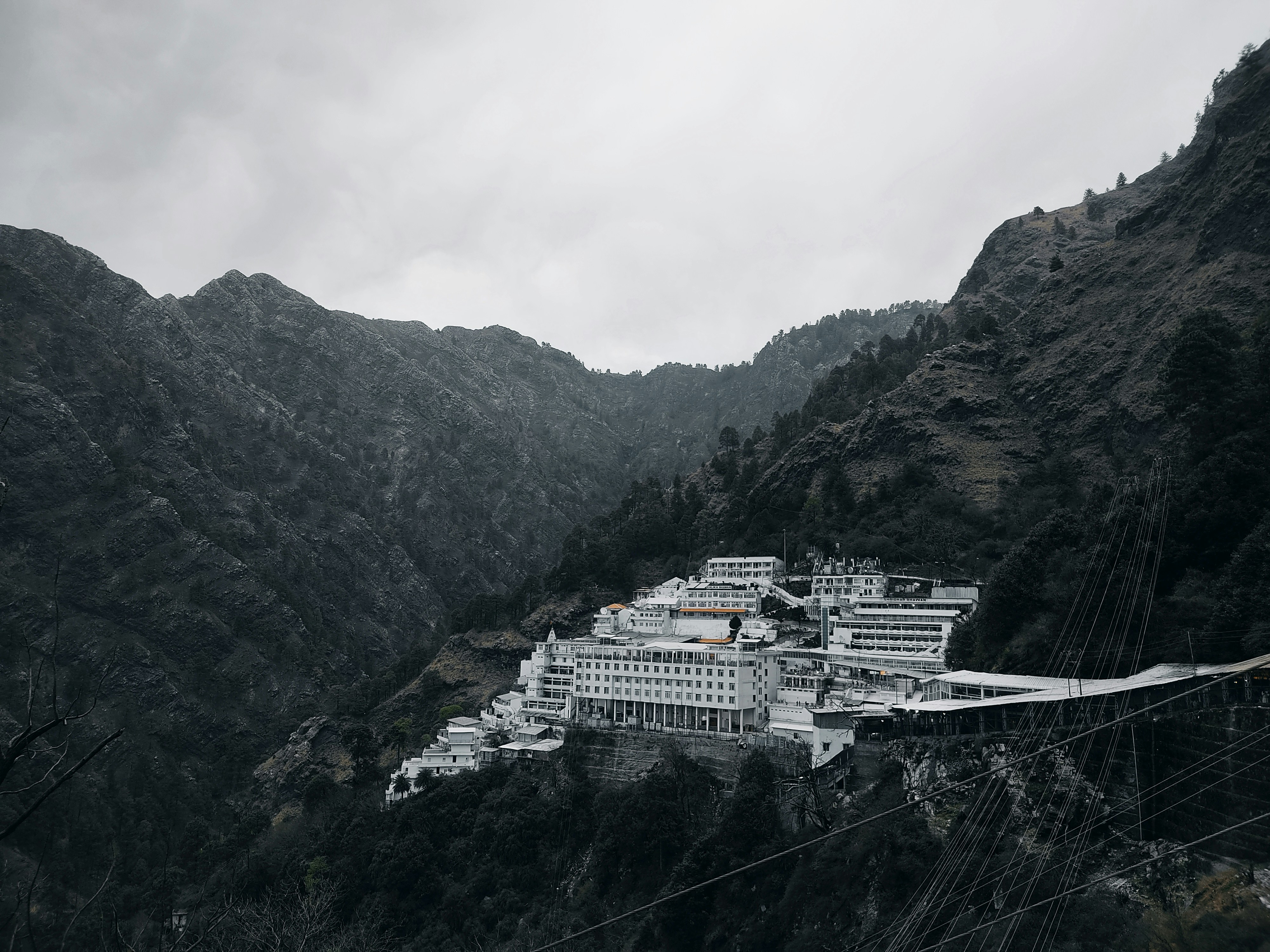
Nestled amidst the scenic Trikuta Hills of the Jammu region, Vaishno Devi is one of the most revered pilgrimage destinations in India. Every year, millions of devotees undertake the spiritual journey to seek the blessings of Mata Vaishno Devi, making it one of the busiest and most significant pilgrimage sites in the country. The shrine is not only a center of faith but also a destination where spirituality, Himalayan landscapes, culture, and adventure come together.
Located at an altitude of approximately 1,585 meters (5,200 feet) above sea level, the holy cave shrine attracts pilgrims from all walks of life. The journey to Vaishno Devi is considered a spiritual experience in itself, as devotees walk through the winding mountain path while chanting devotional hymns and seeking divine blessings.
Whether you are a devotee, a traveler interested in cultural heritage, or someone looking to experience one of India’s most famous pilgrimage routes, Vaishno Devi offers an unforgettable journey filled with faith, tradition, and natural beauty.
About Vaishno Devi
Vaishno Devi is a sacred cave shrine dedicated to Mata Vaishno Devi, a manifestation of the divine feminine energy or Shakti. The shrine is located in the Trikuta Mountains near the town of Katra in the Union Territory of Jammu and Kashmir.
Unlike traditional temples where idols are worshipped, the sanctum of Vaishno Devi houses three naturally formed rock formations known as Pindis. These represent the three forms of the Goddess:
- Maha Kali.
- Maha Lakshmi.
- Maha Saraswati.
Devotees believe that the Goddess resides in the holy cave and grants blessings to those who undertake the pilgrimage with sincere devotion.
The pilgrimage route passes through beautiful mountain landscapes, offering panoramic views of valleys, forests, and surrounding hills. The atmosphere is filled with chants of “Jai Mata Di,” creating a unique spiritual energy throughout the journey.
Mythological Significance of Vaishno Devi
The story of Mata Vaishno Devi is deeply rooted in Hindu mythology.
According to legend, Vaishnavi was born as a manifestation of divine energy to uphold righteousness and help humanity. From an early age, she devoted herself to meditation and spiritual practices.
A tantric ascetic named Bhairon Nath became fascinated by her spiritual powers and began pursuing her. To avoid him, the Goddess traveled through the Trikuta Hills and eventually took refuge in a cave.
During her journey, several places associated with the pilgrimage route today gained religious significance. It is believed that she meditated at Adhkuwari Cave for nine months before continuing toward the holy cave.
When Bhairon Nath finally reached her, the Goddess revealed her divine form and beheaded him. His head fell on a nearby hilltop, where the Bhairon Temple now stands.
Before attaining liberation, Bhairon Nath sought forgiveness. The Goddess granted his wish and declared that every pilgrimage to Vaishno Devi would remain incomplete without visiting Bhairon Temple.
This legend continues to shape the traditions followed by pilgrims today.
History of Vaishno Devi Shrine
The exact origins of the shrine remain uncertain, but references to the worship of the Goddess in the Trikuta Hills can be traced back several centuries.
Local traditions suggest that the cave shrine has been known to devotees for over a thousand years. Over time, it evolved into one of the most important pilgrimage centers in northern India.
The shrine gained wider prominence during the medieval period as saints and spiritual leaders promoted the worship of Shakti. Pilgrims from across the Indian subcontinent began undertaking the challenging mountain journey to seek the blessings of Mata Vaishno Devi.
Today, the shrine is managed by the Shri Mata Vaishno Devi Shrine Board, which oversees pilgrim facilities, accommodation, healthcare services, and infrastructure development.
Modern amenities have significantly improved accessibility while preserving the spiritual essence of the pilgrimage.
The Holy Cave Shrine
The holy cave is the spiritual heart of Vaishno Devi.
Unlike conventional temples, the sanctum does not contain a man-made idol. Instead, devotees worship the three sacred Pindis representing the three manifestations of divine feminine power.
The original cave was narrow and naturally formed. Traditionally, pilgrims would crawl through sections of the cave while passing through icy water. Although alternative access routes have been developed to accommodate large crowds, the original cave remains an important part of the shrine’s heritage.
The atmosphere inside the cave is deeply spiritual. The chants, prayers, and devotion of countless pilgrims create a sense of reverence that leaves a lasting impression on visitors.
For many devotees, the darshan of the sacred Pindis is the culmination of a lifelong spiritual aspiration.
The Vaishno Devi Trek
One of the most memorable aspects of the pilgrimage is the trek from Katra to the shrine.
The journey begins at Katra, the base town for pilgrims. The distance from Katra to the Bhawan (main shrine complex) is approximately 13 kilometers.
The route is paved, well-lit, and maintained throughout the year. Pilgrims can choose between the traditional route and newer pathways designed to reduce congestion.
Important points along the route include:
Banganga
According to legend, Mata Vaishno Devi shot an arrow into the ground to create a water source for her companion Hanuman. Pilgrims often stop here to offer prayers before beginning the ascent.
Charan Paduka
This sacred site is believed to contain the footprints of the Goddess. Devotees visit the temple to seek blessings during their journey.
Adhkuwari
One of the most important stops along the route, Adhkuwari is where the Goddess is believed to have meditated for nine months. The cave here holds immense religious significance.
Himkoti
Known for its scenic views, Himkoti offers panoramic vistas of the surrounding mountains and valleys.
Bhawan
The main shrine complex where pilgrims receive darshan of the holy Pindis.
The trek is considered moderate and can usually be completed in five to eight hours depending on fitness levels and crowd conditions.
Alternative Ways to Reach the Shrine
While many pilgrims prefer walking, several alternative options are available.
Pony Services
Ponies can be hired from designated points along the route and are commonly used by elderly pilgrims.
Palkis
Palkis (palanquins) are carried by trained bearers and provide a comfortable option for those unable to walk.
Battery Vehicles
Battery-operated vehicles are available on certain sections of the route.
Helicopter Services
Helicopter services operate between Katra and Sanjichhat, significantly reducing travel time.
From Sanjichhat, pilgrims walk a short distance to reach the Bhawan.
Ropeway to Bhairon Temple
A ropeway service connects the Bhawan area with Bhairon Temple, making it easier for pilgrims to complete their pilgrimage.
Best Time to Visit Vaishno Devi
March to June
This is one of the most pleasant periods for visiting Vaishno Devi. The weather remains comfortable, and the mountain scenery is particularly beautiful.
July to September
The monsoon season brings occasional rainfall, making the hills lush and green. Travelers should carry rain gear and appropriate footwear.
October to November
Many visitors consider autumn one of the best times to visit. Clear skies and moderate temperatures create ideal conditions for the pilgrimage.
December to February
Winter transforms the Trikuta Hills into a beautiful landscape, sometimes receiving snowfall. Pilgrims should be prepared for cold weather and lower temperatures.
Festivals and Celebrations
Vaishno Devi comes alive during major religious festivals.
Navratri
Navratri is the most important festival celebrated at the shrine. Thousands of devotees arrive during this period to participate in special prayers and ceremonies.
Diwali
The shrine is beautifully illuminated during Diwali, creating a festive and spiritual atmosphere.
New Year Celebrations
Many devotees begin the new year with a pilgrimage to Vaishno Devi, making this one of the busiest periods.
The festive atmosphere during these occasions adds a unique dimension to the pilgrimage experience.
Nearby Attractions Around Vaishno Devi
Bhairon Temple
Located above the main shrine, Bhairon Temple is an essential part of the pilgrimage. According to tradition, a visit to Vaishno Devi is considered incomplete without seeking blessings here.
The temple also offers spectacular views of the surrounding mountains.
Shiv Khori
Located a few hours from Katra, Shiv Khori is a famous cave shrine dedicated to Lord Shiva. The naturally formed cave attracts thousands of pilgrims every year.
Nau Devi Temple
This temple complex houses shrines dedicated to nine forms of the Goddess and is a popular spiritual destination near Katra.
Jhajjar Kotli
Situated along the Jammu–Katra highway, Jhajjar Kotli is known for its scenic surroundings and picnic spots.
Patnitop
One of the most popular hill stations in Jammu, Patnitop offers beautiful landscapes, forests, adventure activities, and stunning Himalayan views.
Local Food and Cuisine
The pilgrimage route and Katra town offer a variety of vegetarian food options.
Popular dishes include:
- Rajma Chawal.
- Chole Bhature.
- Aloo Puri.
- Kachori.
- Parathas.
- Kadhi Chawal.
- Halwa.
- Lassi.
The region’s Dogra cuisine is known for its rich flavors and traditional preparation methods.
Visitors should also try local sweets and snacks available in Katra’s bustling markets.
Shopping in Katra
Katra offers several opportunities for souvenir shopping.
Popular items include:
- Religious souvenirs.
- Mata Vaishno Devi photographs.
- Prayer beads.
- Dry fruits.
- Local handicrafts.
- Traditional clothing.
- Decorative items.
The vibrant bazaars near the pilgrimage route provide an enjoyable shopping experience for visitors.
Accommodation Options
Katra offers accommodation for every budget.
Shrine Board Accommodation
The Shri Mata Vaishno Devi Shrine Board operates clean and affordable guest houses.
Budget Hotels
Numerous budget hotels cater to pilgrims and backpackers.
Mid-Range Hotels
Comfortable hotels with modern amenities are available throughout Katra.
Luxury Hotels
Travelers seeking premium experiences can choose from upscale hotels and resorts.
Advance booking is recommended during Navratri and peak pilgrimage seasons.
Essential Travel Tips
- Register for the pilgrimage before beginning the trek.
- Carry valid identification documents.
- Wear comfortable walking shoes.
- Stay hydrated throughout the journey.
- Travel light and carry only essential items.
- Follow designated routes and safety instructions.
- Dress modestly while visiting religious sites.
- Check weather forecasts before planning your trip.
- Keep emergency contact information readily available.
- Respect local customs and maintain cleanliness along the route.
How to Reach Vaishno Devi
By Air
The nearest airport is Jammu Airport, located approximately 50 kilometers from Katra.
By Rail
Shri Mata Vaishno Devi Katra Railway Station is well-connected to major cities across India through direct train services.
By Road
Katra is connected by a network of highways and roads to Jammu and other major cities in northern India.
Regular buses, taxis, and private vehicles operate throughout the year.
Local Experiences That Make Vaishno Devi Special
The Vaishno Devi pilgrimage is more than a religious journey. Walking through the illuminated mountain path alongside thousands of fellow devotees creates a unique sense of unity and devotion.
The chants of “Jai Mata Di” echoing through the hills, the sight of pilgrims helping one another, the cool mountain breeze, and the anticipation of reaching the holy cave make the journey deeply memorable.
Watching the lights of Katra twinkle below the mountains at night is another unforgettable experience. Many pilgrims describe the journey as spiritually uplifting and emotionally transformative.
Why Vaishno Devi Should Be on Your Travel List
Vaishno Devi is one of India’s most important spiritual destinations, combining religious significance, cultural heritage, and natural beauty. The sacred cave shrine, the scenic mountain trek, the vibrant devotional atmosphere, and the centuries-old traditions make it a journey unlike any other.
Whether you visit as a devotee seeking blessings, a traveler exploring India’s pilgrimage traditions, or someone looking to experience the spiritual heart of the Himalayas, Vaishno Devi offers an experience that is both meaningful and unforgettable.
The journey through the Trikuta Hills, the darshan of the holy cave, and the sense of devotion that surrounds the shrine continue to inspire millions of visitors every year, making Vaishno Devi one of the most cherished pilgrimage experiences in India.