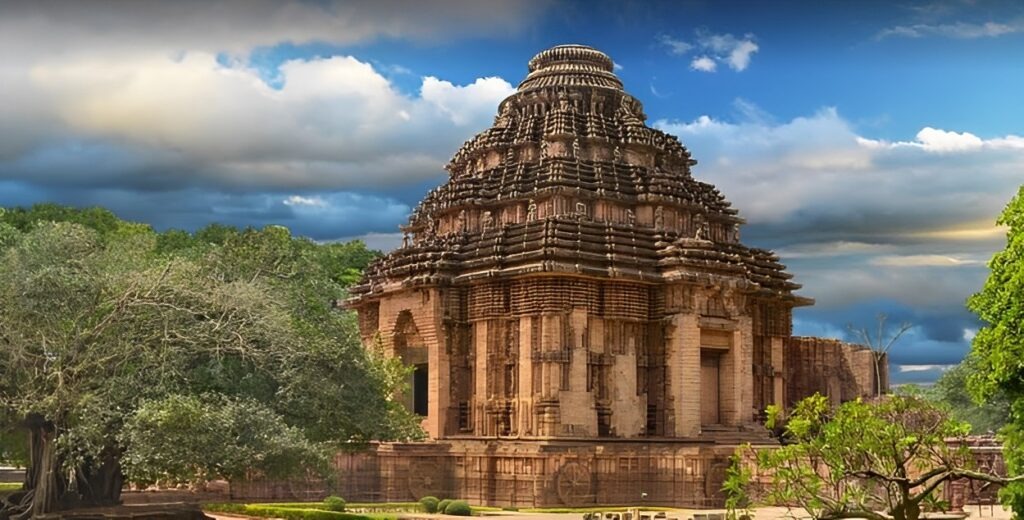
Image Source: Manoher Dhakad
Introduction
Hidden amidst the historic ruins of Nagda village near Udaipur, the Saas-Bahu Temple is one of Rajasthan’s finest examples of medieval temple architecture. Built during the 10th century by King Mahapala of the Kachhwaha dynasty, this ancient temple complex is dedicated to Lord Vishnu and is admired for its intricate carvings, sculpted pillars, and beautifully detailed ceilings.
Despite its popular name, “Saas-Bahu” does not actually refer to a mother-in-law and daughter-in-law relationship. The name is derived from “Sahastra Bahu,” meaning “the one with a thousand arms,” a form of Lord Vishnu. Over the centuries, the original name gradually evolved into Saas-Bahu.
Located close to Eklingji Temple, the temple complex consists of two adjoining shrines built on the same platform, each showcasing remarkable Rajput-era craftsmanship. Surrounded by the scenic Aravalli hills, the temple remains a peaceful heritage site that attracts history lovers, photographers, and spiritual travelers from across the country.
History of Saas-Bahu Temple
Nestled in the quiet village of Nagda in Rajasthan’s Udaipur district, the ancient Saas-Bahu Temple is one of the region’s most fascinating architectural treasures. Surrounded by the Aravalli hills and steeped in centuries of history, this temple complex reflects the grandeur of medieval Rajasthan and the artistic brilliance of its craftsmen. Located along NH-8 and only a short distance from the famous Eklingji Temple, the temple attracts history lovers, architecture enthusiasts, photographers, and spiritual travelers alike.
Despite its unusual name, the Saas-Bahu Temple is not actually connected to a mother-in-law and daughter-in-law relationship in the traditional sense. The original name of the temple was “Sahastra Bahu,” meaning “the one with a thousand arms,” which refers to a powerful form of Lord Vishnu. Over time, local pronunciation transformed “Sahastra Bahu” into “Saas-Bahu,” giving the temple the popular name by which it is known today.
Built during the 10th century by the great Kachhwaha ruler King Mahapala, the temple complex stands as a remarkable example of early Rajput architecture. Though partially damaged over the centuries due to invasions and natural wear, the temple still preserves its intricate carvings and majestic structure, offering visitors a glimpse into Rajasthan’s glorious past.
Architecture of Saas-Bahu Temple
The Saas-Bahu Temple complex is admired for its detailed carvings, elegant pillars, and beautifully designed sanctuaries. As visitors approach the temple, they are welcomed by intricately carved lintels and decorative multi-lobed arches that showcase the incredible craftsmanship of ancient artisans.
The complex consists of two adjoining temples built on the same platform. The larger temple is known as the “Saas” temple, while the smaller one is called the “Bahu” temple. Although both temples follow a similar architectural plan, each possesses its own unique artistic identity.
The larger Saas temple features ten subsidiary shrines along with a magnificent toran, or ornamental gateway, at the entrance. The temple’s structure demonstrates the grandeur associated with Vishnu worship during that period. The smaller Bahu temple, however, is more elaborate internally and is especially admired for its decorative interiors and sculptural details.
One of the most striking features of the temple is its octagonal ceiling, adorned with eight beautifully carved female figures. The ceilings, pillars, and walls are covered with detailed floral motifs, mythological figures, and scenes from Hindu epics. The carvings depicting stories from the Ramayana add immense spiritual and artistic value to the complex.
The temple sculptures are arranged in two distinct levels. The first level displays images of the Hindu trinity — Lord Brahma, Lord Shiva, and Lord Vishnu — while the second level includes figures of Balarama, Parashurama, and Lord Rama. Delicate lotus motifs carved into the ceilings further enhance the beauty of the temple interiors.
Historians believe that during religious ceremonies, an idol of Lord Vishnu was suspended from the beautifully carved torans while devotional hymns and prayers filled the temple premises. This ritual would have created a truly divine atmosphere for worshippers.
Facing east, the temple is designed according to traditional Hindu architectural principles, allowing the morning sunlight to illuminate the sanctum beautifully during sunrise.
Artistic and Cultural Importance
The Saas-Bahu Temple is more than just an ancient shrine; it is a symbol of Rajasthan’s rich artistic heritage. The temple reflects a blend of spirituality, mythology, and fine craftsmanship that flourished during the medieval era. Even after centuries of damage and weathering, the carvings continue to amaze visitors with their precision and detail.
The temple complex also provides valuable insight into the religious traditions and architectural styles of early Rajput kingdoms. Its sculptures, pillars, and decorative motifs reveal the influence of classical Hindu temple architecture found across western India.
Today, the site is popular among tourists, historians, photographers, and devotees who come to admire its timeless beauty and peaceful surroundings.
Adbhuthji Temple: A Nearby Jain Attraction
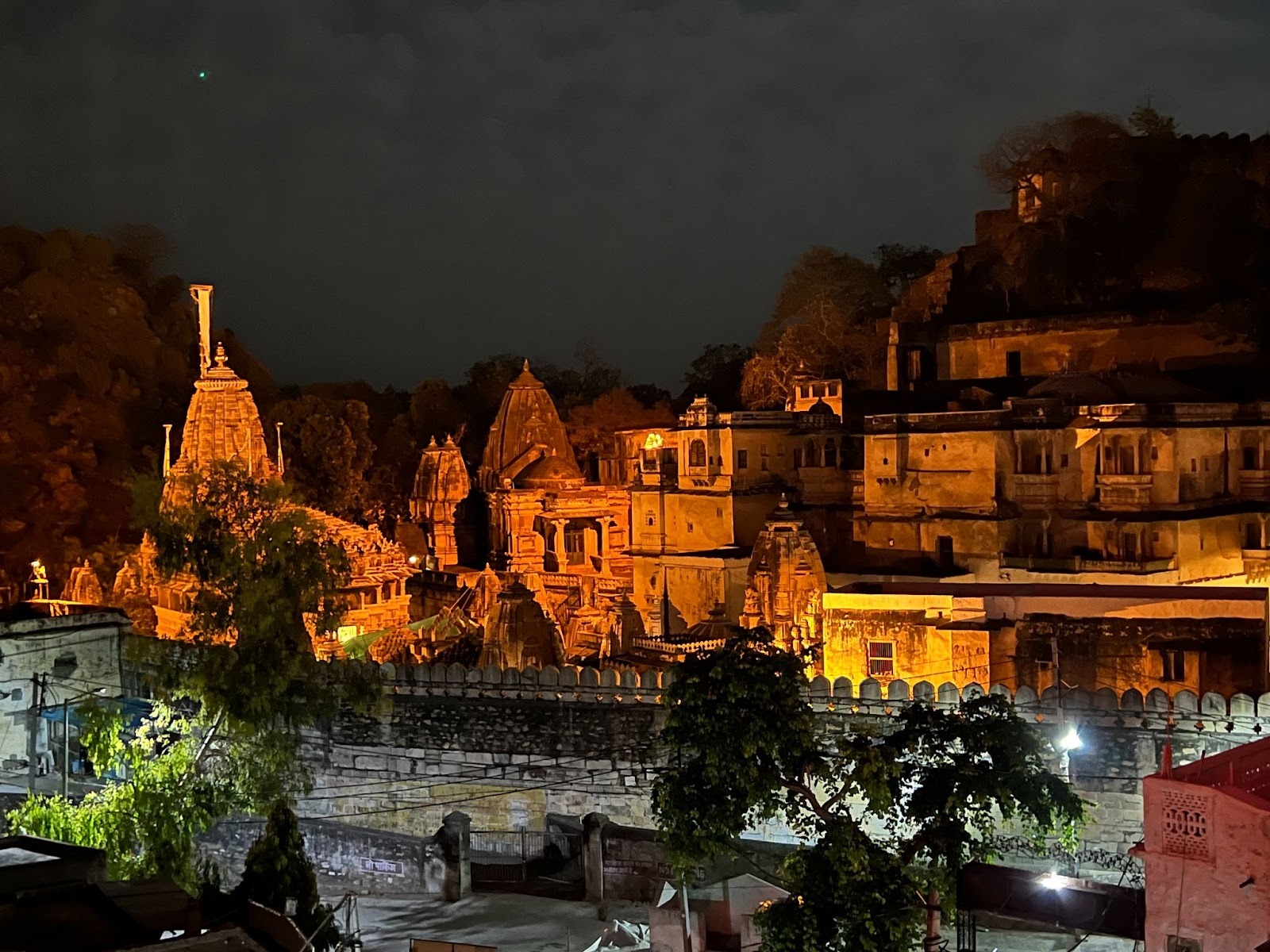
Just around 500 meters from the Saas-Bahu Temple lies another important religious site known as the Adbhuthji Temple. Dedicated to the Jain saint Shanti Nath, this temple is believed to have been built during the reign of Rana Kumbha.
The name “Adbhuthji” comes from the extraordinary 9-foot-tall idol housed inside the temple. Although the temple suffered damage during foreign invasions over the centuries, its artistic brilliance and spiritual significance remain intact.
The intricate carvings and serene atmosphere make the temple an important stop for visitors exploring the Nagda region. Together, the Saas-Bahu Temple and Adbhuthji Temple form a culturally rich heritage circuit near Udaipur.
Best Time to Visit Saas-Bahu Temple
The ideal time to visit the temple is between October and March, when Rajasthan experiences pleasant weather. Early mornings and evenings are especially beautiful, as the soft sunlight enhances the intricate carvings and creates a peaceful atmosphere around the temple complex.
How to Reach
- By Road: The temple is easily accessible from Udaipur via NH-8.
- Nearest City: Udaipur.
- Nearest Airport: Maharana Pratap Airport.
- Nearest Railway Station: Udaipur City Railway Station.
The temple is located close to Eklingji Temple, making it easy to explore both destinations together in a single trip.
Location of Sahastra Bahu Temple
FAQs
1. Why is it called Saas-Bahu Temple?
The temple’s original name was “Sahastra Bahu,” meaning “one with a thousand arms,” referring to Lord Vishnu. Over time, the name evolved into “Saas-Bahu.”
2. Who built the Saas-Bahu Temple?
The temple was built in the 10th century by King Mahapala of the Kachhwaha dynasty.
3. Which deity is worshipped in the temple?
The temple is primarily dedicated to Lord Vishnu.
4. Where is the Saas-Bahu Temple located?
The temple is located in Nagda village near Udaipur in Rajasthan.
5. What is special about the temple architecture?
The temple is famous for its intricate carvings, octagonal ceilings, sculpted pillars, toran gateways, and detailed depictions from the Ramayana.
6. Is photography allowed at the temple?
Yes, photography is generally allowed, and the temple is a popular destination for architecture and heritage photography.
7. What is the Adbhuthji Temple nearby?
Adbhuthji Temple is a Jain temple dedicated to Shanti Nath and is located about 500 meters from the Saas-Bahu Temple.
8. What is the best time to visit?
The winter months from October to March are considered the best time to visit due to pleasant weather conditions.