Image Source: Karan Bhatt
Introduction
Just about 24 km from Udaipur, the Eklingji Temple stands as one of Rajasthan’s most sacred and historically rich pilgrimage sites. Nestled in the quiet town of Kailashpuri, this ancient temple complex is dedicated to Lord Shiva and exudes a deeply spiritual aura. Surrounded by gentle hills and located close to the tranquil Indersagar Lake, the temple offers a peaceful retreat where devotion and natural beauty come together effortlessly.
History and Cultural Significance
The roots of Eklingji Temple go all the way back to 734 AD, when it was established by Bappa Rawal, the legendary ruler and founder of the Mewar dynasty. The name “Eklingji” combines two Sanskrit words—Ek (one) and Ling (symbol of divine energy)—referring to the singular, supreme form of Shiva.
What makes this temple truly unique is its role in the history of Mewar. The rulers of the region never considered themselves kings in the conventional sense. Instead, they believed that Lord Shiva was the true ruler, and they governed as his humble representatives. This deep-rooted devotion shaped the identity and governance of Mewar for centuries.
Despite facing invasions and damage over time, the temple was carefully restored by successive rulers, preserving its sanctity and architectural grandeur. Even today, it stands as a symbol of unwavering faith and cultural continuity.
Architecture and Temple Complex
Built primarily with marble and sandstone, the Eklingji Temple complex is a fine example of traditional Hindu temple architecture. Enclosed within fortified walls, the complex houses around 108 smaller shrines, each dedicated to various deities.
One of the first things you’ll notice is the impressive main temple—a two-storied structure topped with a beautifully carved pyramidal tower. At the entrance sits a striking idol of Nandi, the sacred bull and vehicle of Shiva, quietly guarding the sanctum.
The presence of Indersagar Lake nearby enhances the temple’s charm, especially when the structure reflects on its calm waters during sunrise or sunset.
Inside the complex, you’ll also find shrines dedicated to Kartikeya, Goddess Parvati, Ganesha, as well as the sacred rivers Ganga and Yamuna. This diversity of shrines makes the complex spiritually vibrant and architecturally fascinating.
The Sacred Idol and Spiritual Experience
At the heart of the temple lies its most remarkable feature—a black stone idol of Lord Shiva in the form of a four-faced (Chaturmukha) Shiva Linga. Unlike typical representations, this form symbolizes multiple dimensions of divinity:
- East-facing: Surya.
- South-facing: Shiva.
- West-facing: Brahma.
- North-facing: Vishnu.
This unique representation reflects the unity of creation, preservation, destruction, and cosmic energy. Standing before the idol, visitors often feel a deep sense of calm and reverence—it’s not just about seeing a sculpture, but experiencing a powerful spiritual presence.
Festivals and Religious Importance
The temple comes alive during Maha Shivaratri, one of the most important festivals dedicated to Shiva. Thousands of devotees gather here to offer prayers, chant hymns, and take part in elaborate rituals that continue through the night.
Apart from festivals, daily aartis and rituals are performed with great devotion. Visitors are welcome to attend these ceremonies, offering a glimpse into centuries-old traditions and a chance to connect with the spiritual rhythm of the place.
Best Time to Visit
The ideal time to visit Eklingji Temple is between October and March, when the weather around Udaipur is pleasant and suitable for sightseeing. Early mornings and evenings are especially peaceful, allowing you to experience the temple without large crowds.
Travel Tips
- The temple is open to visitors only during specific hours, mainly around aarti timings.
- Photography inside the main temple is usually not allowed.
- Dress modestly, as it is an active place of worship.
- Combine your visit with nearby attractions around Udaipur for a fuller experience.
Why Visit Eklingji Temple?
Eklingji Temple is much more than a religious site—it’s a living piece of Rajasthan’s history, devotion, and architectural brilliance. Whether you’re drawn by faith, fascinated by history, or simply looking for a serene escape near Udaipur, this temple offers an experience that feels both grounding and enriching.
Eklingji Temple, Udaipur
How to Reach Eklingji Temple
By Road
Eklingji Temple is located in Kailashpuri village, approximately 22 km north of Udaipur on the Udaipur–Nathdwara Highway (NH 48). The temple is easily accessible by road and is one of the most popular pilgrimage destinations near Udaipur. Visitors can hire taxis, take private cabs, drive their own vehicles, or use regular buses running between Udaipur and Nathdwara. The journey typically takes around 35 to 45 minutes.
By Train
The nearest railway station is Udaipur City Railway Station, situated about 24 km from the temple. From the station, visitors can hire taxis, auto-rickshaws, or private cabs to reach Eklingji Temple comfortably.
By Air
The nearest airport is Maharana Pratap Airport (Dabok), located approximately 35 km from the temple. Taxis are readily available from the airport, and the drive takes about 45 minutes to one hour.
Nearby Attractions to Eklingji Temple
Nagda Temples
Located about 2 km from Eklingji Temple, the ancient Nagda Temples are among the most important historical sites in the Mewar region. Once the capital of Mewar before Udaipur, Nagda is known for its beautifully preserved temple ruins and rich history. The site attracts visitors interested in archaeology, architecture, and heritage.
Sas-Bahu Temples
Situated within the Nagda complex, the Sas-Bahu Temples are renowned for their intricate stone carvings and exquisite architecture. Built during the 10th century, these temples are dedicated to Lord Vishnu and showcase remarkable craftsmanship. Their detailed sculptures and ornamental ceilings make them a must-visit attraction near Eklingji.
Nathdwara Temple
Approximately 25 km from Eklingji, Nathdwara is one of Rajasthan’s most important pilgrimage centers. The famous Shrinathji Temple attracts thousands of devotees every year. The town is also known for its traditional Pichwai paintings, local markets, and religious atmosphere.
Rajsamand Lake
Located around 35 km from Eklingji Temple, Rajsamand Lake is one of Rajasthan’s largest artificial lakes. Built by Maharana Raj Singh in the 17th century, the lake features beautiful marble embankments, pavilions, and scenic surroundings. It is an excellent destination for photography and peaceful sightseeing.
Badi Lake
A short drive from Udaipur, Badi Lake offers a tranquil escape amidst the Aravalli Hills. The lake is less crowded than other tourist spots and is ideal for nature lovers, photographers, and visitors seeking a peaceful environment.
Fateh Sagar Lake
One of Udaipur’s most famous attractions, Fateh Sagar Lake is located about 20 km from Eklingji Temple. Surrounded by hills, the lake is popular for boating, lakeside walks, and enjoying spectacular sunset views.
Saheliyon Ki Bari
This historic garden was built for the royal women of Mewar and features elegant fountains, marble pavilions, lotus pools, and landscaped lawns. It offers a glimpse into the luxurious lifestyle of the royal era and remains one of Udaipur’s most visited attractions.
City Palace Udaipur
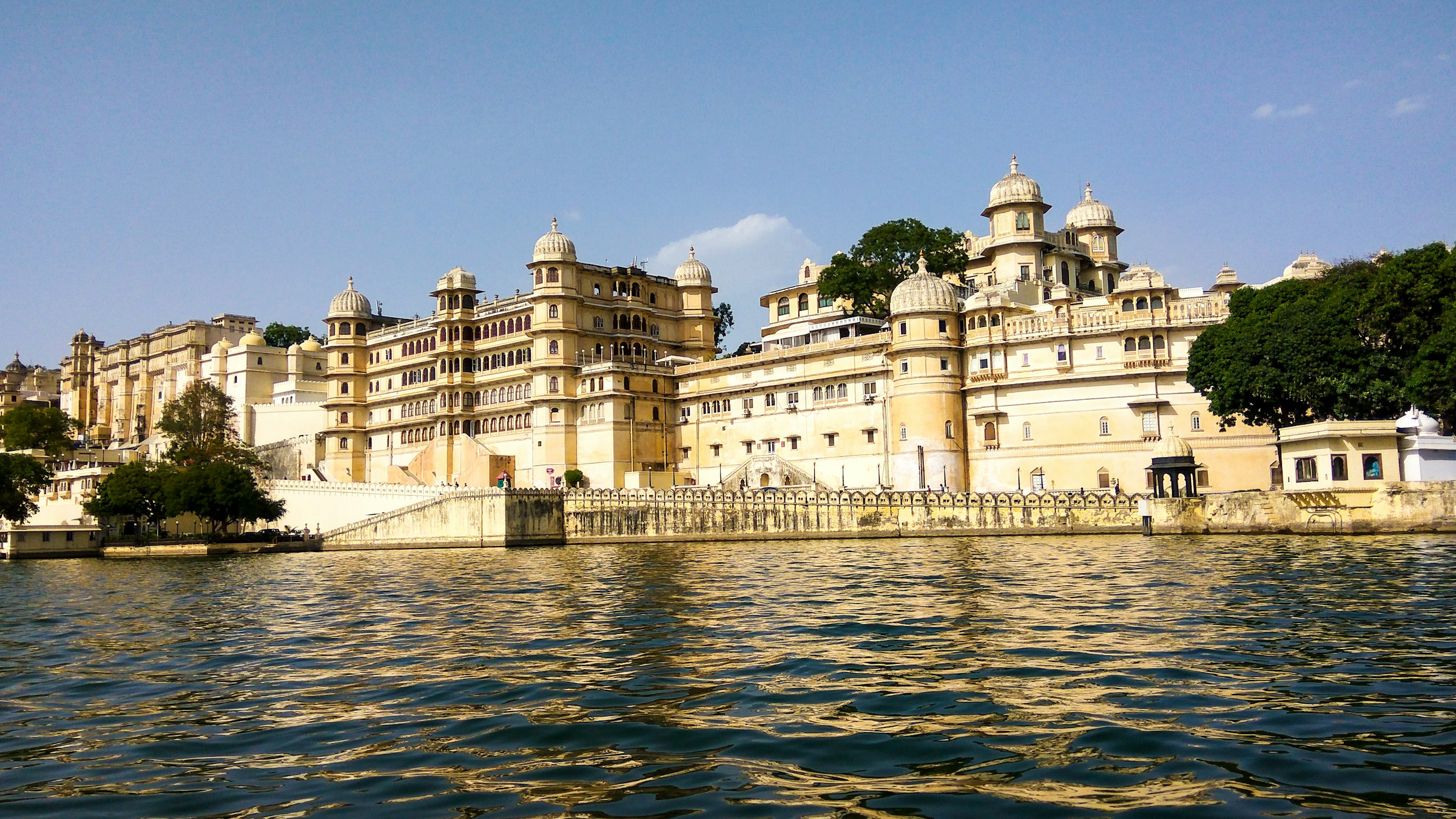
Located approximately 22 km from Eklingji Temple, the City Palace is the largest palace complex in Rajasthan. Visitors can explore royal courtyards, museums, galleries, and terraces offering magnificent views of Lake Pichola and the city.
Lake Pichola
Lake Pichola is one of the most picturesque lakes in India and a major attraction in Udaipur. Visitors can enjoy boat rides, admire the surrounding palaces, and experience the charm of the city’s historic waterfront.
Bagore Ki Haveli
Situated on the waterfront of Lake Pichola, Bagore Ki Haveli is known for its royal architecture, museum exhibits, and cultural performances. The evening Dharohar Folk Dance Show is particularly popular among tourists.
Sajjangarh Monsoon Palace
Perched on a hilltop overlooking Udaipur, the Monsoon Palace offers breathtaking panoramic views of the city’s lakes, palaces, and surrounding countryside. It is especially popular during sunset and the monsoon season.
Suggested Day Trip Itinerary
Udaipur → Eklingji Temple → Nagda Temples & Sas-Bahu Temples → Nathdwara Temple → Rajsamand Lake → Return to Udaipur
Location of Eklingji Temple
FAQs
1. Where is Eklingji Temple located?
It is located in Kailashpuri, about 24 km from Udaipur in Rajasthan.
2. Who built Eklingji Temple?
The temple was originally built by Bappa Rawal, the founder of the Mewar dynasty, in 734 AD.
3. What is unique about the main idol?
The main idol is a four-faced Shiva linga, representing Surya, Shiva, Vishnu, and Brahma in different directions.
4. What is the best time to visit?
The temple can be visited year-round, but Maha Shivaratri is the most special time due to grand celebrations.
5. Is Eklingji Temple open to tourists?
Yes, visitors are allowed, but entry into the inner sanctum may be restricted during certain rituals.