Image Source: Nagarajan Srinivasan
About Sajjangarh Palace (Monsoon Palace)
Perched high on the Bansdara Hills overlooking the beautiful city of Udaipur, Sajjangarh Palace, popularly known as the Monsoon Palace, is one of the most iconic landmarks of Rajasthan. Famous for its panoramic views of Fateh Sagar Lake, Lake Pichola, the Aravalli Hills, and the sprawling cityscape, this majestic palace attracts travelers, history enthusiasts, photographers, and nature lovers alike.
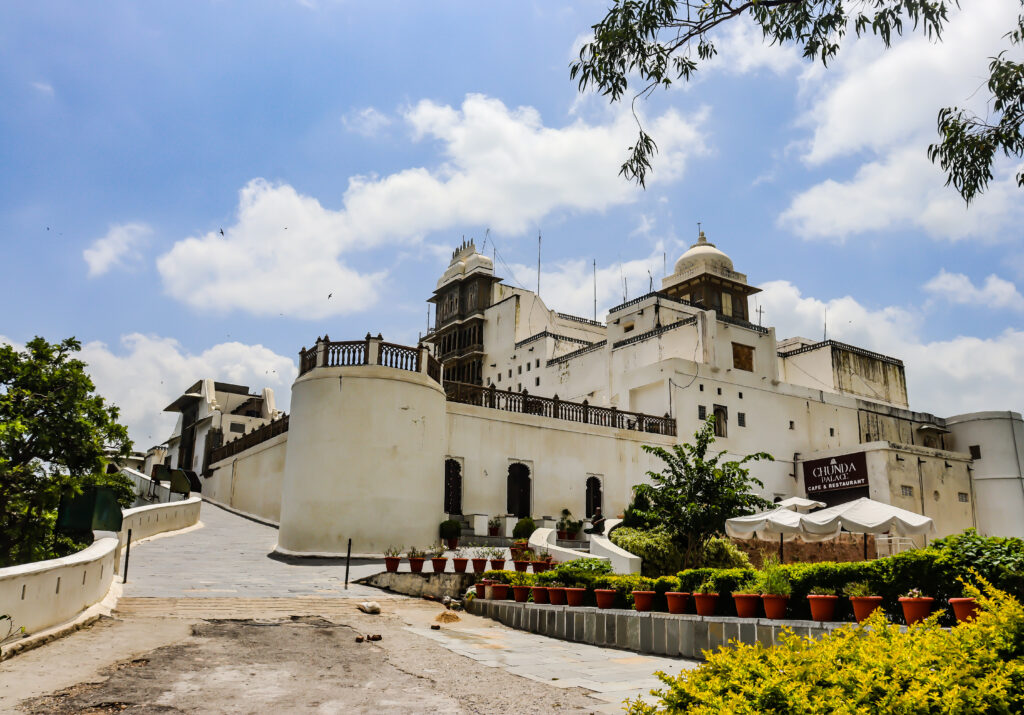
Built with white marble and standing dramatically against the backdrop of the Aravalli range, the palace appears especially magical during the monsoon season when clouds drift across the hills. The sunset views from here are among the finest in Udaipur, making it a must-visit destination for anyone exploring the “City of Lakes.”
History of Sajjangarh Palace
Sajjangarh Palace was constructed in 1884 by Maharana Sajjan Singh, the 72nd ruler of the Mewar dynasty. The palace was named after him and was originally intended to serve as an astronomical observatory where the king could monitor monsoon clouds and weather patterns. Maharana Sajjan Singh had a deep interest in astronomy and envisioned the palace as a scientific retreat as well as a royal leisure residence.
However, the Maharana passed away before the construction was fully completed. Later, his successor Maharana Fateh Singh completed the remaining work and transformed the palace into a royal retreat. Over time, it also became a favored hunting lodge for the Mewar royal family during hunting expeditions in the surrounding forests and hills.
Today, the palace stands not only as a reminder of royal grandeur but also as a symbol of Udaipur’s rich cultural and architectural heritage.
Architecture of the Monsoon Palace
The architecture of Sajjangarh Palace reflects the elegance and sophistication of Rajput design. Built primarily from white marble, the palace features beautifully carved balconies, domes, high turrets, and decorative pillars that showcase fine craftsmanship. Lime mortar plaster was used extensively in the construction, adding durability and a smooth finish to the structure.
The marble pillars inside the palace are adorned with delicate floral and leaf motifs that highlight the artistic brilliance of the craftsmen of that era. The palace’s elevated position gives it an almost dreamlike appearance, especially during cloudy weather when mist surrounds the structure.
Although the palace is not as elaborate as some of Rajasthan’s larger royal complexes, its simplicity combined with its dramatic location gives it a unique charm that sets it apart.
Stunning Views from the Palace
One of the biggest attractions of Sajjangarh Palace is the breathtaking view it offers. Situated at an elevation of around 944 meters above sea level, the palace provides sweeping vistas of Udaipur’s lakes, mountains, forests, and historic buildings.
From the top, visitors can enjoy spectacular views of Fateh Sagar Lake, Lake Pichola, City Palace, and the surrounding Aravalli Hills. During sunset, the sky transforms into shades of orange, pink, and gold, creating a mesmerizing experience for visitors and photographers.
The monsoon season enhances the beauty even further, as clouds float close to the hills and greenery covers the surrounding landscape.
The Palace Museum
A section of the Monsoon Palace has been converted into a museum that offers visitors insight into the glorious history of the Mewar dynasty. Located on the ground floor, the museum houses paintings, historical photographs, maps, and royal artifacts that narrate the story of Udaipur’s royal past.
The grand central courtyard and majestic staircase add to the historical atmosphere of the museum. Visitors can walk through the galleries and learn about the rulers of Mewar, their traditions, architecture, and contributions to the region’s history and culture.
Although relatively small, the museum adds depth to the overall palace experience and helps visitors better understand the significance of the site.
Sajjangarh Wildlife Sanctuary
Surrounding the palace is the beautiful Sajjangarh Wildlife Sanctuary, which creates a perfect blend of natural beauty and royal architecture. The sanctuary was once owned by the royal family of Mewar but is now managed by the Forest Department of Rajasthan.
Spread across the Aravalli Hills, the sanctuary is home to a variety of wildlife, including deer, nilgai, wild boars, jackals, hyenas, and several species of birds. Nature lovers and birdwatchers often visit the sanctuary to explore its scenic trails and peaceful environment.
The lush greenery during the monsoon season makes the area especially beautiful and refreshing.
Best Time to Visit
The ideal time to visit Sajjangarh Palace is between July and March. During the monsoon months, the surrounding hills become lush green, and the palace is often wrapped in mist and clouds, creating a magical atmosphere.
Winter is also a pleasant time to visit because the weather remains cool and comfortable for sightseeing. Sunset hours are considered the best time to explore the palace, as the views become truly unforgettable.
Summer afternoons can be quite hot, so evening visits are generally recommended during that season.
How to Reach Monsoon Palace, Udaipur
The Monsoon Palace, also known as Sajjangarh Palace, is one of Udaipur’s most iconic hilltop landmarks. Built in 1884 by Maharana Sajjan Singh, the palace stands atop Bansdara Peak in the Aravalli Hills and offers breathtaking panoramic views of Udaipur’s lakes, palaces, and surrounding countryside.
By Air
The nearest airport is Maharana Pratap Airport, located approximately 28 km away. Taxis and app-based cabs are readily available from the airport, and the journey typically takes 45–60 minutes depending on traffic.
By Train
The nearest railway station is Udaipur City Railway Station, about 8–10 km from the palace. Auto-rickshaws, taxis, and local transport services can easily take visitors to the palace entrance.
By Road
The palace is situated around 5–10 km west of central Udaipur and is accessible via a scenic winding road passing through the Sajjangarh Wildlife Sanctuary. Visitors can reach the palace by taxi, auto-rickshaw, private car, or motorcycle. The uphill drive itself is a memorable experience, offering beautiful views of the Aravalli landscape.
Best Time to Visit
Late afternoon is considered the best time to visit Monsoon Palace. The sunset views over Udaipur’s lakes and hills are spectacular, and during the monsoon season, visitors can often witness clouds drifting below the palace.
Nearby Attractions to Monsoon Palace
Sajjangarh Wildlife Sanctuary
Surrounding the palace, this wildlife sanctuary is home to deer, wild boars, jackals, hyenas, reptiles, and numerous bird species. It is a popular destination for nature walks, wildlife enthusiasts, and photographers.
Fateh Sagar Lake
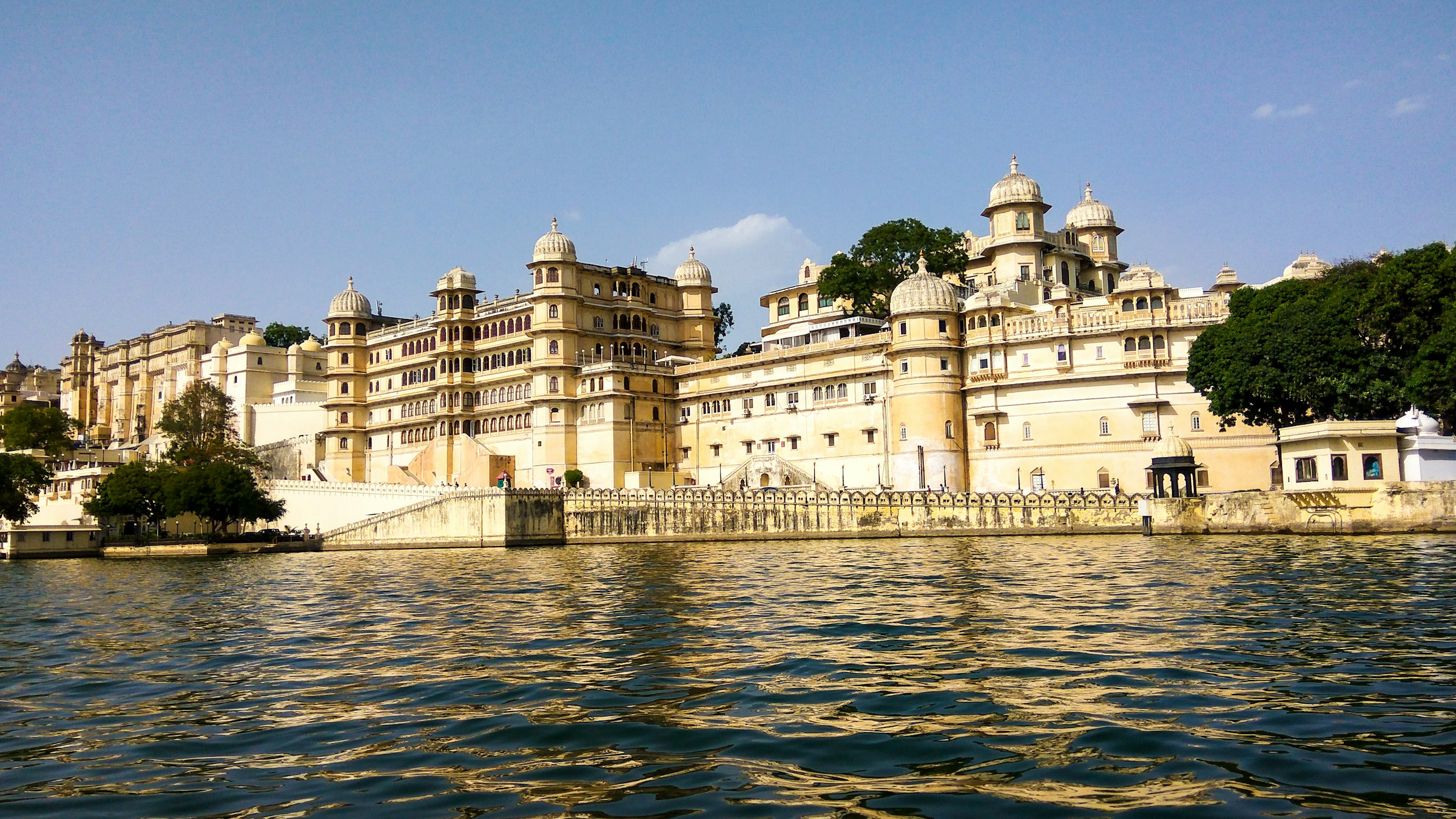
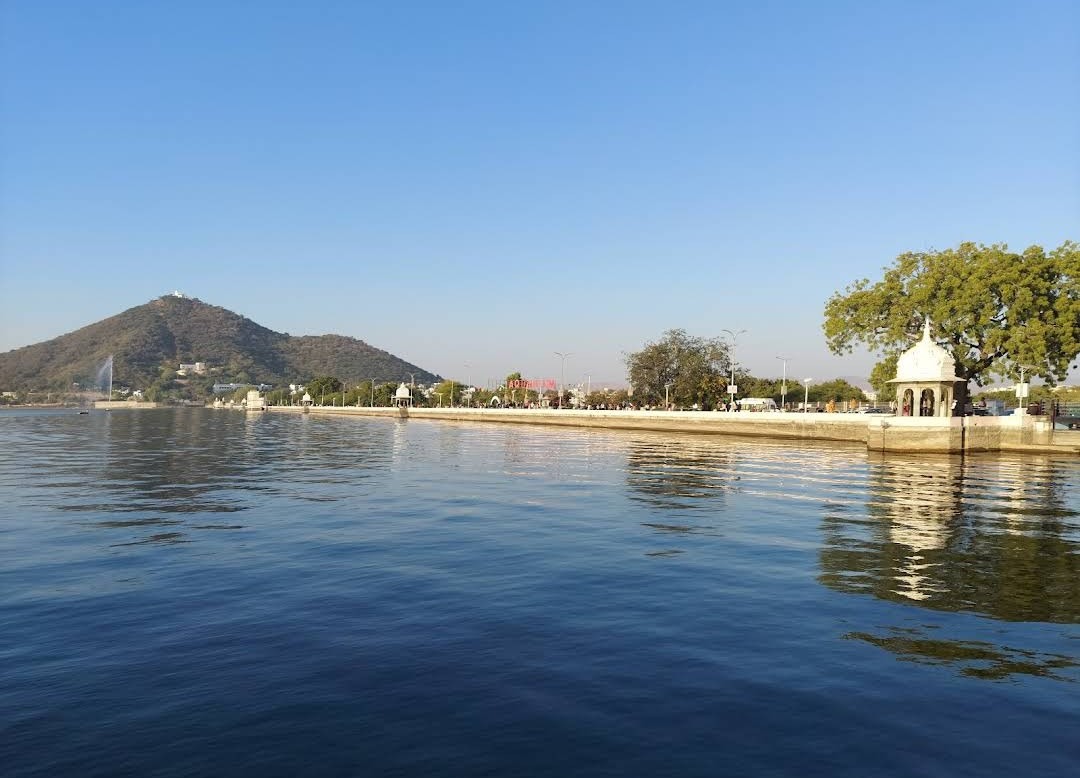
Located at the foot of the hills, Fateh Sagar Lake is one of Udaipur’s most beautiful lakes. Visitors can enjoy boating, lakeside walks, and stunning sunset views.
Lake Pichola
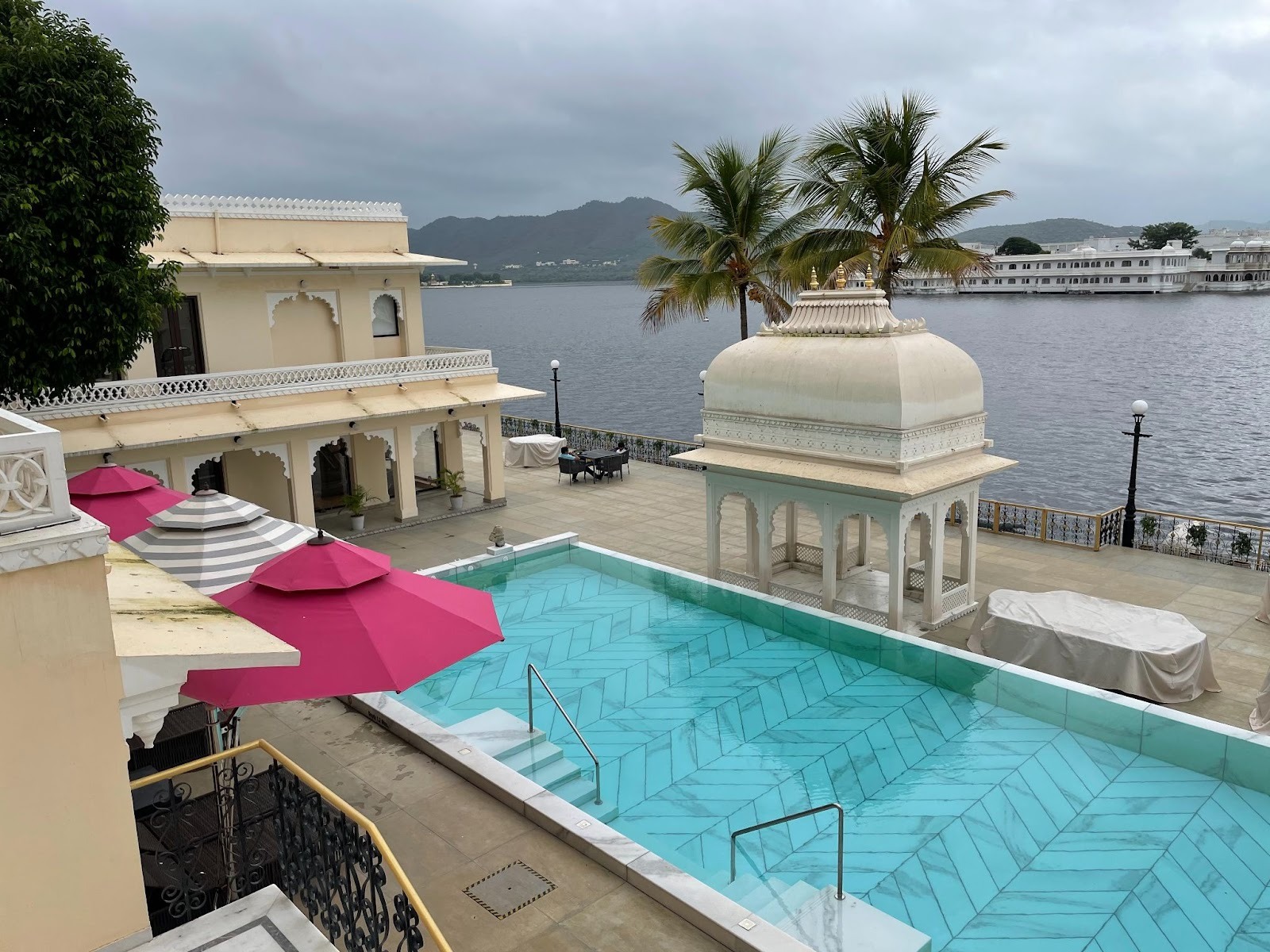
This famous lake offers boat rides and magnificent views of Udaipur’s island palaces. Monsoon Palace overlooks parts of Lake Pichola from its elevated position.
Karni Mata Temple
Perched on Machla Magra Hill, this temple is known for its ropeway ride and panoramic views of the City Palace, Lake Pichola, and the surrounding cityscape.
Saheliyon Ki Bari
A historic royal garden featuring marble pavilions, fountains, lotus pools, and lush greenery. It is one of Udaipur’s most charming heritage attractions.
City Palace
The largest palace complex in Rajasthan, City Palace showcases royal architecture, museums, courtyards, and stunning lake views.
Bagore Ki Haveli
Located on the banks of Lake Pichola, this historic haveli is famous for its museum exhibits and traditional Rajasthani cultural performances.
Jag Mandir Palace
An elegant island palace situated in Lake Pichola, known for its beautiful gardens, marble architecture, and royal history.
Bahubali Hills
A popular viewpoint near Badi Lake, Bahubali Hills offers breathtaking panoramic views of the surrounding hills and water bodies, making it a favorite spot for trekking and photography.
A visit to Monsoon Palace is often combined with Fateh Sagar Lake, Sajjangarh Wildlife Sanctuary, and City Palace, creating one of the most scenic sightseeing circuits in Udaipur. The palace is especially magical during sunset when the city, lakes, and Aravalli Hills are bathed in golden light.
Entry Fees and Timings
The entry fee for Indian visitors is generally around Rs 110, while foreign tourists are charged approximately Rs 300. Additional charges may apply for vehicles entering the premises.
If visitors arrive by car, a separate vehicle fee is usually collected. These charges contribute toward the maintenance and preservation of the palace and surrounding sanctuary.
The palace is usually open from morning until evening, though timings may vary slightly depending on the season and local regulations.
Map of Monsoon Palace
FAQs
Why is Sajjangarh Palace called the Monsoon Palace?
The palace is known as the Monsoon Palace because Maharana Sajjan Singh originally intended it to be an observatory for tracking monsoon clouds and weather patterns.
What is special about Sajjangarh Palace?
Its hilltop location, panoramic lake views, beautiful sunsets, Rajput architecture, and surrounding wildlife sanctuary make it one of Udaipur’s most popular attractions.
What is the best time to visit the Monsoon Palace?
The monsoon and winter seasons are considered the best times to visit because the weather is pleasant and the surrounding landscape becomes exceptionally scenic.
How far is Sajjangarh Palace from Udaipur city?
The palace is located roughly 10–12 kilometers from the main city area of Udaipur.
Is photography allowed inside the palace?
Yes, photography is generally allowed, and the palace is especially popular among photographers because of its stunning sunset and landscape views.
Can visitors explore the wildlife sanctuary?
Yes, visitors can explore parts of the Sajjangarh Wildlife Sanctuary, which is known for its greenery, wildlife, and birdwatching opportunities.
How much time is needed to explore Sajjangarh Palace?
Most visitors spend around 1.5 to 3 hours exploring the palace, museum, viewpoints, and surrounding sanctuary areas.
Is the palace suitable for family trips?
Yes, Sajjangarh Palace is an excellent destination for families, couples, history lovers, and nature enthusiasts alike.