Image Source: Anubrota Mondal
Perched high in the rugged Aravalli Hills near Mount Abu, Achalgarh Fort is one of Rajasthan’s lesser-known yet fascinating historical landmarks. Surrounded by rocky landscapes, ancient temples, and scenic mountain views, the fort offers a perfect mix of history, spirituality, and natural beauty. Located around 10 kilometers from Mount Abu, Achalgarh Fort attracts travelers who wish to explore beyond the usual tourist spots and experience the quieter heritage side of the hill station.
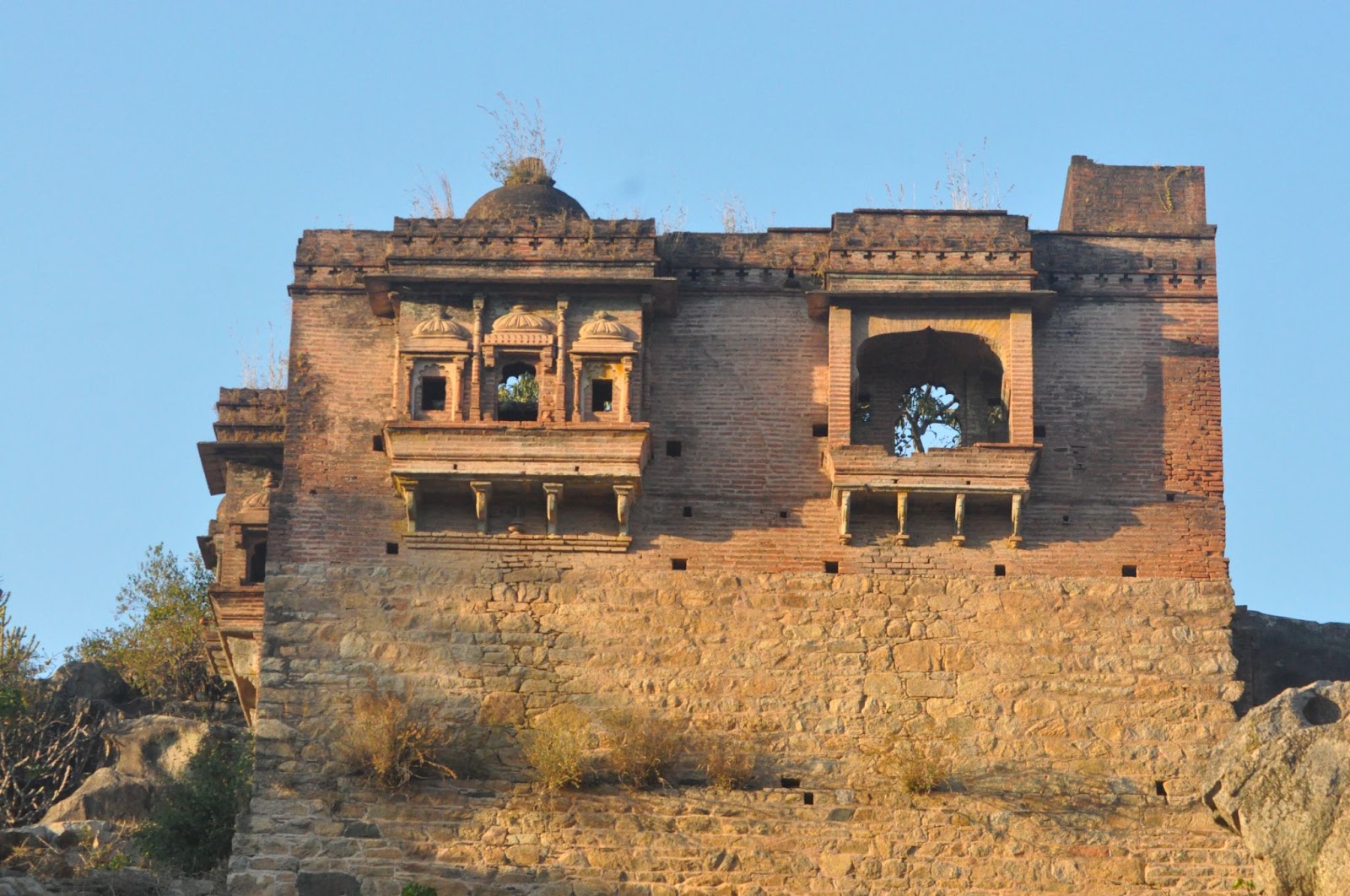
Although much of the fort now stands in ruins, its old walls, gateways, and temples still reflect the grandeur of medieval Rajput architecture. The peaceful surroundings and panoramic hilltop views make it an excellent place for history lovers, photographers, and nature enthusiasts alike.
History of Achalgarh Fort
Achalgarh Fort is believed to have originally been built by the Paramara rulers during the early medieval period. Later, in 1452 CE, the fort was renovated and strengthened by the famous ruler Rana Kumbha of Mewar, who was known for constructing and restoring several forts across Rajasthan. After the renovation, the fort became an important defensive outpost for the kingdom.
Because of its strategic location on a hilltop, the fort helped keep watch over the surrounding region and protected the nearby territories from enemy invasions. Over time, Achalgarh became an important military and cultural center in the area.
Today, the remains of the fort tell stories of Rajput valor and the architectural brilliance of that era. Even though only portions of the original structure survive, the site still carries a timeless charm that transports visitors back to medieval Rajasthan.
Architecture of Achalgarh Fort
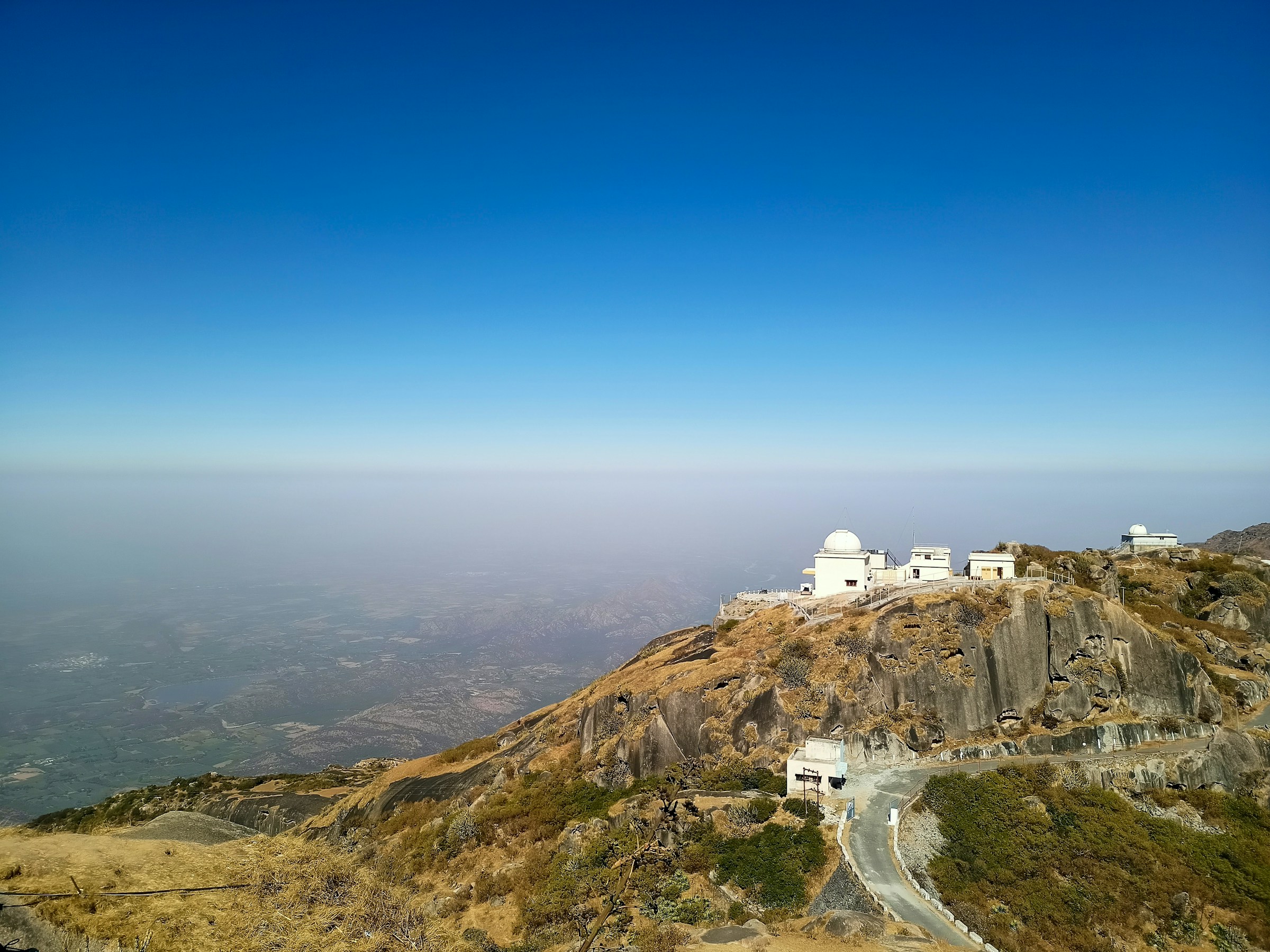
One of the most striking features of Achalgarh Fort is its elevated location. Built on a mountain peak, the fort offers breathtaking views of the surrounding valleys, forests, and rocky terrain of Mount Abu.
Visitors enter the fort through the impressive Hanumanpol Gate, which serves as the main entrance. Massive granite blocks and strong defensive walls surround the gateway, showcasing the fort’s military design. A second gate known as Champapol leads further into the inner section of the fort.
Inside the complex, ancient ruins, temple structures, and stone pathways create a mysterious atmosphere. The architecture reflects a blend of Rajput defensive construction and religious artistry.
Achaleshwar Mahadev Temple
One of the major attractions inside the fort complex is the ancient Achaleshwar Mahadev Temple, dedicated to Lord Shiva. The temple is deeply revered by devotees and is closely associated with local legends of Mount Abu.
The temple is especially famous for its massive Nandi idol made from a mixture of metals including copper, brass, silver, zinc, and traces of gold. Weighing over four tons, the statue is considered an extraordinary example of traditional craftsmanship.
Near the temple lies a serene pond featuring three stone buffalo sculptures. According to local beliefs, these buffaloes symbolize protection and spiritual strength. The peaceful atmosphere around the pond adds to the spiritual charm of the place.
Jain Temples and Other Attractions
Apart from Hindu shrines, Achalgarh Fort is also known for its beautiful Jain heritage. The Kantinath Jain Temple, built in 1513 CE, is admired for its detailed carvings, decorative pillars, and elegant design. The temple reflects the artistic excellence of Jain architecture seen throughout Rajasthan.
Another interesting structure within the complex is the Dashavtaar Temple. Its entrance is decorated with sculpted figures and intricate carvings depicting dance forms and mythological scenes from ancient Indian traditions.
A short distance from the fort lies the picturesque Mandakini Lake, a peaceful water body surrounded by hills and stone sculptures. The lake area is a pleasant spot for relaxation and photography. Visitors can also notice carvings of Rajput rulers, animals, and mythological figures on nearby rocks, adding to the historical atmosphere of the region.
Local Experience Around Achalgarh
Unlike the busier tourist areas of Mount Abu, Achalgarh has a quieter and more traditional feel. Small tea stalls, local snack vendors, and village settlements near the fort give visitors a glimpse into the local lifestyle of the Aravalli region.
Many travelers combine a visit to Achalgarh Fort with nearby attractions such as Guru Shikhar, Nakki Lake, and the Dilwara Temples. During the monsoon season, the surrounding hills turn lush green, making the drive to the fort especially scenic.
Early mornings and evenings are considered the best times to visit because the weather remains pleasant and the sunlight creates beautiful views across the hills.
How to Reach Achalgarh Fort
By Road
Achalgarh Fort is located around 10 kilometers from Mount Abu town and can easily be reached by taxi, auto-rickshaw, or private vehicle. The road leading to the fort passes through scenic hill routes and forests.
By Rail
The nearest railway station is Abu Road Railway Station, situated about 28 kilometers away. From the station, taxis and buses are available for Mount Abu and Achalgarh.
By Air
The nearest airport is Maharana Pratap Airport in Udaipur, approximately 175 kilometers away. Travelers can hire taxis from the airport to reach Mount Abu.
Nearby Attractions
1. Achaleshwar Mahadev Temple
Located adjacent to the fort, this ancient temple is dedicated to Lord Shiva and is one of the most revered religious sites in Mount Abu. The temple is famous for its sacred shrine and large metal Nandi statue.
2. Dilwara Jain Temples
Situated around 8 km from Achalgarh Fort, these magnificent Jain temples are renowned for their exquisite marble carvings and architectural brilliance. They are among the most celebrated religious monuments in Rajasthan.
3. Guru Shikhar
Approximately 10 km away, Guru Shikhar is the highest peak in Rajasthan. The summit offers spectacular views of the Aravalli Hills and houses a temple dedicated to Guru Dattatreya.
4. Nakki Lake
Located in the heart of Mount Abu, Nakki Lake is a popular tourist destination known for boating, scenic surroundings, and pleasant walking paths.
5. Toad Rock
A unique natural rock formation overlooking Nakki Lake, Toad Rock is a favorite spot for photography and short hikes.
6. Sunset Point
One of Mount Abu’s most famous viewpoints, Sunset Point offers breathtaking views of the sun setting behind the Aravalli Hills and attracts visitors every evening.
7. Government Museum, Mount Abu
This museum showcases historical artifacts, sculptures, inscriptions, paintings, and archaeological finds that provide insights into the history and culture of the region.
8. Peace Park
Managed by the Brahma Kumaris, Peace Park is a beautifully maintained garden featuring walking trails, meditation areas, and scenic viewpoints, making it an ideal place for relaxation.
Travel Tip
A visit to Achalgarh Fort can easily be combined with Achaleshwar Mahadev Temple and Guru Shikhar in a single day. Early morning and late afternoon are the best times to explore the fort, as the weather is pleasant and the views are especially beautiful.
Best Time to Visit
The ideal time to visit Achalgarh Fort is between October and March when the weather remains cool and comfortable. Monsoon months also offer beautiful green landscapes, although pathways may become slippery after rain.
Summers in Mount Abu are comparatively milder than the rest of Rajasthan, making the fort accessible throughout the year.
Timings and Entry Information
Achalgarh Fort is generally open to visitors from 9:00 AM to 5:00 PM. It is advisable to wear comfortable footwear, carry drinking water, and explore the fort during daylight hours for the best experience.
Map and Location
FAQs
1. Where is Achalgarh Fort located?
Achalgarh Fort is located about 10 kilometers from Mount Abu in Rajasthan, India.
2. Who built Achalgarh Fort?
The fort was originally built by the Paramara dynasty and later renovated by Rana Kumbha of Mewar in the 15th century.
3. What is Achalgarh Fort famous for?
The fort is famous for its historical ruins, hilltop views, Achaleshwar Mahadev Temple, and ancient Jain temples.
4. Is there any entry fee for Achalgarh Fort?
Usually, entry to the fort area is either free or involves a minimal charge depending on local tourism regulations.
5. What is the best time to visit Achalgarh Fort?
The best time to visit is from October to March when the weather is pleasant for sightseeing.
6. How much time is needed to explore the fort?
Most visitors spend around 1 to 2 hours exploring the fort, temples, and nearby attractions.
7. Can Achalgarh Fort be visited along with Mount Abu sightseeing?
Yes, Achalgarh Fort is often included in Mount Abu sightseeing tours along with Guru Shikhar, Nakki Lake, and Dilwara Temples.
8. Is photography allowed inside the fort?
Yes, photography is generally allowed, and the fort offers excellent scenic and architectural photography opportunities.