Introduction
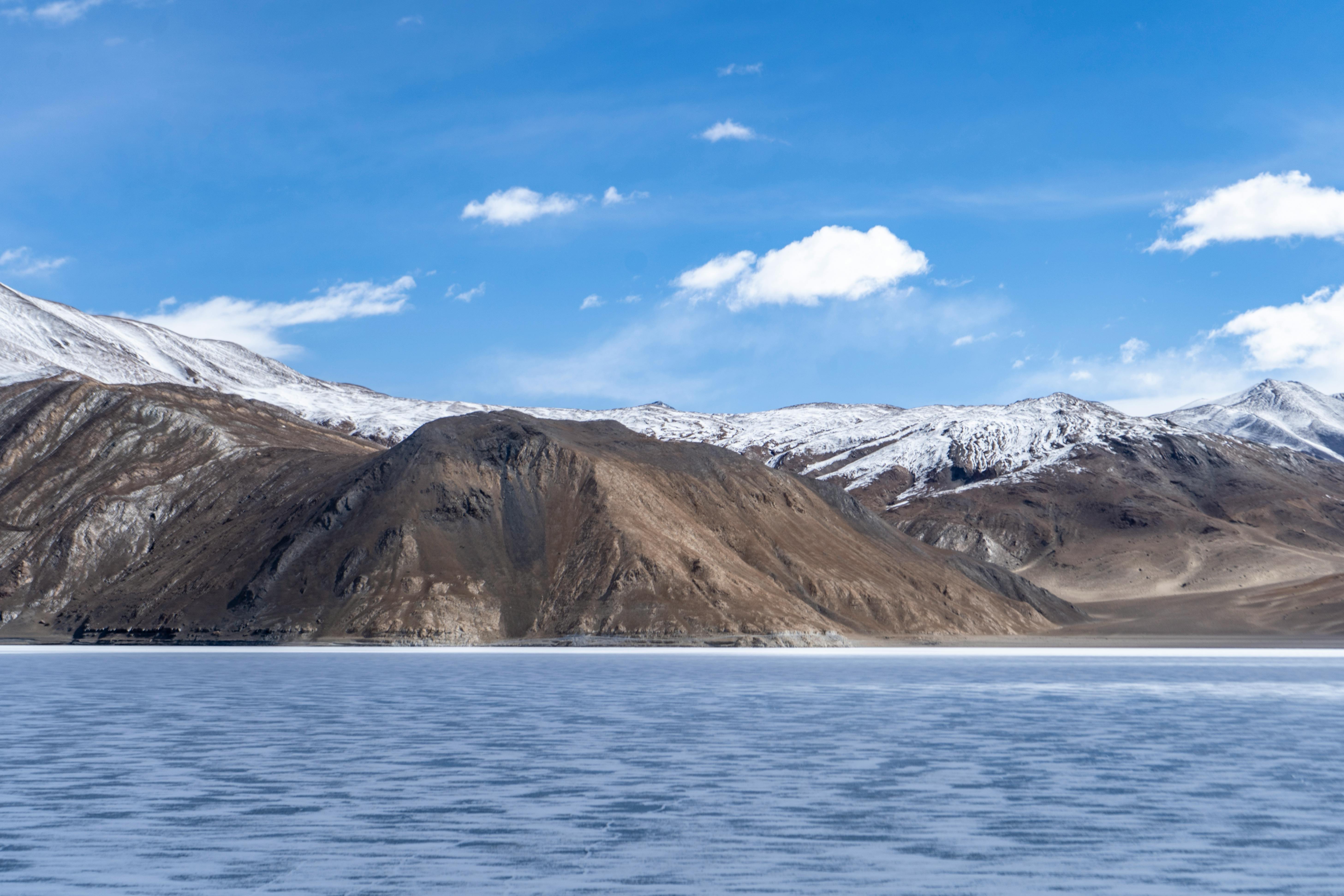
Situated on the northeastern edge of the Tibetan Plateau , Qinghai Province (青海省) is one of China’s most spectacular yet least-visited destinations. Covering more than 720,000 square kilometres , Qinghai is a land of snow-capped mountains, turquoise alpine lakes, vast grasslands, sacred monasteries, salt deserts, and some of Asia’s highest wilderness.
Named after Qinghai Lake , China’s largest inland saltwater lake, the province is often called the “Roof of the World’s Gateway.” It serves as the transition between the Tibetan Plateau, the deserts of northwestern China, and the fertile plains of central China. The province is home to a rich mix of Tibetan, Hui, Mongolian, Salar, Tu, and Han Chinese communities, making it one of the country’s most culturally diverse regions.
Qinghai is also one of China’s most important ecological regions. It contains the headwaters of the Yellow River , Yangtze River , and Mekong River , earning the title “Water Tower of China.” Visitors come to admire breathtaking landscapes such as Qinghai Lake , Chaka Salt Lake , the Qilian Mountains , Sanjiangyuan National Park , and the remote wilderness of Hoh Xil (Kekexili) .
Whether you are planning an epic road trip, seeking Tibetan culture, photographing pristine alpine scenery, or travelling along the legendary Qinghai–Tibet Highway, Qinghai offers one of China’s most unforgettable travel experiences.
—
Quick Facts
| Feature | Details |
| —————– | ———————————————————- |
| Chinese Name | 青海省 (Qīnghǎi Shěng) |
| Capital | Xining |
| Region | Northwest China |
| Area | Approximately 720,000 km² |
| Population | About 6 million |
| Highest Elevation | Over 6,000 metres |
| Famous For | Qinghai Lake, Tibetan Plateau, Salt Lakes, Tibetan Culture |
| Best For | Nature, Road Trips, Wildlife, Photography |
| Recommended Trip | 7–12 Days |
—
Why Visit Qinghai?
Qinghai is one of China’s last great wilderness destinations.
Reasons to visit include:
* Qinghai Lake.
* Chaka Salt Lake.
* Tibetan monasteries.
* Qilian Mountains.
* Sanjiangyuan National Park.
* Hoh Xil World Heritage Site.
* Qinghai–Tibet Railway.
* Vast grasslands.
* Wildlife viewing.
* High-altitude road trips.
—
Geography
Qinghai occupies the northeastern portion of the Tibetan Plateau and borders Gansu , Sichuan , Xinjiang , and the Tibet Autonomous Region .
North
The Qilian Mountains form a natural boundary with Gansu Province, featuring snow-capped peaks, alpine meadows, and glaciers.
South
The province extends into the high Tibetan Plateau, where the headwaters of China’s great rivers originate. This remote region includes Sanjiangyuan National Park and expansive grasslands.
East
The lower-elevation area around Xining serves as Qinghai’s economic and cultural centre, with fertile valleys, monasteries, and museums.
West
The landscape becomes increasingly arid, transitioning into the Qaidam Basin , a region of salt lakes, deserts, and mineral-rich plains framed by the Kunlun Mountains .
Qinghai’s dramatic geography includes towering mountain ranges, expansive plateaus, wetlands, glaciers, and one of China’s largest inland lakes, making it a paradise for nature enthusiasts and photographers.
—
History
Ancient Crossroads
For thousands of years, Qinghai served as a crossroads between Tibet, Central Asia, and China’s heartland. Ancient trade routes carried tea, horses, silk, jade, and salt across its rugged landscapes.
Tibetan Heritage
Tibetan Buddhism has shaped much of Qinghai’s cultural identity for centuries. The province is home to numerous monasteries, including the renowned Ta’er (Kumbum) Monastery , one of the most important centres of the Gelug school of Tibetan Buddhism.
Modern Development
Today, Qinghai remains sparsely populated but plays a vital role in China’s environmental conservation, renewable energy, and transport networks, including the world-famous Qinghai–Tibet Railway .
—
Climate & Best Time to Visit
Qinghai has a high-altitude continental climate with cool summers and cold winters.
| Season | Temperature | Highlights |
| ————————– | ———— | ————————————- |
| Spring (March–May) | -2°C to 15°C | Melting snow, fewer visitors |
| Summer (June–August) | 10°C to 25°C | Grasslands, wildflowers, best weather |
| Autumn (September–October) | 5°C to 18°C | Clear skies, autumn colours |
| Winter (November–February) | -20°C to 5°C | Snow-covered landscapes |
Best Time to Visit
* June to August offers pleasant temperatures, green grasslands, and ideal conditions for road trips.
* July is famous for the blooming rapeseed fields around Qinghai Lake.
* September provides crisp weather, fewer crowds, and excellent visibility for mountain scenery.
—
Top Destinations
Xining
The provincial capital is the main gateway to Qinghai.
Highlights include:
* Ta’er (Kumbum) Monastery.
* Dongguan Mosque.
* Qinghai Provincial Museum.
* Tibetan markets.
* Local cuisine.
—
Qinghai Lake
China’s largest inland saltwater lake is the province’s most iconic attraction.
Visitors can enjoy:
* Cycling around the lake.
* Birdwatching.
* Sunrise photography.
* Rapeseed flower fields.
* Nomadic culture.
—
Chaka Salt Lake
Known as the “Mirror of the Sky,” Chaka Salt Lake is famous for its dazzling white salt flats and spectacular reflections.
Highlights include:
* Mirror-like landscapes.
* Photography.
* Salt sculptures.
* Scenic train.
* Sunset views.
—
Qilian Mountains
The Qilian Mountains feature alpine meadows, glaciers, forests, and snow-capped peaks.
Popular attractions include:
* Zhuo’er Mountain.
* Qilian Grasslands.
* Menyuan Rapeseed Fields.
* Hiking trails.
—
Sanjiangyuan National Park
Often called the “Water Tower of China,” this immense protected area contains the sources of the Yellow, Yangtze, and Mekong rivers.
Visitors come for:
* High-altitude landscapes.
* Tibetan wildlife.
* Wetlands.
* Nomadic culture.
* Conservation tourism.
—
Hoh Xil (Kekexili)
A UNESCO World Heritage Site, Hoh Xil is one of the world’s highest and most remote wilderness areas.
It is home to:
* Tibetan antelope.
* Wild yak.
* Tibetan wild ass.
* Brown bears.
* Black-necked cranes.
—
Golmud
Located on the Qinghai–Tibet Highway, Golmud is the gateway to western Qinghai.
Nearby attractions include:
* Qarhan Salt Lake.
* Kunlun Mountains.
* Jade Lake (Emerald Lake).
* Hoh Xil Nature Reserve.
—
Tibetan Culture
Qinghai is one of the spiritual centres of Tibetan Buddhism.
Visitors can experience:
* Ancient monasteries.
* Prayer wheels.
* Colourful festivals.
* Nomadic lifestyles.
* Traditional yak herding.
* Tibetan cuisine.
* Thangka art.
* Butter sculptures.
—
Wildlife
Qinghai supports remarkable biodiversity despite its harsh climate.
Species include:
* Tibetan antelope.
* Wild yak.
* Snow leopard.
* Tibetan gazelle.
* Black-necked crane.
* Kiang (Tibetan wild ass).
* Himalayan marmot.
* Bar-headed goose.
—
Things to Do
* Drive around Qinghai Lake.
* Visit Tibetan monasteries.
* Photograph Chaka Salt Lake.
* Ride the Qinghai–Tibet Railway.
* Explore alpine grasslands.
* Watch migratory birds.
* Visit local Tibetan villages.
* Hike in the Qilian Mountains.
* Camp under clear night skies.
* Experience high-altitude wilderness.
—
Local Food to Try
Qinghai’s cuisine reflects Tibetan, Hui, and northwestern Chinese influences.
Recommended dishes include:
* Hand-pulled Beef Noodles.
* Yak Meat Hotpot.
* Tibetan Butter Tea.
* Qinghai Yoghurt.
* Roasted Lamb.
* Barley Bread.
* Mutton Skewers.
* Steamed Dumplings.
* Milk Tea.
—
How to Reach
By Air
The main gateway is Xining Caojiabao International Airport , with regular flights from Beijing, Shanghai, Chengdu, Xi’an, Guangzhou, and other major Chinese cities.
By High-Speed Rail
High-speed rail services connect Xining with Lanzhou , reducing travel times from northwestern China.
By Train
The famous Qinghai–Tibet Railway links Xining with Lhasa, offering one of the world’s highest railway journeys.
By Road
National highways connect Qinghai with:
* Gansu.
* Sichuan.
* Xinjiang.
* Tibet.
Self-drive tours are particularly popular.
—
Getting Around
Travelling around Qinghai often involves long distances.
Transport options include:
* Rental cars.
* Private drivers.
* Long-distance coaches.
* Domestic flights.
* Organised tours.
* Train services.
Road trips offer the greatest flexibility for exploring remote areas.
—
Where to Stay
Xining
Best for:
* First-time visitors.
* Transport connections.
* Museums.
* Restaurants.
—
Qinghai Lake
Ideal for:
* Sunrise photography.
* Cycling.
* Lakeside camping.
* Guesthouses.
—
Golmud
Perfect for:
* Western Qinghai exploration.
* Desert adventures.
* Kunlun Mountains.
—
Yushu
Recommended for:
* Tibetan culture.
* Grasslands.
* Sanjiangyuan National Park.
—
Suggested Itineraries
5-Day Qinghai Highlights
* Xining.
* Qinghai Lake.
* Chaka Salt Lake.
* Qilian Mountains.
* Return to Xining.
—
7-Day Adventure
* Xining.
* Qinghai Lake.
* Chaka Salt Lake.
* Qilian Mountains.
* Golmud.
* Qarhan Salt Lake.
* Kunlun Mountains.
—
10-Day Expedition
Continue to:
* Sanjiangyuan National Park.
* Yushu.
* Hoh Xil.
* Tibetan Plateau.
—
Estimated Budget (Per Person)
| Budget Type | Approximate Cost |
| ——————- | —————– |
| Budget Traveller | £45–£80 per day |
| Mid-Range Traveller | £100–£220 per day |
| Luxury Traveller | £300+ per day |
*Accommodation, transport, attraction fees, and organised tours are additional expenses.*
—
What to Pack
* Warm layered clothing.
* Windproof jacket.
* Hiking boots.
* Sunglasses.
* Sunscreen.
* Hat.
* Reusable water bottle.
* Power bank.
* Camera.
* Personal medications.
High-altitude destinations can experience cold temperatures even in summer.
—
Travel Tips
* Spend your first day in Xining to acclimatise before travelling to higher elevations.
* Drink plenty of water and avoid strenuous activity during your first 24–48 hours at altitude.
* Fuel stations and services can be widely spaced in western Qinghai, so plan road trips carefully.
* Carry warm clothing throughout the year, as temperatures can change rapidly.
* Respect local Tibetan customs by dressing modestly in monasteries and asking permission before photographing people.
* Wildlife should always be observed from a safe distance, especially in protected areas such as Hoh Xil.
* Mobile signal may be limited in remote regions, so download offline maps before travelling.
—
Frequently Asked Questions
Is Qinghai worth visiting?
Yes. Qinghai is one of China’s most scenic provinces, offering spectacular lakes, mountains, Tibetan culture, wildlife, and some of the country’s finest road-trip experiences.
How many days do I need in Qinghai?
A 7–10 day trip is ideal for exploring Qinghai Lake, Chaka Salt Lake, the Qilian Mountains, and western Qinghai. Longer itineraries allow visits to Sanjiangyuan and Hoh Xil.
What is Qinghai famous for?
Qinghai is renowned for Qinghai Lake , Chaka Salt Lake , Tibetan culture , Sanjiangyuan National Park , Hoh Xil , and the Qinghai–Tibet Railway .
Is altitude sickness a concern?
Yes. Many destinations exceed 3,000 metres , so visitors should acclimatise gradually, stay hydrated, and avoid excessive physical activity during the first days.
When is the best time to visit Qinghai?
June to September offers the most comfortable weather, while July is particularly popular for the blooming rapeseed fields around Qinghai Lake.