Introduction
India is widely regarded as one of the world’s most important destinations for yoga, meditation, spiritual learning, and traditional wellness. These practices developed over thousands of years through philosophical traditions, religious communities, systems of health, and the everyday lives of people seeking balance between the body, mind, and spirit. Today, travellers visit India not only to see its temples, mountains, rivers, and historic cities but also to experience yoga classes, silent meditation retreats, traditional ashrams, Buddhist monasteries, and wellness programmes.
The experience varies considerably from one region to another. Rishikesh in Uttarakhand is known for yoga schools along the Ganges, Bodh Gaya in Bihar attracts people interested in Buddhist meditation, Dharamshala in Himachal Pradesh offers opportunities to study Tibetan Buddhist traditions, and Mysuru in Karnataka has an international reputation for yoga training. Kerala is associated with Ayurveda and wellness retreats, while Varanasi offers a distinctive setting for exploring meditation, Hindu philosophy, and spiritual life.
For travellers, yoga and meditation in India can be approached in several ways. You might attend a morning yoga class during a short holiday, spend a few days at a meditation centre, join a structured residential course, or travel through different regions to understand how these traditions developed. The most rewarding experience often comes from choosing a setting that matches your interests rather than assuming that every spiritual destination offers the same practices.
Understanding Yoga and Meditation in India
Yoga and meditation are closely connected, but they are not identical. Yoga is a broad tradition that includes physical postures, breathing exercises, concentration, ethical disciplines, meditation, and philosophical study. Modern yoga classes often emphasise physical movement and flexibility, while traditional schools may give equal importance to breathing, self discipline, contemplation, and spiritual development.
Meditation refers to practices that train attention, awareness, concentration, or contemplation. Different Indian traditions approach meditation in different ways. Hindu traditions include practices associated with yoga, Vedanta, mantra, and devotion. Buddhist traditions explore mindfulness, concentration, insight, and compassion. Jain traditions have their own contemplative practices connected with self discipline and liberation.
India’s importance lies partly in this diversity. A yoga class in Rishikesh, a Vipassana course in Maharashtra, and Buddhist meditation in Bodh Gaya may all involve sitting quietly or observing the mind, but their methods, teachings, and objectives can be very different.
The Historical Roots of Yoga and Meditation
The history of yoga cannot be reduced to a single founder, date, or text. Practices involving contemplation, asceticism, breath control, and disciplined living developed over long periods within the Indian subcontinent’s religious and philosophical traditions.
Ancient Indian texts, including the Upanishads, explored the nature of consciousness, the self, and ultimate reality. The Bhagavad Gita discussed several paths of yoga, including disciplined action, knowledge, and devotion. These ideas demonstrate that yoga historically involved much more than physical exercise.
The Yoga Sutras, traditionally attributed to Patanjali, became an influential source for understanding classical yoga. They describe a disciplined path involving ethical conduct, posture, breath regulation, withdrawal of the senses, concentration, meditation, and absorption. The physical postures commonly practised in contemporary yoga studios represent only one part of this broader tradition.
Buddhist traditions that developed in ancient India also made meditation central to spiritual practice. Teachings associated with the Buddha emphasised mental discipline, mindfulness, concentration, insight, and freedom from suffering. Jain traditions developed distinctive forms of meditation and austerity as part of their own spiritual paths.
Over the centuries, yoga continued to evolve through different schools, teachers, texts, and communities. Hatha yoga traditions gave greater attention to bodily practices, breath, and subtle aspects of yogic discipline. In the nineteenth and twentieth centuries, Indian teachers introduced and adapted yoga for new audiences, helping it develop into the diverse international practice familiar today.
For travellers, this history explains why yoga centres can differ significantly. Some teach primarily physical techniques, others focus on meditation and philosophy, and some combine yoga with devotional practices, traditional Indian knowledge, or residential spiritual study.
Major Yoga Styles to Experience in India
Hatha Yoga
Hatha yoga is a useful starting point for travellers who want to understand traditional yoga practices. Classes commonly include physical postures, breathing exercises, relaxation, and sometimes meditation. The pace and difficulty depend on the teacher and school.
Beginners can look for introductory classes that explain alignment and provide modifications. A traditional Hatha yoga programme may also include philosophical discussions or daily routines beyond the yoga mat.
Rishikesh is a particularly popular place to explore Hatha yoga because it has a large concentration of yoga schools, ashrams, and residential courses. However, the quality and teaching approach vary, so visitors should compare programmes before enrolling.
Ashtanga Yoga
Ashtanga yoga is known for a structured sequence of postures linked with breathing and focused attention. It can be physically demanding and requires consistency, making it more suitable for travellers who want a regular practice rather than an occasional holiday class.
Mysuru in Karnataka is one of India’s best known destinations for Ashtanga yoga. Students visit the city for sustained training, practice with experienced teachers, and an opportunity to build a daily routine. Travellers should check school requirements and availability in advance, especially when seeking longer courses.
Iyengar Yoga
Iyengar yoga emphasises precise alignment, controlled movement, and the use of props such as blocks, belts, chairs, and blankets. These props help teachers adapt postures to different bodies and levels of experience.
Pune in Maharashtra is particularly important for this style because of its association with B. K. S. Iyengar and the Ramamani Iyengar Memorial Yoga Institute. Travellers interested in detailed instruction and the technical aspects of posture may find this approach especially useful.
Vinyasa Yoga
Vinyasa yoga links movement with breathing, often creating flowing sequences that vary between classes. It is popular in contemporary yoga studios and retreat centres, including those catering to international visitors.
The style can range from gentle movement to vigorous exercise. Beginners should check the pace and level before joining, because the label Vinyasa does not guarantee a particular difficulty.
Kundalini and Mantra Based Practices
Some yoga traditions place greater emphasis on breathing, chanting, concentration, meditation, and spiritual concepts. Kundalini yoga is one example of a tradition with its own methods and interpretations. Mantra based practices use repeated sounds, words, or sacred phrases as an aid to concentration or devotion.
These approaches may appeal to travellers who are interested in the philosophical or spiritual dimensions of yoga rather than physical exercise alone. It is worth asking a teacher to explain the tradition and its practices before joining a programme.
Yoga Nidra
Yoga Nidra is a guided relaxation and awareness practice usually performed while lying down. The instructor leads participants through stages of attention, body awareness, and relaxation. Although people may become drowsy, the practice is intended to involve guided awareness rather than simply sleeping.
Some yoga schools and residential centres include Yoga Nidra in their programmes. It may be a useful option for travellers who prefer a less physically demanding session.
The Best Places for Yoga and Meditation in India

Rishikesh, Uttarakhand
Rishikesh is one of India’s best known destinations for yoga and meditation. Situated along the Ganges at the Himalayan foothills, the town combines riverside landscapes, pilgrimage traditions, ashrams, yoga schools, cafés, and accommodation catering to both Indian and international visitors. Its reputation as a yoga destination is also recognised by Uttarakhand Tourism and the national tourism portal.
The main yoga and ashram areas include Swarg Ashram, Ram Jhula, and the surrounding parts of Muni Ki Reti. Visitors can find short drop in classes, multi day retreats, longer residential programmes, and yoga teacher training courses. Some centres include meditation, chanting, philosophical talks, or participation in ashram routines.
Parmarth Niketan is a prominent ashram on the Ganges associated with yoga, spiritual programmes, and the evening Ganga Aarti. Other centres offer different teaching traditions and residential arrangements, so it is worth checking what each programme actually includes.
Rishikesh is suitable for first time yoga travellers because it offers a wide range of programmes and accommodation. However, the town can be busy, especially during major festivals and peak tourist periods. Those seeking silence may prefer a centre outside the busiest riverside areas.
Apart from yoga, visitors can explore riverside walks, suspension bridges and surrounding Himalayan foothills. White water rafting is available seasonally through local operators, subject to operating conditions and regulations.

Haridwar, Uttarakhand
Haridwar offers a different atmosphere from Rishikesh. It is a major Hindu pilgrimage city where ritual bathing, temple visits, devotional activities, and the evening Ganga Aarti are important parts of everyday religious life.
Yoga and wellness institutions operate in and around the city, including Patanjali Yogpeeth. Visitors can combine yoga or meditation sessions with an exploration of Har Ki Pauri, local temples, and traditional markets.
Haridwar is particularly interesting for travellers who want to understand the relationship between yoga, Hindu philosophy, pilgrimage, and devotional practice. However, it is an active religious city rather than a uniformly quiet retreat destination. During major bathing festivals, crowds can be substantial.
Rishikesh and Haridwar can be visited together because they are relatively close to one another. Spending a few days in each allows travellers to compare a yoga oriented visitor scene with the more strongly pilgrimage centred atmosphere of Haridwar.

Mysuru, Karnataka
Mysuru is one of India’s leading destinations for serious yoga students, particularly those interested in Ashtanga yoga. The city has a long association with the development and international spread of this style.
Unlike a short wellness holiday, studying yoga in Mysuru may involve establishing a daily practice, following a teacher’s instructions, and spending several weeks or longer in the city. Prospective students should investigate teaching arrangements, course requirements, accommodation, and enrolment procedures before travelling.
Mysuru also makes a rewarding cultural destination. The Mysore Palace, Devaraja Market, Chamundi Hill, and the city’s historic neighbourhoods provide opportunities to explore Karnataka’s architecture, food, and royal heritage alongside yoga.
For travellers who want a structured learning experience, Mysuru is often a better fit than a destination chosen mainly for its scenic setting.

Pune, Maharashtra
Pune is strongly associated with Iyengar yoga, developed by B. K. S. Iyengar. The city is home to the Ramamani Iyengar Memorial Yoga Institute, which is internationally known for its teaching tradition.
Iyengar yoga is especially relevant to travellers who want to study alignment, controlled postures, and the careful use of props. However, access to particular classes or training programmes may depend on the institute’s current rules, experience requirements, and availability.
Pune itself is a major urban centre with historic sites, museums, cafés, and access to the hill forts and landscapes of the Western Ghats. Visitors can combine a yoga focused stay with excursions around the city, although traffic and urban activity mean that Pune is not necessarily a retreat setting.

Bodh Gaya, Bihar
Bodh Gaya is one of the most significant destinations in the Buddhist world. It is associated with the Buddha’s enlightenment beneath the Bodhi Tree and attracts pilgrims, monks, students, and travellers from many countries.
Meditation here is closely connected with Buddhist teachings and institutions. Visitors may encounter monasteries representing different Buddhist traditions, meditation sessions, teachings, and opportunities for quiet reflection. Programmes vary, and not every monastery operates as a public retreat centre.
The Mahabodhi Temple complex is the principal landmark. Nearby international monasteries also reflect the spread of Buddhism across Asia, creating a distinctive cultural landscape.
Bodh Gaya is a particularly meaningful destination for people interested in the historical and philosophical roots of Buddhist meditation. Travellers should respect religious customs, dress appropriately at sacred sites, and confirm permission before attending teaching sessions or photographing ceremonies.

Dharamshala and McLeod Ganj, Himachal Pradesh
Dharamshala and McLeod Ganj lie in the Kangra region, against the backdrop of the Dhauladhar mountain range. The area is closely associated with Tibetan Buddhism and has become a major destination for travellers interested in meditation, Buddhist philosophy, and contemplative practices.
The presence of Tibetan monasteries, cultural institutions, teaching centres, and meditation groups gives the region a different character from Rishikesh. Programmes may introduce visitors to Buddhist concepts such as mindfulness, compassion, concentration, and the nature of the mind.
Travellers can explore the Tsuglagkhang complex, Tibetan cultural institutions, monasteries, and the surrounding mountain settlements. Some organisations offer structured teachings or meditation programmes, but these may require registration or prior experience.
Dharamshala is also a useful destination for combining meditation with walking and mountain scenery. The weather changes considerably with elevation and season, so visitors should plan clothing and outdoor activities accordingly.
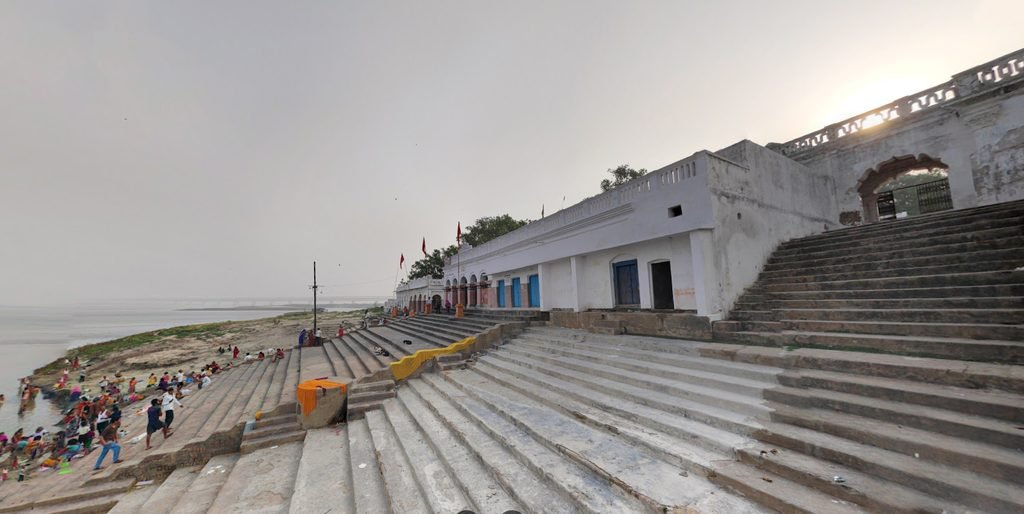
Image Source: Utkarsh952348/ Wikipedia
Munger, Bihar
Munger is associated with the Bihar School of Yoga, an institution known for its systematic approach to yogic education. Its tradition gives attention to physical practices, breathing, meditation, relaxation, and broader aspects of yogic discipline.
For travellers interested in yoga as a complete system rather than a sequence of exercise classes, Munger offers an alternative to the better known tourist centres. The experience is likely to be more structured than a casual drop in class, depending on the programme available.
Munger is not as prominent on conventional international tourist itineraries as Rishikesh or Mysuru. Visitors should therefore plan transport, accommodation, and access to programmes carefully and confirm the current arrangements directly with the institution.
Igatpuri, Maharashtra
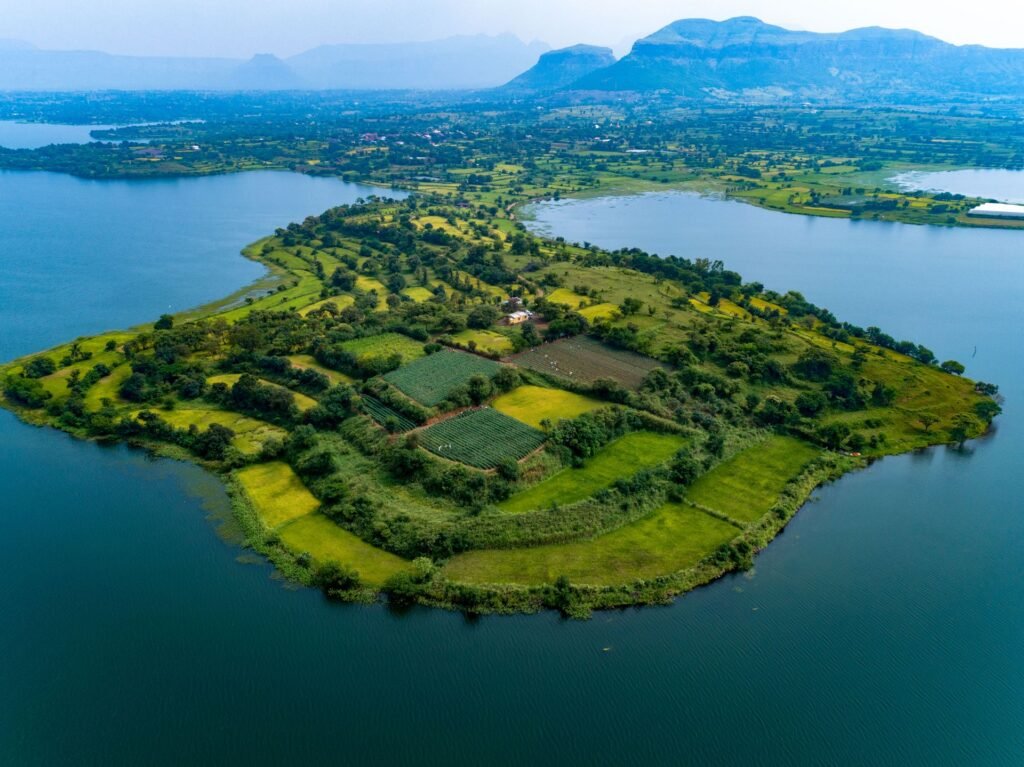
Igatpuri is a hill town in the Sahyadri range, located along the Mumbai to Nashik corridor. Its mountain landscape and access by rail and road make it a convenient destination for travellers from Mumbai and surrounding areas.
The town is particularly associated with Vipassana meditation through the Dhamma Giri meditation centre. Vipassana courses follow a specific framework that includes observation of bodily sensations, mindfulness, and disciplined attention. Residential courses commonly require participants to follow a structured schedule and observe periods of silence.
A ten day introductory course is a well known format within the Vipassana tradition, but places, dates, eligibility, and course conditions must be checked in advance. This is not equivalent to a relaxed wellness weekend: participants are expected to follow the centre’s rules and attend the full programme.
Igatpuri also offers views of the Western Ghats, seasonal greenery, and access to nearby hill landscapes. For a meditation focused visit, however, the centre’s rules and course schedule should take priority over ordinary sightseeing.

Kerala: Thiruvananthapuram, Kumarakom and the Backwaters
Kerala is widely associated with Ayurveda, wellness retreats, tropical landscapes, and a slower style of holiday. Yoga is offered in a variety of settings, including specialist centres, resorts, and programmes that combine movement, breathing, relaxation, and traditional wellness services.
Thiruvananthapuram and its surrounding region provide access to yoga and wellness centres as well as coastal landscapes. Kumarakom, beside Vembanad Lake, offers a quieter backwater environment where some visitors combine yoga with nature based stays.
In Kerala, it is important to distinguish yoga instruction from Ayurvedic treatment. They may be offered together, but they are separate traditions with different methods and purposes. Visitors considering therapies should ask what is included, what qualifications practitioners hold, and whether medical advice is needed for their individual circumstances.
Kerala is a good choice for travellers who prefer a wellness holiday that includes yoga, local cuisine, nature, and comfortable accommodation rather than a strictly residential spiritual programme.
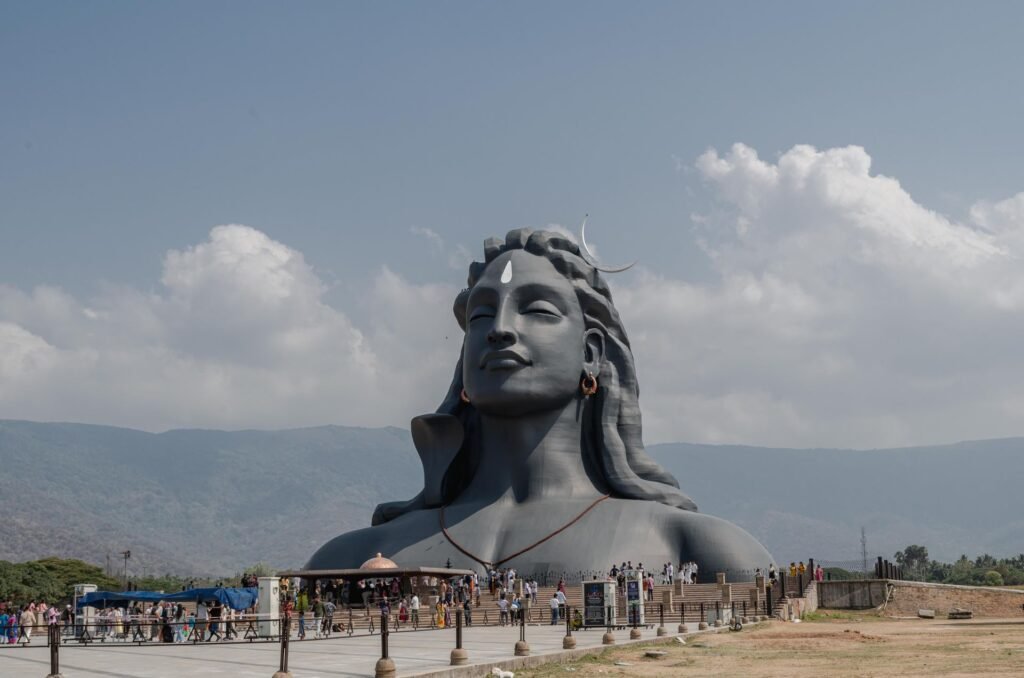
Coimbatore, Tamil Nadu
Coimbatore is an important base for travellers interested in contemporary yoga and spiritual organisations. The Isha Yoga Centre, located near the foothills of the Velliangiri Mountains outside the city, is associated with yoga programmes, meditation related practices, and the Adiyogi statue.
The setting combines a large spiritual campus with a landscape of hills and open countryside. Visitors may be able to participate in specific programmes or visit designated areas, depending on current rules and schedules.
It is important to distinguish a day visit from an intensive programme. Some activities require advance registration, and participation in particular practices may involve prerequisites or orientation.
Coimbatore can also serve as a starting point for exploring the wider Kongu region and the Western Ghats. Travellers should check local transport arrangements before visiting centres outside the city.
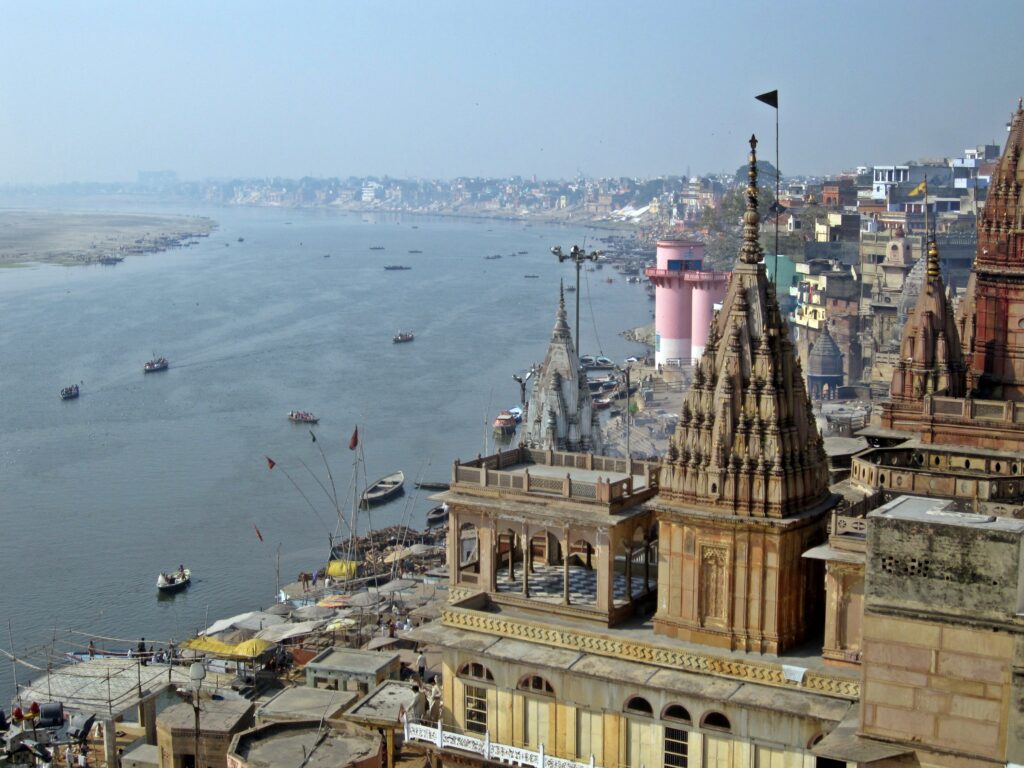
Varanasi, Uttar Pradesh
Varanasi is among India’s most important religious and cultural cities. Its temples, ghats, narrow streets, Sanskrit learning traditions, and ritual life provide a distinctive context for exploring Hindu philosophy and spiritual practice.
Yoga classes and meditation sessions are available through different schools, teachers, and residential centres. The city also provides opportunities to observe devotional activities, attend philosophical talks where open to visitors, and learn about traditions in which meditation is linked with contemplation, mantra, or devotion.
Varanasi is not a conventional silent retreat destination. The ghats and old city are often crowded, and the sounds of daily life form part of the experience. Travellers seeking quiet should select their accommodation carefully and choose a dedicated meditation programme rather than expecting the entire city to be peaceful.
The city is most rewarding when approached with curiosity about its living culture rather than as a backdrop for a wellness holiday alone.

Auroville and Puducherry
Auroville, near Puducherry in Tamil Nadu, is an international experimental township founded around an ideal of human unity. It has attracted people interested in alternative education, sustainable living, contemplation, community, and personal development.
Visitors may find workshops, yoga classes, meditation sessions, and other programmes, depending on the participating organisations and their current schedules. Activities should be checked individually rather than assuming that all facilities are open to casual visitors.
Puducherry offers a different combination of coastal life, Tamil heritage, French colonial architecture, cafés, and spiritual institutions. The Sri Aurobindo Ashram is an important part of the city’s spiritual history, although its activities and visitor arrangements should be distinguished from commercial yoga retreats.
This region suits travellers who want to combine contemplative activities with a longer stay, coastal exploration, and an interest in alternative community life.
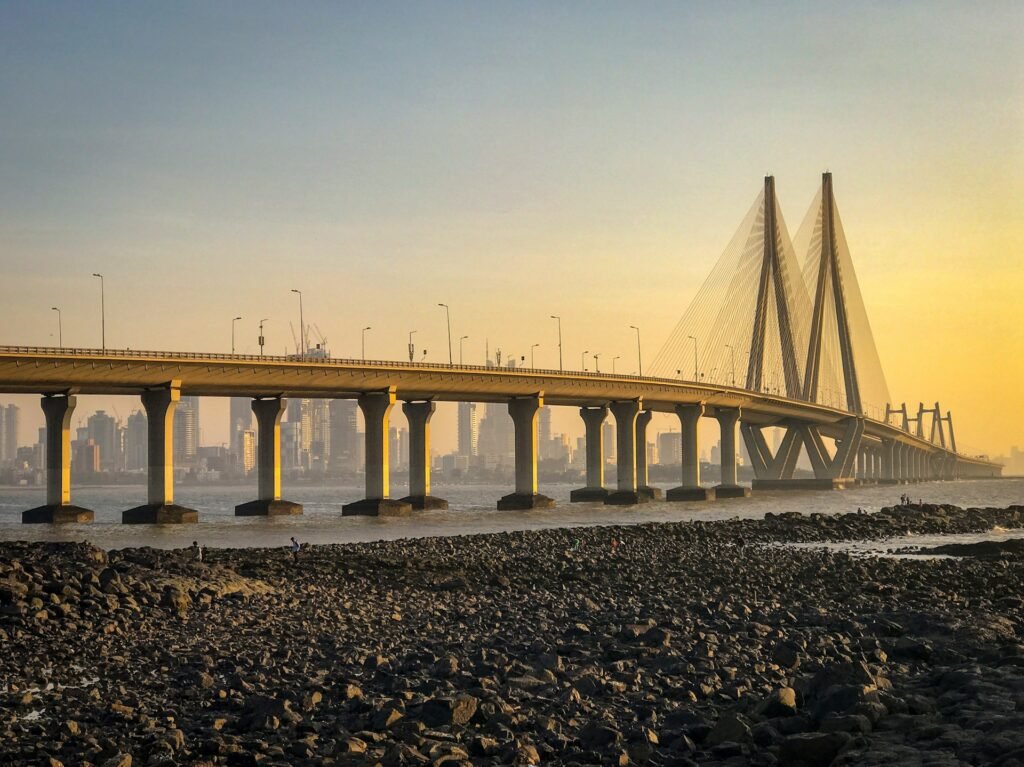
Mumbai and Delhi: Urban Yoga and Meditation
Travellers do not need to leave India’s large cities to explore yoga and meditation. Mumbai and Delhi have established yoga institutes, meditation centres, neighbourhood studios, and programmes suited to people who have only a few hours available.
Mumbai has a historical connection with The Yoga Institute in Santacruz, while Delhi is home to the Morarji Desai National Institute of Yoga. Both cities provide opportunities to encounter organised yoga instruction without committing to a long retreat.
Urban centres can be particularly useful for beginners who want to try several classes before planning a longer journey. However, class quality, teaching style, and the experience of instructors vary, so travellers should compare programmes and look for clear information about fees and qualifications.
Different Types of Meditation to Explore in India
Vipassana Meditation
Vipassana is a meditation tradition associated with insight and the careful observation of experience. In contemporary residential courses, participants follow a disciplined schedule that may include long periods of meditation, silence, and limited communication.
Igatpuri is one of India’s best known destinations for this approach. Other centres operate in different parts of the country, but their schedules, languages, and course requirements differ.
Vipassana is best suited to people who are prepared for an intensive experience. It is sensible to read the rules carefully and avoid treating a residential course as an ordinary holiday activity.
Mindfulness Meditation
Mindfulness practices involve paying attention to present experience, such as breathing, bodily sensations, sounds, thoughts, and emotions. Different traditions interpret and teach mindfulness in different ways.
Travellers may encounter mindfulness through Buddhist centres, yoga schools, meditation groups, or contemporary wellbeing programmes. Some sessions are suitable for beginners, while others are part of a longer course.
A short introductory session can be a practical way to explore mindfulness without making a substantial commitment.
Buddhist Meditation
Buddhist meditation includes several approaches, such as concentration, insight, loving kindness, and contemplative practices. The methods vary across Theravada, Mahayana, and Vajrayana traditions.
Bodh Gaya offers a strong connection with Buddhist pilgrimage and study, while Dharamshala and McLeod Ganj are especially associated with Tibetan Buddhist culture. Some monasteries and centres offer teachings to visitors, although access and participation depend on their own arrangements.
Visitors should understand that a monastery is a religious community, not simply a tourist attraction. Silence, appropriate dress, respectful behaviour, and advance permission may be expected.
Mantra Meditation
Mantra meditation involves repeating a sound, word, phrase, or sacred formula as a focus for attention. The practice can be associated with devotional traditions, particular lineages, or broader contemplative systems.
Some teachers explain the meaning and purpose of a mantra, while other traditions have specific requirements for learning it. Travellers should ask about the method being taught rather than assuming that all mantra practices are interchangeable.
Guided Meditation and Yoga Nidra
Guided meditation uses spoken instructions to help participants direct their attention. Sessions may focus on breathing, relaxation, body awareness, imagery, or reflection.
Yoga Nidra is one guided practice that can be included in yoga programmes. These options are often accessible to beginners because they require less physical movement than a vigorous yoga class.
They may be suitable for travellers who want to explore meditation but are not ready for a long silent retreat.
How to Choose the Right Yoga or Meditation Experience
The most important decision is to identify what you want from the journey. A person seeking flexibility and movement will need a different programme from someone interested in Buddhist philosophy or a silent meditation retreat.
For physical yoga, look for information about the style, class duration, teacher experience, class size, and modifications for beginners. Ask whether the session is suitable for your fitness level and whether mats or other equipment are provided.
For meditation, check the length of the programme, daily schedule, language of instruction, silence requirements, accommodation, food arrangements, and whether participants can leave the programme if necessary. A residential course can be demanding, so the rules should be understood before booking.
For longer yoga teacher training courses, investigate the curriculum, teaching hours, assessment process, fees, and any relevant certification. A certificate from one organisation does not automatically guarantee professional recognition everywhere.
Travellers should also be cautious about claims that yoga or meditation can cure medical conditions. These practices may support general wellbeing for some people, but they are not substitutes for appropriate medical care. Anyone with significant health concerns should seek suitable professional advice before undertaking intensive physical practice or a demanding retreat.
Best Time to Visit
The ideal season depends on the region and the type of programme.
In Rishikesh and Haridwar, the cooler months from approximately October to March are generally comfortable for sightseeing and outdoor activities. Spring can be popular for yoga events and festivals. Summer can become hot, while the monsoon brings heavy rain and may affect travel and outdoor plans.
Mysuru and Pune can be visited throughout much of the year, although the hottest months may be uncomfortable for extended outdoor sightseeing. Visitors should check the teaching calendar of their chosen institute rather than planning solely around weather.
In Dharamshala and the surrounding Himalayan foothills, spring and autumn are often pleasant for walking and sightseeing. Winter can be cold, particularly at higher elevations, while monsoon rain can affect mountain travel.
Kerala is warm and humid for much of the year. The monsoon season brings heavy rainfall, which may appeal to travellers seeking a quieter landscape but can limit outdoor excursions. The cooler, drier months are often preferred for a combined wellness and sightseeing holiday.
Bodh Gaya and Varanasi are generally easier to explore during the cooler months, approximately October to March. Summer heat can be intense, so travellers planning meditation programmes should consider the facilities, ventilation, and daily schedule.
For every destination, the dates of a specific retreat or course may matter more than the general tourist season. Check availability before finalising flights and accommodation.
How to Reach
Rishikesh and Haridwar
Haridwar is connected by rail with several major Indian cities. Rishikesh is accessible by road and rail services in the wider Dehradun region, and travellers can also use Dehradun Airport for onward transfers. The exact journey depends on the starting point and current transport schedules.
Mysuru
Mysuru is connected by rail and road with Bengaluru and other parts of Karnataka. Bengaluru is a major air gateway for visitors arriving from other Indian cities or abroad, followed by an onward road or rail journey.
Pune
Pune has its own airport and extensive rail and road connections. It is a convenient destination for travellers arriving from Mumbai or other major cities in western India.
Bodh Gaya
Gaya is the nearest major rail gateway for Bodh Gaya, with road transfers available between the two. Visitors may also travel through Patna, depending on flight availability and their wider itinerary.
Dharamshala and McLeod Ganj
Travellers can reach the Kangra region by road and rail, while Kangra Airport serves the area with a more limited range of flights. Some visitors arrive through larger airports in northern India and continue by road. Mountain journeys can take longer than expected, especially during bad weather.
Igatpuri
Igatpuri lies on the rail and road corridor between Mumbai and Nashik, making it a convenient option for travellers from Maharashtra. Anyone attending a residential Vipassana course should confirm arrival instructions and the permitted arrival window with the centre.
Kerala
Kochi and Thiruvananthapuram are major air gateways for different parts of Kerala. The most convenient airport depends on the selected retreat and whether the stay is near the coast, the backwaters, or the southern part of the state.
Coimbatore
Coimbatore has an airport and rail connections with several cities. Visitors travelling to yoga centres outside the urban area should confirm transfer arrangements before arrival.
Varanasi
Varanasi is accessible by air, rail, and road. The main challenge is often navigating the busy city and reaching accommodation near the ghats. Travellers should confirm whether their hotel can arrange a convenient pickup.
Auroville and Puducherry
Puducherry is connected by road with Chennai and other cities in Tamil Nadu. Chennai is a major air gateway, with onward travel by road or rail depending on the itinerary.
Responsible Travel at Ashrams, Monasteries and Meditation Centres
Yoga and meditation travel involves visiting places where religious, philosophical, and community practices may be central to everyday life. Respectful behaviour is therefore an important part of the experience.
Follow the dress code and photography rules of each institution. Remove footwear where requested, ask permission before photographing people, and avoid interrupting prayers, meditation sessions, or teachings. Some centres restrict phone use or require visitors to remain silent in designated areas.
Residential programmes may expect participants to follow fixed meal times, attend sessions punctually, and observe rules about communication or conduct. These requirements are part of the programme, not optional tourist activities.
It is also worth considering where your money goes. Choose centres that provide clear information about fees, accommodation, food, teaching, and donations. Local guides, small businesses, and responsible accommodation providers can help distribute tourism benefits beyond large commercial retreats.
Finally, approach Indian traditions with curiosity rather than treating them as interchangeable wellness products. Yoga, Buddhist meditation, Hindu devotional practices, Jain contemplation, and contemporary mindfulness have different histories and meanings. Learning about those differences can make the journey more respectful and informative.
Suggested Yoga and Meditation Itineraries in India
Itinerary 1: A Short Yoga Journey in Uttarakhand
Duration: 4 to 5 days
Begin in Haridwar to explore the ghats, temples, and pilgrimage atmosphere. Continue to Rishikesh for morning yoga classes, riverside walks, an introductory meditation session, and an evening Ganga Aarti.
This itinerary is suitable for first time visitors who want to experience yoga in a well established destination without committing to an intensive retreat.
Itinerary 2: Yoga Training in Karnataka
Duration: 5 to 7 days or longer
Base yourself in Mysuru and arrange a programme that matches your experience and the school’s admission requirements. Allow time for daily practice and rest, and explore the city’s palace, markets, and local food outside scheduled sessions.
A week can provide an introduction, but travellers seeking sustained Ashtanga study may need a longer stay.
Itinerary 3: Buddhist Meditation in Bihar
Duration: 3 to 5 days
Spend several days in Bodh Gaya exploring the Mahabodhi Temple complex, international monasteries, and Buddhist cultural institutions. If you want formal meditation instruction, arrange a programme with a centre that accepts visitors.
This itinerary suits travellers interested in Buddhist history, pilgrimage, and contemplative practice.
Itinerary 4: Meditation and Mountain Culture in Himachal Pradesh
Duration: 5 to 7 days
Stay in Dharamshala or McLeod Ganj, attend an available meditation session or Buddhist teaching, and explore Tibetan cultural institutions. Reserve time for gentle walks and local sightseeing, while allowing flexibility for mountain weather.
This itinerary combines meditation with Himalayan scenery and an introduction to Tibetan Buddhist culture.
Itinerary 5: A Structured Vipassana Experience in Maharashtra
Duration: Around 10 days for a standard introductory residential course, plus travel time
Travel to Igatpuri after confirming a course booking and reading the centre’s rules. Keep your schedule clear for the full course and avoid planning sightseeing during the retreat.
This is an intensive option for travellers who specifically want to experience a structured Vipassana course rather than a general wellness holiday.
Itinerary 6: A Kerala Wellness Holiday
Duration: 5 to 7 days
Choose a retreat in Kerala that offers yoga alongside the surroundings you prefer, whether coastal scenery, backwaters, or a quieter inland location. Balance scheduled classes with time for local food, nature, and cultural exploration.
If you wish to include Ayurveda, verify the nature of the treatments and the qualifications of the practitioners instead of assuming every wellness package provides the same services.
Frequently Asked Questions
What is the best place in India for yoga?
Rishikesh is one of the best known choices for yoga because it has many yoga schools, ashrams, residential programmes, and meditation opportunities. Mysuru is particularly important for Ashtanga yoga, while Pune is associated with Iyengar yoga. The best destination depends on the style and depth of study you want.
Where can I learn meditation in India?
Bodh Gaya is a major destination for Buddhist meditation and study. Dharamshala offers opportunities to explore Tibetan Buddhist traditions, while Igatpuri is well known for structured Vipassana courses. Rishikesh also has numerous yoga and meditation centres.
Can beginners attend yoga retreats in India?
Yes. Many centres offer beginner classes and introductory retreats. Check the programme description, physical requirements, daily schedule, and whether the instructor provides modifications. You do not need to be an advanced yoga practitioner to begin.
How long should I stay at a yoga retreat?
A short stay of two to four days may provide an introduction, while a week allows more time to establish a routine. Intensive courses and teacher training programmes may require considerably longer. The appropriate duration depends on the centre and your objectives.
Is Rishikesh better than Mysuru for yoga?
Neither destination is universally better. Rishikesh offers a broad range of yoga styles, ashrams, meditation programmes, and spiritual tourism experiences. Mysuru is particularly associated with Ashtanga yoga and sustained daily practice. Choose based on the teaching tradition you want to explore.
What is the difference between yoga and Vipassana?
Yoga is a broad family of traditions that can include postures, breathing, meditation, ethical disciplines, and philosophy. Vipassana is a meditation tradition focused on insight and the observation of experience. Some yoga programmes include meditation, but that does not make them equivalent to a formal Vipassana course.
Can I visit an ashram without joining a residential programme?
Many ashrams and yoga centres allow some form of visitor participation, such as attending a class, joining a public event, or visiting designated areas. Others require registration or restrict access. Check the rules of the particular institution before travelling.
Is yoga in India only for spiritual seekers?
No. People participate in yoga for many reasons, including movement, flexibility, balance, relaxation, concentration, philosophical learning, and spiritual development. Different schools emphasise different objectives.
When is the best time for a yoga and meditation trip to India?
October to March is often comfortable for visiting many northern Indian destinations, although the climate varies by region. Kerala has a tropical climate, and Himalayan destinations experience colder winters and monsoon rainfall. Course schedules and local weather should both guide your decision.
Is a meditation retreat suitable for everyone?
Not necessarily. Retreats differ in intensity, physical requirements, and emotional demands. A short guided session may be a manageable introduction, whereas a long silent course can be challenging. Read the programme requirements and consult an appropriate healthcare professional if you have concerns about whether intensive practice is suitable for you.
Final Thoughts
Yoga and meditation in India offer a way to explore the country’s philosophical traditions, religious landscapes, and contemporary wellness culture through direct experience. From the riverside ashrams of Rishikesh to the Ashtanga schools of Mysuru, the Buddhist monasteries of Bodh Gaya, the meditation centres of Igatpuri, and the mountain communities around Dharamshala, each destination provides a different perspective.
The most rewarding journey is not necessarily the one with the most activities or the longest retreat. It is the one that matches your interests, respects the traditions you encounter, and gives you enough time to understand the experience.
Whether you choose a single morning yoga class, a week of guided meditation, or a structured residential course, India offers many ways to explore these practices in the places and communities where they continue to evolve.