Image Source: sandesh mavinakuli
About Medigeshi Fort
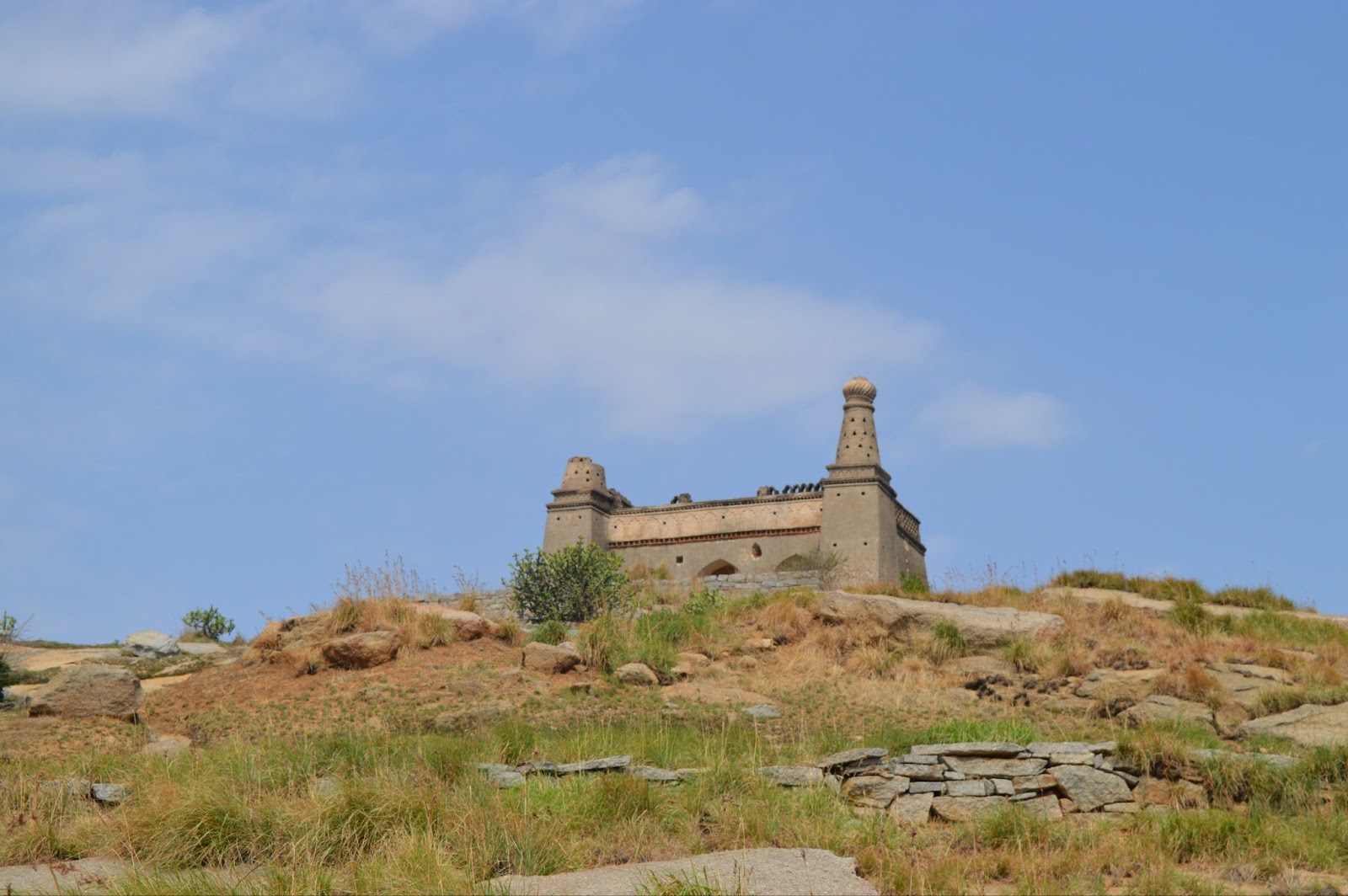
Perched at an elevation of about 2,581 feet above sea level, Medigeshi Fort is one of the lesser-known historical treasures of Karnataka. Located in the quiet village of Medigeshi in Tumakuru district, the fort stands atop a rocky hill and offers a fascinating blend of history, architecture, spirituality, and scenic beauty. Though much of the structure now lies in ruins, the fort continues to attract history enthusiasts, trekkers, and travelers seeking offbeat destinations away from crowded tourist spots.
The hilltop location provides sweeping views of the surrounding countryside, making it a rewarding destination for both heritage lovers and nature enthusiasts.
History of Medigeshi Fort
The origins of Medigeshi Fort date back to the glorious Vijayanagara period. The fort was built by Nagi Reddy (also known as Neggi Reddy), a local chieftain who recognized the strategic importance of the hill. According to local folklore, the name “Medigeshi” evolved from the nickname “Midigeshi,” which was given to Nagi Reddy’s wife because of her exceptionally long hair that reportedly reached her ankles.
Over the centuries, the fort witnessed the rise and fall of several powerful rulers. After the Vijayanagara Empire, the region came under the influence of the Marathas and later the Kingdom of Mysore under Haider Ali and Tipu Sultan. Due to its commanding position and military significance, the fort became an important defensive stronghold. Eventually, during the Anglo-Mysore conflicts, British forces led by Lord Cornwallis captured the fort, bringing it under British control.
Today, the weathered walls and surviving structures serve as reminders of the fort’s eventful past and the many rulers who once controlled this strategic hilltop outpost.
Architecture of Medigeshi Fort
Despite the ravages of time, Medigeshi Fort still reflects the ingenuity of traditional South Indian military architecture. The fort was designed with multiple defensive layers, and visitors must pass through seven gateways while ascending toward the summit. Although several of these gateways have deteriorated over time, they still offer a glimpse into the fort’s former grandeur.
Scattered across the hill are various historical remnants that reveal the fort’s multicultural past. Among these are the remains of a mosque featuring three arches and two elegant minarets adorned with intricate latticework. The fort complex also contains old granaries that were once used to store food supplies during periods of conflict and siege.
Another interesting feature is the presence of ancient water-storage structures known locally as “dhones.” Two notable examples, Musure Dhone and Kannerammana Dhone, demonstrate the sophisticated methods used by earlier inhabitants to conserve water on the rocky hilltop.
Key Attractions at Medigeshi Fort
Hanuman Temple
One of the most visited spots near the fort is the Hanuman Temple. The temple adds a spiritual dimension to the historical site and attracts devotees from nearby villages. Many visitors stop here to offer prayers before beginning their climb to the fort summit.
Venkatramana and Lakshmi Temples
At the base of the hill stand the beautiful Venkatramana and Lakshmi Temples. These temples are important religious landmarks in the area and provide insight into the cultural and spiritual traditions of the region. Their peaceful surroundings make them ideal places to spend a few moments before exploring the fort.
Trek to the Summit
Trekking is one of the highlights of a visit to Medigeshi Fort. The trail begins on the eastern side of the hill near the Venkatramana Temple. Visitors climb approximately 150 stone steps that wind through ancient gateways, rocky passages, and fort remains.
The trek is relatively short and suitable for most visitors with a moderate fitness level. As you ascend, the views become increasingly spectacular. Upon reaching the summit, travelers are rewarded with panoramic vistas of rolling hills, agricultural fields, and rural landscapes stretching across the horizon. Sunrise and sunset are particularly beautiful times to experience the fort.
Best Time to Visit
The ideal time to visit Medigeshi Fort is between October and February, when the weather is pleasant and suitable for trekking. The monsoon season also enhances the beauty of the surrounding landscape with lush greenery, although the rocks and steps can become slippery.
Early mornings and late afternoons are the best times to explore the fort, especially during summer when daytime temperatures can be quite high.
How to Reach Medigeshi Fort
Medigeshi Fort is located in Tumakuru district of Karnataka, approximately 110 kilometers from Bengaluru and around 35 kilometers from Madhugiri.
By Road
The fort is well-connected by road. Travelers from Bengaluru can drive via NH 44 toward Tumakuru and continue toward Madhugiri and Medigeshi. The journey usually takes around 2.5 to 3 hours. Private vehicles and taxis are the most convenient options.
By Train
The nearest railway station is Medigeshi Railway Station, located close to the village. Trains connecting Bengaluru and nearby towns provide convenient access. From the station, local transport or auto-rickshaws can be hired to reach the fort base.
By Bus
Regular KSRTC and private buses operate between Bengaluru, Tumakuru, Madhugiri, and nearby towns. Visitors can get down at Medigeshi village and proceed to the fort by local transport or on foot.
Nearby Attractions
Madhugiri Fort
Located around 35 kilometers away, Madhugiri Fort is famous for being built on one of Asia’s largest monolithic rock hills. Its challenging trek and impressive fortifications make it a popular destination for adventure seekers.
Devarayanadurga
Known for its hill temples, scenic viewpoints, and forest surroundings, Devarayanadurga is a great destination for nature lovers and pilgrims.
Jayamangali Blackbuck Reserve
This unique wildlife sanctuary is one of the few places in Karnataka where visitors can spot blackbucks in their natural habitat. Birdwatching opportunities are also excellent here.
Siddara Betta
A renowned trekking and pilgrimage destination, Siddara Betta features caves, temples, and panoramic views of the surrounding countryside.
Channarayana Durga Fort
Another historic hill fort in Tumakuru district, Channarayana Durga is known for its ancient walls, gateways, and rewarding trekking routes.
Timings
Medigeshi Fort is generally open to visitors from 6:00 AM to 6:00 PM.
Entry Fee
There is no entry fee, making it an excellent budget-friendly destination for history lovers and trekkers.
Maps
FAQs
Is Medigeshi Fort suitable for beginners?
Yes. The trek is relatively short and involves around 150 steps, making it suitable for beginners and families.
How much time is needed to explore the fort?
Most visitors spend between 1.5 and 3 hours exploring the fort, temples, and viewpoints.
Is there an entry fee for Medigeshi Fort?
No, entry to the fort is completely free.
What is the best time to visit Medigeshi Fort?
The months from October to February offer the most pleasant weather for trekking and sightseeing.
Are food and water available near the fort?
Basic shops and small eateries can be found in Medigeshi village. It is advisable to carry drinking water, especially during summer.
Can Medigeshi Fort be visited as a day trip from Bengaluru?
Yes. Due to its proximity to Bengaluru, the fort is an excellent destination for a one-day road trip.
Is photography allowed?
Yes. The fort’s historical ruins, rocky terrain, and panoramic views make it an excellent location for photography.