Credit: 学良
About the Galwan River
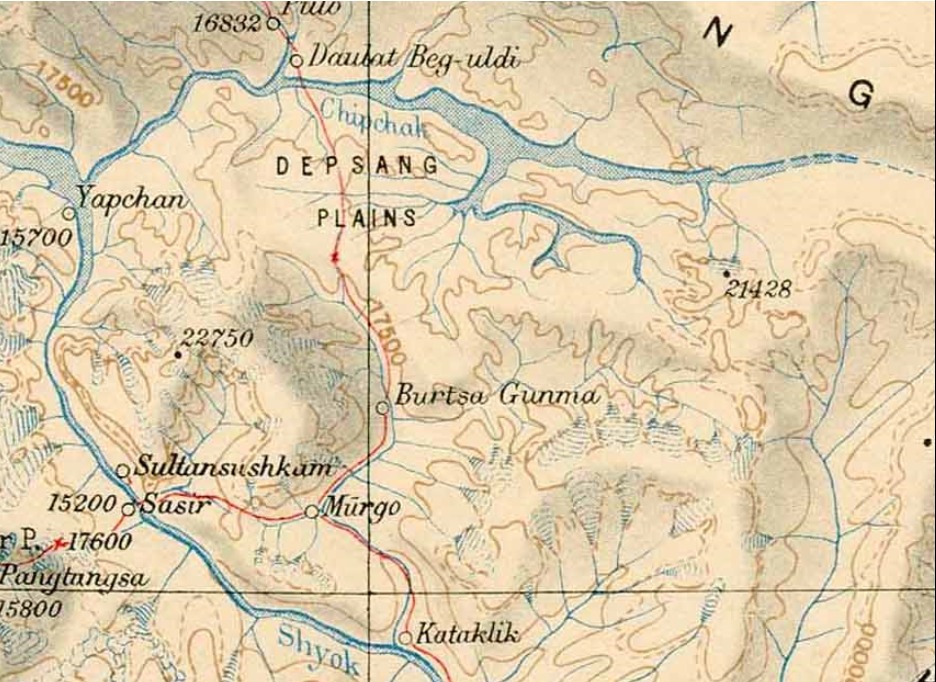
The Galwan River is a significant river located in the northeastern region of Kashmir, flowing through the remote and rugged landscape of the Galwan Valley. It is an important tributary of the Chip Chap River and originates from the high-altitude Depsang Plains, one of the coldest and most isolated areas in the region. The river’s source lies near the origin of the Chip Chap River, where melting glaciers and snowfields feed its waters.
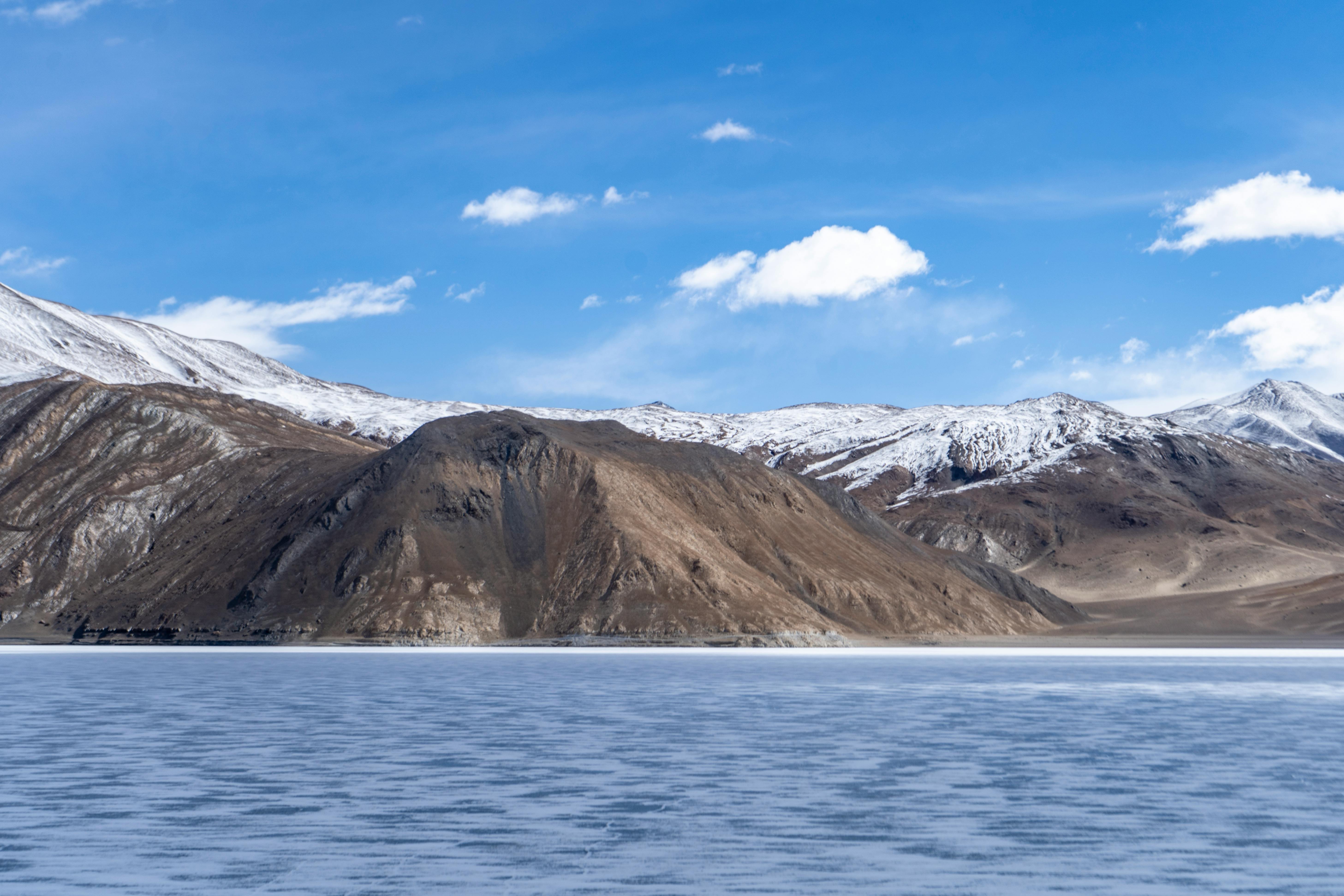
The Galwan River is primarily sustained by numerous snow-fed streams and glacier melt from the surrounding mountains. Due to the harsh climatic conditions and extreme altitude, the river experiences dramatic seasonal changes. During the winter months, temperatures fall well below freezing, causing the river to freeze and making the valley largely inaccessible. In contrast, the summer season brings warmer temperatures that melt snow and glaciers, significantly increasing the river’s water level and flow.
Geography and Landscape of Galwan Valley
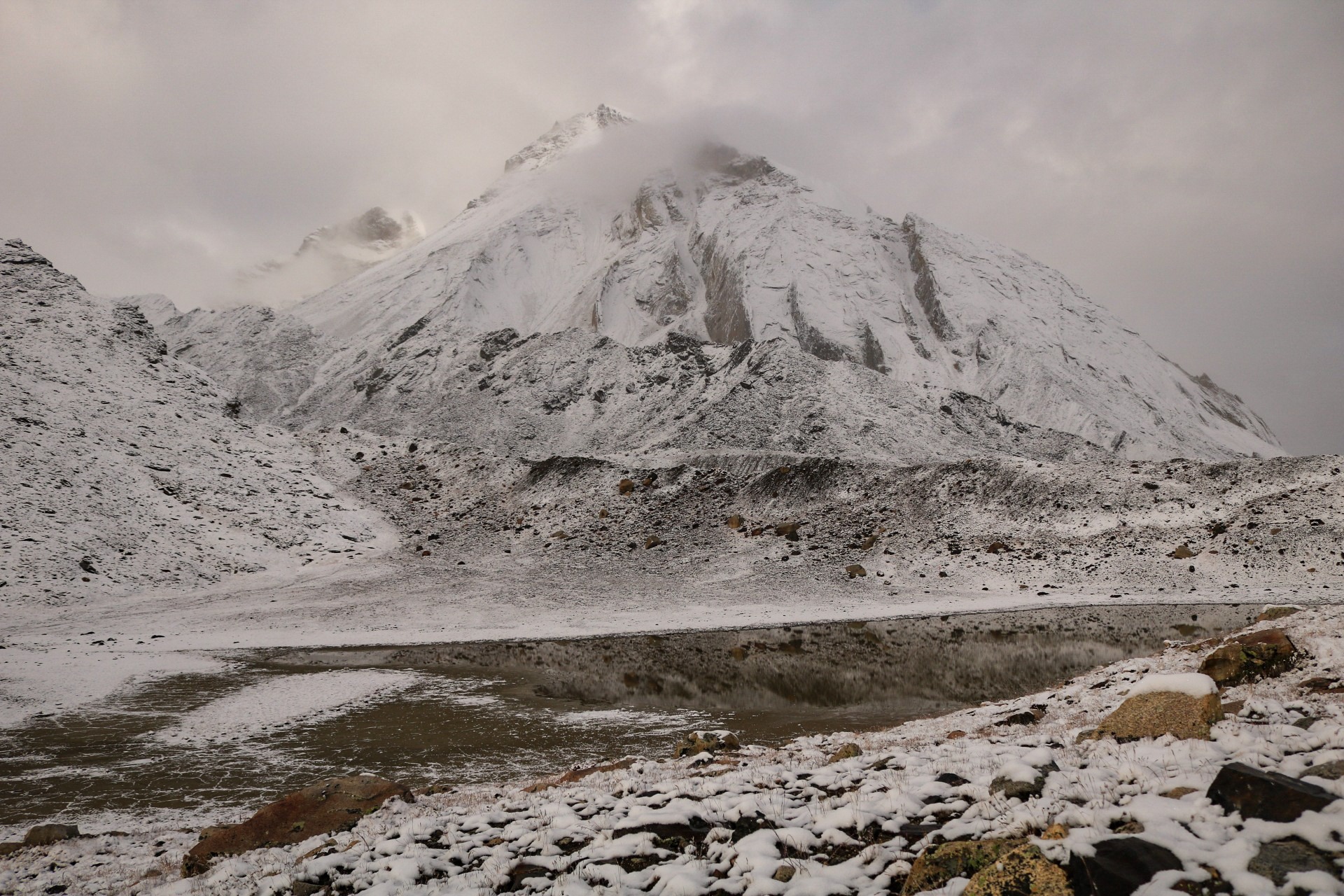
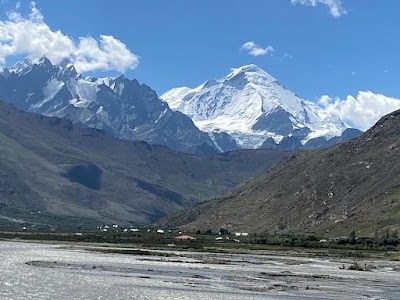
Galwan Valley lies in a high-altitude desert environment characterized by rocky terrain, steep mountain slopes, and sparse natural resources. The region is largely devoid of vegetation because of its thin atmosphere, freezing temperatures, and limited rainfall. The barren landscape, although harsh, creates a striking and dramatic natural setting shaped by centuries of glacial activity and erosion.
The valley’s elevation and severe weather conditions make human habitation and travel extremely challenging. Strong winds, low oxygen levels, and long winters further add to the difficulties of surviving in this remote area. Despite these challenges, the valley remains geographically important due to its location within the greater Himalayan and Karakoram mountain systems.
Strategic Importance of Galwan Valley
Galwan Valley holds considerable geographical and strategic importance because of its location in eastern Ladakh near key mountain routes and high-altitude plains. Its proximity to sensitive border regions has made it an area of long-standing military and geopolitical interest.
The difficult terrain and extreme altitude add to its strategic value. Control over movement routes and observation points in this region has contributed to its significance in regional security considerations.
The Galwan Dispute
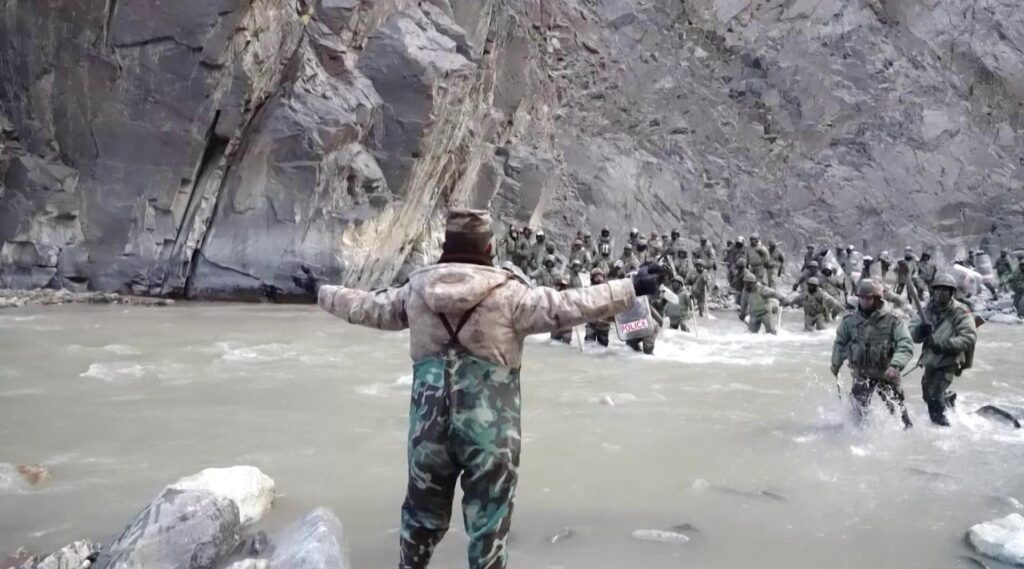
The Galwan Valley became internationally known due to the border dispute between India and China. The region lies near the Line of Actual Control (LAC), the de facto border separating areas controlled by the two countries. Differences in the perception of the LAC have led to tensions and periodic confrontations over the years.
In June 2020, Galwan Valley witnessed a serious military clash between Indian and Chinese troops. The confrontation resulted in casualties on both sides and marked one of the most significant border incidents between the two countries in decades. The clash drew global attention to the region and highlighted the strategic sensitivity of the valley.
Following the incident, both countries engaged in diplomatic and military discussions aimed at reducing tensions and maintaining stability along the border. Although dialogue and disengagement efforts have taken place in certain areas, Galwan Valley remains an important symbol of the broader border dispute and the complexities surrounding the Himalayan frontier.
Historical Background of the Valley
The Galwan Valley derives its name from Ghulam Rasool Galwan, a local explorer and guide from Ladakh who traveled extensively through the region during the late nineteenth and early twentieth centuries. His journeys and writings helped document parts of this difficult terrain and brought greater awareness to the area among explorers and surveyors.
Over time, the valley evolved from a little-known mountain passage into a location recognized for both its geographical uniqueness and geopolitical significance.
Seasonal Conditions and River Behavior
The Galwan River behaves differently across the seasons. In winter, heavy snowfall and freezing temperatures turn much of the river into ice, limiting movement and access through the valley. As spring and summer arrive, melting glaciers release large amounts of water into the river system, increasing its volume and creating stronger currents. This seasonal pattern plays an important role in shaping the valley’s terrain and hydrology.
Strategic Importance
Beyond its natural features, Galwan Valley has gained international attention because of its strategic location in the border region of eastern Ladakh. The valley lies near important mountain routes and high-altitude plains, making it geopolitically significant. Its difficult terrain and remote setting have made it an area of both geographical and strategic interest over the years.
Maps and Location
FAQs
1. Where is the Galwan River located?
The Galwan River is located in the northeastern part of Kashmir, within the high-altitude Galwan Valley near the Depsang Plains in eastern Ladakh.
2. What is the source of the Galwan River?
The river originates from glacier-fed and snow-fed streams near the Depsang Plains, close to the source region of the Chip Chap River.
3. Why does the Galwan River freeze in winter?
The extreme cold temperatures and high altitude cause the river to freeze during winter, making the surrounding valley difficult to access.
4. Why is Galwan Valley barren?
Galwan Valley has very little vegetation because of its harsh climate, low temperatures, high elevation, and lack of sufficient rainfall.
5. What makes the Galwan Valley important?
Apart from its unique geography, the valley holds strategic significance due to its location in a sensitive high-altitude border region.