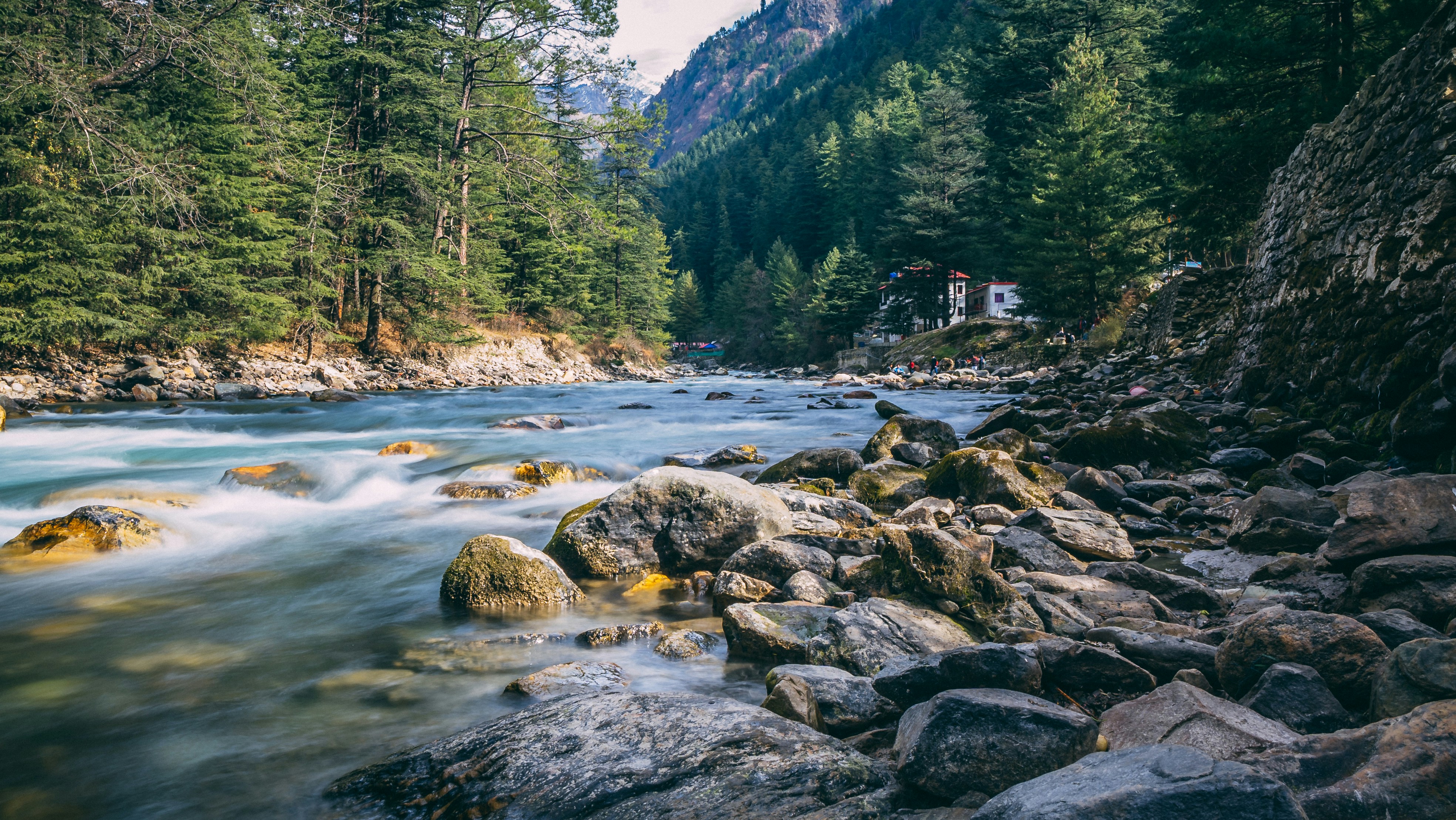
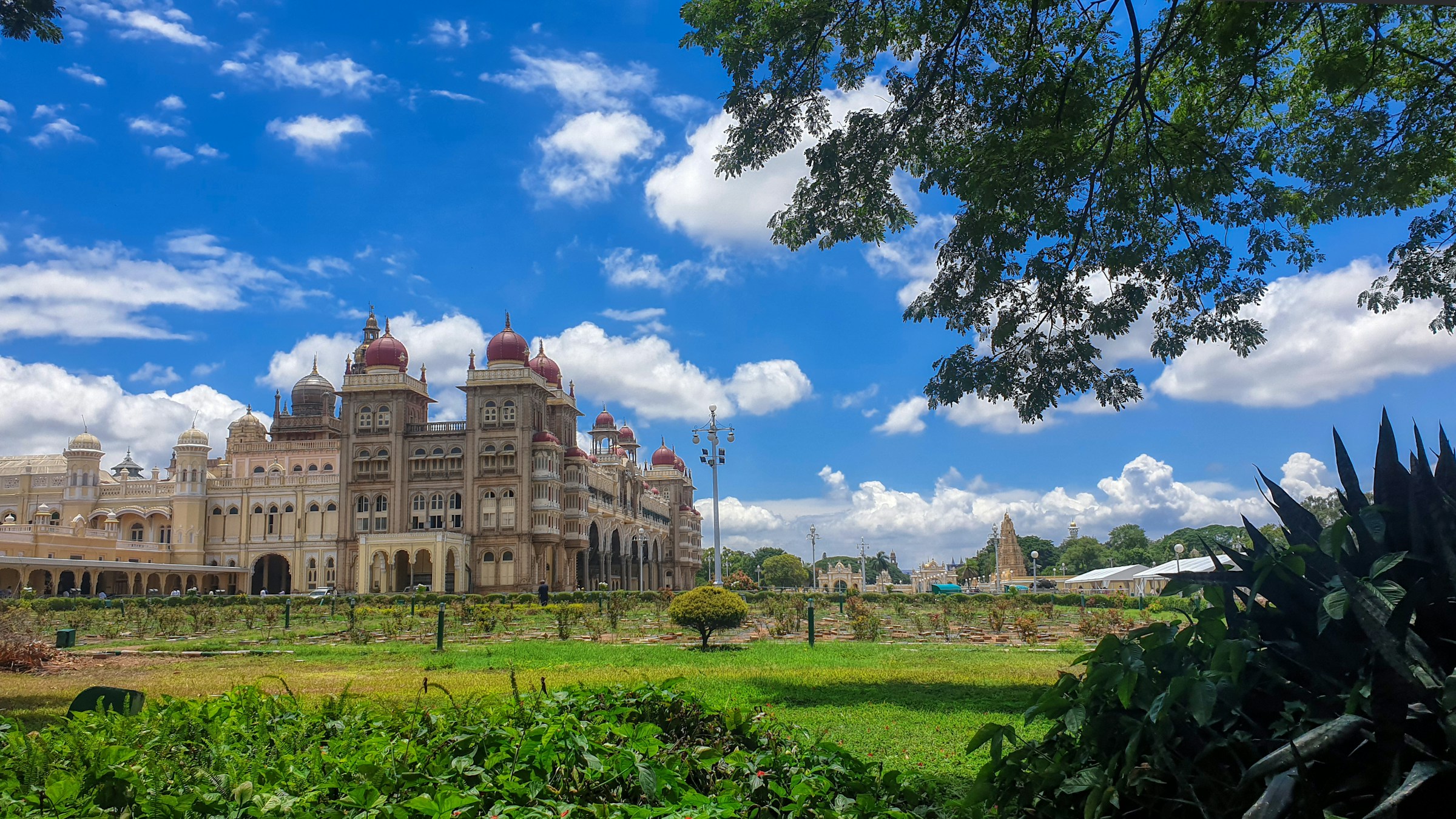
Image Source: Sharva Joshi
About Nugu Dam
Tucked away in the quiet surroundings of Beerwal village in H.D. Kote taluk of Mysore district, Nugu Dam is one of Karnataka’s lesser-known yet incredibly scenic destinations. Surrounded by lush greenery, rolling hills, and rich wildlife, the dam and its reservoir create a calm and refreshing atmosphere that attracts nature lovers, photographers, and weekend travelers looking to escape the rush of city life.
The area beautifully combines natural charm with impressive engineering. Whether you are interested in scenic landscapes, wildlife spotting, or simply enjoying a peaceful drive through the countryside, Nugu offers an experience that feels both relaxing and memorable.
History and Construction
The Nugu Reservoir was developed between 1956 and 1959 under the guidance of the legendary engineer M. Visvesvaraya, whose contributions to modern engineering in India remain highly respected even today. The project was designed mainly to support irrigation and improve water management in the surrounding agricultural regions.
Built across the Nugu River, the reservoir stretches over a large area and plays an important role in supplying water to nearby farmlands. The structure measures approximately 637.65 metres in length and rises about 43.58 metres above its deepest foundation. Over the decades, it has become an essential lifeline for local farming communities.
Apart from its practical importance, the reservoir has gradually evolved into a scenic tourist attraction because of its tranquil environment and breathtaking surroundings.
Engineering Features of Nugu Dam
Nugu Reservoir is an earthen and gravity-type dam designed to regulate water flow efficiently while also supporting hydroelectric and irrigation purposes. The dam includes four massive radial spillway gates, each measuring nearly 40 metres by 40 metres, helping control excess water during monsoon seasons.
The full reservoir level stands at approximately 753.46 metres, while the gross storage capacity reaches around 154 million cubic metres. Its live storage capacity of nearly 130 million cubic metres makes it a crucial water source for the region.
The engineering design of the dam reflects the practical and durable construction methods used during the mid-20th century in India. Even today, the structure continues to function effectively and remains an important resource for the surrounding districts.
Natural Beauty Around Nugu
What truly makes Nugu special is the untouched natural beauty surrounding the reservoir. The calm waters reflect the nearby hills and forests, creating postcard-like views, especially during sunrise and sunset.
The reservoir lies within the Nugu Wildlife Sanctuary, which forms part of the famous Nilgiri Biosphere Reserve. Because of this protected ecosystem, the region is home to a wide variety of wildlife and plant species.
Visitors may spot elephants, deer, wild boars, leopards, and several species of birds in the surrounding forest areas. Birdwatchers often visit the region during winter months when migratory birds arrive near the water bodies. The peaceful atmosphere and rich biodiversity make Nugu an excellent destination for eco-tourism and nature photography.
Nugu Viewpoint: A Scenic Panorama
One of the highlights of visiting the area is the Nugu Viewpoint, located along State Highway 86 near Mullur. This elevated viewpoint offers stunning panoramic views of the reservoir, nearby hills, dense forests, and sprawling agricultural fields.
The location is especially popular among photographers and travelers who enjoy quiet landscapes away from crowded tourist spots. Early morning mist and golden evening light create spectacular views that make the place feel magical.
Many visitors stop here simply to enjoy the cool breeze, take photographs, or relax while admiring the natural scenery.
Wildlife and Eco-Tourism Opportunities
Since the reservoir lies close to protected forest regions, the surrounding area is rich in wildlife activity. Travelers often combine a visit to Nugu with nearby forest safaris and nature excursions.
The nearby forests are part of an important ecological corridor connecting several wildlife habitats in southern India. Because of this, the region supports a healthy population of elephants and other wild animals.
Nature enthusiasts can enjoy:
- Birdwatching.
- Nature walks.
- Wildlife photography.
- Scenic road trips.
- Forest exploration.
- Sunset viewing.
The calm environment also makes it a wonderful place for people who simply want to disconnect from busy urban life.
Best Time to Visit Nugu Dam
The ideal time to visit Nugu Dam is between October and April. During these months, the weather remains pleasant, making sightseeing and outdoor activities more enjoyable.
The monsoon season transforms the landscape into a lush green paradise, and the reservoir usually appears full and vibrant. However, heavy rains can sometimes make travel slightly difficult.
Winter mornings are particularly beautiful, with cool temperatures and mist-covered hills adding charm to the surroundings.
How to Reach Nugu Dam
Nugu Dam is located about 80 kilometres from Mysore and can easily be reached by road.
By Road
The journey from Mysore to Nugu is scenic and passes through rural landscapes and forested stretches. Private vehicles and taxis offer the most convenient way to explore the region comfortably.
By Bus
Public buses operate from Mysore and nearby towns toward H.D. Kote, though direct connectivity to the dam area may be limited.
By Train
The nearest major railway station is in Mysore, which is well connected to major cities across Karnataka and southern India.
By Air
The closest airport is Mysore Airport, while Kempegowda International Airport serves as the nearest major international airport.
Nearby Attractions of Nugu Dam
- Kabini Dam – Located close to Nugu Dam, Kabini Dam is famous for its vast reservoir, scenic backwaters, boat rides, and excellent opportunities for wildlife viewing. The area is particularly known for elephant sightings during the summer months.
- Nagarhole National Park – One of India’s finest tiger reserves, Nagarhole is home to tigers, leopards, elephants, gaurs, deer, and hundreds of bird species. Jeep and boat safaris make it a must-visit destination for wildlife enthusiasts.
- Bandipur National Park – Part of the Nilgiri Biosphere Reserve, Bandipur offers rich biodiversity, forest landscapes, and excellent chances of spotting wild animals in their natural habitat.
- Himavad Gopalaswamy Betta – The highest peak in Bandipur National Park, this hill is famous for its ancient temple dedicated to Lord Krishna and panoramic views often covered in mist.
- Iruppu Falls – Situated near the Brahmagiri Hills, Iruppu Falls is a picturesque waterfall surrounded by dense forests and trekking trails. It is especially beautiful during and after the monsoon season.
- Brahmagiri Hills – A popular trekking destination known for its lush forests, mountain views, and diverse wildlife. The hills form part of the Western Ghats ecosystem.
- Kabini Backwaters – These serene backwaters offer stunning landscapes, birdwatching opportunities, and excellent photography spots, especially during sunrise and sunset.
- Balle Elephant Camp – A conservation center where visitors can learn about elephants and their role in Karnataka’s forest ecosystem.
- Bheemanakolli Mahadeshwara Temple – An ancient temple nestled amidst forests, offering a peaceful atmosphere and spiritual significance.
- Nugu Reservoir Backwaters – The calm waters and surrounding hills create a scenic environment ideal for nature walks, birdwatching, and photography.
Accommodation Options
Accommodation near the dam itself is limited, but travelers can find comfortable stays in H.D. Kote and Mysore. Options range from budget guesthouses to luxury resorts and eco-lodges.
Many tourists prefer staying in Mysore and planning a day trip to Nugu because of the better availability of hotels, restaurants, and transportation facilities.
Things to Do Near Nugu Dam
Apart from enjoying the reservoir views, visitors can explore several nearby attractions and activities:
- Visit nearby wildlife sanctuaries.
- Enjoy forest drives.
- Explore local villages and rural landscapes.
- Experience photography tours.
- Watch sunsets over the reservoir.
- Enjoy peaceful picnics amidst nature.
The area is especially appealing to couples, families, solo travelers, and photographers seeking offbeat destinations in Karnataka.
Google Maps
FAQs
Where is Nugu Dam located?
Nugu Dam is located in Beerwal village of H.D. Kote taluk in Mysore district, Karnataka.
Why is Nugu Dam famous?
The dam is known for its scenic beauty, peaceful environment, wildlife-rich surroundings, and importance as an irrigation reservoir.
Is Nugu Dam good for photography?
Yes, the reservoir, hills, forests, and viewpoint provide excellent opportunities for landscape and wildlife photography.
What is the best time to visit Nugu Dam?
The best time to visit is from October to April when the weather is pleasant and the natural scenery looks vibrant.
Are there wildlife sightings near Nugu?
Yes, the surrounding sanctuary area is home to elephants, deer, birds, and other wildlife species.
Can families visit Nugu Dam?
Absolutely. The calm atmosphere and scenic surroundings make it a great destination for families and nature lovers.
Is boating available at Nugu Reservoir?
Boating facilities are generally limited or unavailable, but visitors mainly come for sightseeing and nature experiences.
How far is Nugu Dam from Mysore?
The dam is approximately 80 kilometres from Mysore by road.
Is Nugu Dam part of a wildlife sanctuary?
Yes, the reservoir lies within the Nugu Wildlife Sanctuary, which is part of the Nilgiri Biosphere Reserve.
Are there hotels near Nugu Dam?
Basic accommodation is available near H.D. Kote, while Mysore offers a wider range of hotels and resorts.