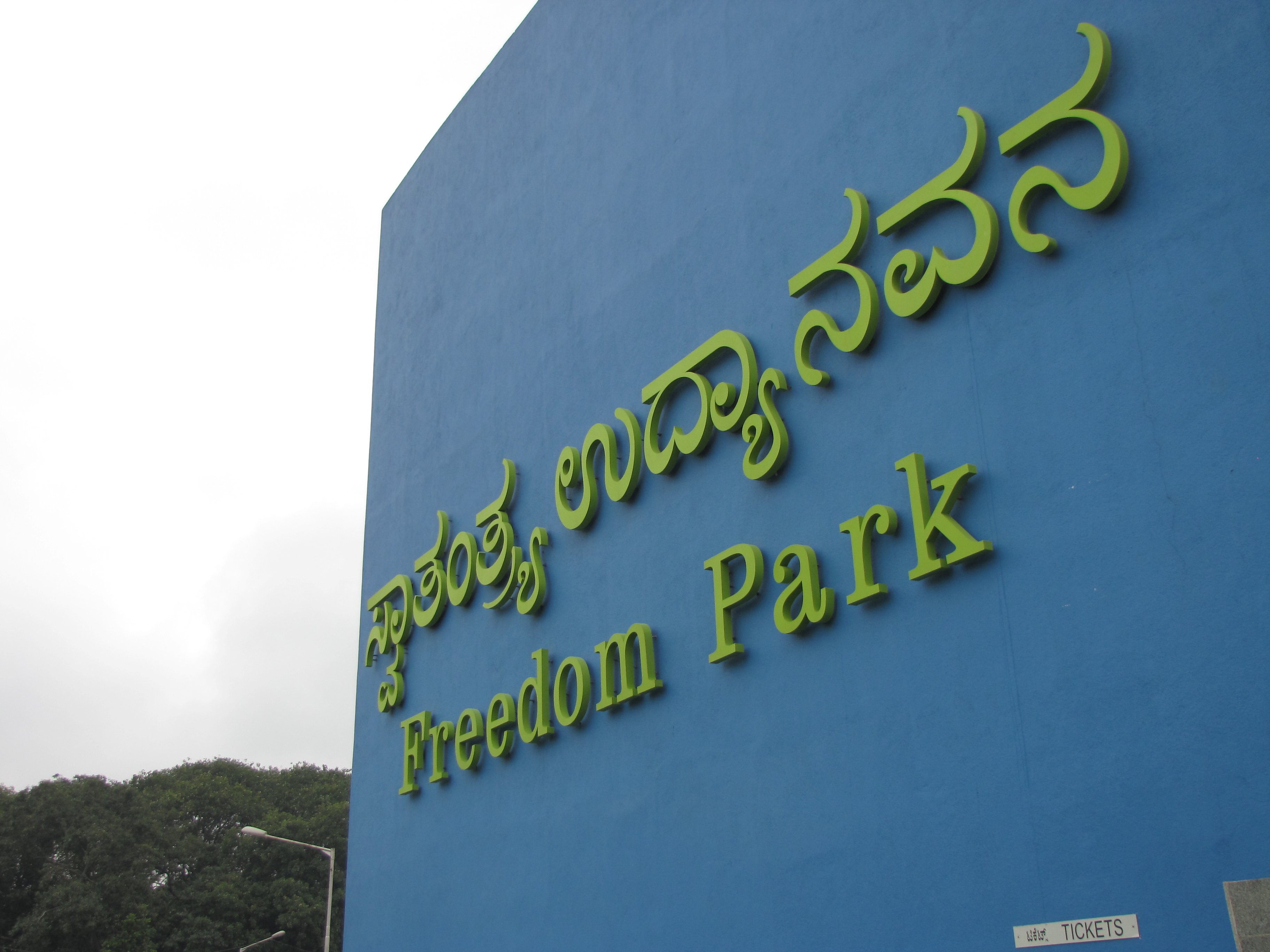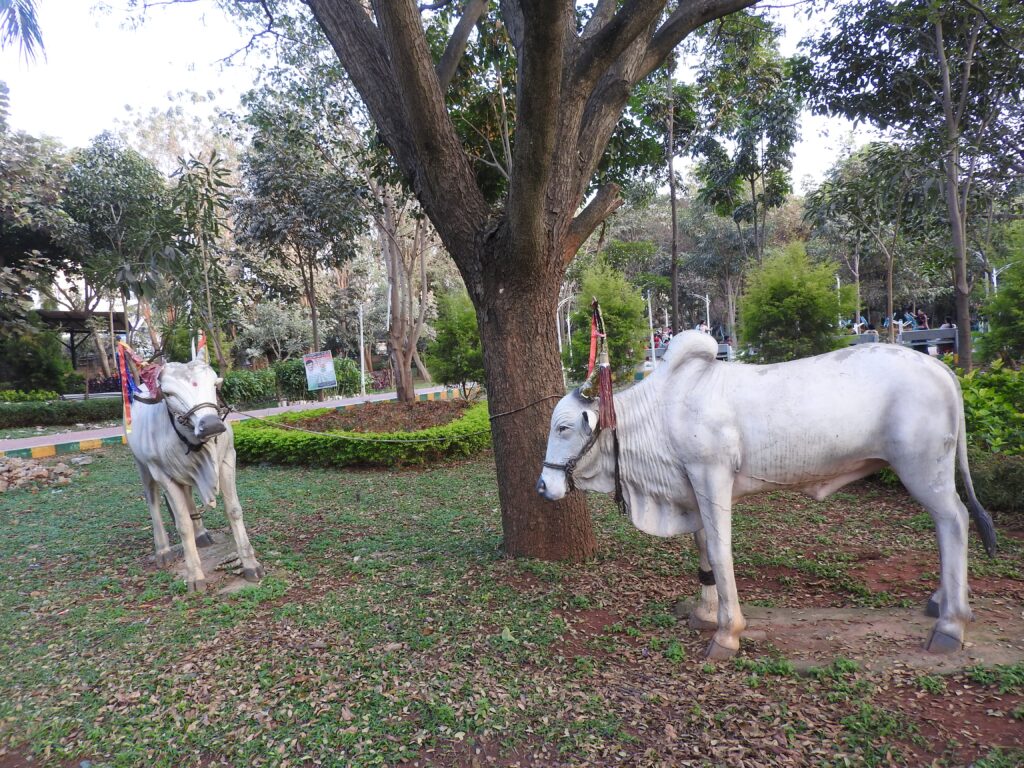
Image Source: Yercaud-elango
About JP Park
Jayaprakash Narayan Biodiversity Park, popularly known as JP Park, is one of North Bengaluru’s most vibrant green spaces. Opened in 2006, the park spread across 85 acres in Mathikere. The park is dedicated to the memory of the noted freedom fighter and political leader Jayaprakash Narayan.
Unlike many other urban parks that primarily serve as recreational spaces, JP Park uniquely blends ecological preservation, education, and community leisure, making it a remarkable urban biodiversity hub.
Design and Layout
The park is carefully designed to showcase a variety of landscapes. It features lawns, rock gardens, water bodies, and floral beds, all arranged in a way that highlights both aesthetic appeal and ecological diversity. With its four lakes inside the park, JP Park serves as a critical catchment area, supporting groundwater recharge and providing a serene environment for visitors. Well-maintained walking and jogging tracks circle these green expanses, offering a healthy escape from the city’s urban rush.
Biodiversity and Flora
True to its name, JP Park places a strong emphasis on biodiversity conservation. It houses over 20,000 varieties of plant species, 60,000 flowering plants and shrubs and 5,000 medicinal herbs. Seasonal flower shows and carefully nurtured gardens add to its charm, while its aromatic and herbal sections help promote awareness about traditional ecological knowledge. The park also supports avifauna, attracting various species of birds that thrive around the water bodies, making it a paradise for birdwatchers.
Community and Recreation
JP Park is not just a botanical haven but also a popular community gathering space. Its well-planned play areas make it family-friendly, while its open-air amphitheater hosts cultural programmes and events, bringing together art, nature, and people. Morning walkers, fitness enthusiasts, and children alike find their niche here, creating a vibrant atmosphere throughout the day.
Educational Value
One of JP Park’s standout features is its educational role. The park is often visited by students and researchers for its diverse plant collection and ecological planning. The structured layout of thematic gardens offers an opportunity for children and adults to learn about biodiversity, conservation, and the importance of green spaces in sustaining urban ecosystems.
How to Reach JP Park, Mathikere
JP Park, officially known as the Jayaprakash Narayan Biodiversity Park, is located in Mathikere, North Bengaluru, near Yeshwanthpur. Spread across nearly 85 acres, it is one of the largest urban parks in the city and is well connected by road, rail, and metro.
By Metro:
The nearest metro station is Yeshwantpur Metro Station, located about 2–3 km from the park. From the station, visitors can take an auto-rickshaw, cab, or local bus to reach the park.
By Train:
The nearest railway station is Yeshwantpur Junction Railway Station, which is only a short distance away from the park. Autos and taxis are readily available outside the station.
By Road:
JP Park is easily accessible from major areas such as Malleshwaram, Hebbal, Rajajinagar, and the city center. Those driving can reach the park via Bellary Road, Tumakuru Road, or Outer Ring Road depending on their starting location. Parking facilities are available near the entrance.
Nearby Attractions
Jaya Prakash Narayana Park
The main attraction itself features landscaped gardens, lakes, walking tracks, musical fountains, children’s play areas, and rich biodiversity, making it a favorite spot for families and fitness enthusiasts.
ISKCON Temple Bangalore
Located around 6 km away, this famous temple attracts thousands of visitors for its spiritual atmosphere, architecture, and cultural programs.
Orion Mall
One of Bengaluru’s premier shopping and entertainment destinations, offering shopping, dining, and a lakeside promenade.
Sankey Tank
A scenic lake ideal for morning walks, boating, photography, and birdwatching.
Indian Music Experience Museum
India’s first interactive music museum, showcasing the country’s diverse musical heritage.
Bangalore Palace
A historic royal palace known for its Tudor-style architecture, elegant interiors, and cultural significance.
Google Maps
FAQs
What are the timings of JP Park?
JP Park is generally open from early morning until evening, with common visiting hours being around 5:00 AM to 9:00 PM, though timings may vary for specific sections and attractions.
Is there an entry fee for JP Park?
No, entry to JP Park is generally free for visitors.
What is JP Park famous for?
JP Park is famous for its lakes, biodiversity gardens, jogging tracks, landscaped lawns, musical fountain, and extensive collection of trees and plant species.
Is JP Park suitable for families and children?
Yes. The park has open green spaces, walking paths, playgrounds, and picnic-friendly areas, making it an excellent destination for families.
How much time is required to explore JP Park?
Most visitors spend between 1 and 3 hours exploring the park, depending on whether they are walking, exercising, photographing nature, or enjoying a family outing.
What is the best time to visit JP Park?
Early mornings and evenings are the best times to visit, especially during the cooler months from October to February when the weather is pleasant.