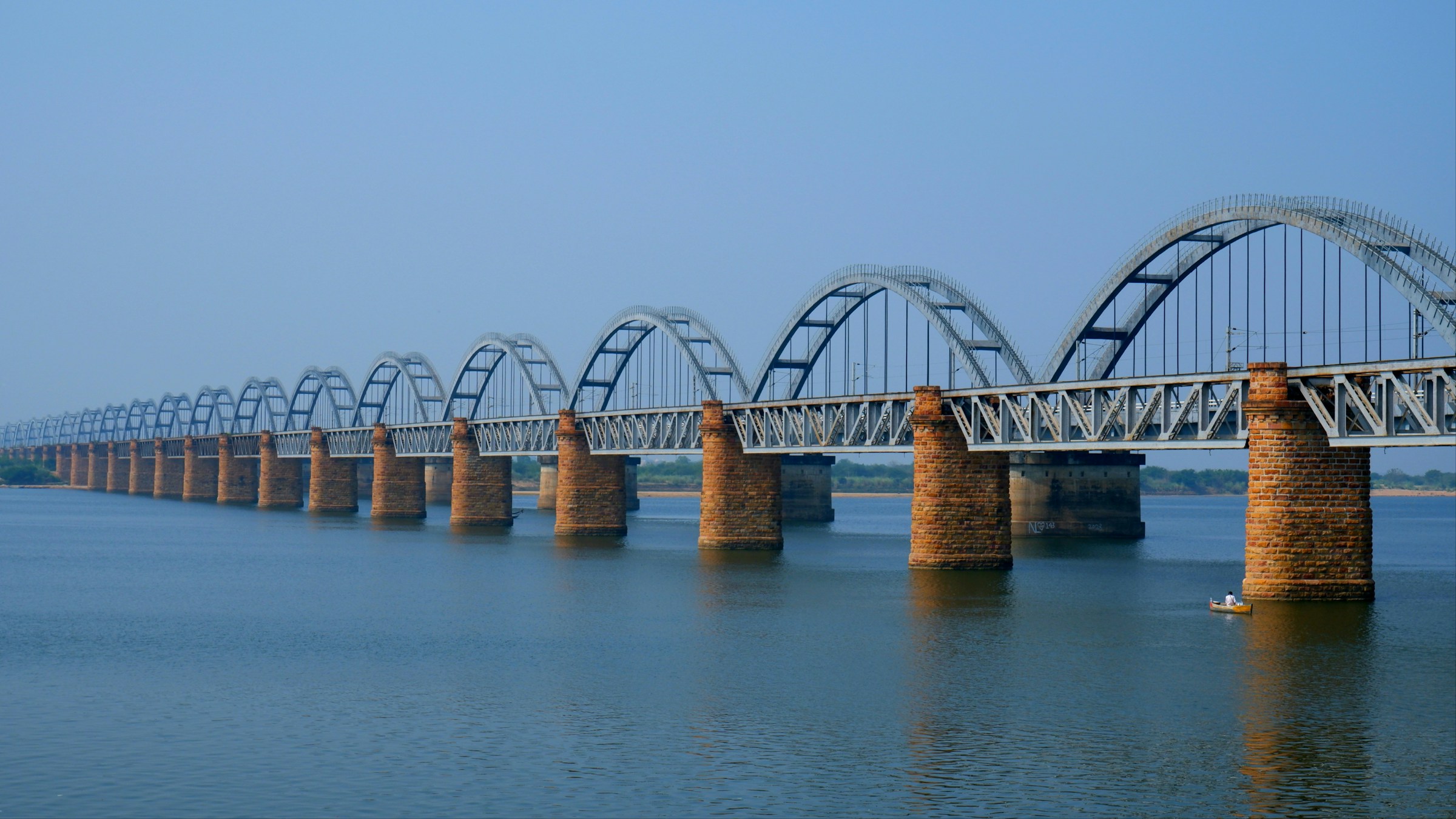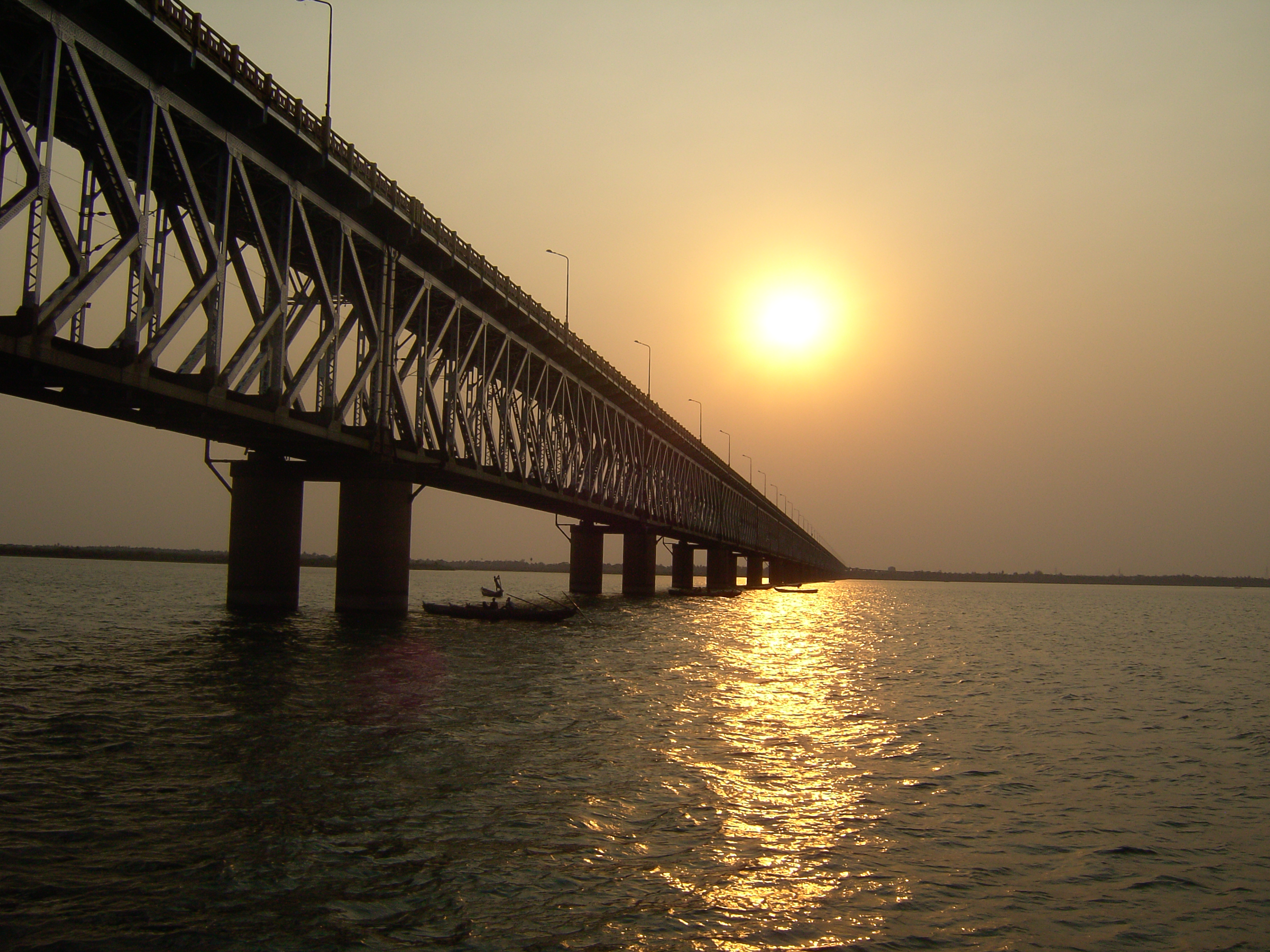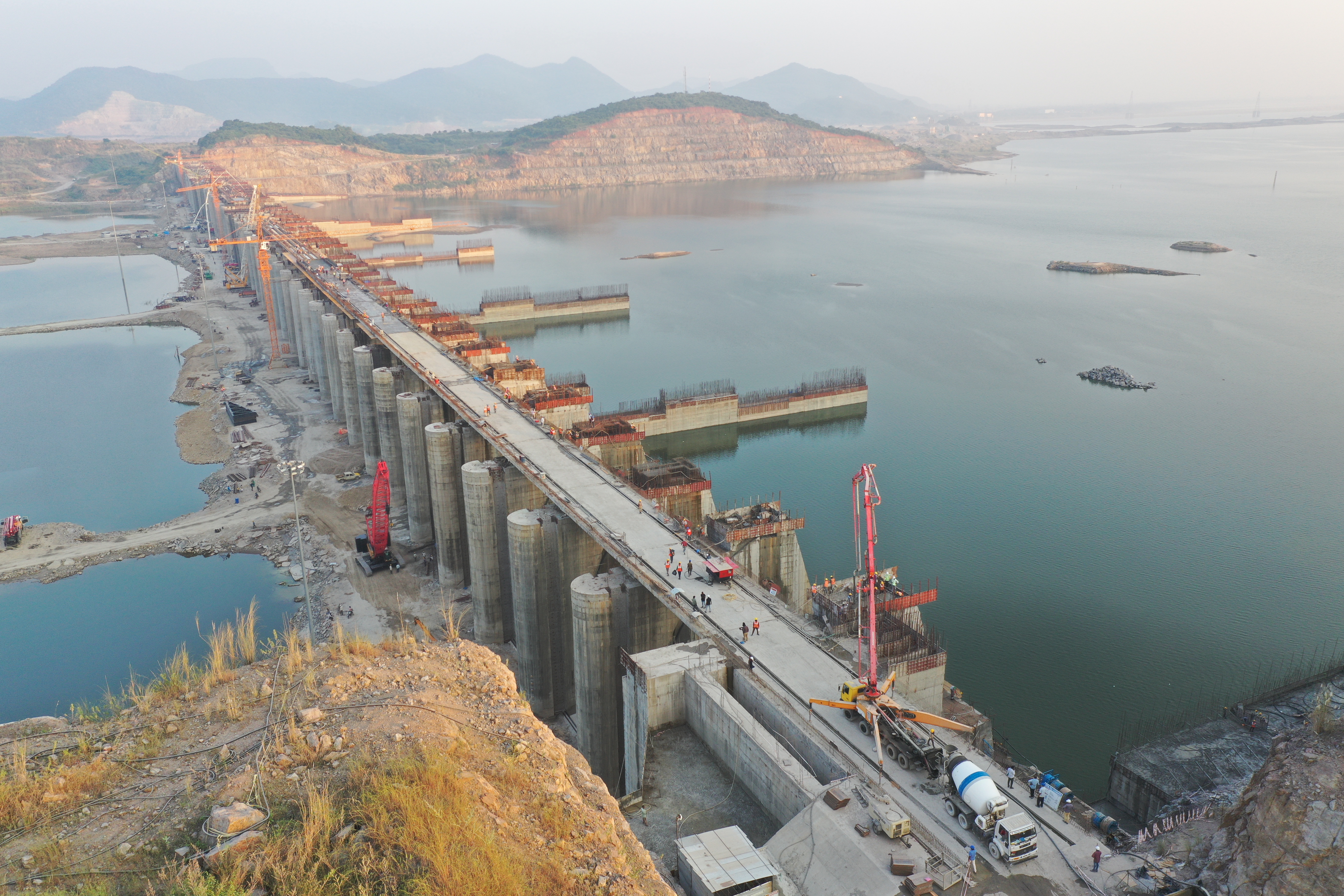
Image Source: Chaniljain
About Dowleswaram Barrage
The Dowleswaram Barrage, built across the mighty Godavari River near Rajamahendravaram (Rajahmundry), is one of India’s most significant and historic irrigation projects. Often referred to as the lifeline of Coastal Andhra, it has played a transformative role in shaping the region’s agriculture and economy.
Even today, the barrage continues to support millions of people by providing water for irrigation, drinking, and flood control.
History & Construction
The story of the barrage goes back to the mid-19th century when the Godavari’s waters would often flow unused into the sea, leaving nearby lands dry and underutilized. Recognizing this, British engineer Arthur Cotton designed an innovative irrigation system.
In 1850, he constructed the original anicut (a type of dam), which marked one of the earliest large-scale irrigation projects in India. This engineering feat transformed the Godavari delta into a fertile agricultural belt almost overnight.
Over time, the structure was modernized, and in the 1970s it evolved into what is now known as the Sir Arthur Cotton Barrage. The upgraded version retained the original vision while improving water management and capacity.
Structure & Engineering
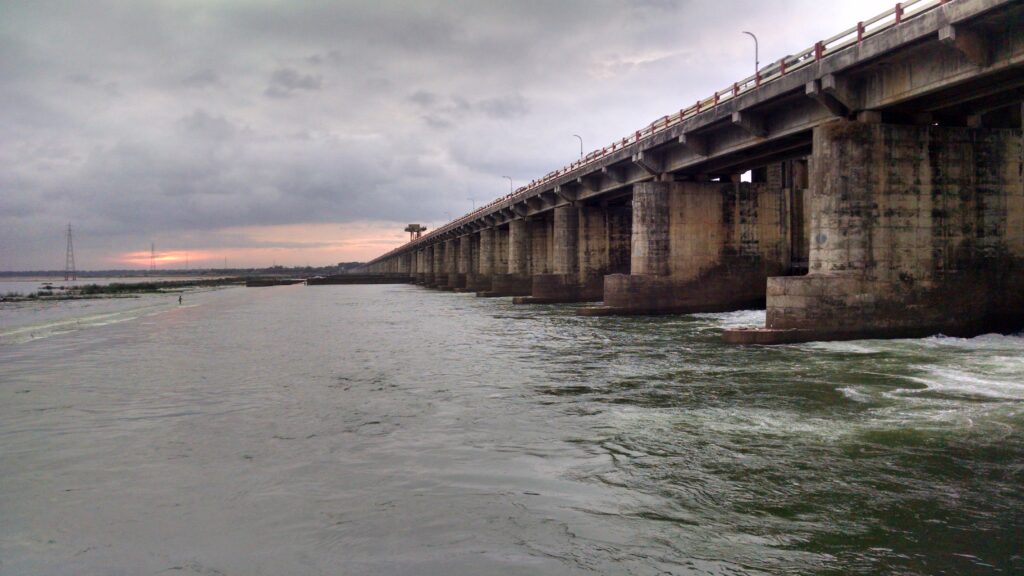
The barrage is an impressive masonry structure stretching roughly 3.5 kilometers (about 2.2 miles) across the river. It is divided into multiple sections to regulate water flow efficiently.
One of its key functions is to divert water into an extensive canal network, forming the backbone of the Godavari delta irrigation system. This system irrigates more than 2 million acres of farmland across East and West Godavari districts.
Interestingly, the barrage also doubles as a road bridge, making it an important link for local transportation.
Importance & Impact
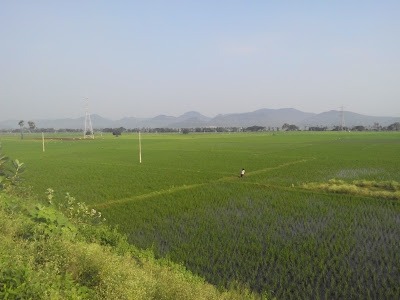
The impact of the Dowleswaram Barrage on the region cannot be overstated. What was once a largely dry landscape is now a lush, green agricultural zone.
The delta today is known for producing crops like rice, sugarcane, bananas, and coconuts in abundance. The barrage also:
- Supplies drinking water to nearby towns and villages
- Supports inland fisheries and local livelihoods
- Helps control floods during the monsoon season
Because of his contribution, Arthur Cotton is still deeply respected in the region, and his legacy continues to be celebrated.
Tourism & Nearby Attractions
Beyond its practical importance, the barrage has also become a popular tourist spot. Watching the wide expanse of the Godavari flowing through its gates—especially during the monsoon—is an impressive sight.
Nearby attractions include:
- Sir Arthur Cotton Museum – Showcasing the engineer’s life, models of irrigation systems, and historical records.
- Papikondalu Hills – Known for scenic river cruises and natural beauty.
- ISKCON Rajahmundry – A peaceful spiritual retreat.
- Godavari Pushkar Ghats – Important for religious rituals and festivals.
Boating experiences along the Godavari further enhance the visit, offering panoramic views of the river and surrounding landscapes.
Best Time to Visit
The best time to visit the barrage is during the monsoon and post-monsoon months (July to February), when the river is full and the surroundings are at their most vibrant. Early mornings and evenings offer the most pleasant weather and scenic views.
How to Reach Dowleswaram Barrage
By Road
The barrage is about 6 km from Rajamahendravaram and is easily accessible by buses, taxis, and private vehicles.
By Rail
The nearest station is Rajahmundry Railway Station, located around 8 km away and well connected to major cities.
By Air
The closest airport is Rajahmundry Airport, about 15 km from the barrage.
Google Maps
FAQs
1. Why is Dowleswaram Barrage important?
It plays a crucial role in irrigation, flood control, and water supply, supporting agriculture and livelihoods in the Godavari delta.
2. Who built the Dowleswaram Barrage?
It was originally constructed by Sir Arthur Cotton in 1850.
3. How long is the barrage?
It stretches approximately 3.5 kilometers across the Godavari River.
4. What crops are grown due to its irrigation system?
Rice, sugarcane, bananas, and coconuts are among the major crops.
5. Is it open to tourists?
Yes, visitors can view the barrage and explore nearby attractions.
6. What is the best time to visit?
Monsoon and winter months (July to February) are ideal for experiencing the river at its fullest.