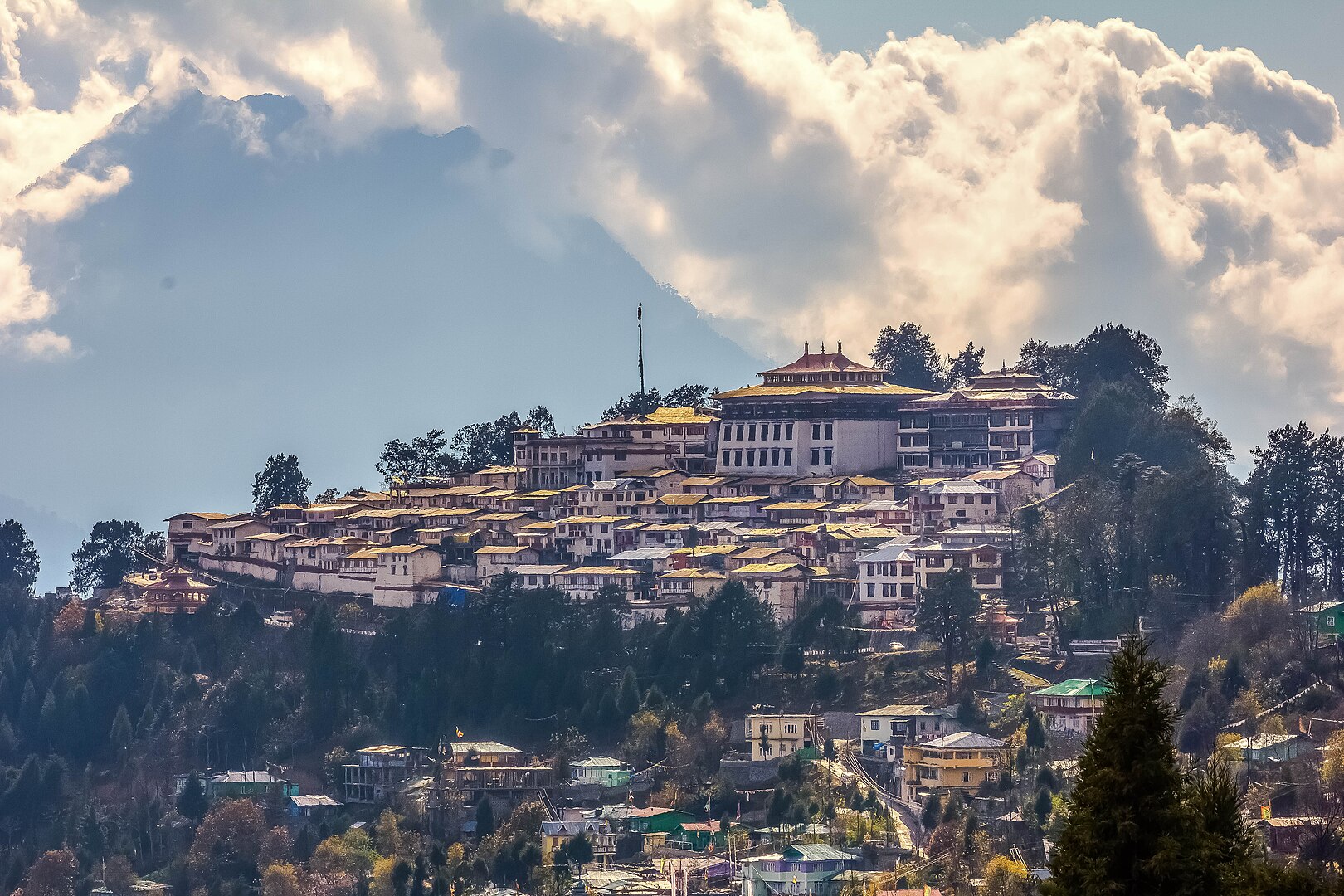
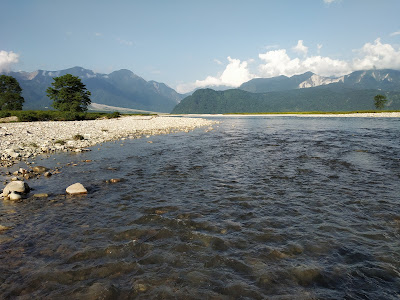
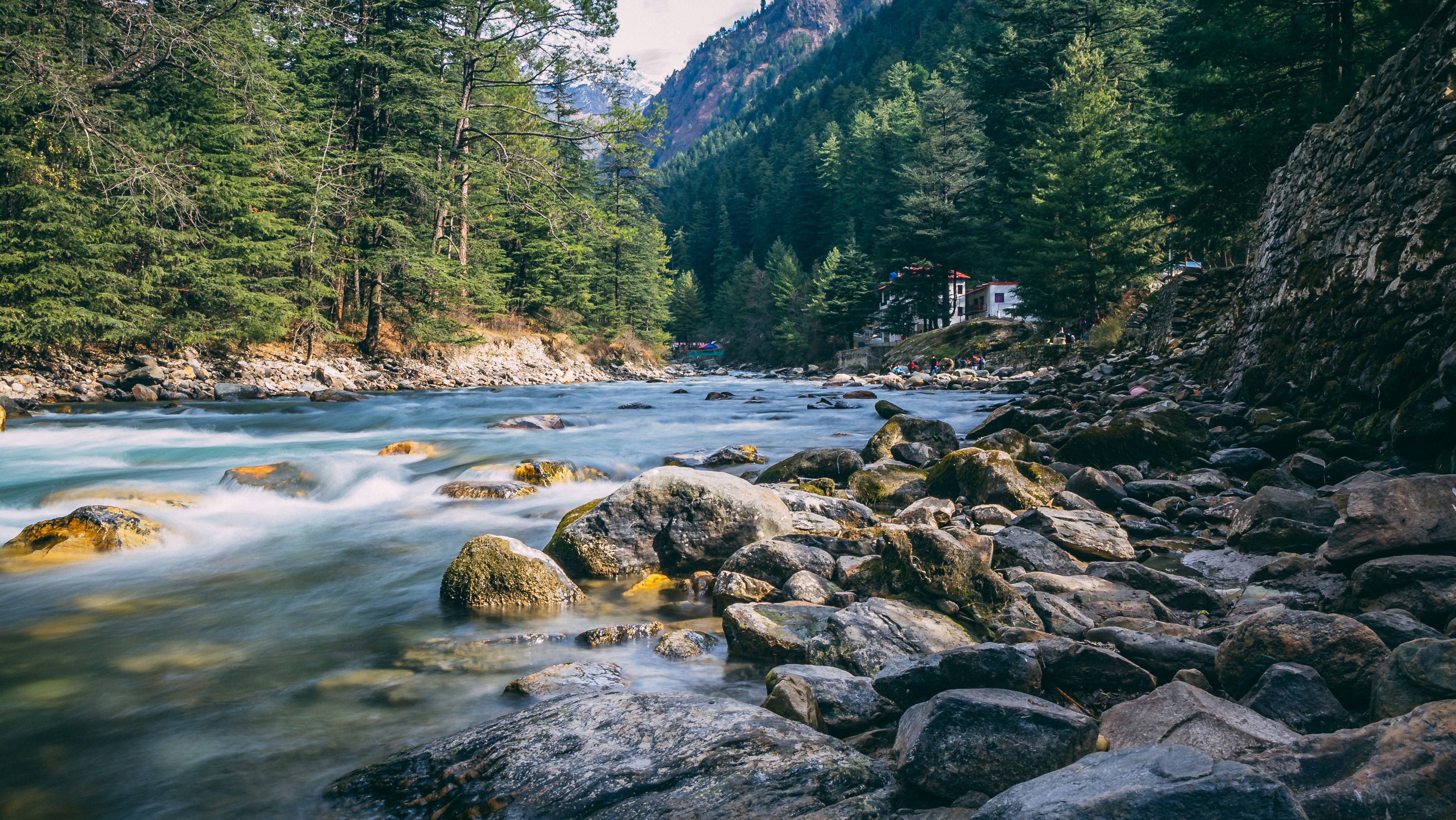
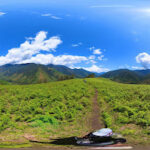
Image Source: Manjulika Pramod (PENDOWN)
About Dambuk
Tucked away in the picturesque Lower Dibang Valley of Arunachal Pradesh, Dambuk is one of those rare places where nature, culture, adventure, and local traditions blend effortlessly. Surrounded by forested hills, winding rivers, and endless orange orchards, this quiet town has become widely known because of the famous Dambuk Orange Festival. Every winter, the festival transforms the valley into a lively celebration of music, adventure sports, local culture, and the region’s celebrated oranges.
What makes Dambuk special is not just the festival itself, but the atmosphere of the entire region. The landscape is incredibly scenic, with mist drifting over the hills, bamboo homes scattered across villages, and rivers flowing through dense greenery. Even outside the festival season, Dambuk offers visitors a peaceful escape into rural Arunachal Pradesh, far away from crowded tourist destinations.
The Famous Orange Festival
The Orange Festival Grounds in Dambuk come alive during December, when the annual festival draws travellers, musicians, bikers, and adventure lovers from across India. The event celebrates the region’s rich orange harvest while also promoting local tribal culture and eco-tourism.
During the festival, the otherwise quiet valley turns into an energetic open-air carnival. Music stages host live performances by national and regional bands, while food stalls fill the air with the aroma of smoked meat, local rice beer, bamboo-cooked dishes, and traditional tribal cuisine. Adventure activities such as ATV rides, dirt biking, ziplining, camping, and river-based sports add to the excitement.
One of the most memorable aspects of the festival is the backdrop itself. Unlike urban music festivals, Dambuk’s celebration takes place amid rivers, forests, and mountains, giving visitors a truly unique experience. At night, bonfires, folk performances, and live music create an unforgettable atmosphere beneath the open sky.
A Different Side of Dambuk Beyond the Festival
Although the Orange Festival is the main attraction, Dambuk remains beautiful throughout the winter months. Once the crowds leave, the valley regains its calm and serene character. Visitors can walk through orange orchards glowing in shades of gold and green, interact with local farmers, and enjoy the peaceful rhythm of village life.
The surrounding countryside is ideal for slow travel. Small villages with traditional bamboo houses dot the landscape, and many locals continue practices such as weaving, farming, and fishing that have been part of their lifestyle for generations. The calm environment, fresh mountain air, and scenic surroundings make Dambuk an excellent destination for travellers looking to experience authentic Arunachali culture.
Culture and Local Life
Dambuk is closely associated with the Adi community, one of the prominent indigenous tribes of Arunachal Pradesh. Their cultural influence is visible throughout the region — from traditional dances and folk songs to handcrafted bamboo items and woven textiles.
The festival provides a platform for local artists and artisans to showcase their heritage. Visitors often get the opportunity to witness tribal dance performances, listen to traditional instruments, and learn about local customs directly from community members.
Hospitality is another defining feature of Dambuk. The warmth and friendliness of the locals often leave a lasting impression on travellers. Homestays and village accommodations allow visitors to experience local food, traditions, and daily life in a much more personal way than standard hotels.
Adventure Activities in Dambuk
Dambuk is not only about culture and festivals; it is also becoming an emerging adventure destination in Northeast India. During the festival season, several outdoor activities are organised for thrill seekers.
Popular adventure experiences include:
- ATV and off-road biking.
- Dirt bike rallies through mountain terrain.
- Camping by the riverside.
- Ziplining and sky cycling.
- Nature walks and trekking.
- River activities in nearby regions.
The rugged landscape of Arunachal Pradesh makes the area ideal for outdoor exploration. Adventure enthusiasts especially enjoy the raw and relatively untouched terrain surrounding Dambuk.
Scenic Beauty and Natural Landscape
The natural beauty around Dambuk is one of its greatest attractions. Located near the Dibang River basin, the area is surrounded by lush forests, fertile plains, and rolling hills. During winter mornings, fog settles over the orchards and valleys, creating breathtaking views.
Orange orchards stretch across the landscape and become especially beautiful during harvest season. The combination of bright oranges against green hills gives the valley a striking appearance that photographers and nature lovers find irresistible.
Birdsong, flowing rivers, and quiet forest trails add to the peaceful atmosphere. Unlike heavily commercialised tourist destinations, Dambuk still retains a raw and untouched charm.
How to Reach Dambuk
By Air
The nearest airport is Dibrugarh Airport in Assam, located roughly 150 km away. From there, travellers usually continue by road through the scenic Bogibeel Bridge route toward Roing and Dambuk.
By Rail
The closest major railway station is Tinsukia Junction, which is well connected to major cities in Assam and other parts of India.
By Road
Dambuk can be reached through beautiful mountain roads from towns such as Roing and Pasighat. Road journeys through this region are incredibly scenic, passing rivers, forests, and small tribal settlements.
By Ferry
Some travellers choose a more adventurous route involving a ferry crossing over the Brahmaputra River before continuing by road toward Arunachal Pradesh. This route offers stunning river views and a memorable travel experience.
Best Time to Visit
The best time to visit Dambuk is between November and January. The weather remains cool and pleasant, and the orange orchards are at their most vibrant during this period.
For those interested in music, adventure sports, and cultural celebrations, visiting during the Orange Festival in December is ideal. However, travellers seeking peace and solitude may prefer the weeks before or after the festival, when the valley is quieter yet equally beautiful.
Things to Keep in Mind Before Visiting
- Winter nights can become quite cold, so carrying warm clothing is essential.
- Mobile connectivity may be limited in certain areas.
- Since Dambuk is still developing as a tourist destination, accommodation options may be basic compared to large cities.
- Respect for local customs and tribal traditions is important while visiting villages and cultural events.
- Roads in Arunachal Pradesh can sometimes be challenging, especially after heavy rain.
Google Maps
FAQs
What is Dambuk famous for?
Dambuk is mainly famous for the Orange Festival, its large orange orchards, scenic landscapes, and adventure tourism activities in Arunachal Pradesh.
Where is Dambuk located?
Dambuk is located in the Lower Dibang Valley district of Arunachal Pradesh in Northeast India.
When is the Orange Festival held?
The Orange Festival is generally organised in December during the peak orange harvest season.
Is Dambuk suitable for family travel?
Yes, Dambuk is suitable for families, especially those interested in nature, local culture, and peaceful travel experiences. Festival time also offers entertainment for all age groups.
What kind of food can visitors try in Dambuk?
Visitors can enjoy traditional tribal cuisine, smoked meat dishes, bamboo-cooked food, rice-based preparations, and fresh local produce, including the region’s famous oranges.
Do tourists need permits to visit Dambuk?
Indian tourists usually require an Inner Line Permit (ILP) to enter Arunachal Pradesh, while foreign nationals may need a Protected Area Permit (PAP).
Is Dambuk crowded throughout the year?
No, Dambuk remains relatively peaceful most of the year. Crowds mainly arrive during the Orange Festival in December.
What are the nearby attractions around Dambuk?
Nearby attractions include Roing, Pasighat, the Dibang Valley region, riverside landscapes, tribal villages, and scenic mountain routes across eastern Arunachal Pradesh.