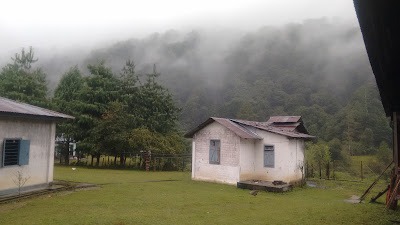
Image Source: K Subhendu
About Talley Valley Trek
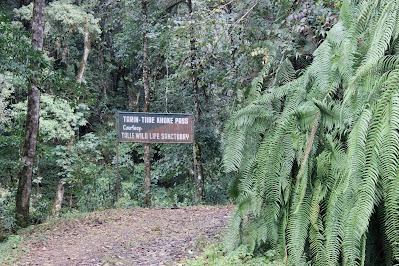
The Talley Valley Trek is one of Northeast India’s most captivating wilderness adventures, offering a rare combination of natural beauty, rich biodiversity, and indigenous cultural heritage. Beginning in the scenic Ziro Valley, home to the Apatani tribe, the trek takes travelers deep into the untouched forests of Talley Valley Wildlife Sanctuary in Arunachal Pradesh.
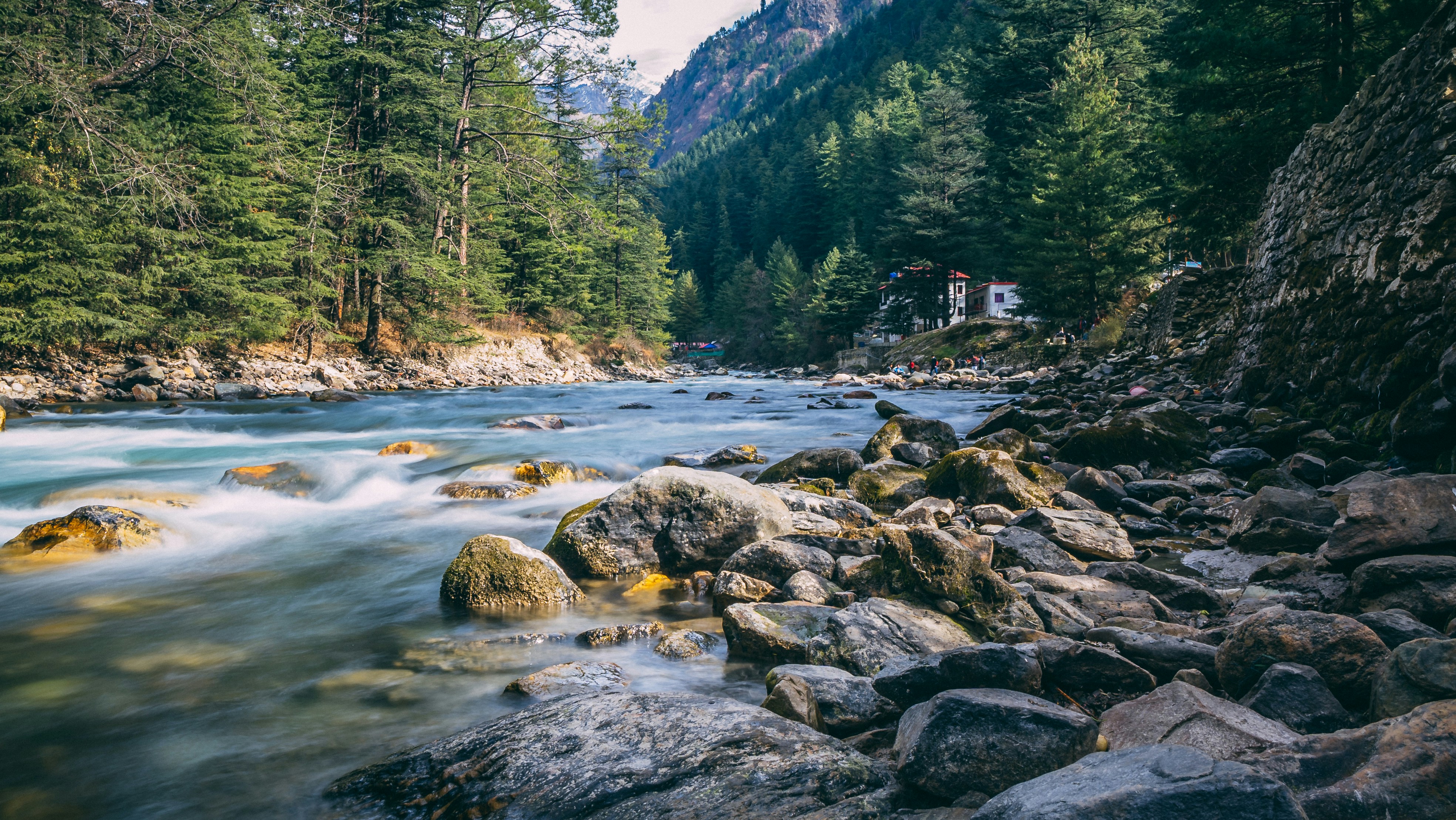
Far from crowded trekking routes, Talley Valley remains relatively unexplored, making it an ideal destination for nature lovers, photographers, birdwatchers, and trekkers seeking solitude. The sanctuary stretches across more than 337 square kilometers and protects a remarkable ecosystem of subtropical and temperate forests. Towering pine trees, dense bamboo groves, and thick vegetation create a landscape that feels almost untouched by time.
The trek is not only about reaching a destination but also about experiencing a gradual transition—from vibrant human settlements and cultivated fields to dense forest wilderness where nature dominates every step.
A Journey Through Nature and Culture
The adventure starts in Ziro Valley, famous for its breathtaking terraced paddy fields and the sustainable agricultural practices of the Apatani people. Often recognized as a UNESCO Tentative World Heritage Site, Ziro showcases a farming system that has thrived for centuries without relying heavily on modern irrigation or machinery.
As trekkers leave the valley behind, the trail slowly changes character. Open farmlands give way to towering pine forests and bamboo thickets where the forest floor is covered in soft moss and fallen leaves. Sunlight filters through the thick canopy, creating shifting patterns of light that make the route feel almost magical.
Talley Valley is often referred to as the “Kingdom of Orchids,” and for good reason. The sanctuary supports an impressive variety of orchids, ferns, and flowering plants that add bursts of color to the wilderness. During certain seasons, these blooms transform sections of the trail into vibrant natural gardens.
The trek offers more than visual beauty. Its remote forests are home to several rare and endangered species. Wildlife enthusiasts may encounter hornbills soaring above the canopy, barking deer moving through the undergrowth, or signs of elusive animals such as bears and the endangered clouded leopard. The sanctuary also shelters species like the capped langur and numerous varieties of butterflies and birds, making it a paradise for biodiversity enthusiasts.
Cultural Encounters with the Apatani Tribe
One of the most memorable aspects of the Talley Valley Trek is the opportunity to experience Apatani culture firsthand. The Apatani tribe, known for their strong connection to nature and sustainable way of life, has preserved traditions that continue to fascinate visitors.
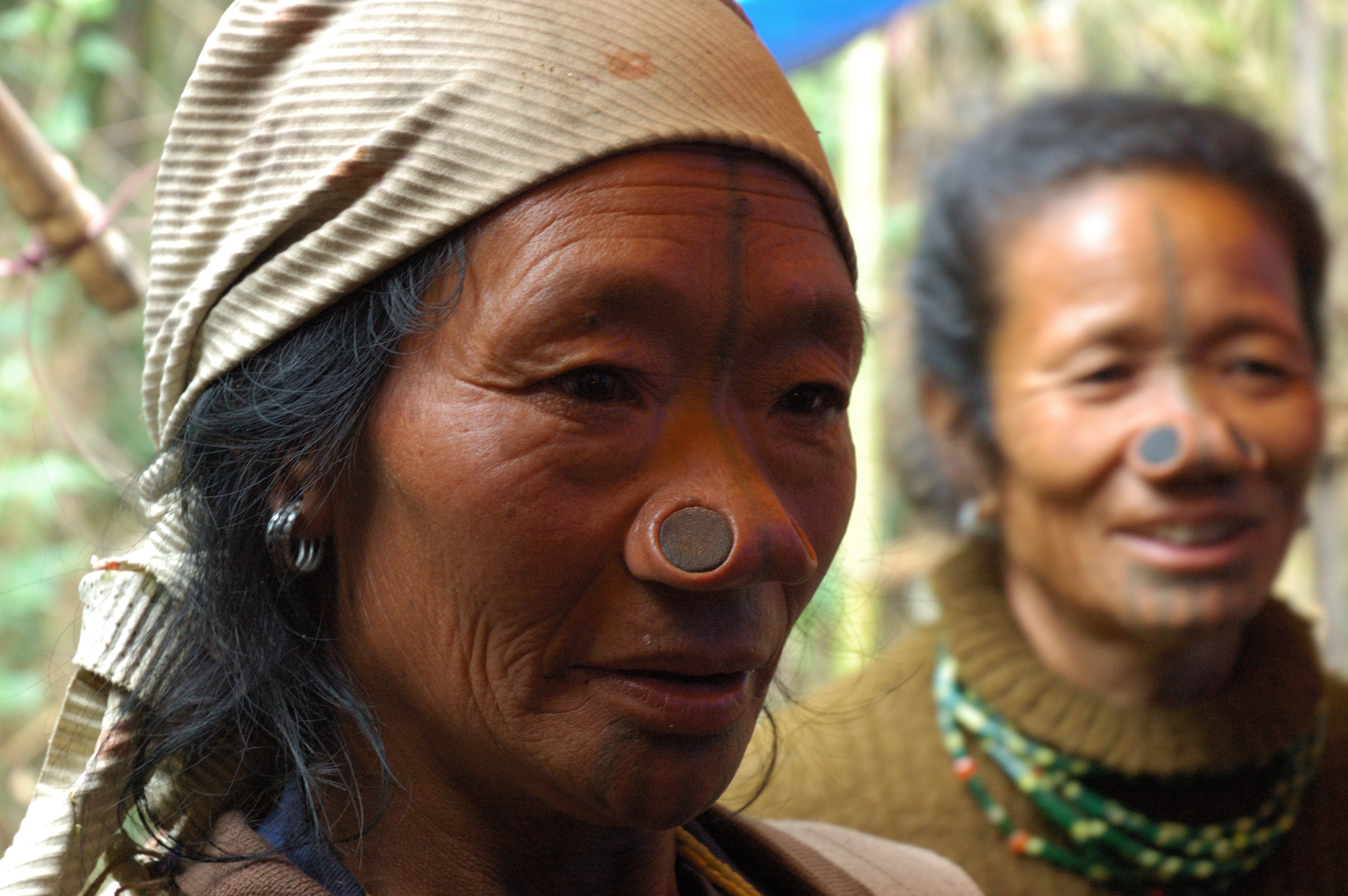
Trekkers passing through Apatani villages can observe traditional wooden houses, unique agricultural systems, and local customs that have been maintained for generations. Elder members of the community may still carry the distinctive facial tattoos and nose plugs once associated with Apatani women—an ancient tradition that is now gradually disappearing.
Visitors may also get the chance to sample local cuisine and traditional millet beer, offering a deeper connection to the region’s cultural identity. These interactions add a meaningful human dimension to the trek, transforming it from a simple outdoor journey into an immersive cultural experience.
Trek Route and Difficulty
The Talley Valley Trek is generally considered a moderate trek, suitable for beginners with reasonable fitness as well as experienced trekkers looking for a peaceful wilderness route.
The journey usually lasts between three and four days, although the duration can vary depending on the selected trail, weather conditions, and camping preferences. Many trekkers camp at Pange, a popular resting point, before venturing deeper into the sanctuary.
Unlike commercial trekking destinations with clearly marked routes, Talley Valley remains largely wild and undeveloped. Trails may be narrow, forested, and difficult to navigate independently. Because of this, hiring a local guide is strongly recommended—not only for safety and navigation but also for gaining valuable knowledge about the region’s ecology and culture.
How to Reach Talley Valley
Reaching Talley Valley requires a combination of road travel and trekking, but the journey itself is rewarding.
Ziro, the gateway to Talley Valley, is well connected by road from nearby towns and cities.
- By Air: The nearest airport is Lilabari Airport in Assam, though many travelers also use airports with better connectivity before continuing by road.
- By Rail: Naharlagun Railway Station serves as the closest railhead and provides access to Arunachal Pradesh.
- By Road: Ziro can be reached from Naharlagun and North Lakhimpur through scenic mountain roads.
From Ziro, trekkers begin the journey toward Talley Valley, usually accompanied by guides and carrying camping supplies.
Best Time to Visit
The ideal season for the Talley Valley Trek is from October to April when the weather remains cool, dry, and pleasant.
During these months, skies are generally clearer and trekking conditions are more comfortable. Winter brings crisp air and dramatic landscapes, while spring introduces fresh greenery and flowering orchids.
The monsoon season, usually between June and September, is less suitable for trekking. Heavy rainfall can make forest trails slippery and difficult to navigate, while leeches and dense vegetation become more common.
Nearby Attractions of Talley Valley Trek
The Talley Valley Trek is one of Arunachal Pradesh’s most rewarding trekking experiences, taking visitors through the pristine forests of Talley Valley Wildlife Sanctuary in Lower Subansiri district. The trek is famous for its dense pine and bamboo forests, alpine meadows, crystal-clear streams, rich biodiversity, and breathtaking Himalayan landscapes. Besides the trekking route itself, several natural, cultural, and adventure destinations can be explored nearby.
1. Ziro Valley
Located near Talley Valley, Ziro Valley is one of Arunachal Pradesh’s most famous tourist destinations. Known for its picturesque rice fields, rolling hills, and the unique culture of the Apatani tribe, Ziro offers a perfect blend of nature and heritage.
2. Talley Valley Wildlife Sanctuary
The sanctuary itself is a major attraction, home to rare species such as clouded leopards, Himalayan black bears, barking deer, and numerous bird species. Nature lovers and wildlife enthusiasts find the sanctuary particularly rewarding.
3. Hong Village
One of the largest traditional Apatani villages in the region, Hong Village offers visitors an opportunity to experience indigenous culture, traditional architecture, and local farming practices.
4. Hari Village
Known for its scenic beauty and cultural significance, Hari Village provides insight into the lifestyle and traditions of the Apatani people.
5. Kile Pakho
A spectacular viewpoint near Ziro, Kile Pakho offers panoramic views of snow-capped Himalayan peaks, lush valleys, and forests. It is one of the best places for photography in the region.
6. Pine Grove
This beautiful pine forest near Ziro is known for its peaceful atmosphere, walking trails, and scenic landscapes. It is a favorite spot for nature lovers and photographers.
7. Meghna Cave Temple
Located near Ziro, this cave temple is an important spiritual site and is known for its natural rock formations and tranquil environment.
8. Tarin Fish Farm
A unique attraction in Ziro Valley, Tarin Fish Farm showcases the Apatani community’s traditional practice of integrating fish farming with paddy cultivation.
9. Dolo Mando
A hilltop viewpoint offering spectacular views of Ziro Valley, Dolo Mando is particularly popular during sunrise and sunset.
10. Hapoli
The commercial center of Ziro Valley, Hapoli offers local markets, restaurants, handicraft shops, and accommodation facilities for travelers.
Why Talley Valley Stands Out
What makes the Talley Valley Trek truly special is its sense of authenticity. Unlike heavily commercialized trekking destinations, Talley Valley offers a quieter and more intimate connection with nature. Here, the experience is shaped not by tourist infrastructure but by dense forests, local traditions, and the rhythm of wilderness itself.
For travelers seeking a trek that combines ecological richness, cultural discovery, and offbeat adventure, Talley Valley remains one of Arunachal Pradesh’s hidden treasures.
Google Maps
FAQs
1. How long does the Talley Valley Trek take?
The trek usually takes 3–4 days, depending on the chosen route, pace, and camping arrangements.
2. Is the Talley Valley Trek suitable for beginners?
Yes, the trek is considered moderate in difficulty. Beginners with decent physical fitness can complete it, especially with the assistance of a local guide.
3. Do I need a guide for the trek?
Yes, hiring a local guide is strongly recommended because the forest trails are dense, remote, and often unmarked.
4. What wildlife can be seen in Talley Valley?
Trekkers may spot hornbills, barking deer, capped langurs, butterflies, and rare forest birds. Though uncommon, the sanctuary is also home to clouded leopards and bears.
5. What should I pack for the trek?
Essential items include trekking shoes, warm clothing, rain protection, camping gear, medicines, water bottles, and insect repellent.
6. Are permits required to visit Talley Valley?
Visitors to Arunachal Pradesh often require permits depending on nationality and travel status. It is advisable to check current permit requirements before planning the trip.
7. What makes Talley Valley different from other treks?
Talley Valley stands out for its untouched forests, rich biodiversity, and close interaction with Apatani culture, offering a more raw and less commercial trekking experience compared to many popular Himalayan routes.