Image Source:Ronnie NK/ Google Maps
Introduction
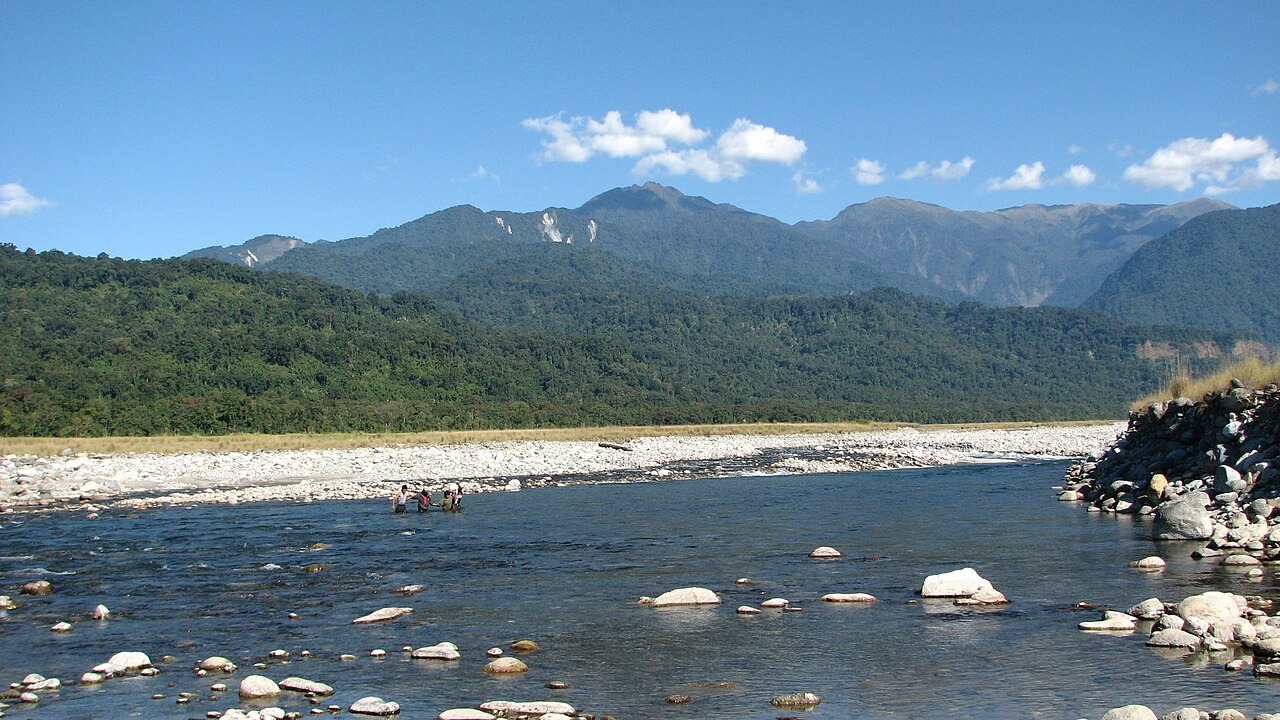
Flowing through dense forests and remote valleys of Arunachal Pradesh, the Noa Dihing River is one of the most scenic and ecologically significant rivers in Northeast India. For travelers, it is not just a river but a constant companion through some of the wildest landscapes of the Eastern Himalayas, especially around Miao and Namdapha National Park.
—
Origin and Course
The Noa Dihing originates in the high hills near the India Myanmar border, in the Patkai mountain range. From there, it flows westward through thick forests, deep valleys, and remote tribal regions before eventually entering Assam, where it joins the Brahmaputra river system.
What makes its course special is the terrain it cuts through largely untouched rainforest, making it one of the least disturbed river systems in India.
—
A River Through Namdapha’s Wilderness
As the river passes through Namdapha National Park, it becomes the backbone of the park’s ecosystem.
* It nourishes dense tropical and subtropical forests.
* Supports diverse wildlife habitats.
* Creates riverbanks, sandbars, and forest clearings.
For travelers exploring Namdapha, the river is almost always nearby, whether at Deban or deeper trekking routes.
—
Landscape and Visual Experience
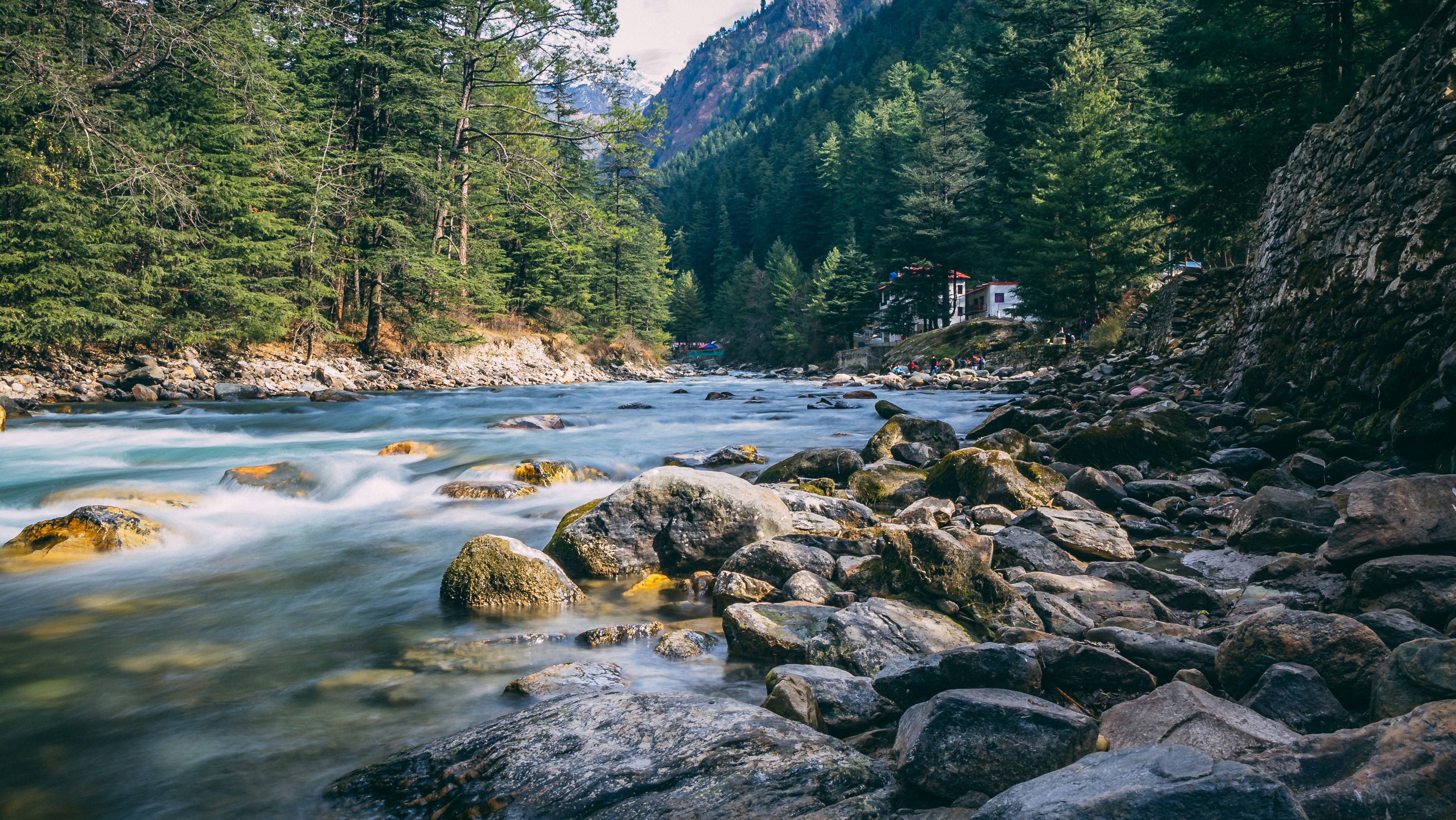
The Noa Dihing is a fast flowing mountain river with:
* Clear, bluish green waters.
* Rocky beds and shifting sandbanks.
* Surrounding forests that reflect beautifully on its surface.
During different seasons, its character changes dramatically from calm stretches in winter to powerful, roaring currents during monsoon.
—
Travel Experience Along the River
One of the best ways to experience the Noa Dihing is along the route from Miao to Namdapha.
* The road often runs parallel to the river.
* Viewpoints open up where you can see it winding through forests.
* At Deban, the river becomes a central feature of the landscape.
Sitting by the riverbank, surrounded by dense forest and complete silence, is one of the most memorable experiences for travelers.
—
Wildlife and Ecology
The river plays a crucial role in sustaining biodiversity:
* Attracts birds, including hornbills and kingfishers.
* Supports aquatic life and smaller mammals.
* Acts as a water source for larger wildlife in Namdapha.
Its relatively untouched nature makes it an important ecological corridor.
—
Adventure and Activities
While the region is not heavily commercialized, the river offers opportunities for:
* Riverside camping at designated areas.
* Nature walks and photography.
* Limited angling (with permissions).
Due to its strong currents and remote setting, activities like rafting are rare and not widely organized.
—
Seasonal Character
* Winter (Nov to Feb): Calm, clear, and ideal for exploration.
* Spring (Mar to Apr): Pleasant weather and rich greenery.
* Monsoon (May to Sep): River swells dramatically, becoming powerful and unpredictable.
Travelers should be cautious during monsoon due to rising water levels.
—
Why Noa Dihing Stands Out
Unlike many rivers that pass through developed regions, the Noa Dihing remains largely wild. It offers:
* A rare glimpse of a pristine river ecosystem.
* Deep connection with untouched rainforest landscapes.
* A sense of isolation and natural purity.
—
Final Reflection
The Noa Dihing River is not just a geographical feature it is the soul of the region. Whether you encounter it along forest roads, beside a quiet camp in Namdapha, or flowing silently through dense jungle, it leaves a lasting impression. For travelers seeking raw nature and solitude, this river represents one of the most authentic experiences in Northeast India.