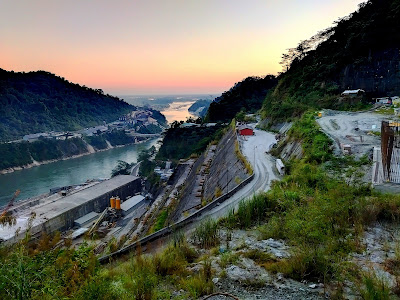
Image Source: ناصر العنزي
About Pankang Teng Tso
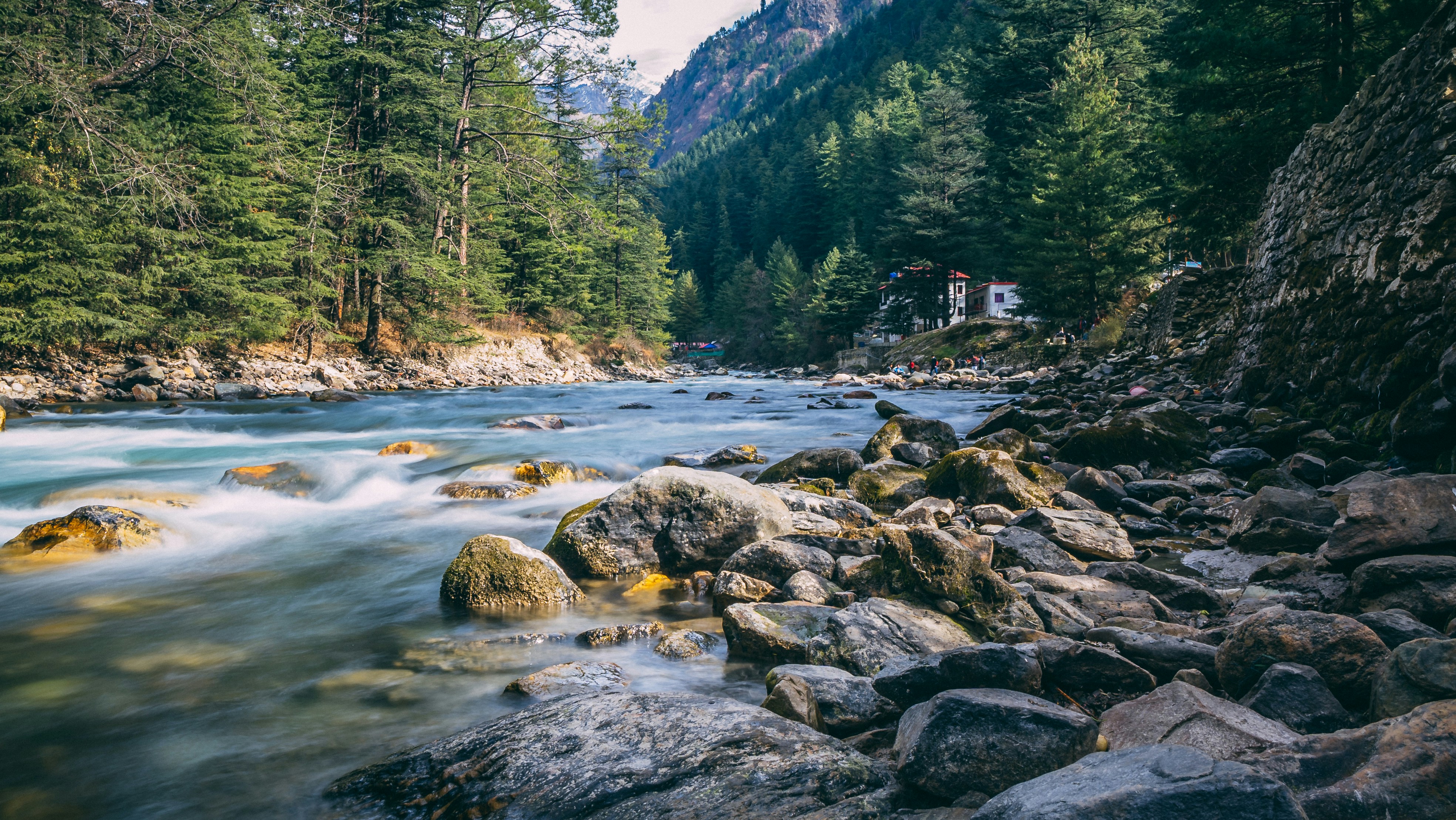
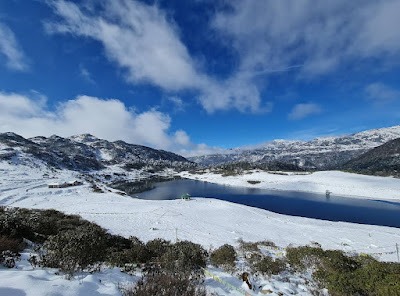
Hidden deep within the rugged landscapes of Arunachal Pradesh’s Upper Subansiri district, Pankang Teng Tso is a breathtaking high-altitude lake that remains largely untouched by mass tourism. Resting at an elevation of nearly 4,300 meters (14,100 feet), the lake is surrounded by snow-covered Himalayan peaks, rolling alpine meadows, rocky slopes, and dense stretches of conifer forests. Its crystal-clear turquoise waters, combined with the silence of the mountains, create an atmosphere that feels both mystical and peaceful.
Often described as one of Arunachal Pradesh’s hidden treasures, Pankang Teng Tso attracts trekkers, photographers, spiritual seekers, and adventure lovers looking to explore a less-commercialized corner of the Eastern Himalayas. Unlike many popular mountain destinations, the lake still retains a raw and untouched charm, making the journey feel truly special for those willing to venture into this remote region.
Natural Beauty of the Lake
The beauty of Pankang Teng Tso changes with the seasons. During spring and early summer, the surrounding valleys burst into color with blooming rhododendrons, wildflowers, and fresh alpine vegetation. In autumn, the skies become exceptionally clear, offering stunning reflections of the mountains on the calm lake surface. The atmosphere around the lake is tranquil, interrupted only by the sound of mountain winds and distant streams flowing through the valleys.
The lake’s turquoise waters appear almost surreal under sunlight, while sunrise and sunset transform the entire landscape into shades of gold, orange, and deep blue. Because of its remote location and minimal human interference, the area around the lake also supports rich biodiversity and pristine mountain ecosystems.
Trekking Experience
Reaching Pankang Teng Tso is an adventure in itself. The trek takes travelers through changing Himalayan landscapes that include thick forests, river crossings, grassy meadows, rocky mountain trails, and high-altitude terrain. The journey is physically demanding but incredibly rewarding for trekking enthusiasts.
Trekkers often encounter spectacular panoramic views of the surrounding Himalayan ranges along the route. The path also provides opportunities to witness rare mountain flora and fauna that thrive in the Eastern Himalayas. Since the area remains relatively unexplored, the trekking experience feels authentic and far removed from crowded tourist trails.
Due to the altitude and rugged terrain, proper acclimatization is extremely important. Travelers are advised to undertake the trek with experienced local guides who are familiar with the weather conditions and mountain routes.
Flora and Fauna
The region surrounding Pankang Teng Tso is ecologically rich and supports a variety of Himalayan plant and animal species. Dense forests at lower elevations gradually give way to alpine grasslands and high-altitude vegetation as the trail ascends toward the lake.
The area is home to several species of Himalayan birds, including the colorful monal pheasant, snow partridge, and various migratory birds. Wildlife enthusiasts may also spot mountain animals native to the Eastern Himalayas, although sightings are often rare because of the remoteness of the terrain.
Medicinal herbs and rare alpine plants are commonly found along the trekking routes, and local tribal communities have traditionally used many of these plants for healing and daily life.
Spiritual and Cultural Importance
For the local Tagin tribe and nearby communities, Pankang Teng Tso is not merely a scenic lake but a sacred natural site deeply connected to their spiritual beliefs. Local folklore speaks of protective spirits and divine forces associated with the lake, and many villagers regard the area with deep respect and reverence.
Traditional rituals and prayers are occasionally performed near the lake to honor nature and seek blessings. This spiritual relationship between people and the landscape reflects the broader cultural traditions of Arunachal Pradesh, where mountains, forests, and lakes are often considered sacred.
The cultural significance of the lake also highlights the region’s long-standing harmony between indigenous communities and nature. Visitors are encouraged to respect local customs and maintain the ecological purity of the area.
Camping and Stargazing
One of the most unforgettable experiences at Pankang Teng Tso is camping under the Himalayan night sky. Since the region is far from urban settlements and artificial lights, the skies remain exceptionally clear. On cloudless nights, countless stars become visible, creating ideal conditions for stargazing and astrophotography.
Camping beside the lake offers a rare opportunity to experience complete silence and solitude amidst the mountains. The chilly mountain air, combined with the reflection of moonlight on the lake, creates an atmosphere that feels magical and timeless.
Photography Opportunities
Pankang Teng Tso is a paradise for landscape photographers and nature lovers. Every corner of the region offers dramatic mountain scenery, reflections on the lake, vibrant alpine flowers, and changing weather patterns that create stunning visual contrasts.
Sunrise and sunset are particularly mesmerizing, as the snow-covered peaks glow in shifting colors while the lake mirrors the surrounding landscape. During autumn, the crisp air and clear skies provide excellent visibility for panoramic photography.
Nearby Attractions Around Pankang Teng Tso
Tawang
The beautiful Himalayan town of Tawang is one of the most popular destinations near Pankang Teng Tso. Surrounded by snow-capped mountains, Tawang is renowned for its rich Buddhist heritage, stunning landscapes, and vibrant Monpa culture.
Tawang Monastery
Located a short distance from the lake, Tawang Monastery is the largest monastery in India and one of the most significant Buddhist centers in the Himalayas. The monastery offers magnificent views of the valley and houses ancient scriptures, murals, and religious artifacts.
Bum La Pass
Situated near the India-China border, Bum La Pass is known for its breathtaking high-altitude scenery and historical importance. Visitors can witness snow-covered landscapes and pristine mountain lakes along the route.
Sangetsar Lake
Popularly known as Madhuri Lake, Sangetsar Lake is one of the most picturesque lakes in Arunachal Pradesh. Formed after an earthquake, the lake is famous for its crystal-clear waters and tree trunks emerging from the water’s surface.
PT Tso Lake
Located close to Pankang Teng Tso, PT Tso Lake is another serene high-altitude lake surrounded by rugged mountains and alpine meadows. The peaceful atmosphere makes it a favorite stop for photographers and nature lovers.
Sela Pass
One of the highest motorable mountain passes in India, Sela Pass offers spectacular views of snow-clad peaks and glacial lakes. The pass remains one of the most scenic attractions on the journey to Tawang.
Sela Lake
Nestled amid the mountains near Sela Pass, Sela Lake enchants visitors with its tranquil waters and dramatic Himalayan backdrop. During winter, the lake and surrounding landscape are often covered in snow.
Nuranang Waterfall
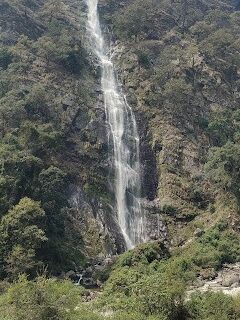
Also known as Jang Falls, Nuranang Waterfall is among the most spectacular waterfalls in Northeast India. Cascading from a considerable height amidst dense forests and mountains, it is a must-visit attraction near Tawang.
Taktsang Gompa
Perched dramatically on a mountainside, Taktsang Gompa is an important Buddhist monastery associated with Guru Padmasambhava. The monastery offers stunning views of the surrounding valleys and provides a peaceful spiritual retreat.
How to Reach Pankang Teng Tso
The nearest major town to the lake is Daporijo in the Upper Subansiri district of Arunachal Pradesh.
By Air
The nearest airports are:
- Lilabari Airport in Assam.
- Tezpur Airport in Assam.
From these airports, travelers must continue by road toward Daporijo.
By Road
Daporijo serves as the primary access point for the journey. From there, travelers move toward nearby villages and trekking base camps before beginning the multi-day trek to the lake.
Road conditions in this region can be challenging, especially during the monsoon season, so careful planning is necessary.
Trekking Route
The final stretch to Pankang Teng Tso can only be completed on foot. Depending on the route and weather conditions, the trek may take several days through mountainous terrain and remote valleys.
Hiring local guides and porters is highly recommended for safety, navigation, and cultural understanding.
Best Time to Visit
The best time to visit Pankang Teng Tso is between April and June, and again from September to October.
During these months:
- Weather conditions remain relatively stable.
- Skies are clearer.
- Trekking routes are more accessible.
- Temperatures are suitable for camping and outdoor exploration.
The winter season, from November to March, brings heavy snowfall and freezing temperatures, often making the lake inaccessible.
Travel Tips for Visitors
- Acclimatize properly before attempting the trek to avoid altitude sickness.
- Carry warm layered clothing, as temperatures can drop sharply even during summer nights.
- Keep essential medicines, trekking gear, and waterproof equipment.
- Respect local customs and avoid polluting the fragile Himalayan ecosystem.
- Mobile connectivity and electricity may be extremely limited in remote areas.
- Travel with experienced guides familiar with the terrain and weather conditions.
Google Maps
FAQs
Where is Pankang Teng Tso located?
Pankang Teng Tso is located in the Upper Subansiri district of Arunachal Pradesh in northeastern India.
What is the altitude of Pankang Teng Tso?
The lake is situated at an elevation of around 4,300 meters (14,100 feet) above sea level.
Why is Pankang Teng Tso famous?
The lake is known for its pristine natural beauty, turquoise waters, spiritual significance, remote trekking routes, and breathtaking Himalayan scenery.
Is trekking required to reach the lake?
Yes, reaching the lake requires a multi-day trek through mountainous terrain and remote Himalayan landscapes.
Which tribe considers the lake sacred?
The local Tagin tribe regards Pankang Teng Tso as a sacred natural site associated with spiritual beliefs and local folklore.
What is the best season to visit?
April to June and September to October are considered the best months for visiting the lake.
Can beginners visit Pankang Teng Tso?
The trek can be physically demanding due to the altitude and rugged terrain. Beginners should prepare adequately and travel with experienced guides.
Is camping allowed near the lake?
Yes, camping is possible near the lake and is one of the most popular experiences for trekkers and adventure travelers.
Are permits required to visit Arunachal Pradesh?
Yes, Indian tourists generally require an Inner Line Permit (ILP), while foreign nationals need a Protected Area Permit (PAP) to visit Arunachal Pradesh.
Is the lake suitable for family travel?
Because of the remote location, high altitude, and challenging trek, the destination is more suitable for experienced travelers, trekkers, and adventure enthusiasts rather than casual family tourism.