Image Source: Prajnadipti Das
About Sela Pass
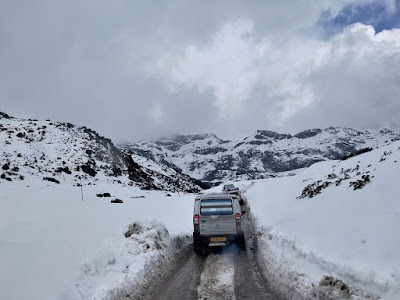
Perched at an impressive altitude of around 4,170 meters (13,680 feet), Sela Pass is one of the most remarkable high-altitude mountain passes in Arunachal Pradesh. Connecting the towns of Tawang and Bomdila, this scenic gateway plays a vital role in linking the remote Himalayan region with the rest of the state. Surrounded by dramatic mountain landscapes and blanketed in snow for much of the year, Sela Pass is far more than just a transit route—it is a destination that captures the spirit, beauty, and history of the Eastern Himalayas.
The journey to Sela Pass is often described as unforgettable. As travellers wind their way through steep mountain roads, they are greeted by sweeping views of rugged peaks, mist-covered valleys, and frozen lakes. The pass sits amidst a pristine alpine environment where the silence of the mountains and the fluttering of colourful prayer flags create a serene and almost mystical atmosphere. For many visitors travelling to Tawang, Sela Pass becomes one of the most memorable highlights of the trip.
Natural Beauty and Scenic Landscape
Sela Pass is celebrated for its breathtaking natural surroundings. The landscape changes dramatically with the seasons, offering visitors a different experience throughout the year. Snow-covered slopes dominate the winter months, while spring and summer reveal alpine meadows and crystal-clear mountain vistas.
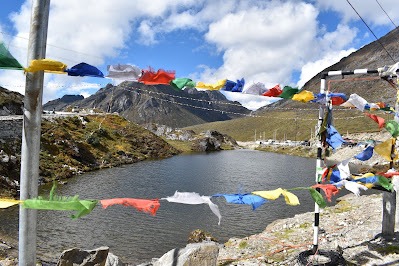
One of the most striking attractions near the pass is the famous Sela Lake, often called Paradise Lake. Nestled beside the mountain road, this glacial lake remains partially frozen during colder months and reflects the surrounding peaks in warmer weather. The lake, combined with the dramatic Himalayan backdrop, creates an ideal setting for photography and sightseeing.
The drive itself is equally rewarding. Sharp bends and high ridges open up panoramic views of the Eastern Himalayas, making the route a favourite among road-trip enthusiasts and photographers seeking untouched mountain scenery.
Unique Experiences and Activities
Scenic Drive and Photography
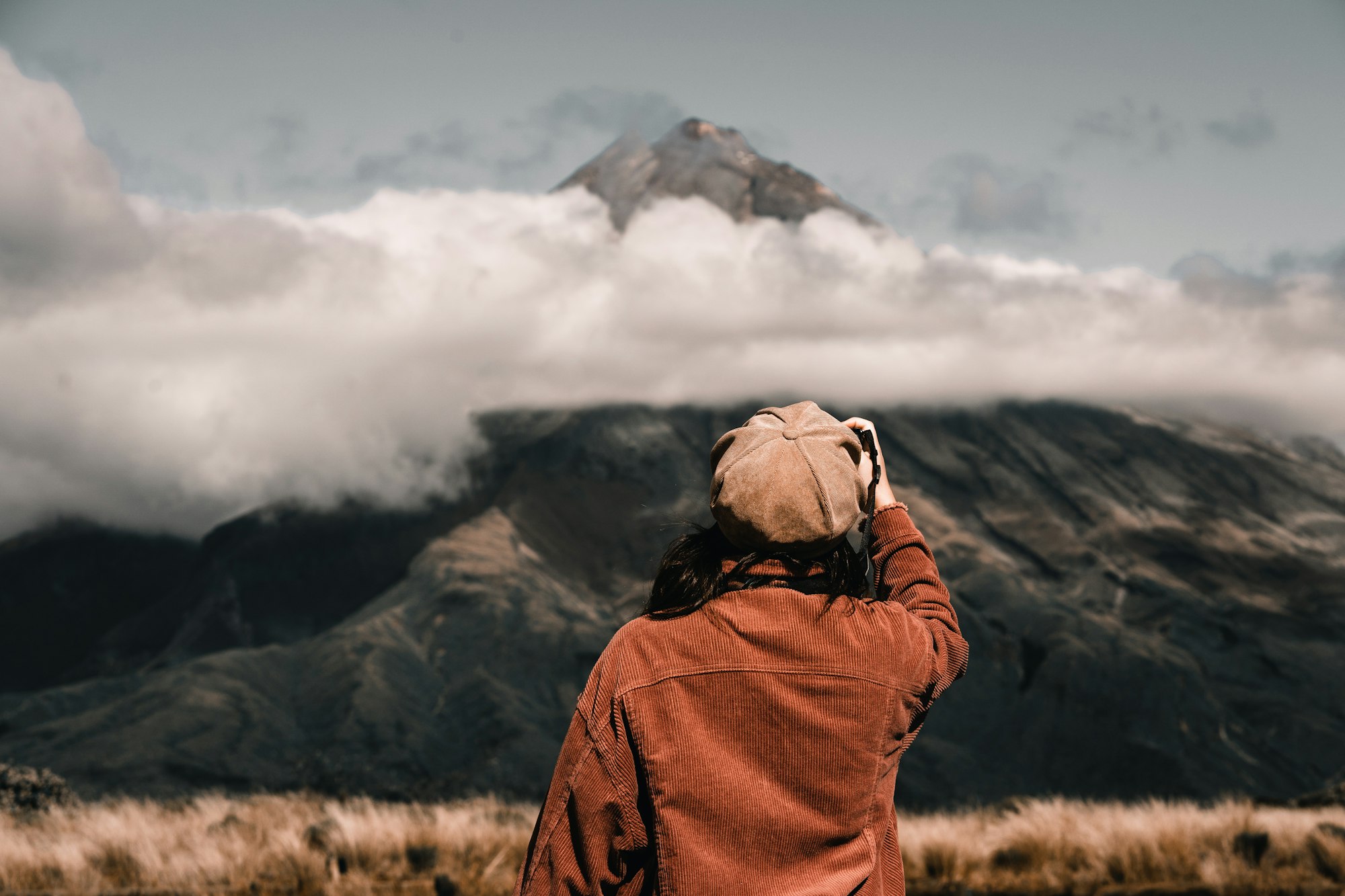
The road to Sela Pass offers some of the most spectacular mountain scenery in Northeast India. Travellers can stop at several viewpoints to capture snow-clad peaks, rolling valleys, and the tranquil beauty of Sela Lake. The changing weather and shifting clouds often create dramatic photographic opportunities.
Visit the Sela Pass War Memorial
The region carries deep military importance, and the Sela Pass War Memorial stands as a moving tribute to the soldiers who defended the area during the 1962 Sino-Indian War. Visiting the memorial offers travellers a chance to reflect on the courage and sacrifice of the armed forces while learning about the strategic significance of this Himalayan frontier.
Trekking and Nature Walks
Adventure seekers can explore trekking routes that begin around the pass and lead toward remote villages, hidden lakes, and ancient monasteries. These trails provide a closer look at the region’s rugged terrain and allow visitors to experience the quiet beauty of the high-altitude ecosystem.
Wildlife and Birdwatching
The mountains surrounding Sela Pass are home to rare Himalayan wildlife. Although sightings are not guaranteed, the region supports species such as the snow leopard, Himalayan tahr, blue sheep, and several varieties of high-altitude birds. Nature lovers and wildlife enthusiasts often appreciate the untouched wilderness that surrounds the pass.
Spiritual and Cultural Exploration
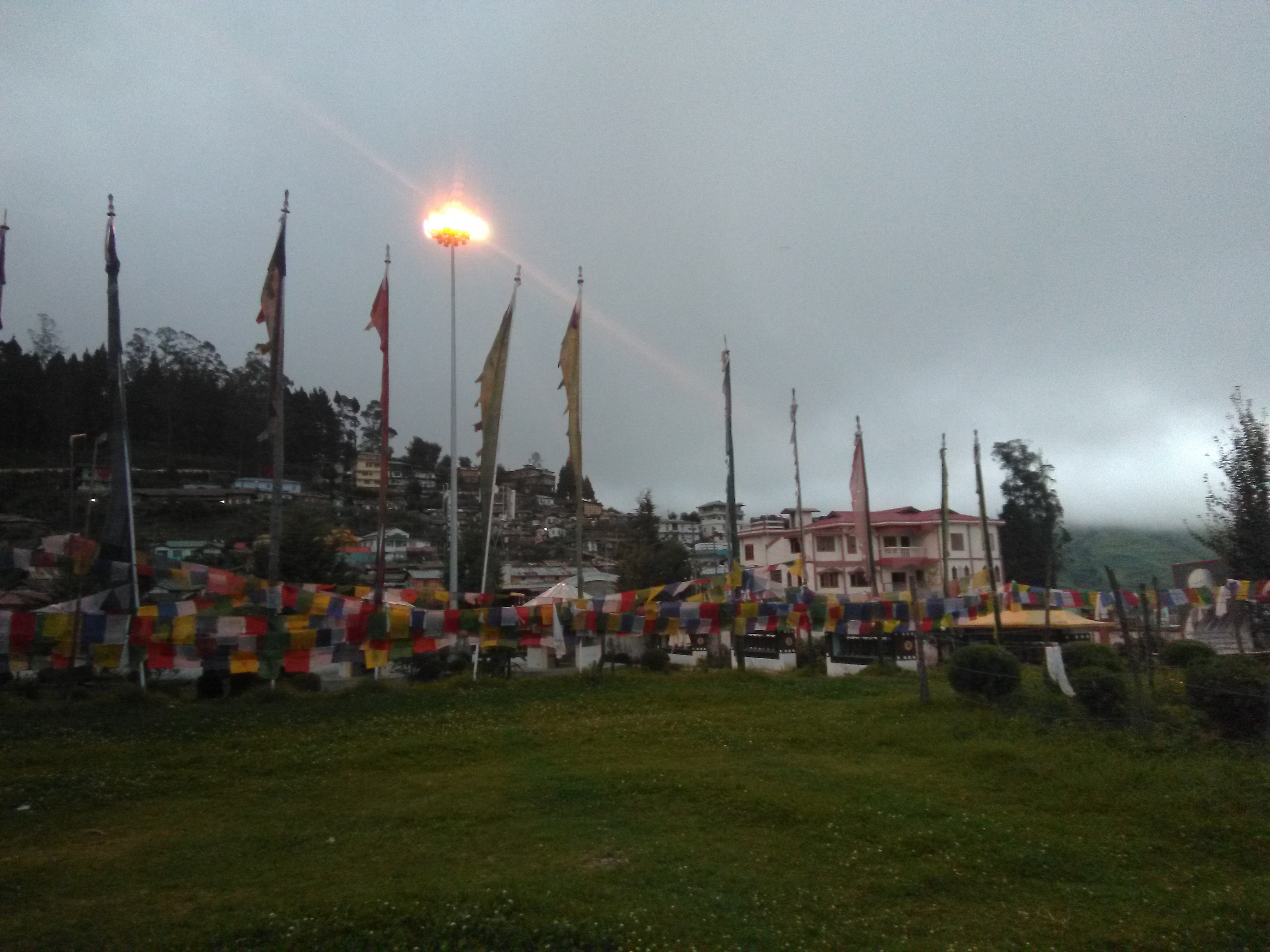
The landscape around Sela Pass reflects the strong Buddhist traditions of the local Monpa community. Prayer flags, chortens, and small shrines dot the mountainsides, creating a deeply spiritual environment. Visitors can also explore nearby monasteries that offer insight into the religious and cultural life of Arunachal Pradesh.
Cultural and Historical Importance
Sela Pass holds a special place in both history and local folklore. During the 1962 Sino-Indian conflict, the region witnessed intense military action as Indian soldiers defended the mountain frontier under extremely challenging conditions. The pass continues to symbolise bravery, resilience, and national pride.
According to local legend, the pass is named after a young Monpa woman named Sela, remembered for her courage and sacrifice during the conflict. Her story has become woven into regional folklore, giving the pass emotional and cultural significance beyond its natural beauty.
The influence of Buddhist heritage is equally visible across the area. The Monpa people, who have inhabited this region for generations, maintain strong religious traditions that shape local life and identity. The presence of monasteries, sacred symbols, and prayer flags adds a peaceful and contemplative character to the otherwise rugged landscape.
How to Reach Sela Pass
Sela Pass lies approximately 54 kilometres from Tawang and can be reached by road.
By Road:
The pass is accessible via National Highway 13, part of the Trans-Arunachal Highway, which connects Bomdila and Tawang. The route is generally well-maintained, but mountain driving conditions can change quickly due to fog, snowfall, and landslides.
Nearest Town:
Tawang serves as the nearest major town and is the primary base for travellers visiting the pass.
Travel Advice:
Because of the high altitude, acclimatisation is extremely important. Visitors may experience symptoms related to altitude sickness, including headache, fatigue, or breathlessness. Staying hydrated, avoiding sudden exertion, and allowing time to adjust to the elevation can make the journey safer and more comfortable. Travellers should also check weather and road conditions before departure, particularly during winter.
Nearby Attractions of Sela Pass
Sela Pass is one of the most spectacular high-altitude mountain passes in India, situated at an elevation of approximately 4,170 meters (13,700 feet) in the Tawang district of Arunachal Pradesh. Connecting Tawang with the rest of Arunachal Pradesh, the pass is renowned for its snow-covered landscapes, pristine lakes, dramatic mountain scenery, and spiritual significance. Due to its breathtaking beauty and strategic importance, Sela Pass is among the most visited attractions in Northeast India.
1. Sela Lake (Paradise Lake)
Located right next to the pass, Sela Lake is a stunning high-altitude glacial lake surrounded by snow-clad mountains. During winter, the lake often freezes, creating a mesmerizing landscape.
2. Nuranang Falls (Jang Falls)
One of Arunachal Pradesh’s most famous waterfalls, Nuranang Falls plunges nearly 100 meters through a scenic mountain setting and is located on the route between Tawang and Sela Pass.
3. Tawang Monastery
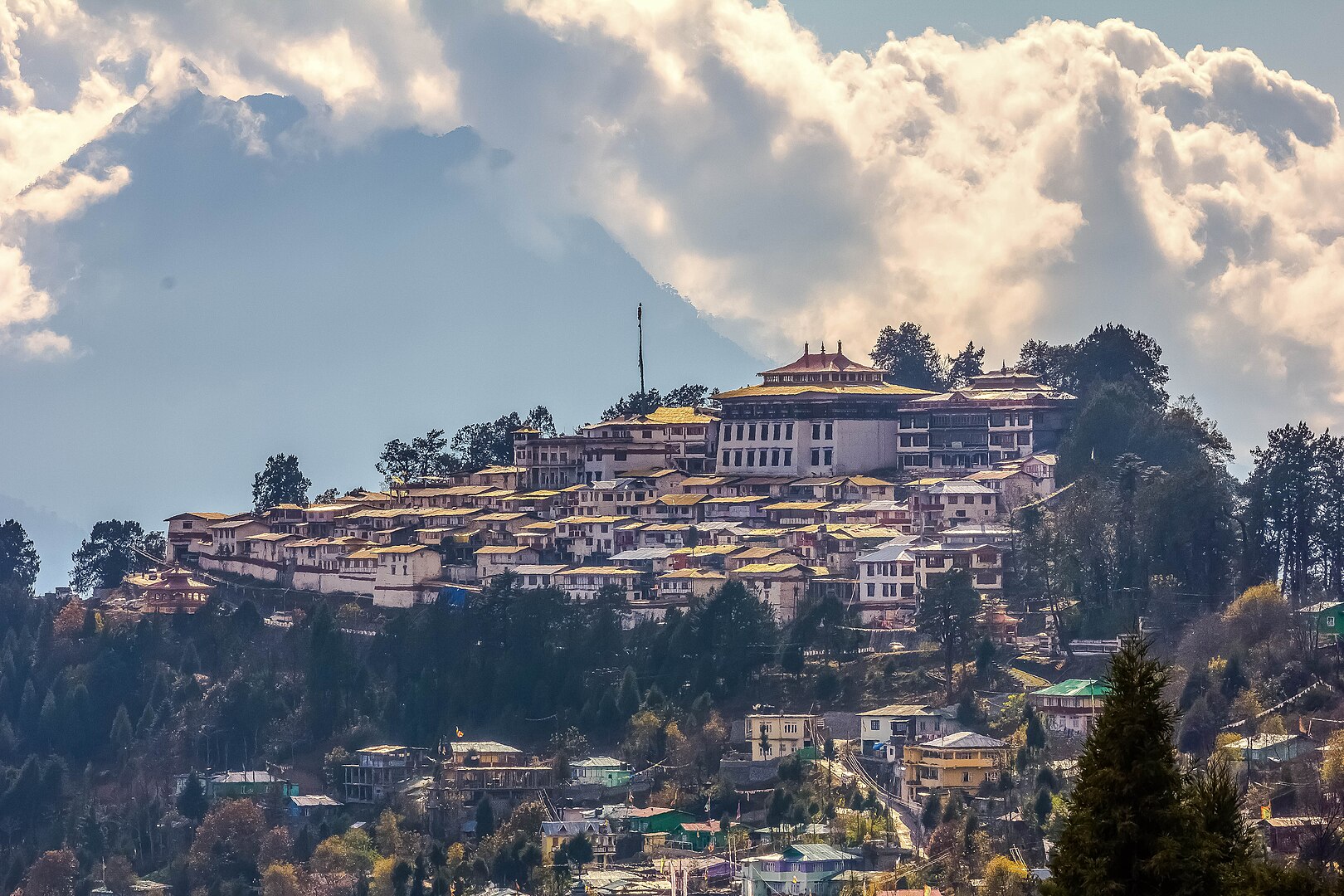
The largest monastery in India and the second-largest in the world, Tawang Monastery is a major spiritual and cultural center of Tibetan Buddhism.
4. Tawang War Memorial
Dedicated to Indian soldiers who fought during the 1962 Indo-China War, the memorial offers historical insights and panoramic views of the Tawang Valley.
5. Bumla Pass
Located near the Indo-China border, Bumla Pass is famous for its strategic significance, snow-covered landscapes, and spectacular Himalayan scenery.
6. Sangetsar Lake (Madhuri Lake)
A picturesque high-altitude lake known for its partially submerged tree trunks and stunning mountain surroundings.
7. Chumi Gyatse Falls
Also known as the Holy Waterfalls, this sacred waterfall near Bumla Pass consists of numerous streams cascading down a rocky mountainside.
8. P.T. Tso Lake
A beautiful glacial lake situated on the route to Bumla Pass, offering breathtaking views and excellent photography opportunities.
9. Jang Village
A charming Himalayan village surrounded by forests and mountains, known for its peaceful atmosphere and proximity to Nuranang Falls.
10. Gorichen Peak Viewpoints
Several viewpoints around Sela Pass and Tawang offer magnificent views of Gorichen Peak, the highest mountain in Arunachal Pradesh.
Best Time to Visit
The ideal time to visit Sela Pass depends on the kind of experience travellers seek.
April to June:
Spring and early summer offer pleasant weather, clearer skies, and safer road conditions. Snow may still be visible, while the surrounding mountains begin to reveal patches of greenery and alpine landscapes.
September to November:
Post-monsoon months are considered among the best times to visit. The skies are generally clear, visibility is excellent, and the mountain scenery appears particularly vibrant.
December to February:
Winter transforms Sela Pass into a spectacular snow-covered wonderland. Heavy snowfall and freezing temperatures create magical landscapes, although roads may become difficult or temporarily inaccessible. Travellers visiting during this season should prepare carefully for extreme cold and possible travel delays.
Travel Tips for Visitors
Before travelling to Sela Pass, it is helpful to keep a few practical tips in mind:
- Carry warm clothing throughout the year, as temperatures can drop suddenly.
- Keep snacks and drinking water handy, especially during long drives.
- Ensure vehicles are in good condition, particularly for winter travel.
- Carry necessary permits required for travel in Arunachal Pradesh.
- Start road journeys early in the day to avoid difficult weather and reduced visibility after sunset.
Google Maps
FAQs
1. Why is Sela Pass famous?
Sela Pass is famous for its breathtaking Himalayan scenery, high-altitude location, historical importance during the 1962 Sino-Indian War, and its connection to Buddhist culture and Monpa traditions.
2. Is Sela Pass open throughout the year?
The pass generally remains open year-round, but heavy snowfall during winter can lead to temporary road closures or travel restrictions.
3. How far is Sela Pass from Tawang?
Sela Pass is located around 54 kilometres from Tawang and can usually be reached within a few hours by road, depending on weather and road conditions.
4. Can visitors experience snow at Sela Pass?
Yes. Snow is common at Sela Pass, especially between December and February, though traces of snow may also remain during spring.
5. Is altitude sickness common at Sela Pass?
Due to its elevation of over 4,000 meters, some travellers may experience altitude-related discomfort. Proper acclimatisation and staying hydrated are strongly recommended.
6. Are permits required to visit Sela Pass?
Yes. Travellers visiting Arunachal Pradesh generally require an Inner Line Permit (ILP) for Indian citizens or appropriate permits for foreign nationals.
7. Is Sela Pass suitable for family travel?
Yes, Sela Pass can be enjoyed by families, provided travellers are prepared for the altitude, cold weather, and mountain road conditions.
8. What should I carry while visiting Sela Pass?
Warm clothing, medicines, identification documents, travel permits, snacks, water, and a camera are among the essentials for a comfortable visit.