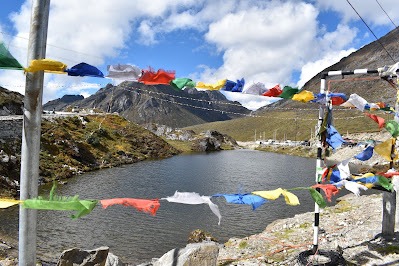
Image Source: anirban
About Sela Lake
Hidden amidst the towering mountains of Arunachal Pradesh, Sela Lake is one of the most breathtaking high-altitude lakes in the Eastern Himalayas. Situated at an elevation of around 4,170 metres (13,680 feet), the lake lies close to the famous Sela Pass and is surrounded by dramatic snow-covered peaks, rocky landscapes, and vast stretches of alpine terrain. The lake’s striking turquoise-blue waters create a mesmerizing contrast against the rugged Himalayan backdrop, making it a memorable stop for travelers heading toward Tawang.
The atmosphere around Sela Lake feels calm and untouched. On clear days, the still waters reflect the surrounding mountains and the deep blue Himalayan sky, creating postcard-like scenery. During winter, the lake often freezes partially, transforming the entire region into a snowy wonderland. Prayer flags fluttering in the cold mountain breeze add a spiritual charm to the landscape, making the destination feel both peaceful and sacred.
Natural Beauty of the Eastern Himalayas
Sela Lake is admired not only for its altitude but also for its raw natural beauty. The region around the lake remains largely unspoiled, offering visitors a glimpse into the pristine environment of the Eastern Himalayas. Snowfall is common for much of the year, and even during summer the weather stays pleasantly cold. Thick clouds drifting through the mountains, icy winds, and dramatic mountain passes make the journey itself an unforgettable experience.
The lake is especially beautiful during sunrise and sunset, when changing light paints the mountains in shades of gold, orange, and pink. Travelers often stop here simply to absorb the silence and admire the vast Himalayan landscape stretching in every direction.
Unique Experiences and Things to Do
Scenic Exploration
Walking along the shores of Sela Lake is one of the most peaceful experiences in Arunachal Pradesh. The cool mountain air, panoramic views, and quiet surroundings create the perfect setting for relaxation and reflection. Visitors can spend time enjoying the scenery, listening to the sounds of the wind and distant streams, and appreciating the untouched beauty of the mountains.
Photography
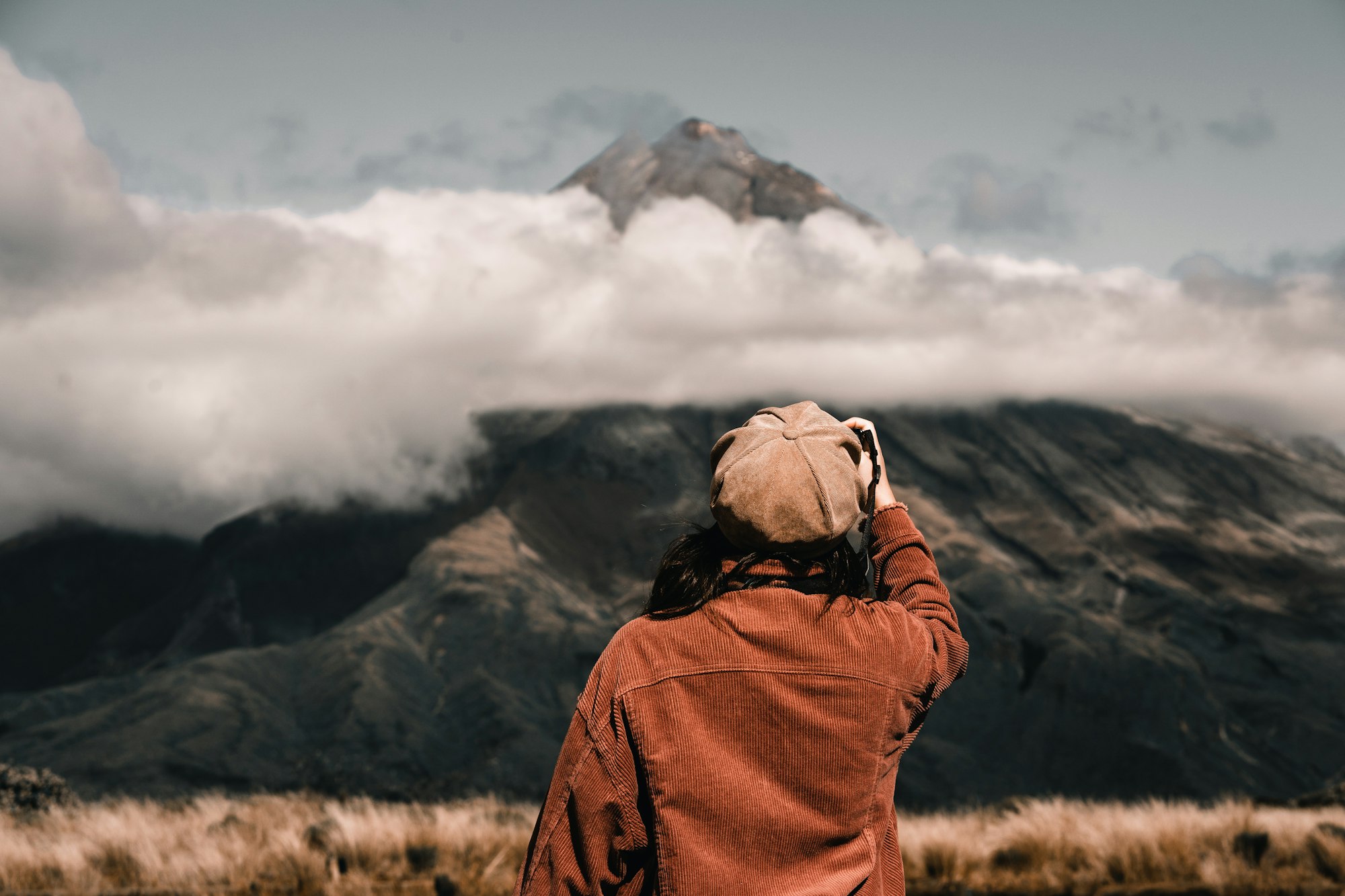
Sela Lake is a paradise for photographers. The combination of crystal-clear water, snow-covered mountains, prayer flags, and dramatic skies offers endless opportunities for stunning photographs. During winter, the snow-covered roads and frozen sections of the lake create particularly magical landscapes.
Trekking and Nature Walks
Adventure lovers can explore nearby trekking trails and mountain routes around the Sela Pass region. Short hikes and nature walks allow travelers to experience alpine meadows, glacial streams, and remote Himalayan scenery. The region also connects to routes leading toward monasteries, mountain villages, and hidden valleys of Tawang district.
Spiritual and Historical Exploration
The area around Sela Lake carries deep emotional and spiritual significance. Travelers often visit nearby Buddhist shrines and memorials that reflect the cultural identity of the Monpa community, the indigenous people of the region. The nearby war memorial dedicated to soldiers of the 1962 Sino-Indian War adds a sense of historical depth to the journey.
Wildlife Watching
Although wildlife sightings are rare due to the harsh climate, the high-altitude region around Sela Lake is home to unique Himalayan species. Travelers may spot alpine birds, Himalayan blue sheep (bharal), yaks grazing in open meadows, and occasionally other rare mountain animals adapted to extreme conditions.
Cultural and Historical Importance
Sela Lake is deeply connected with local legends and regional history. According to popular folklore, the lake and the nearby pass are named after a woman named Sela, who is remembered for her courage and sacrifice during historic conflicts in the region. Her story continues to be an important part of local tradition and is often shared by guides and residents.
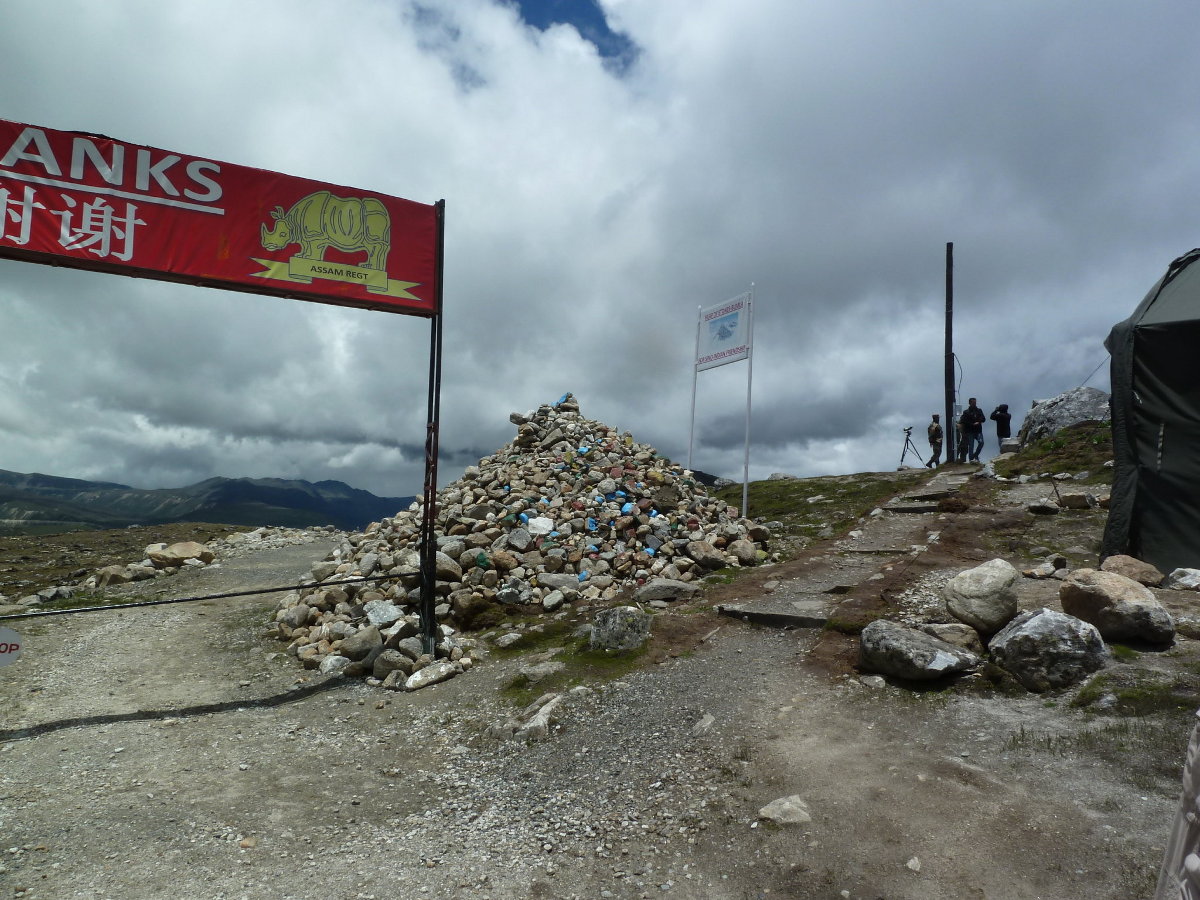
The region also holds strategic importance because of its connection to the 1962 Sino-Indian War. Sino-Indian War heavily affected this mountainous area, and the nearby Sela Pass became an important military location. Today, memorials and army presence in the region remind visitors of the sacrifices made to protect these remote Himalayan frontiers.
The blend of natural beauty, spirituality, and history gives Sela Lake a unique identity unlike many other mountain lakes in India.
Climate and Weather
The weather around Sela Lake remains cold throughout the year because of its high altitude. Even during summer, temperatures can drop significantly during mornings and evenings. Sudden weather changes are common, and travelers may encounter fog, snowfall, rain, or strong winds during the journey.
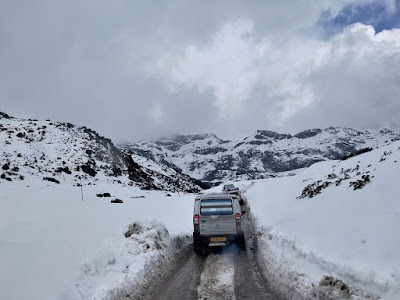
Winter transforms the entire landscape into a snow-covered paradise, but heavy snowfall can sometimes block roads temporarily. Travelers visiting during colder months should carry warm clothing, gloves, and proper winter gear.
Best Time to Visit
The ideal time to visit Sela Lake is from April to June and again from September to October. During these months, the skies are usually clear, roads remain accessible, and the weather is suitable for sightseeing and photography. The surrounding mountains look vibrant and beautiful after winter snow begins to melt.
Winter, from November to February, offers spectacular snowy landscapes and frozen scenery. However, travel during this season can become challenging because of snowfall and icy roads. Those visiting in winter should be prepared for extreme cold and possible delays.
How to Reach Sela Lake
By Road
Sela Lake is accessible by road through the scenic mountain highway connecting Tawang and Bomdila. The drive itself is considered one of the most beautiful road journeys in Northeast India. Travelers pass through winding mountain roads, waterfalls, valleys, and high-altitude landscapes before reaching the lake.
Nearest Town
The nearest major town is Tawang, located approximately 55 kilometres away. Most visitors include Sela Lake as part of their Tawang trip.
Travel Tips
Because of the high altitude, acclimatization is important. Some travelers may experience mild altitude sickness, especially if arriving directly from lower regions. Drinking plenty of water, avoiding excessive physical activity initially, and taking breaks during the journey can help the body adjust.
Travelers visiting Arunachal Pradesh also need an Inner Line Permit (ILP) if they are Indian citizens, while foreign nationals require a Protected Area Permit (PAP).
Nearby Attractions
Visitors exploring Sela Lake often combine their trip with nearby destinations in Tawang district, including:
- Sela Pass.
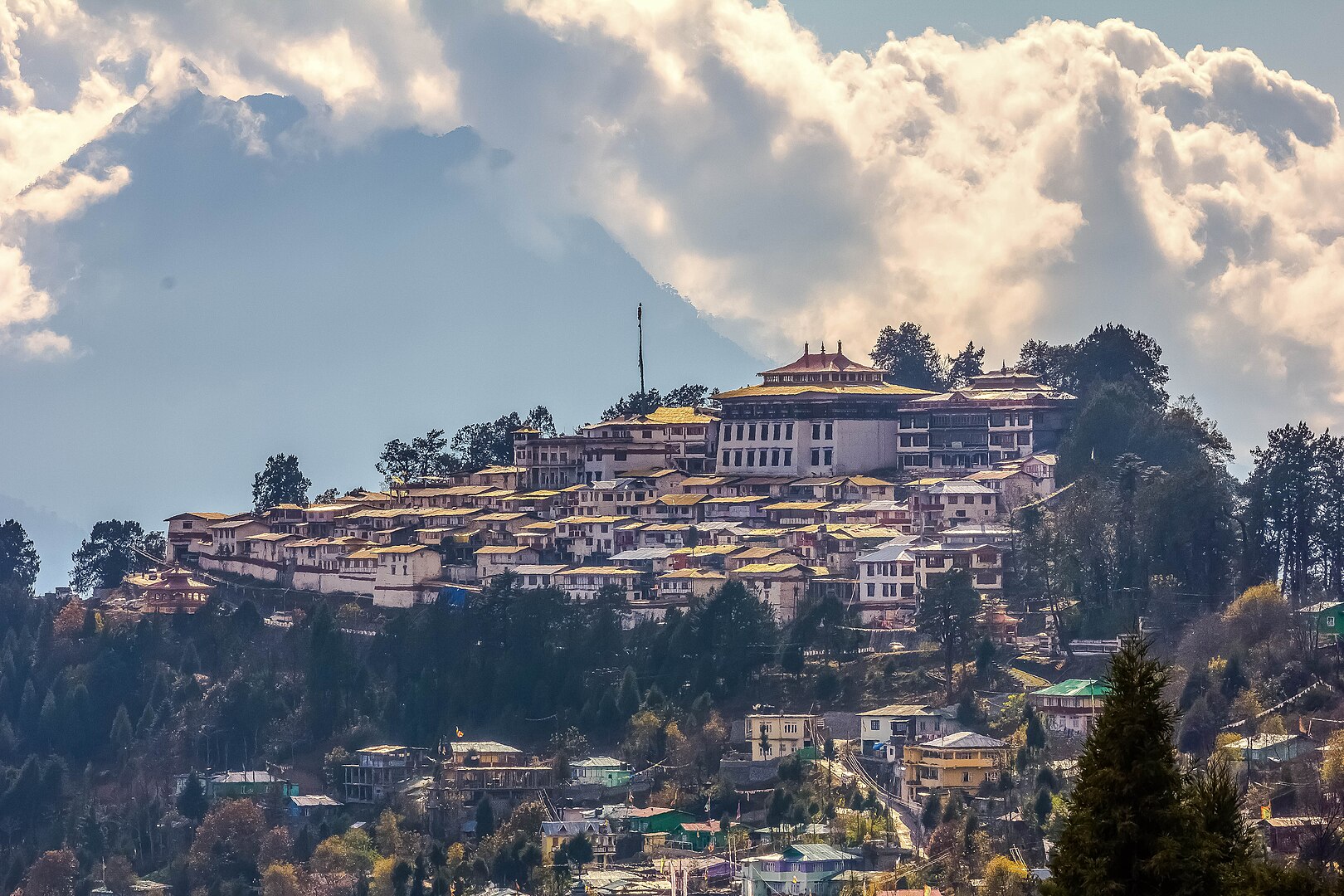
- Tawang Monastery.
- Nuranang Falls.
- Jaswant Garh War Memorial.
- Madhuri Lake.
These places together offer a mix of spirituality, history, adventure, and Himalayan beauty.
Google Maps
FAQs
Where is Sela Lake located?
Sela Lake is located near Sela Pass in the Tawang district of Arunachal Pradesh in northeastern India.
What is the altitude of Sela Lake?
The lake is situated at an altitude of approximately 4,170 metres (13,680 feet) above sea level.
Is Sela Lake the same as Sela Pass?
No. Sela Pass is the high mountain pass, while Sela Lake is the beautiful alpine lake located nearby.
Does Sela Lake freeze in winter?
Yes, parts of the lake often freeze during the winter months because of extremely low temperatures and heavy snowfall.
What is the best time to visit Sela Lake?
April to June and September to October are considered the best months for visiting due to pleasant weather and clearer skies.
Can travelers experience altitude sickness at Sela Lake?
Yes, since the lake is located at a very high altitude, some travelers may experience mild altitude sickness. Proper acclimatization is recommended.
Is photography allowed at Sela Lake?
Yes, photography is one of the main attractions here. The lake and surrounding Himalayan scenery provide spectacular photo opportunities.
How far is Sela Lake from Tawang?
Sela Lake is located around 55 kilometres from Tawang town by road.
Are permits required to visit Sela Lake?
Yes. Indian travelers require an Inner Line Permit (ILP) to enter Arunachal Pradesh, while foreign tourists need a Protected Area Permit (PAP).
Why is Sela Lake historically important?
The lake and surrounding region are associated with local legends and the 1962 Sino-Indian War, making the area historically and culturally significant.