About Mouling National Park
Tucked away in the remote wilderness of Arunachal Pradesh, Mouling National Park is one of the least explored yet most biologically rich national parks in Northeast India. Spread across nearly 483 square kilometres in the Upper Siang district, the park was established in 1986 to protect the fragile ecosystems of the Eastern Himalayas. It forms an important part of the larger Dibang Biosphere landscape and serves as a crucial ecological corridor for countless rare Himalayan species.
The name “Mouling” is believed to have originated from the Adi language, where it roughly translates to “red poison.” Locals associate the name with either the reddish colour of the soil or the poisonous plants found deep within the forests. Surrounded by mist-covered mountains, roaring rivers, and untouched forests, the park feels wild and mysterious even today. Unlike many popular wildlife destinations, Mouling remains largely free from commercial tourism, which is exactly what makes it so special for nature lovers and adventure seekers.
Landscape and Natural Beauty
One of the most fascinating aspects of Mouling National Park is its dramatic variation in altitude. The park stretches from around 750 metres above sea level to more than 3,000 metres in the higher Himalayan zones. Because of this wide elevation range, the landscape changes constantly as you move deeper into the park.
The lower regions are covered with dense tropical and subtropical forests filled with bamboo groves, giant ferns, and evergreen trees. As the altitude rises, the scenery slowly transforms into temperate forests of oak, pine, and rhododendron before finally opening into alpine meadows and rocky highlands. During winter mornings, mist often blankets the valleys, creating a surreal atmosphere that makes the forest appear almost untouched by time.
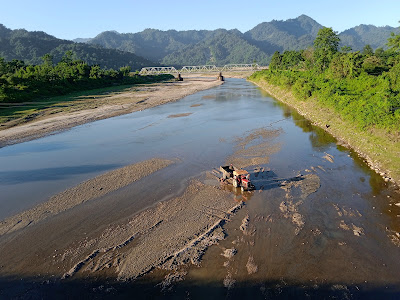
Several streams and river valleys cut through the park, eventually feeding into the mighty Siang River system. The viewpoints across these valleys offer breathtaking panoramas of green mountains layered endlessly toward the horizon.
Wildlife of Mouling National Park
Mouling National Park is considered one of the richest biodiversity zones in Arunachal Pradesh. Since the forest remains relatively undisturbed, it provides a safe habitat for many rare and endangered animals that are difficult to spot elsewhere in India.
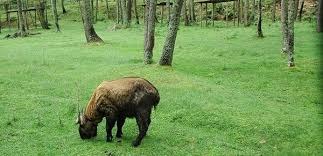
Among the park’s most famous residents is the elusive red panda, often found in the cooler forest zones. Other mammals include takins, barking deer, Himalayan black bears, serows, clouded leopards, and capped langurs. Hoolock gibbons, India’s only ape species, can also be heard calling from the treetops in some parts of the forest.
The park is equally important for birdlife. More than 300 bird species have been recorded here, making it a dream destination for birdwatchers. Rare Himalayan birds such as the Sclater’s monal, hornbills, laughingthrushes, tragopans, and various species of eagles and pheasants thrive in the dense forest canopy.
Reptiles, amphibians, butterflies, and insects also flourish in the humid environment, though many species remain scientifically understudied because of the park’s remoteness.
Flora and Plant Diversity
The forests of Mouling are exceptionally rich in plant life. Orchids grow abundantly across the park, especially during the monsoon and post-monsoon months. Rhododendrons add vibrant colours to the higher slopes during spring, while medicinal herbs and wild flowering plants are found throughout the region.
Botanists consider the area important because many plant species found here are endemic to the Eastern Himalayan biodiversity hotspot. The park’s dense vegetation also helps regulate rainfall patterns, preserve soil stability, and protect river systems in the surrounding valleys.
Trekking and Adventure Experiences
Mouling National Park is not a typical safari destination. Exploring the park requires patience, physical endurance, and a genuine love for wilderness. Trekking is the primary way to experience its interior landscapes.
Trails pass through thick forests, hanging bridges, mountain streams, and isolated highland villages. Because tourism infrastructure is still limited, most expeditions involve local guides, camping equipment, and multi-day trekking routes. This raw and untamed character is what attracts serious trekkers and wildlife enthusiasts looking for an offbeat Himalayan experience.
The routes near Jengging and Bomdo are among the commonly used entry points into the park. Trekkers often encounter spectacular viewpoints overlooking deep valleys and untouched forests along the way.
Cultural Importance and the Adi Tribe
The forests surrounding Mouling National Park are deeply connected to the traditions and beliefs of the local Adi tribe. For generations, the Adi people have regarded certain hills, forests, and rivers as sacred landscapes inhabited by ancestral spirits.
Traditional conservation practices followed by the community have played a major role in protecting the ecosystem long before modern wildlife laws existed. Some forest zones were historically considered taboo for hunting, while seasonal restrictions helped prevent overexploitation of wildlife resources.
Even today, many villages around the park maintain a strong spiritual and cultural relationship with the surrounding forests, blending traditional ecological knowledge with modern conservation efforts.
Best Time to Visit
The ideal time to visit Mouling National Park is between November and March. During these months, the weather remains cool, dry, and comfortable for trekking and wildlife exploration. Clear skies also provide better mountain views and safer trail conditions.
From April to October, the region receives heavy rainfall due to the monsoon. The forests become incredibly lush and beautiful during this period, but trekking routes can turn slippery and difficult. Landslides and swollen streams may also disrupt travel in remote areas.
How to Reach Mouling National Park
By Air
The nearest major airport is Dibrugarh Airport in Assam. From there, travellers usually continue by road toward Pasighat and the park’s entry regions.
By Rail
The closest railway station is Murkongselek Railway Station. After reaching the station, visitors can hire taxis or shared transport toward Pasighat and nearby villages connected to the park.
By Road
Road connectivity is available from Pasighat to areas like Jengging and Bomdo, which act as gateways to the national park. Beyond these points, trekking becomes the only practical way to explore the interior wilderness.
Nearby Attractions of Mouling National Park
Nestled in the remote wilderness of Arunachal Pradesh, Mouling National Park is surrounded by spectacular valleys, rivers, tribal villages, and biodiversity-rich landscapes. Visitors exploring the park can combine their trip with several nearby attractions that showcase the natural beauty and cultural heritage of the Siang region.
1. Yingkiong
Yingkiong is the headquarters of Upper Siang district and serves as one of the main gateways to Mouling National Park. Surrounded by lush mountains and the mighty Siang River, the town offers stunning views, traditional Adi tribal culture, and opportunities to experience local festivals and cuisine.
2. Siang River
Flowing near the eastern boundary of the park, the Siang River is one of Arunachal Pradesh’s most scenic rivers. Visitors can enjoy photography, riverside walks, and adventure activities such as rafting in suitable sections. The river is also culturally significant to the local communities.
3. Jengging
Jengging is an important access point for exploring Mouling National Park. The village is surrounded by pristine forests and offers an authentic glimpse into rural life in Arunachal Pradesh. It is often used as a base for trekkers and wildlife enthusiasts.
4. Ramsing Village
Located near one of the park’s entry ranges, Ramsing Village is known for its traditional Adi settlements, terraced fields, and scenic surroundings. The village provides opportunities for cultural interaction and nature walks.
5. Pasighat
Often referred to as the oldest town in Arunachal Pradesh, Pasighat lies about 185 km from the park and serves as a major tourism hub. Visitors can explore riverside viewpoints, local markets, and nearby adventure activities while enjoying the scenic landscapes of the Siang Valley.
6. Aalo
Aalo (formerly Along) is another important town near Mouling National Park. It is known for beautiful hanging bridges, tribal culture, and panoramic views of surrounding valleys. The town also serves as a transit point for travelers heading towards the park.
7. Dihang-Dibang Biosphere Reserve
Mouling National Park forms part of this vast biosphere reserve, one of India’s most important biodiversity hotspots. The reserve protects diverse ecosystems ranging from tropical forests to alpine habitats and supports numerous rare species.
8. Siyom River
The Siyom River flows along the western edge of the park and offers spectacular views of forested mountains and river valleys. It is a favorite location for nature photography and birdwatching.
9. Adi Tribal Villages
Several traditional Adi villages are located around the park. These settlements provide visitors with opportunities to learn about indigenous architecture, handicrafts, agriculture, folklore, and unique cultural traditions that have been preserved for generations.
10. Mouling Peak
The highest peak within the national park region, Mouling Peak offers breathtaking views of the Eastern Himalayas. Though reaching it requires challenging trekking through remote terrain, it remains a major attraction for experienced adventurers.
Why Mouling National Park Stands Out
What makes Mouling truly unique is its untouched character. Unlike heavily commercialized wildlife parks, Mouling still feels genuinely wild and unexplored. The silence of its forests, the diversity of its wildlife, and the spiritual connection local communities share with the land create an experience that feels deeply authentic.
For travellers seeking luxury tourism, the park may feel challenging. But for explorers, birdwatchers, photographers, conservation enthusiasts, and serious trekkers, Mouling National Park offers one of the most rewarding wilderness experiences in the Eastern Himalayas.
Google Maps
FAQs
Where is Mouling National Park located?
Mouling National Park is located in the Upper Siang district of Arunachal Pradesh in Northeast India.
Why is Mouling National Park famous?
The park is famous for its untouched Himalayan forests, rich biodiversity, rare wildlife species like the red panda and clouded leopard, and its scenic trekking routes.
Is Mouling National Park good for trekking?
Yes, the park is considered an excellent destination for trekking and wilderness exploration. However, the terrain is remote and best suited for experienced trekkers or those travelling with local guides.
What animals can be found in Mouling National Park?
Some notable animals found in the park include red pandas, takins, Himalayan black bears, clouded leopards, barking deer, capped langurs, and hoolock gibbons.
Which is the best season to visit Mouling National Park?
The best time to visit is from November to March when the weather is dry and suitable for trekking and wildlife spotting.
Are permits required to visit Mouling National Park?
Yes, travellers usually require an Inner Line Permit (ILP) to enter Arunachal Pradesh. Foreign visitors may need additional permits depending on current regulations.
Is accommodation available inside the park?
Accommodation options inside the park are extremely limited. Most visitors stay in nearby towns or villages and arrange guided trekking expeditions with camping facilities.
Can birdwatchers visit Mouling National Park?
Absolutely. The park is one of the best birdwatching destinations in Arunachal Pradesh and is home to more than 300 bird species.