Image Source: Doniv79
About Chakrashila Wildlife Sanctuary
Nestled amidst the gentle hills of western Assam, Chakrashila Wildlife Sanctuary is one of the state’s most underrated wildlife destinations. Located in the Kokrajhar and Dhubri districts, this beautiful protected area is best known as a sanctuary for the endangered Golden Langur, one of the rarest primates in the world. Surrounded by forested hills, grasslands, wetlands, and small villages, Chakrashila offers visitors an authentic wilderness experience away from the crowds found in more famous national parks.
Established primarily to protect the rapidly declining Golden Langur population, the sanctuary has become an important conservation landscape in Assam. The species is found only in a limited region along the Assam–Bhutan border, making Chakrashila one of the most significant habitats for its survival. Beyond its famous langurs, the sanctuary is home to diverse wildlife, scenic viewpoints, and rich birdlife that attracts nature enthusiasts throughout the year.
For travelers seeking tranquility, wildlife photography opportunities, and a chance to explore Assam’s lesser-known natural treasures, Chakrashila Wildlife Sanctuary is a rewarding destination.
History and Conservation Significance
Chakrashila was declared a wildlife sanctuary in 1994 to safeguard the fragile habitat of the Golden Langur. Before receiving protected status, the forests faced increasing pressure from habitat fragmentation and human activities. Conservation efforts by forest authorities and local communities have helped preserve this unique ecosystem.
Today, the sanctuary serves as an important biodiversity hotspot within the Bodoland Territorial Region. It not only protects endangered species but also supports ecological research, environmental education, and community-based conservation initiatives.
Landscape and Natural Environment
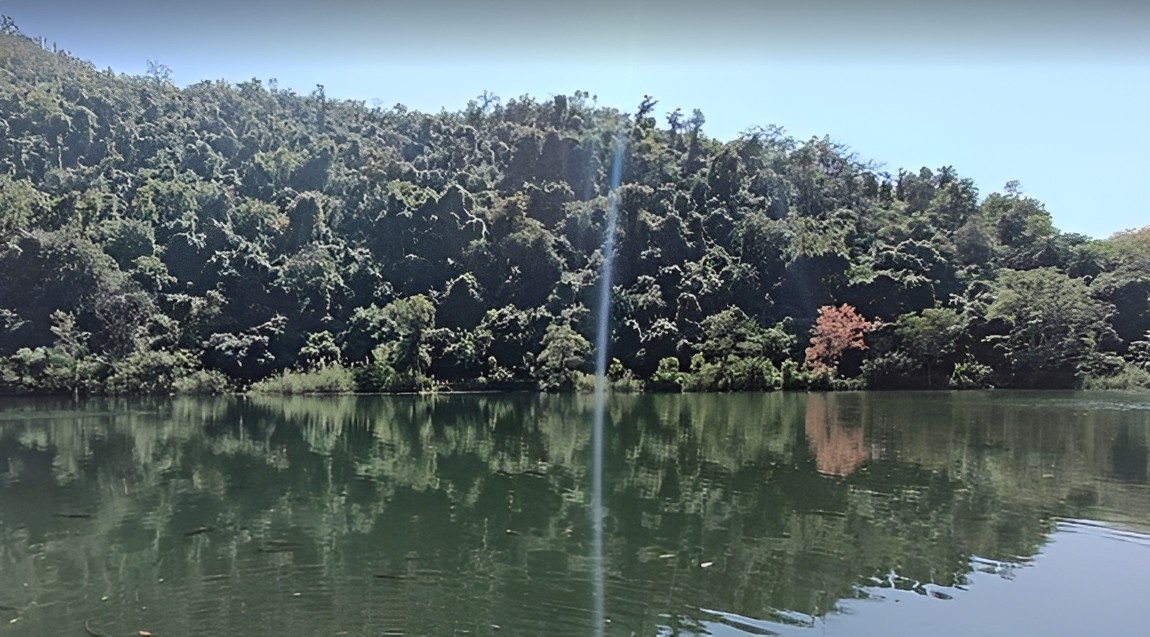
Spread across approximately 45.5 square kilometers, Chakrashila Wildlife Sanctuary consists of rolling hillocks covered with semi-evergreen forests, bamboo thickets, shrubs, and open grasslands. The varied terrain creates diverse habitats that support numerous plant and animal species.
The sanctuary is surrounded by important wetland ecosystems, including Dheer Beel and Diplai Beel. These wetlands act as seasonal feeding and breeding grounds for resident and migratory birds. During winter, the landscape becomes especially vibrant as thousands of waterfowl arrive from distant regions.
Several forest trails wind through the sanctuary, allowing visitors to explore its scenic beauty. The elevated hills provide excellent viewpoints from which one can admire the forests, wetlands, and surrounding countryside.
Wildlife of Chakrashila Wildlife Sanctuary
Golden Langur
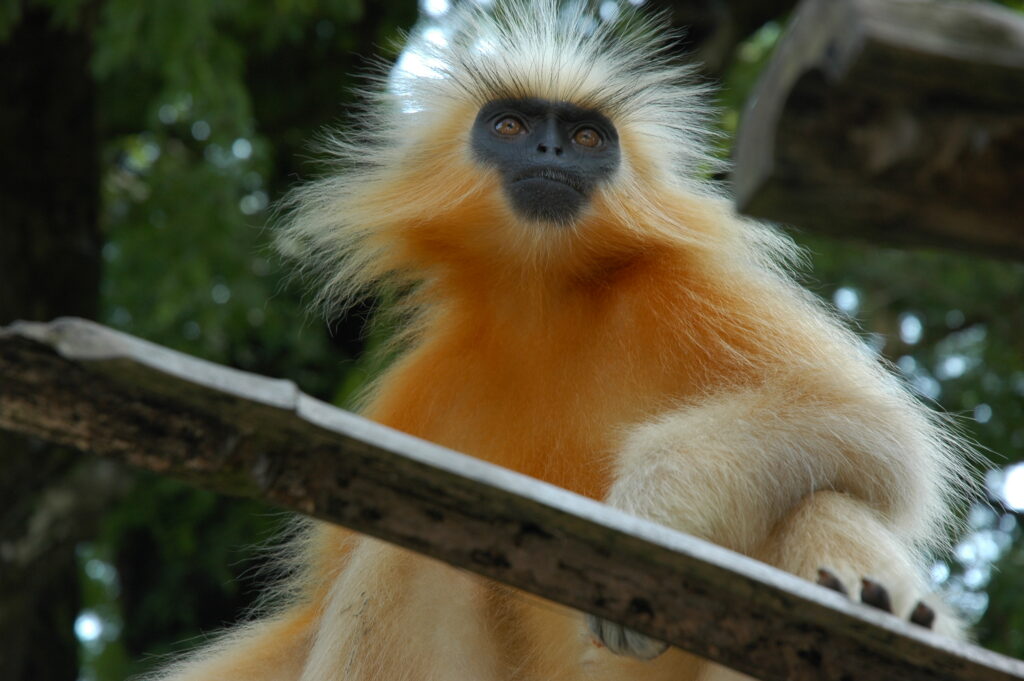
The Golden Langur is undoubtedly the sanctuary’s star attraction. Recognized by its striking golden-orange coat and expressive face, this endangered primate is found in only a small geographic range. Visitors often spot groups of langurs moving gracefully through the forest canopy during the early morning hours.
Mammals
Apart from Golden Langurs, the sanctuary supports a variety of mammals, including:
- Leopard.
- Barking Deer.
- Wild Boar.
- Porcupine.
- Civet Cats.
- Rhesus Macaque.
- Capped Langur.
- Jungle Cat.
Although some species are elusive, patient visitors may encounter signs of their presence during forest walks.
Reptiles and Amphibians
The sanctuary’s wetlands and forests provide suitable habitats for numerous reptiles and amphibians. Several snake species, lizards, frogs, and turtles contribute to the area’s ecological diversity.
A Paradise for Birdwatchers
Chakrashila is one of western Assam’s finest birdwatching destinations. The combination of forests, wetlands, and grasslands creates ideal conditions for both resident and migratory birds.
Bird enthusiasts may spot:
- Ruddy Shelduck.
- Northern Pintail.
- Lesser Adjutant Stork.
- Open-billed Stork.
- Cormorants.
- Egrets.
- Herons.
- Kingfishers.
- Woodpeckers.
- Drongos.
- Hornbills.
Winter, particularly from November to February, is considered the best time for birdwatching as migratory species arrive in large numbers.
Flora and Vegetation
The sanctuary’s forests support a rich variety of plant life. Bamboo groves dominate many sections, while native trees, shrubs, medicinal plants, orchids, and climbers thrive throughout the landscape.
Local communities have traditionally relied on many of these plants for medicinal and cultural purposes. The healthy vegetation cover also helps maintain soil stability and provides food and shelter for wildlife.
Trekking and Nature Exploration
One of the unique aspects of Chakrashila Wildlife Sanctuary is the opportunity to explore the area on foot. Several forest paths and hill trails offer excellent trekking experiences for nature lovers.
The trails pass through dense vegetation, open meadows, and elevated viewpoints where visitors can enjoy panoramic views of the surrounding countryside. Early morning treks often provide the best opportunities for wildlife sightings and birdwatching.
Best Time to Visit
The ideal time to visit Chakrashila Wildlife Sanctuary is from October to March.
During these months:
- Weather remains pleasant and comfortable.
- Bird migration season is at its peak.
- Wildlife sightings improve.
- Trekking conditions are favorable.
The monsoon season, from June to September, transforms the sanctuary into a lush green landscape, though heavy rainfall can make some trails difficult to access.
How to Reach Chakrashila Wildlife Sanctuary
By Air
The nearest airport is the Lokpriya Gopinath Bordoloi International Airport in Guwahati, located approximately 220 kilometers away. Taxis and bus services are available from the airport to Kokrajhar and nearby areas.
By Train
The nearest railway station is Kokrajhar Railway Station, situated about 7 kilometers from the sanctuary. It is well connected with Guwahati, New Jalpaiguri, Kolkata, and several major Indian cities.
By Road
The sanctuary is easily accessible by road through National Highway routes connecting western Assam. Regular buses and taxis operate from Guwahati, Kokrajhar, and Bongaigaon.
Nearby Attractions
Diplai Beel
Located near the sanctuary, Diplai Beel is a beautiful freshwater wetland known for its rich birdlife and serene natural surroundings. It becomes particularly attractive during winter when migratory birds arrive in large numbers.
Dheer Beel
This wetland ecosystem serves as an important habitat for aquatic birds and wildlife. It is an excellent destination for birdwatching, photography, and peaceful nature walks.
Kokrajhar
Often referred to as the gateway to western Assam, Kokrajhar offers visitors a glimpse into the culture, traditions, and cuisine of the Bodo community. The town also serves as a convenient base for exploring the sanctuary.
Ultapani Forest
A biodiversity-rich forest area near Kokrajhar, Ultapani is known for its dense greenery, streams, butterflies, and opportunities for eco-tourism and trekking.
Bhutan Border Region
The scenic foothills leading toward Bhutan offer beautiful landscapes, forested valleys, and cultural experiences that complement a visit to Chakrashila.
Google Maps
FAQs
1. Why is Chakrashila Wildlife Sanctuary famous?
Chakrashila Wildlife Sanctuary is famous for protecting the endangered Golden Langur, one of the world’s rarest primates. It is also known for its rich birdlife and scenic natural landscapes.
2. What is the best time to visit Chakrashila Wildlife Sanctuary?
The best time to visit is between October and March when the weather is pleasant and migratory birds can be seen in large numbers.
3. Can visitors see Golden Langurs easily?
Golden Langurs are regularly spotted within the sanctuary, especially during the early morning hours. However, sightings depend on weather conditions and animal movement.
4. Is Chakrashila good for birdwatching?
Yes. The sanctuary and nearby wetlands attract numerous resident and migratory bird species, making it one of the best birdwatching destinations in western Assam.
5. Are trekking activities available in the sanctuary?
Yes. Visitors can explore designated forest trails and hill paths that offer excellent opportunities for trekking, wildlife observation, and photography.
6. How far is Chakrashila Wildlife Sanctuary from Guwahati?
The sanctuary is located approximately 220 kilometers from Guwahati and can be reached by road or train via Kokrajhar.
7. Is a guide required for visiting the sanctuary?
While not always mandatory, hiring a local guide is highly recommended for wildlife spotting, birdwatching, and learning about the sanctuary’s ecology and conservation efforts.