About Silchar
Nestled on the banks of the Barak River in southern Assam, Silchar is the largest and most influential city in the Barak Valley region. Often referred to as the cultural and commercial heart of southern Assam, the city beautifully combines history, education, trade, and multicultural traditions. With its laid-back atmosphere, green surroundings, and welcoming communities, Silchar offers a unique blend of urban life and old-world charm that sets it apart from many other cities in Northeast India.
Over the years, Silchar has grown from a small riverine settlement into an important regional center. Today, it serves as a gateway to neighboring northeastern states such as Mizoram, Manipur, and Tripura, making it strategically significant for trade, transportation, and cultural exchange. Despite modernization, the city has managed to preserve its traditional roots, visible in its local markets, festivals, food culture, and everyday lifestyle.
Cultural Diversity and Heritage
One of the most remarkable aspects of Silchar is its cultural diversity. The city is home to several communities, including Bengalis, Manipuris, Dimasas, Bishnupriya Manipuris, Marwaris, and various tribal groups. This multicultural environment has shaped Silchar into a vibrant social and cultural space where different languages, customs, and traditions coexist harmoniously.
Bengali culture has a particularly strong influence in the city, reflected in literature, music, theatre, and cuisine. At the same time, Manipuri traditions contribute richly to the region’s artistic identity through classical dance, handloom weaving, and folk performances. Festivals in Silchar are celebrated with immense enthusiasm, turning the city into a lively hub of colors and celebrations throughout the year.
Durga Puja remains one of the grandest festivals celebrated here, attracting huge crowds with beautifully decorated pandals and cultural programs. Other festivals such as Kali Puja, Eid, Christmas, Bihu, and Manipuri cultural events further highlight the city’s inclusive and diverse spirit. The people of Silchar take pride in preserving their heritage while embracing modern influences.
History
Silchar also holds historical significance in Assam’s cultural and linguistic history. The city is closely associated with the Bengali Language Movement of 1961, during which several people sacrificed their lives demanding recognition of the Bengali language in the Barak Valley. This movement remains an important chapter in the region’s identity and is commemorated every year with respect and remembrance.
The city’s colonial-era influence can still be noticed in some of its old buildings, educational institutions, and administrative structures. Over time, Silchar evolved into an important administrative and economic center under British rule, particularly because of its river connectivity and tea trade.
Education and Academic Growth
Education plays a major role in shaping the identity of Silchar. The city is widely recognized as one of the leading educational centers in Northeast India. The presence of Assam University has greatly enhanced the city’s academic reputation, attracting students, researchers, and scholars from different parts of India.
Apart from Assam University, Silchar is home to several reputed schools, colleges, engineering institutions, and medical facilities. Institutions such as the National Institute of Technology Silchar have further strengthened the city’s position as an educational hub. Students from neighboring states often move to Silchar for higher education because of its growing academic infrastructure and relatively peaceful environment.
The educational culture of the city has also encouraged literary activities, debates, theatre, and artistic expression, making Silchar intellectually vibrant and culturally active.
Economy and Commercial Importance
Silchar serves as the primary commercial center of the Barak Valley. Its markets, trading centers, and transport links make it economically important not only for southern Assam but also for nearby northeastern states. The city functions as a distribution point for goods moving between Assam and neighboring regions.
Agriculture and tea production contribute significantly to the local economy. Several tea estates surround the city, continuing Assam’s long-standing global reputation for high-quality tea. Apart from tea, rice cultivation, small-scale industries, handloom products, and local businesses also support the regional economy.
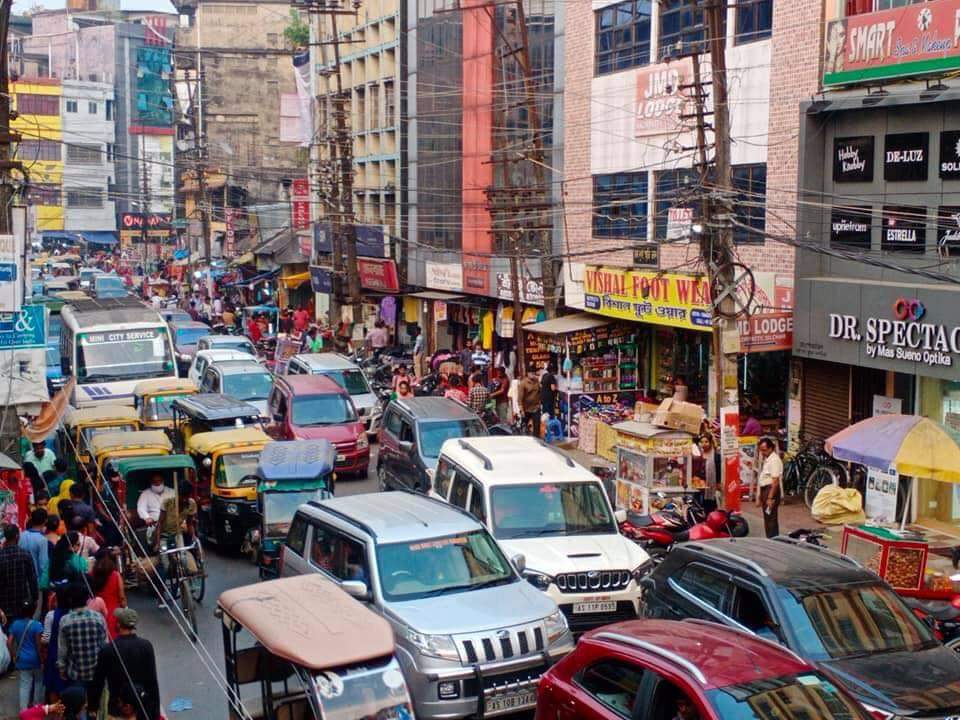
The bustling markets of Silchar reflect the city’s commercial energy. Traditional bazaars, modern shopping areas, and local vendors together create a dynamic marketplace where visitors can find everything from local handicrafts to fresh produce and regional delicacies.
Connectivity and Transportation
Silchar enjoys strong connectivity compared to many other cities in the Northeast. It is connected by roadways, railway lines, and air transport, making travel relatively convenient. The city’s airport, Silchar Airport, links the region with major Indian cities such as Kolkata and Guwahati.
National highways connect Silchar with nearby states, while railway routes play an important role in transporting both passengers and goods. Because of its location, the city acts as an important transportation corridor for southern Assam and surrounding hill states.
The Barak River, though less commercially active today than in earlier times, continues to add scenic beauty and historical importance to the city’s landscape.
Food and Local Lifestyle
The food culture of Silchar reflects its multicultural population. Bengali cuisine dominates many households and restaurants, offering dishes made with fish, rice, mustard, and aromatic spices. Manipuri dishes, Assamese flavors, and tribal culinary traditions also contribute to the city’s rich food scene.
Street food is equally popular, with local tea stalls, sweet shops, and snack vendors forming an essential part of daily life. The slower pace of life, friendly neighborhoods, and strong community ties give Silchar a warm and welcoming atmosphere.
Tourist Attractions Around Silchar
While Silchar itself is mainly known as a cultural and commercial city, several nearby attractions add to its appeal. Places like Khaspur, known for its historical ruins, and Maniharan Tunnel attract visitors interested in history and spirituality. Tea gardens around the city also provide scenic landscapes and a glimpse into Assam’s tea heritage.
Nature lovers often use Silchar as a base to explore the surrounding hills, forests, and valleys of southern Assam and neighboring northeastern states.
Google Maps
FAQs
Where is Silchar located?
Silchar is located in the Cachar district of southern Assam in Northeast India. It lies on the banks of the Barak River and serves as the largest city in the Barak Valley region.
Why is Silchar famous?
Silchar is famous for its cultural diversity, educational institutions, tea gardens, and commercial importance. It is also known for its connection to the Bengali Language Movement of 1961.
Which language is mainly spoken in Silchar?
Bengali is the most widely spoken language in Silchar. However, Assamese, Hindi, Manipuri, and several tribal languages are also commonly spoken.
Is Silchar a good place for education?
Yes, Silchar is considered one of the major educational centers in Northeast India. Institutions like Assam University and NIT Silchar attract students from across the region.
How can tourists reach Silchar?
Tourists can reach Silchar by air, rail, and road. Silchar Airport provides regular flights, while railway and highway networks connect the city with other parts of Assam and Northeast India.
What is the best time to visit Silchar?
The best time to visit Silchar is between October and March when the weather remains pleasant and suitable for sightseeing and travel.
What are the major festivals celebrated in Silchar?
Durga Puja, Kali Puja, Bihu, Eid, Christmas, and Manipuri cultural festivals are among the major celebrations in the city.
Is Silchar connected to other northeastern states?
Yes, Silchar is an important transport and trade hub connecting Assam with neighboring states such as Mizoram, Manipur, and Tripura.