Introduction
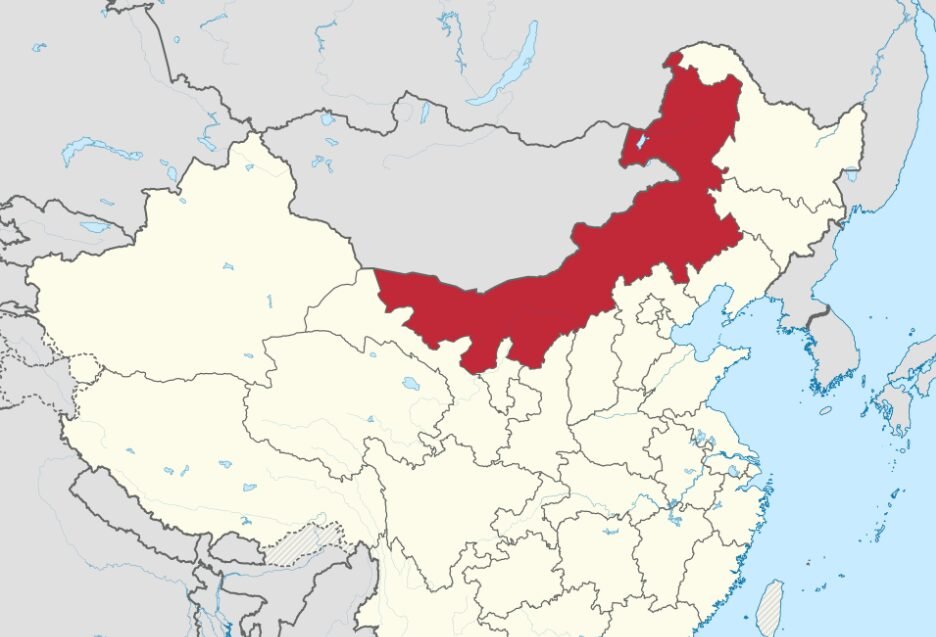
Stretching for over 2,400 kilometres across northern China, Inner Mongolia is a land of endless grasslands, rolling sand dunes, volcanic landscapes, forests, alpine lakes, and centuries-old nomadic traditions. Sharing a border of more than 4,200 kilometres with the independent nation of Mongolia and a shorter border with Russia , it is one of China’s most geographically diverse and culturally distinctive regions.
While many visitors imagine only vast steppes and horse riders, Inner Mongolia offers far more. In the east, dense forests of the Greater Khingan Mountains are home to wildlife and volcanic lakes. The central region features immense grasslands where Mongolian herders still raise horses, sheep, and cattle. In the west lie some of Asia’s most spectacular deserts, including the towering dunes of the Badain Jaran Desert and the eco-restoration success story of the Kubuqi Desert .
The region is also deeply connected to the legacy of Genghis Khan , the rise of the Mongol Empire, and the ancient Silk Road. Visitors can explore Buddhist monasteries, traditional yurts (gers), lively Naadam festivals, camel caravans, and vibrant border towns where Chinese, Mongolian, and Russian cultures meet.
Whether you are interested in photography, wildlife, history, road trips, or experiencing nomadic life, Inner Mongolia offers one of the most unique travel experiences in China.
—
Quick Facts
| Information | Details |
| —————— | ————————————————————- |
| Chinese Name | 内蒙古自治区 (Nèi Měnggǔ Zìzhìqū) |
| English Name | Inner Mongolia Autonomous Region |
| Capital | Hohhot |
| Area | Approximately 1.18 million km² |
| Population | Around 24 million |
| Time Zone | China Standard Time (UTC+8) |
| Border Countries | Mongolia, Russia |
| Famous For | Grasslands, deserts, Mongolian culture, Genghis Khan heritage |
| Best Time to Visit | May–October |
—
Why Visit Inner Mongolia?
Inner Mongolia combines vast natural landscapes with rich cultural traditions.
Highlights include:
* Endless grasslands.
* Traditional Mongolian nomadic culture.
* Horse riding experiences.
* Luxury yurt stays.
* Camel trekking.
* Massive desert landscapes.
* Ancient Mongol Empire history.
* Buddhist monasteries.
* Border cities.
* Outstanding astrophotography opportunities.
—
Geography
Inner Mongolia forms a long crescent across northern China, creating a transition zone between the forests of northeast China and the deserts of Central Asia.
Major Geographic Regions
Eastern Inner Mongolia
Characterised by:
* Forests.
* Volcanoes.
* Wetlands.
* Lakes.
* Cooler climate.
Major destinations:
* Hulunbuir.
* Arxan.
* Greater Khingan Mountains.
—
Central Inner Mongolia
Home to the region’s iconic grasslands.
Features:
* Open steppe.
* Nomadic communities.
* Horse culture.
* Rolling hills.
Major destinations:
* Hohhot.
* Xilingol.
* Gegentala.
—
Western Inner Mongolia
Known for dramatic desert scenery.
Highlights include:
* Badain Jaran Desert.
* Kubuqi Desert.
* Tengger Desert.
* Yellow River oases.
—
History
Ancient Nomadic Civilisations
For thousands of years, the grasslands were home to powerful nomadic confederations, including the Xiongnu , Xianbei , Türks , Khitans , and Jurchens , each shaping the political and cultural landscape of northern Asia.
—
The Mongol Empire
In the early 13th century, Genghis Khan unified the Mongol tribes and established the largest contiguous land empire in history. The Mongolian Plateau became the heartland of this rapidly expanding empire, and many places in present-day Inner Mongolia preserve traditions linked to this period.
—
Yuan Dynasty
Under Kublai Khan , the Mongol Empire established the Yuan Dynasty (1271–1368) , ruling all of China. The imperial summer capital at Xanadu became a symbol of Mongol power and cultural exchange.
—
Modern Inner Mongolia
Today, Inner Mongolia is an autonomous region of China where Mongolian and Han Chinese cultures coexist. Traditional pastoral lifestyles remain important in many rural areas, while cities such as Hohhot, Baotou, and Ordos have developed into modern urban centres.
—
Top Places to Visit
Hohhot
The regional capital combines Mongolian history with modern city life.
Highlights:
* Dazhao Temple.
* Five Pagoda Temple.
* Inner Mongolia Museum.
* Traditional markets.
—
Hulunbuir Grassland
Often regarded as China’s finest grassland.
Activities include:
* Horse riding.
* Staying in yurts.
* Wildlife watching.
* Photography.
—
Badain Jaran Desert
One of the world’s most spectacular deserts, famous for:
* Mega sand dunes.
* Hidden lakes.
* Camel expeditions.
* Desert camping.
—
Kubuqi Desert
Known internationally for large-scale ecological restoration and desert tourism.
Popular activities:
* Sandboarding.
* Camel rides.
* Desert safaris.
* Stargazing.
—
Arxan National Forest Park
A paradise of volcanic landscapes, forests, rivers, and hot springs.
—
Genghis Khan Mausoleum
A major cultural and historical site dedicated to the legacy of Genghis Khan, although it is a memorial rather than his confirmed burial place.
—
Manzhouli
A fascinating border city influenced by Chinese, Mongolian, and Russian architecture and culture.
—
Xilingol Grassland
One of the largest remaining natural steppe ecosystems in Eurasia.
—
Culture
Mongolian traditions remain central to the identity of Inner Mongolia.
Visitors can experience:
* Staying in traditional gers (yurts).
* Horse riding.
* Mongolian wrestling.
* Archery.
* Throat singing.
* Long-song performances.
* Naadam festivals.
* Eagle symbolism.
* Nomadic hospitality.
—
Wildlife
Inner Mongolia’s ecosystems support a wide range of wildlife.
Species include:
Mammals
* Mongolian gazelle.
* Przewalski’s horse.
* Bactrian camel.
* Red deer.
* Pallas’s cat (rare).
* Grey wolf.
Birds
* Great bustard.
* Demoiselle crane.
* Red-crowned crane.
* Saker falcon.
* Steppe eagle.
—
Food & Cuisine
Inner Mongolia is famous for hearty cuisine based on livestock and dairy products.
Must-try dishes include:
* Roast lamb.
* Mongolian hot pot
* Hand-pulled mutton.
* Beef dumplings.
* Milk tea.
* Airag (fermented mare’s milk).
* Cheese snacks.
* Fresh yoghurt.
* Dairy desserts.
—
Best Time to Visit
| Season | Experience |
| ————————– | —————————————————— |
| Spring (April–May) | Grasslands begin turning green, mild weather |
| Summer (June–August) | Peak season for grasslands, festivals, horse riding |
| Autumn (September–October) | Golden landscapes and excellent photography |
| Winter (November–March) | Snow-covered steppes, winter festivals, fewer tourists |
The best overall period is June to September , while September offers comfortable temperatures and colourful scenery.
—
How to Reach Inner Mongolia
By Air
Major airports include:
* Hohhot Baita International Airport.
* Hulunbuir Hailar Airport.
* Manzhouli Xijiao Airport.
* Ordos Ejin Horo Airport.
* Baotou Donghe Airport.
—
By High-Speed Rail
High-speed rail links connect Hohhot with:
* Beijing.
* Datong.
* Taiyuan.
* Other major Chinese cities.
—
By Road
An extensive motorway network connects Inner Mongolia with neighbouring provinces, making self-drive road trips increasingly popular.
—
Getting Around
Transport options include:
* High-speed rail.
* Domestic flights.
* Long-distance buses.
* Private tours.
* Car rental (ideal for exploring grasslands and deserts).
—
Suggested Itineraries
5 Days
* Hohhot.
* Gegentala Grassland.
* Genghis Khan Mausoleum.
* Ordos.
—
7 Days
* Hohhot.
* Xilingol Grassland.
* Kubuqi Desert.
* Baotou.
* Ordos.
—
10 Days
* Hohhot.
* Hulunbuir.
* Arxan.
* Manzhouli.
* Badain Jaran Desert.
—
14 Days
Complete circuit including:
* Eastern forests.
* Central grasslands.
* Western deserts.
* Border towns.
* Historic monasteries.
—
Where to Stay
Accommodation choices include:
* Luxury hotels in Hohhot and Ordos.
* Boutique guesthouses.
* Traditional yurt camps.
* Desert resorts.
* Forest lodges in Arxan.
—
Travel Tips
* Temperatures can vary greatly between day and night, especially in grassland and desert areas.
* Bring sunscreen, sunglasses, and plenty of water for outdoor activities.
* Respect local customs when visiting nomadic families and religious sites.
* Horse riding is popular, but choose operators that prioritise animal welfare.
* Summer is the busiest season, so book accommodation in advance if travelling during festivals.
—
Frequently Asked Questions
Is Inner Mongolia worth visiting?
Yes. It offers some of China’s most spectacular natural landscapes, rich nomadic culture, historic sites, and unforgettable road-trip opportunities.
What is Inner Mongolia famous for?
It is famous for its grasslands, deserts, horse culture, Mongolian traditions, Genghis Khan heritage, and unique blend of Chinese and Mongolian influences.
How many days should I spend in Inner Mongolia?
A minimum of 5–7 days is recommended, while 10–14 days allows you to explore both the eastern forests and western deserts.
Can tourists stay in traditional yurts?
Yes. Many grassland tourism areas offer overnight stays in traditional Mongolian gers, ranging from simple family-run camps to luxury accommodations.
Is Inner Mongolia suitable for road trips?
Absolutely. The region’s wide-open landscapes, scenic highways, and relatively light traffic make it one of China’s best destinations for self-drive travel.
—
Nearby Regions
* Beijing.
* Hebei.
* Shanxi.
* Shaanxi.
* Ningxia.
* Gansu.
* Liaoning.
* Jilin.
* Heilongjiang.
* Mongolia.
—
Photography Guide
Inner Mongolia offers some of China’s most diverse photographic landscapes, from emerald grasslands and volcanic lakes to immense sand dunes and star-filled skies.
Best Photography Locations
* Hulunbuir Grassland at sunrise.
* Xilingol’s rolling steppe.
* Badain Jaran Desert dunes and hidden lakes.
* Kubuqi Desert during golden hour.
* Arxan’s volcanic lakes and forests.
* Traditional yurts under the Milky Way.
* Genghis Khan Mausoleum at sunset.
* Manzhouli’s Russian-inspired architecture.
Best Time for Photography
* June–August: Lush green grasslands, colourful wildflowers, and vibrant festivals.
* September: Golden grasslands, crisp air, and excellent visibility.
* Winter: Snow-covered steppes and dramatic minimalist landscapes.
* Night: Desert and grassland regions provide outstanding conditions for astrophotography thanks to low light pollution.