Image Source: Deva Nand Thakur
About Fungni Lake
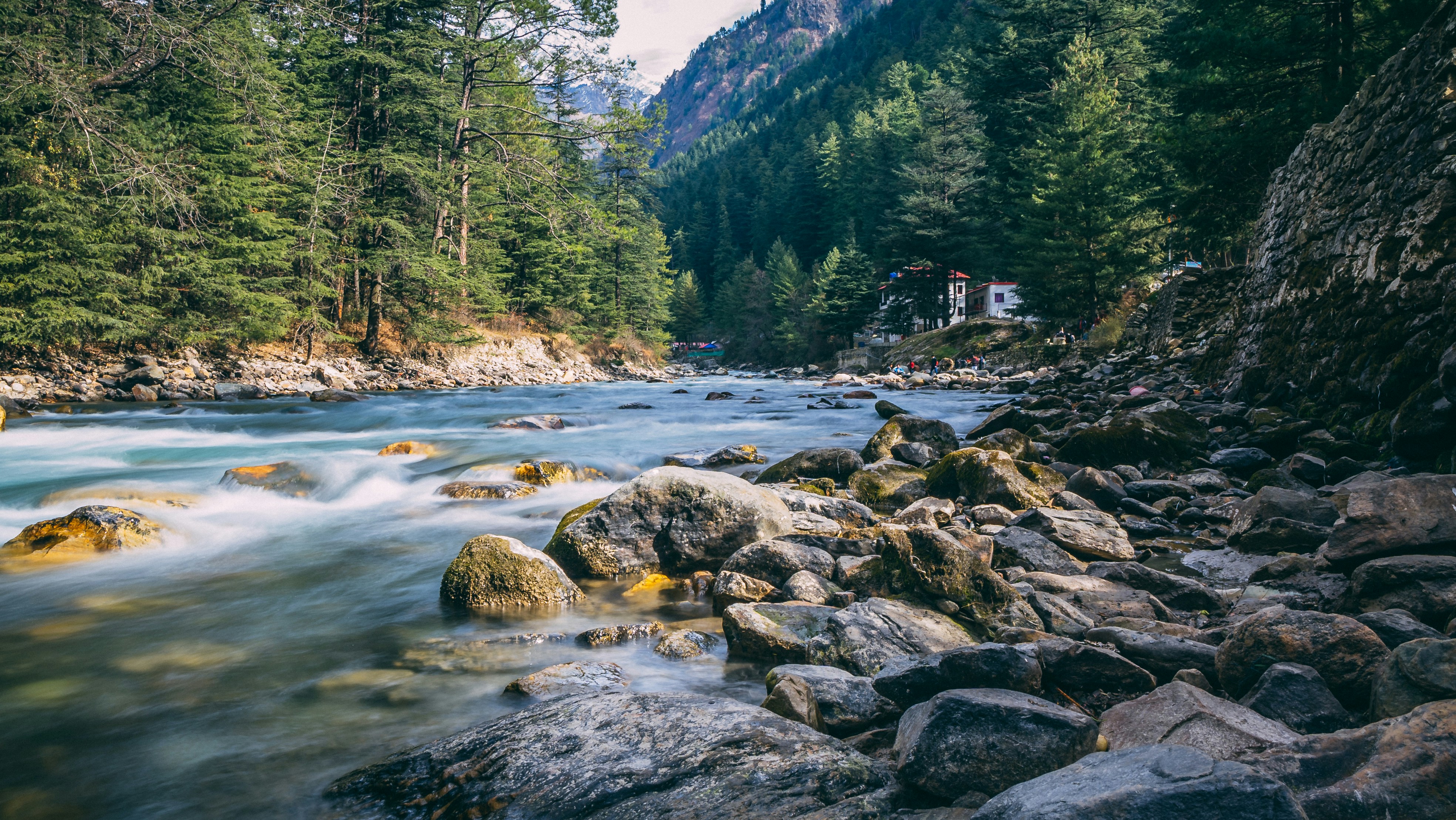
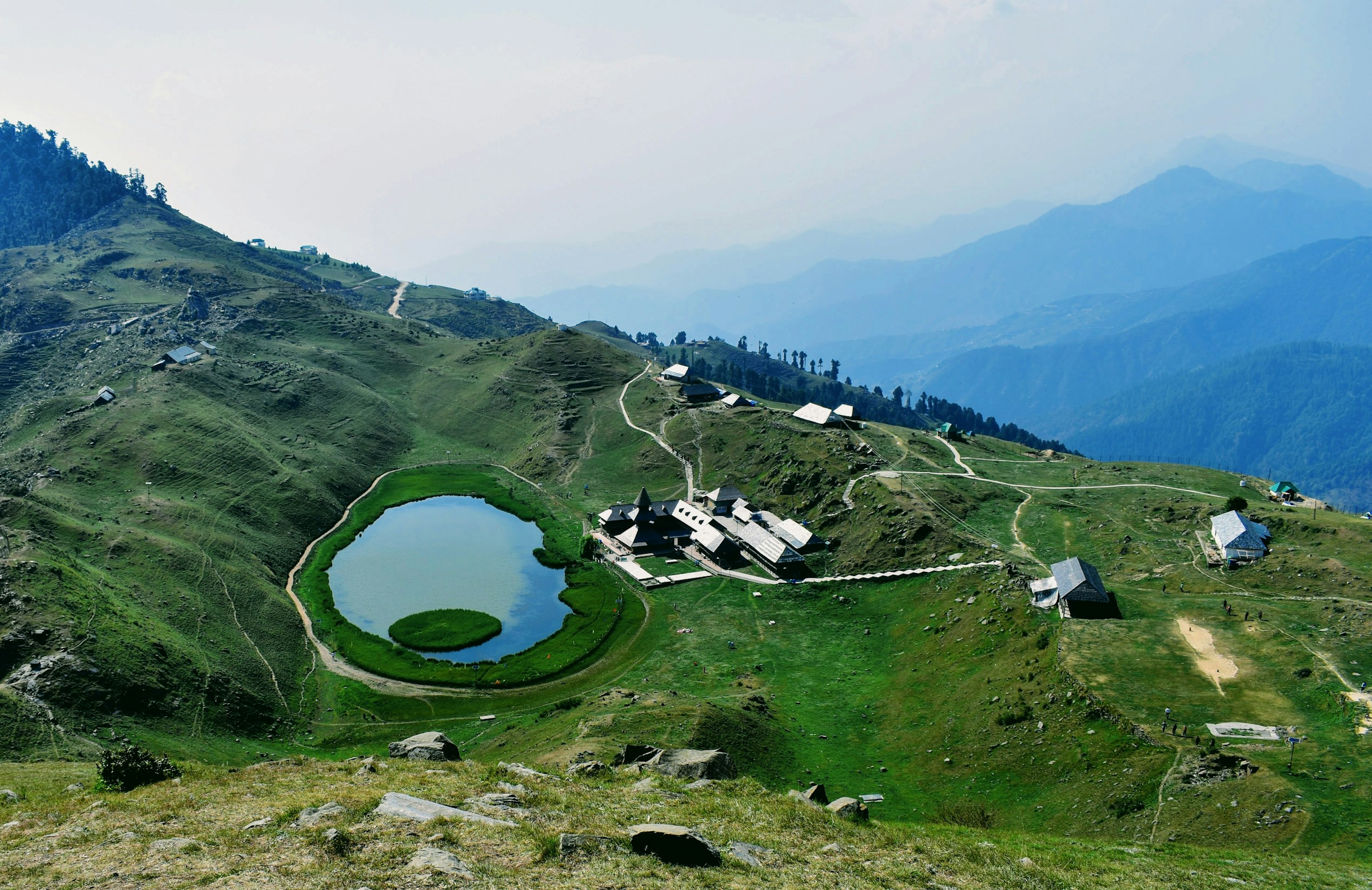
Hidden deep within the untouched mountains of Himachal Pradesh, Fungni Lake is one of those rare Himalayan destinations that still feels raw, peaceful, and undiscovered. Surrounded by dense pine forests, rolling alpine meadows, and towering mountain ridges, this high-altitude lake offers a perfect escape for travelers seeking solitude and natural beauty away from crowded tourist trails.
Located at an elevation of around 3,500 to 3,700 meters (11,500 to 12,100 feet), Fungni Lake lies in the upper reaches of the scenic Chuhar Valley in the Mandi district. The lake is situated near the borders of Kullu and Kangra districts, though local references sometimes differ regarding its exact administrative location. Despite its remote setting, the lake holds immense spiritual and cultural importance for the nearby villages.
What makes Fungni Lake truly special is not just its breathtaking landscape but also the sense of mystery and devotion associated with it. The lake is considered sacred by locals and has been deeply connected to regional folklore and religious beliefs for generations. The calm waters, the silence of the mountains, and the untouched surroundings together create an atmosphere that feels almost magical.
Geography and Natural Beauty of Fungni Lake
Fungni Lake is surrounded by a dramatic Himalayan landscape that changes beautifully with the seasons. During late spring and early summer, the slopes around the lake come alive with colorful rhododendrons, wildflowers, and lush green grasslands. The fresh mountain air and blooming alpine vegetation make this period one of the best times to visit.
As autumn arrives, the scenery transforms into warm shades of gold, amber, and brown, creating a peaceful and dreamlike setting. In winter, heavy snowfall covers the entire region, turning the lake and surrounding meadows into a white wonderland. However, due to thick snow and harsh weather conditions, the lake usually becomes inaccessible during the coldest months.
The lake is fed by natural springs, glacial meltwater, and tiny mountain streams. These waters eventually flow into tributaries that contribute to the Beas River basin. The region’s terrain reflects strong glacial influence, with rolling alpine meadows—locally known as bugyals—scattered across the landscape alongside dwarf shrubs and rocky ridges.
The untouched ecosystem around Fungni Lake also supports a variety of Himalayan flora and wildlife. Trekkers occasionally spot Himalayan birds, grazing sheep, and rare mountain vegetation along the trail.
Mythology and Local Beliefs
Fungni Lake is not just a natural attraction; it is also an important spiritual site for the local communities. According to traditional folklore, the lake is believed to be the abode of Devi Fungni Mata, a local goddess worshipped for prosperity, protection, and good harvests.
One of the most popular legends associated with the lake tells the story of a wandering shepherd who committed a disrespectful act near the sacred site. Angered by this sacrilege, the goddess is said to have struck the ground with her staff, causing a powerful spring to burst forth and fill the hollow valley with water, thus forming the lake.
Even today, villagers hold deep faith in the divine powers of the lake and the goddess. Annual rituals, prayers, and local fairs are organized at the nearby Fungni Temple, which lies along the trekking route. During these gatherings, devotees from nearby villages visit the temple to seek blessings and offer traditional prayers.
Many pilgrims also believe that taking a dip in the icy waters of the lake helps cleanse sins and brings spiritual peace. Due to the freezing temperature of the water, however, only a few dare to take the sacred plunge.
Trekking Experience to Fungni Lake
Reaching Fungni Lake is an adventure in itself. The journey involves scenic mountain roads followed by a moderate-to-challenging trek through forests, meadows, and remote Himalayan terrain. The trekking route passes through picturesque villages where travelers can experience the simple lifestyle and warm hospitality of Himachali culture.
The trail offers stunning panoramic views of surrounding valleys and snow-clad peaks. Along the way, trekkers often encounter grazing sheep, traditional wooden houses, and ancient forest paths that add to the charm of the journey.
Because the lake remains relatively unexplored, the route is less commercialized compared to popular Himalayan treks. This makes Fungni Lake an ideal destination for nature lovers, photographers, adventure seekers, and travelers looking for offbeat experiences.
Best Time to Visit Fungni Lake
The ideal time to visit Fungni Lake is from May to October. During these months, the weather remains relatively pleasant, and the trekking routes stay open.
- May to June: Best for blooming flowers and green landscapes.
- July to August: Monsoon brings lush scenery, though trails may become slippery.
- September to October: Clear skies, crisp mountain views, and beautiful autumn colors.
- November to April: Heavy snowfall usually blocks access to the lake.
Travelers planning the trek should carry warm clothing, sturdy trekking shoes, rain protection, and basic medical supplies due to the remote nature of the region.
How to Reach Fungni Lake
By Road
The nearest major town is Mandi, located roughly 70–90 kilometers away depending on the chosen route. Travelers can also use Kullu or Joginder Nagar as alternative base locations.
From these towns, local roads lead toward villages near the trekking point. The final stretch to the lake must be completed on foot.
By Rail
The nearest railway station is Joginder Nagar Railway Station, which is connected to parts of Himachal Pradesh through narrow-gauge rail routes.
By Air
The closest airport is Bhuntar Airport near Kullu. From there, travelers can continue by road toward Mandi and the Chuhar Valley region.
Nearby Attractions to Fungni Lake
Fungni Lake is a remote high-altitude alpine lake in the Mandi–Kullu region of Himachal Pradesh, located along the scenic Fungni ridge. Surrounded by lush meadows, dense forests, and panoramic Himalayan views, the lake is often visited by trekkers seeking an offbeat adventure. The surrounding area offers several natural and cultural attractions worth exploring.
1. Dehnasar Lake
One of the most popular destinations near Fungni Lake, Dehnasar Lake is a sacred glacial lake situated at an altitude of about 4,280 meters. The lake is surrounded by alpine meadows and rocky mountain terrain, making it a favorite among trekkers and pilgrims alike.
2. Barot Valley
A picturesque valley known for trout fishing, riverside camping, and scenic landscapes. Barot serves as a common base for several treks in the region and offers a peaceful escape amid cedar and pine forests.
3. Lug Valley
Located across the ridge from Fungni, Lug Valley is known for its traditional Himalayan villages, terraced fields, and pristine natural beauty. The valley remains relatively untouched by mass tourism and offers excellent opportunities for village walks and photography.
4. Tayun Village
A charming mountain village that serves as an alternative trekking route toward Dehnasar and the Fungni ridge. Visitors can experience authentic Himachali culture and stunning views of surrounding peaks.
5. Polling Village
This small Himalayan settlement is a popular starting point for trekking expeditions toward Dehnasar Lake and nearby alpine regions. The route passes through beautiful forests and high-altitude meadows.
6. Bada Bhangal Region
Adventure enthusiasts can explore the rugged trails leading toward the remote Bada Bhangal area, known for its dramatic mountain scenery, shepherd settlements, and challenging trekking routes.
7. Thaltukhod
A scenic mountain hamlet offering access to lesser-known trekking trails across the Fungni ridge. The area is rich in natural beauty, forests, and seasonal wildflowers.
8. Himalayan Alpine Meadows
The meadows surrounding Fungni Lake are among its biggest attractions. During summer, these grasslands bloom with wildflowers and offer breathtaking views of the surrounding Himalayan ranges.
Google Maps
FAQs
Where is Fungni Lake located?
Fungni Lake is located in the upper Chuhar Valley region of Himachal Pradesh’s Mandi district, near the borders of Kullu and Kangra districts.
What is the altitude of Fungni Lake?
The lake is situated at an elevation of approximately 3,500 to 3,700 meters (11,500 to 12,100 feet) above sea level.
Is Fungni Lake a trekking destination?
Yes, reaching Fungni Lake requires trekking through forested mountain trails and alpine meadows, making it a popular offbeat trekking destination.
Why is Fungni Lake considered sacred?
Locals believe the lake is the abode of Devi Fungni Mata, a revered local goddess associated with prosperity and protection.
What is the best time to visit Fungni Lake?
The best time to visit is between May and October when the weather is favorable and trekking routes remain accessible.
Does Fungni Lake receive snowfall?
Yes, the region experiences heavy snowfall during winter, and the lake remains inaccessible for several months.
Are there accommodation facilities near Fungni Lake?
Basic accommodation and homestays may be available in nearby villages, but camping is common for trekkers visiting the lake.
Is Fungni Lake suitable for beginners?
The trek is moderate in difficulty. Beginners with good physical fitness and proper preparation can complete it comfortably.