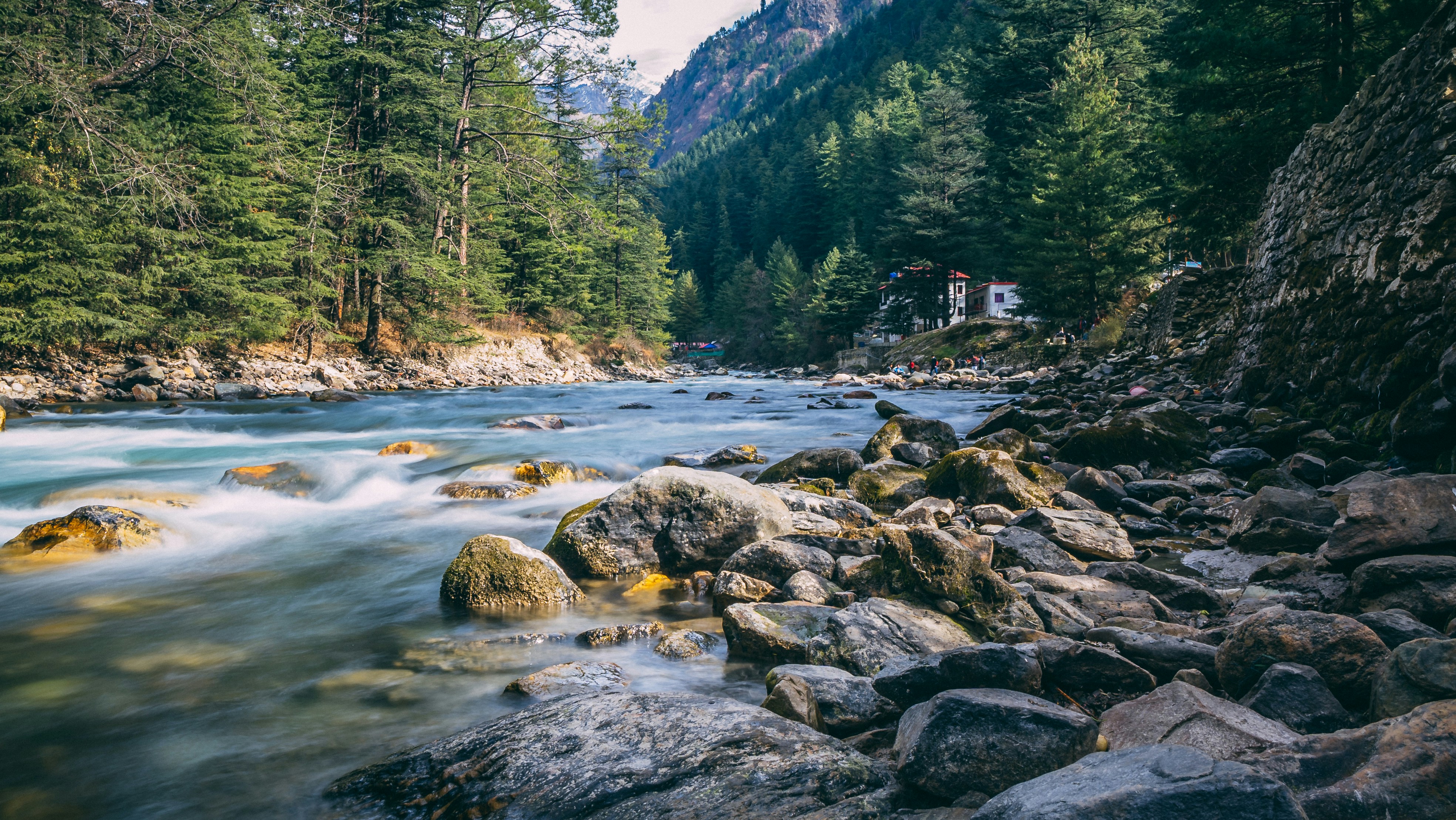
Nestled amidst the serene mountains of Himachal Pradesh, Jubbal is a charming hill town known for its sprawling apple orchards, lush deodar forests, and rich royal heritage. Situated on the banks of the beautiful Pabbar River at an altitude of around 1,901 meters above sea level, Jubbal offers a refreshing escape from crowded tourist destinations. Covering an area of approximately 288 square miles, this picturesque town combines natural beauty, cultural traditions, and historical significance, making it one of the hidden gems of the Himalayas.
Whether you are a nature lover, history enthusiast, or someone seeking a peaceful retreat, Jubbal has something unique to offer.
History of Jubbal
The history of Jubbal dates back to the early 19th century when it was established by King Karam Chand around 1800. Over the years, the region witnessed the influence of various powers, including the Nepalese and the British. During the princely era, Jubbal emerged as an important hill state under the rule of the Rathore clan.
One of the most notable rulers was Rana Baghat Chandra, who governed the state in the early 20th century. Under his leadership, Jubbal witnessed significant modernization and development. The royal family played an important role in shaping the cultural and architectural identity of the region, traces of which can still be seen today.
Jubbal Palace – A Blend of French Elegance and Himalayan Charm
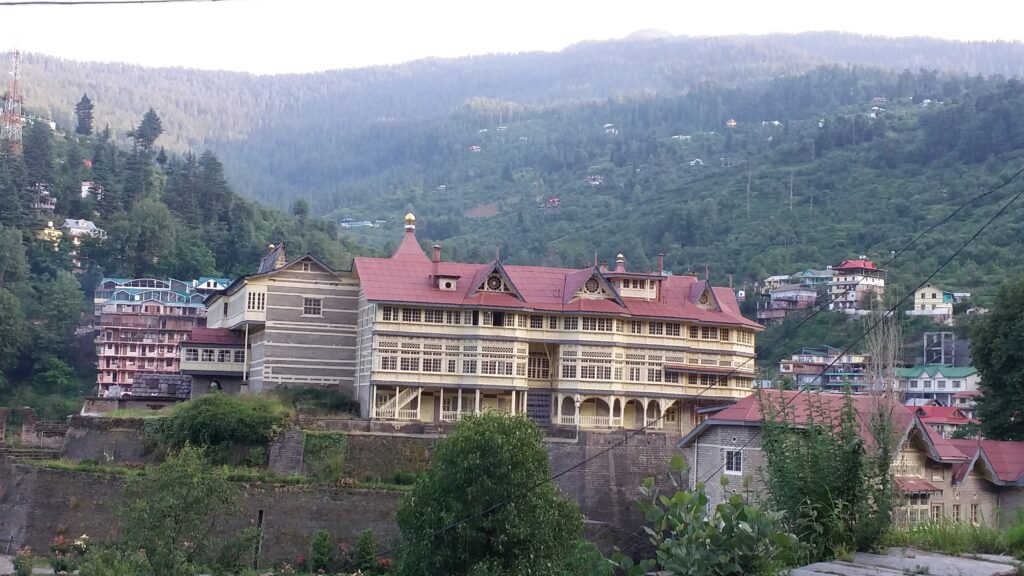
One of Jubbal’s most remarkable landmarks is the magnificent Jubbal Palace. Built in the early 20th century and designed by a French architect, the palace beautifully combines European architectural elements with traditional Himalayan styles.
The palace’s striking façade, wooden interiors, and scenic surroundings make it a major attraction for visitors. Surrounded by dense forests and overlooking the valley, the structure stands as a reminder of the town’s royal past. Although parts of the palace remain privately owned, its exterior and setting continue to attract architecture enthusiasts and photographers alike.
Hatkeshwari Temple – A Sacred Heritage Site
Among the most revered religious sites in Jubbal is the ancient Hatkeshwari Temple. Constructed in traditional Himachali pagoda style, the temple is dedicated to Goddess Hatkeshwari, who is regarded as the presiding deity of the region.
According to local legends, the original temple was built by the Pandavas during their exile, sometime between the 8th and 10th centuries. The two-story wooden structure showcases exquisite craftsmanship, intricate carvings, and traditional hill architecture. In the 19th century, the rulers of Jubbal undertook extensive renovations to preserve the temple’s grandeur.
The temple remains an important center of faith and attracts devotees and tourists throughout the year.
Apple Orchards and Natural Beauty
Jubbal is often referred to as one of the apple capitals of Himachal Pradesh. Vast orchards spread across the hillsides create a spectacular sight, especially during the flowering season in spring and the harvesting months in late summer and autumn.
The town is also surrounded by thick deodar and pine forests, making it an excellent destination for nature walks, photography, and birdwatching. The nearby Pabbar River further enhances the area’s scenic appeal, offering peaceful spots for relaxation and picnics.
Festivals and Cultural Celebrations
The cultural life of Jubbal comes alive during its vibrant festivals and fairs. Traditional celebrations provide visitors with a glimpse into the customs, folklore, music, and dance forms of the region.
Among the most popular events are the Hemis Festival and the Rampur Jatar Festival, celebrated during June and July. During these festivities, locals gather in colorful traditional attire, and visitors can enjoy folk performances, religious ceremonies, and cultural processions. These events offer a wonderful opportunity to experience the rich heritage and community spirit of the Himalayan region.
Best Time to Visit Jubbal
The ideal time to visit Jubbal is between March and June, when the weather remains pleasant and the orchards are in bloom. September to November is another excellent period, as the apple harvest season transforms the landscape into a vibrant spectacle. Winters bring snowfall to the surrounding hills, creating a magical atmosphere for those who enjoy cold-weather travel.
Why Visit Jubbal?
Jubbal is more than just a scenic hill town. It is a destination where history, spirituality, culture, and nature blend seamlessly. From exploring royal palaces and ancient temples to strolling through apple orchards and experiencing local festivals, every corner of Jubbal offers a memorable experience.
Map
Jubbal is situated 90 km from Shimla and 76 km from Kufri.
FAQs
1. Where is Jubbal located?
Jubbal is located in the Shimla district of Himachal Pradesh, India, on the banks of the Pabbar River.
2. What is Jubbal famous for?
Jubbal is famous for its apple orchards, Jubbal Palace, Hatkeshwari Temple, and scenic Himalayan landscapes.
3. How far is Jubbal from Shimla?
Jubbal is approximately 95–100 kilometers from Shimla and can be reached by road in around 3 to 4 hours.
4. Who built Jubbal Palace?
Jubbal Palace was designed by a French architect and built under the patronage of the rulers of the Jubbal princely state.
5. What is the significance of Hatkeshwari Temple?
The temple is dedicated to Goddess Hatkeshwari and is believed to have ancient origins linked to the Pandavas.
6. What is the best time to visit Jubbal?
March to June and September to November are considered the best times to visit Jubbal.
7. Can tourists visit apple orchards in Jubbal?
Yes, many orchards can be visited during the flowering and harvesting seasons, subject to the orchard owners’ permission.
8. Is Jubbal suitable for family vacations?
Yes, Jubbal is a peaceful and family-friendly destination known for its natural beauty and cultural attractions.
9. Which river flows through Jubbal?
The Pabbar River flows through Jubbal and adds to the region’s scenic charm.
10. Are there trekking opportunities near Jubbal?
Yes, the surrounding forests and mountains offer several hiking and trekking opportunities for nature enthusiasts.
11. Does Jubbal receive snowfall?
Yes, Jubbal and its surrounding areas experience snowfall during the winter months, especially from December to February.
12. What festivals can visitors experience in Jubbal?
Visitors can witness local fairs and celebrations such as the Hemis Festival and Rampur Jatar Festival, which showcase the region’s vibrant culture.