Image Source: Wanderer Panjal
About Poonch Fort
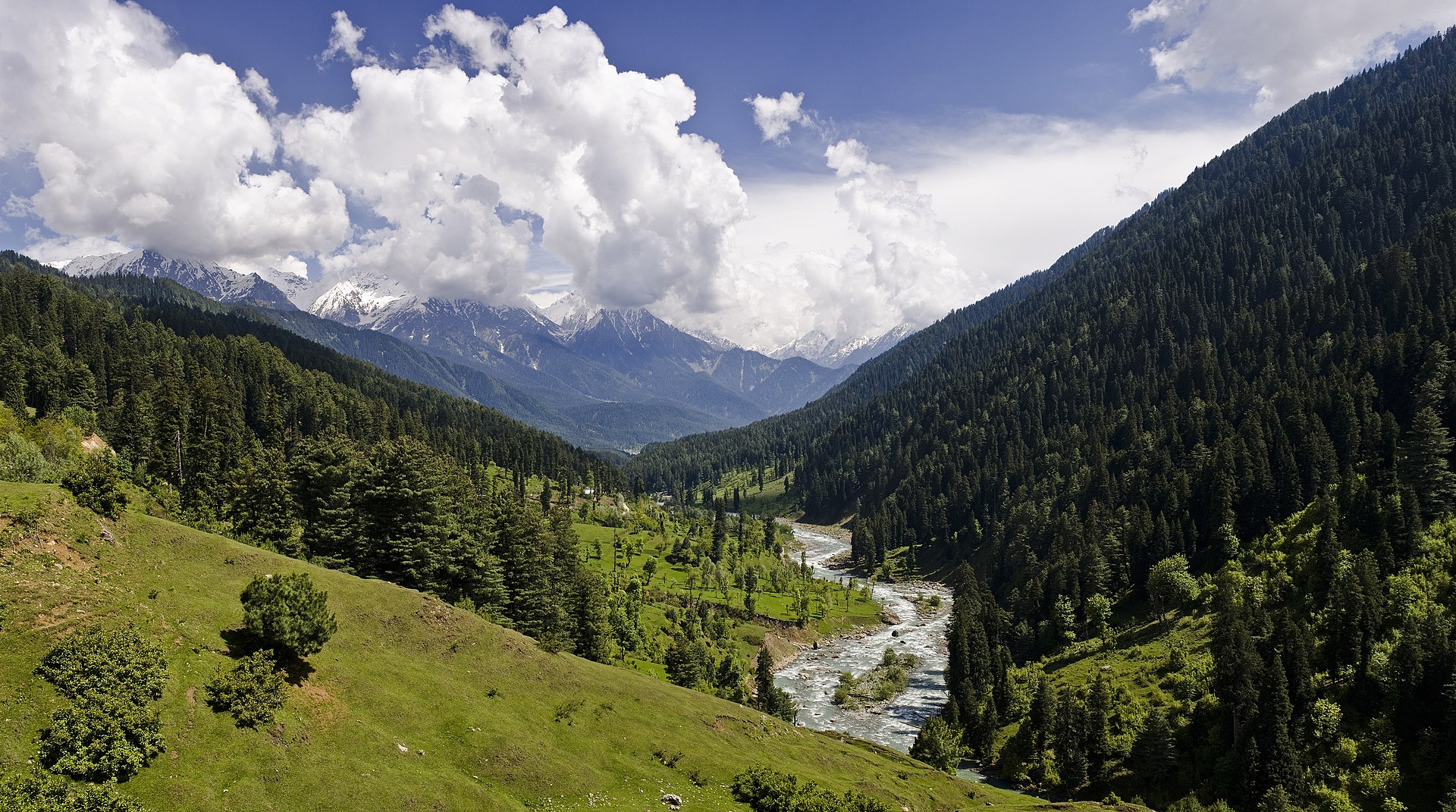
Nestled in the heart of the historic town of Poonch, Poonch Fort stands as one of the region’s most remarkable architectural and historical landmarks. Overlooking the scenic valley of the Poonch River and framed by the majestic Pir Panjal mountain range, the fort reflects centuries of political power, cultural exchange, and military importance. More than just a royal residence, the fort has witnessed the rise and fall of kingdoms, colonial transitions, and major conflicts that shaped the history of Jammu and Kashmir.
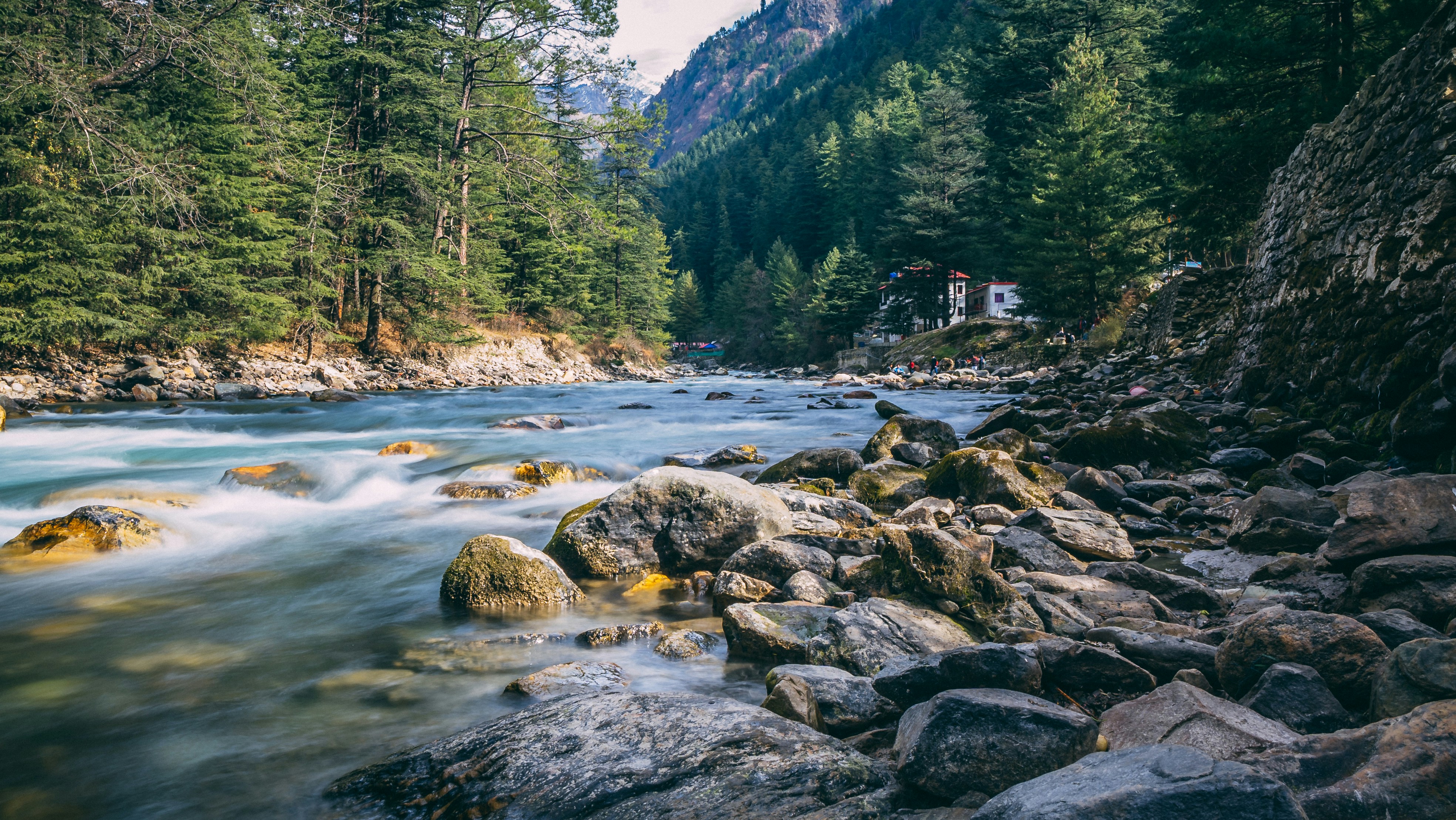
The fort’s commanding location gives it a striking presence even today. Surrounded by green hills and old settlements, it remains deeply connected to the identity and heritage of Poonch. For visitors, the fort offers not only historical insight but also panoramic views of the surrounding landscape, making it one of the most fascinating places to explore in the region.
History
The origins of Poonch Fort date back to the early 18th century during the Mughal era. It is believed that the fort was constructed around 1713 CE under the rule of Raja Rustam Khan. The structure was designed using a blend of Mughal architectural styles, which can still be seen in its graceful arches, domes, expansive courtyards, and decorative elements. The builders carefully selected the location of the fort due to its strategic advantages. Positioned on elevated ground overlooking the valley and river, the fort served both defensive and administrative purposes.
As different rulers came to power, the fort underwent several modifications and expansions. During the Dogra period, especially under the Dogra Maharajas, the structure evolved into a more refined royal complex. Additional architectural influences from Rajasthani and Kashmiri traditions were incorporated into the fort, giving it a unique aesthetic character. The Dogra rulers also used the fort as a summer residence and an important administrative centre, further increasing its prominence in the region.
Architectural Features and Design
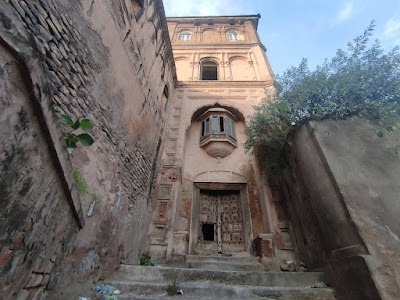
One of the most fascinating aspects of Poonch Fort is its architectural diversity. The fort showcases a beautiful combination of Mughal elegance, Rajput-style detailing, and regional Kashmiri influences. Large courtyards, thick defensive walls, arched gateways, and spacious halls reveal the fort’s dual role as both a palace and a military stronghold.
The inner sections of the fort once housed royal chambers, meeting halls, and administrative offices. Decorative carvings and traditional designs, though weathered over time, still hint at the artistic sophistication of the period. The elevated structure also allowed guards and soldiers to monitor surrounding routes and valleys, making it an effective defensive site.
Despite facing damage and neglect over the years, parts of the fort still retain their historical grandeur. The structure continues to attract history enthusiasts, architecture lovers, and travellers interested in the heritage of Jammu and Kashmir.
Strategic Importance of the Fort
Historically, Poonch occupied a highly sensitive frontier region at the western edge of the princely state of Jammu and Kashmir. Because of its location near present-day Pakistan-administered Kashmir, the town became strategically significant for rulers across different eras. As a result, Poonch Fort was far more than a royal residence—it functioned as a symbol of authority, a military observation point, and an administrative headquarters.
During the 19th and early 20th centuries, the fort played an important role under Dogra administration. Poonch itself operated as a jagir, or feudal estate, associated with the Sikh Empire of Maharaja Ranjit Singh before eventually becoming integrated into the princely state of Jammu and Kashmir. Throughout this period, the fort served as a centre for governance, tax collection, judicial matters, and military coordination.
Its location along important routes connecting the western Himalayan regions further increased its political and military value. Whoever controlled Poonch Fort effectively controlled access to key mountain corridors and nearby settlements.
Role of Poonch Fort During the 1947–48 Conflict
The historical significance of Poonch Fort became even more pronounced during the First Indo-Pak War of 1947–48. Following the partition of India, the Poonch region emerged as one of the most fiercely contested areas in Jammu and Kashmir. Due to its strategic position overlooking the town and surrounding terrain, the fort became a vital defensive stronghold during the famous Siege of Poonch.
During the siege, local defenders and Indian forces used the fort and nearby elevated positions to resist attacks from tribal militias and Pakistani-backed forces. For several months, Poonch remained isolated under intense pressure. Despite difficult conditions, the defenders managed to hold their ground until reinforcements eventually arrived through air support and challenging overland operations.
The successful defence of Poonch became one of the defining episodes of the conflict, and the fort played an important role in maintaining resistance and coordinating defence efforts. Even in later decades, during periods of cross-border tension, the area around the fort continued to hold military significance because of its commanding geographic position.
Present-Day Importance of Poonch Fort
Today, Poonch Fort stands as a reminder of the region’s layered history and cultural richness. Although parts of the structure have suffered from age, conflict, and limited restoration efforts, the fort still carries immense historical value. Visitors exploring the fort can witness traces of Mughal craftsmanship, Dogra influence, and military architecture all within a single complex.
The fort also serves as an important cultural landmark for the people of Poonch. It reflects the town’s historical role as a crossroads of empires, trade routes, and cultures. For travellers interested in heritage tourism, military history, or Himalayan architecture, Poonch Fort offers a compelling glimpse into the past of Jammu and Kashmir.
Best Time to Visit Poonch Fort
The ideal time to visit Poonch Fort is between March and October when the weather remains pleasant and suitable for sightseeing. During these months, the surrounding valleys appear lush and green, offering beautiful views of the Pir Panjal range. Winters can be cold, but they also provide a dramatic atmosphere with mist-covered mountains and chilly winds sweeping across the fort walls.
How to Reach Poonch Fort
Poonch town is well connected by road with Jammu and nearby districts of Jammu and Kashmir. Visitors can travel by bus or private vehicle from Jammu to reach Poonch. The nearest major airport and railway station are located in Jammu. From the town centre, the fort can be accessed easily by local transport or on foot depending on the visitor’s location.
Nearby Attractions to Poonch Fort
Poonch Fort is one of the most important historical landmarks in the Poonch district of Jammu and Kashmir. Originally constructed by Raja Abdul Razak Khan in the 18th century and later expanded by the Dogra rulers, the fort reflects a blend of Mughal, Rajput, and European architectural styles. Located in the heart of Poonch town, the fort serves as an excellent starting point for exploring the region’s rich history, cultural heritage, and scenic landscapes.
Poonch City
The bustling town of Poonch surrounds the fort and offers visitors an opportunity to experience the unique culture of the Pir Panjal region. Local markets, traditional cuisine, and historical neighborhoods provide a glimpse into the area’s diverse heritage.
Shri Buddha Amarnath Temple
Located at Rajpura Mandi, about 25 kilometers from Poonch, Shri Buddha Amarnath Temple is one of the most revered pilgrimage sites in Jammu and Kashmir. Dedicated to Lord Shiva, the temple attracts thousands of devotees, especially during the annual yatra held in the monsoon season.
Noori Chamb Waterfall
Situated near Poonch, Noori Chamb is a beautiful waterfall associated with local legends and Mughal history. According to popular belief, Empress Noor Jahan once visited this picturesque spot. The cascading waters and surrounding greenery make it a popular picnic destination.
Poonch River
Flowing through the district, the Poonch River adds to the natural beauty of the region. Several viewpoints along its banks offer peaceful surroundings and excellent opportunities for photography.
Loran Valley
Located in the foothills of the Pir Panjal Range, Loran Valley is known for its lush meadows, dense forests, and trekking opportunities. The valley is a favorite destination for nature lovers and adventure enthusiasts.
Mughal Road
The historic Mughal Road, which connects Poonch with Kashmir Valley, passes through some of the most spectacular landscapes in Jammu and Kashmir. Travelers can enjoy panoramic mountain views, alpine meadows, and historic Mughal-era sites along the route.
Pir Ki Gali
One of the highest points on the Mughal Road, Pir Ki Gali offers breathtaking views of the Pir Panjal Mountains. The area remains covered with snow for much of the year and is among the most scenic locations near Poonch.
Bufliaz
Bufliaz is an important town along the Mughal Road and serves as a gateway to several valleys and trekking routes. The surrounding landscapes are particularly attractive during spring and summer.
Seven Lakes Trek
Adventure seekers visiting Poonch often undertake the famous Seven Lakes Trek, which passes through alpine meadows, glacial lakes, and remote mountain landscapes in the Pir Panjal range.
Nandan Sar Lake
One of the most beautiful alpine lakes in the region, Nandan Sar is known for its crystal-clear waters and pristine surroundings. It is usually visited as part of a trekking expedition from the Poonch side.
Surankote
Located between Poonch and the Mughal Road, Surankote is a scenic town surrounded by hills and forests. It serves as an important base for travelers exploring the region.
Balnoi Border Area
Situated near the Line of Control, Balnoi is known for its scenic mountain landscapes and historical significance. Visitors interested in border-region history often include it in their itinerary, subject to local regulations and security conditions.
Krishan Chander Park
Named after the renowned writer Krishan Chander, this park in Poonch town offers a pleasant place for relaxation and family outings.
Haveli Poonch
The historic Haveli area showcases the cultural heritage of Poonch and provides insight into the region’s traditional architecture and way of life.
Gurudwara Nangali Sahib
Located near Poonch town, Gurudwara Nangali Sahib is an important Sikh pilgrimage center. Thousands of devotees visit the shrine throughout the year, particularly during major religious festivals.
Google Maps
FAQs
Why is Poonch Fort historically important?
Poonch Fort is historically important because it served as a royal residence, military stronghold, and administrative centre for various rulers, including Mughal and Dogra authorities. It also played a key role during the 1947–48 Siege of Poonch.
Who built Poonch Fort?
The fort is believed to have been built around 1713 CE during the rule of Raja Rustam Khan in the Mughal period.
What architectural styles can be seen in Poonch Fort?
The fort displays a blend of Mughal, Rajput, and Kashmiri architectural styles, including arches, domes, courtyards, and decorative carvings.
What role did the fort play during the Indo-Pak conflict?
During the First Indo-Pak War of 1947–48, the fort became an important defensive position during the Siege of Poonch and helped Indian forces and local defenders resist attacks.
Is Poonch Fort open to tourists?
Yes, Poonch Fort can be visited by tourists, although accessibility and restoration conditions may vary depending on local administration and security conditions.
What is the best time to visit Poonch Fort?
The best time to visit is from spring to autumn, especially between March and October, when the weather is comfortable and the surrounding landscape is at its most scenic.