Image Source: Prav Milestone
About Tipu Sultan’s Fort, Bangalore
Located in the heart of old Bangalore, Tipu Sultan’s Fort is one of the city’s most important historical landmarks. Situated opposite the bustling KR Market area and just about 3 km from Bangalore City Railway Station, the fort offers visitors a fascinating glimpse into the rich history of the Mysore kingdom. Though often overshadowed by Bangalore’s modern skyline, this centuries-old structure remains a treasured reminder of the city’s royal past.
History of Tipu Sultan’s Fort
The origins of the fort date back to 1537 AD when Bangalore’s founder, Kempe Gowda I, built it using mud and brick as a defensive structure. Over the centuries, the fort underwent several expansions and modifications under different rulers, including Chikkadevaraya Wodeyar. However, it was during the reign of Hyder Ali and later his son, Tipu Sultan, that the fort acquired its present architectural character.
Tipu Sultan, often referred to as the “Tiger of Mysore,” transformed parts of the fort into a royal residence and administrative center. Although much of the original fort no longer survives, the remaining structure stands as an enduring symbol of the Mysore kingdom’s power and artistic excellence.
Architecture and Structural Highlights
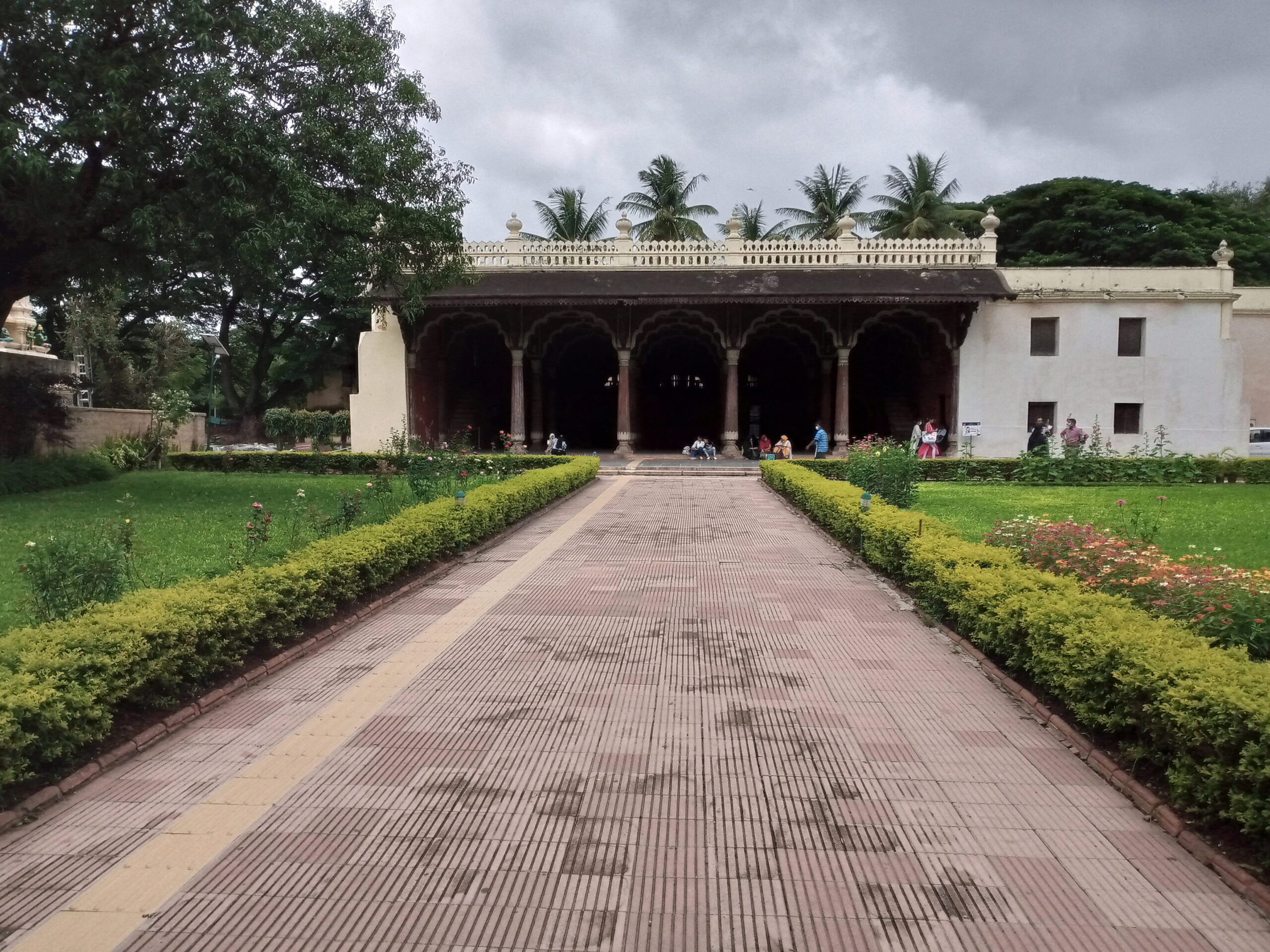
Tipu Sultan’s Fort is a fine example of Indo-Islamic architecture blended with local craftsmanship. The two-storeyed structure is primarily made of teak wood and features beautifully carved pillars, ornate arches, and elegant balconies. The intricate wooden work reflects the exceptional skills of artisans from the 18th century.
One of the most striking features of the fort is its finely carved teakwood arches and pillars, which have withstood the test of time. The elegant balconies overlooking the courtyard provide visitors with a sense of the grandeur once associated with Tipu Sultan’s royal court.
Museum and Historical Artefacts
Inside the fort complex is a small museum that showcases artefacts and exhibits related to Hyder Ali and Tipu Sultan. Visitors can explore paintings, historical documents, weapons, and information panels that narrate the story of the Mysore rulers and their resistance against British colonial forces. The museum offers valuable insights into an important chapter of South Indian history.
Ganesha Temple Within the Fort
Adding a spiritual dimension to the historic site is a small temple dedicated to Lord Ganesha located within the fort premises. The presence of the temple highlights the cultural diversity and coexistence that characterized the region during different periods of rule.
Visitor Information and Timings
The fort is generally open to visitors from 10:00 AM to 6:00 PM. It is advisable to check the latest timings before planning a visit, as schedules may occasionally change. Early mornings and late afternoons are considered the best times to explore the monument comfortably, especially during Bangalore’s pleasant weather.
Photography enthusiasts will find plenty of opportunities to capture the fort’s beautiful wooden architecture and historic ambience.
How to Reach Tipu Sultan’s Fort
Reaching Tipu Sultan’s Fort is convenient due to its central location in Bangalore.
By Metro:
The nearest metro station is KR Market Metro Station on the Namma Metro Green Line, located within walking distance of the fort.
By Train:
The fort lies approximately 3 km from Krantivira Sangolli Rayanna (KSR) Bengaluru City Railway Station, making it easily accessible by taxi, auto-rickshaw, or public bus.
By Air:
The nearest airport is Kempegowda International Airport, situated about 35 km away. Taxis and airport buses regularly connect the airport with central Bangalore.
By Road:
BMTC buses frequently operate to the KR Market area from different parts of the city. Auto-rickshaws and app-based cabs are also readily available.
Nearby Attractions
A visit to Tipu Sultan’s Fort can be combined with several nearby attractions:
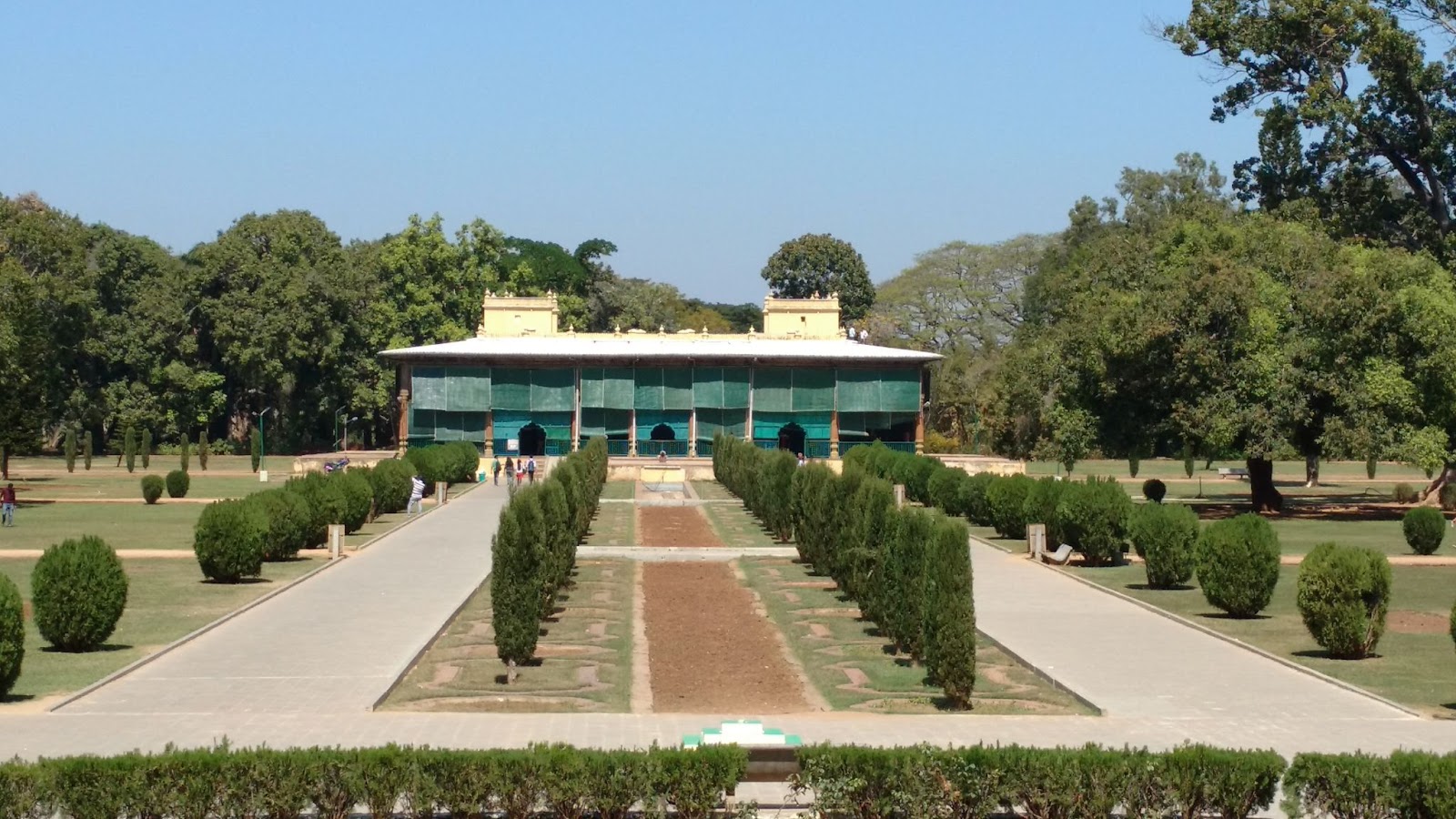
- Tipu Sultan’s Summer Palace – A beautiful teakwood palace showcasing Indo-Islamic architecture.
- KR Market (Krishna Rajendra Market) – One of Bangalore’s oldest and busiest markets, famous for its vibrant flower market.
- Bull Temple – A historic temple dedicated to Nandi, located in Basavanagudi.
- Lalbagh Botanical Garden – A sprawling garden known for its rare plant species and iconic glasshouse.
- Bangalore Fort Remnants – Explore the surviving sections of the original Bangalore Fort.
Best Time to Visit
The ideal time to visit Tipu Sultan’s Fort is between October and February, when Bangalore enjoys cool and pleasant weather. Weekday visits are recommended for a quieter experience, as weekends can be relatively crowded.
Maps
FAQs
1. Who built Tipu Sultan’s Fort?
The original fort was built by Kempe Gowda I in 1537 AD using mud and brick. Later, Hyder Ali and Tipu Sultan expanded and renovated it.
2. What is special about the fort?
The fort is famous for its elegant teakwood architecture, Indo-Islamic design, and historical association with Tipu Sultan and the Mysore kingdom.
3. Is there an entry fee?
Entry fees may vary for Indian and foreign visitors. It is advisable to check the latest ticket prices before visiting.
4. How much time is needed to explore the fort?
Most visitors spend around 30 minutes to 1 hour exploring the fort and museum.
5. Is photography allowed inside the fort?
Photography is generally permitted, though restrictions may apply in certain museum sections.
6. Which is the nearest metro station?
KR Market Metro Station is the closest metro station to the fort.
7. Can Tipu Sultan’s Fort and Summer Palace be visited together?
Yes, both attractions are located close to each other and can easily be covered in a single trip.