Image Source: Dadakhalandar A J
About Coffee Museum
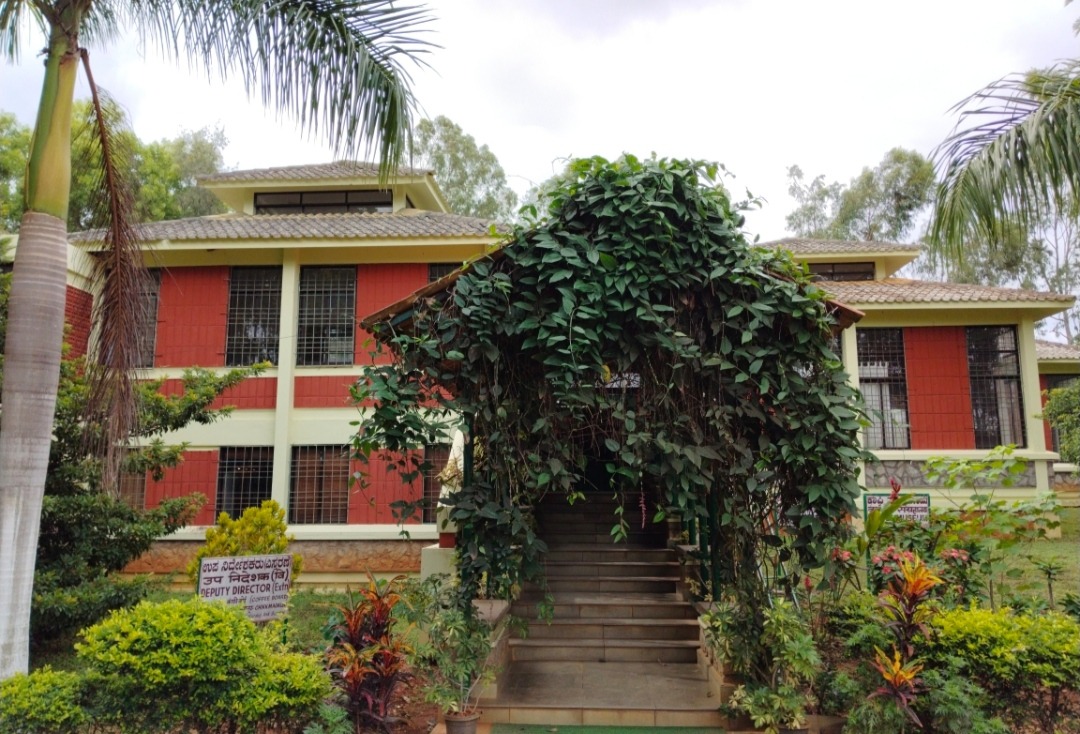
If you are curious about how your morning cup of coffee reaches your table, the Coffee Museum in Chikmagalur is one of the best places to visit. Popularly known as Coffee Yatra, the museum is located about 6 km from the Chikmagalur Bus Stand and offers an engaging introduction to India’s rich coffee heritage.
Managed by the Coffee Board of India, the museum showcases the fascinating story of coffee cultivation in the country. Visitors can learn about the origins of coffee in India, the growth of coffee plantations in the Western Ghats, and the various stages involved in coffee production—from planting and harvesting to roasting, grinding, and brewing.
The museum uses photographs, exhibits, models, and informative displays to explain the journey of coffee beans. Glass-enclosed galleries present historical information and cultivation techniques, while audiovisual presentations make the experience more interactive and easy to understand. A dedicated section displays coffee-processing equipment and explains the science behind coffee grinding and preparation.
One of the highlights of the museum is the display of live coffee plants, allowing visitors to observe different coffee varieties up close. Whether you are a coffee enthusiast, a student, or simply a traveler exploring Chikmagalur, the museum provides a unique insight into the region’s most famous industry.
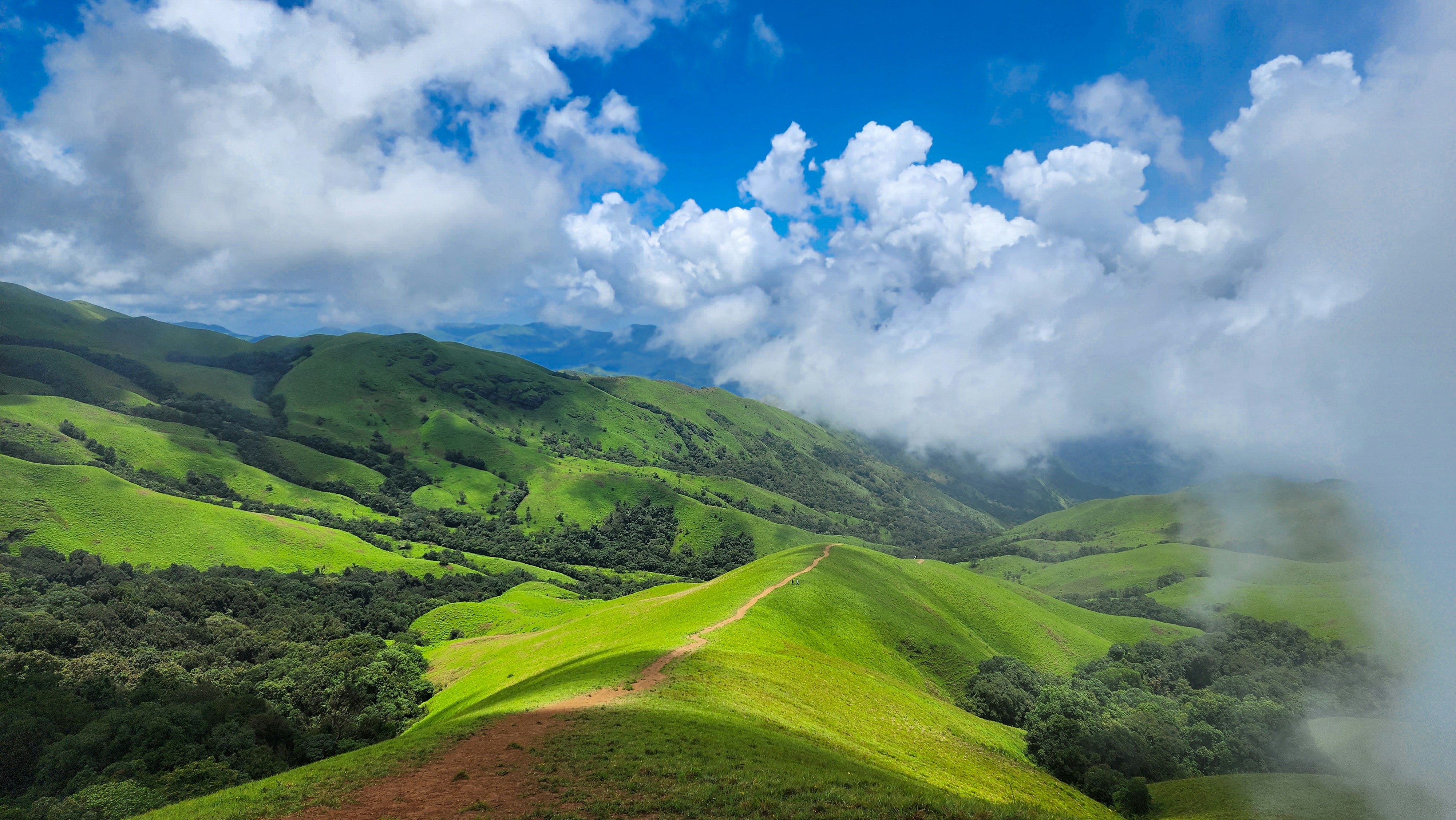
Surrounded by the scenic coffee-growing landscapes of Chikmagalur, the museum also serves as an excellent starting point for understanding why this hill town is often referred to as the “Coffee Capital of Karnataka.”
Practical Information
Timings: 10:00 AM to 7:00 PM (Closed on Saturdays and Sundays)
Entry Fee: ₹20 per person
Best Time to Visit: October to March, when the weather is pleasant and ideal for sightseeing around Chikmagalur. The post-monsoon months also offer lush greenery across the coffee estates.
How to Reach
The Coffee Museum is situated along the Chikmagalur-Hassan Road, approximately 6 km from the city center.
By Air: The nearest airport is Mangalore International Airport, located about 150 km away. From the airport, visitors can hire a taxi or take a bus to Chikmagalur.
By Train: The nearest major railway stations are Kadur (around 40 km) and Birur (about 45 km). Taxis and local buses are readily available from both stations to Chikmagalur.
By Road: Chikmagalur is well connected by road to Bengaluru, Mangalore, Mysuru, Hassan, and Shivamogga. Regular KSRTC and private buses operate to the town. From Chikmagalur Bus Stand, visitors can easily reach the museum by auto-rickshaw, taxi, or private vehicle within 15–20 minutes.
Nearby Attractions
Mullayanagiri Peak
The highest peak in Karnataka, Mullayanagiri offers breathtaking panoramic views, cool mountain air, and excellent trekking opportunities.
Baba Budangiri
A revered pilgrimage and trekking destination known for its caves, scenic hills, and historical significance in the story of coffee cultivation in India.
Jhari Waterfalls
Also called Buttermilk Falls, this picturesque waterfall is surrounded by dense forests and coffee plantations, making it a popular nature getaway.
Hirekolale Lake
A peaceful reservoir offering beautiful sunrise and sunset views with the backdrop of the Western Ghats.
Mahatma Gandhi Park
Located in the heart of Chikmagalur town, this well-maintained park is ideal for families and evening walks.
Coffee Plantations of Chikmagalur
Several estates around the town offer plantation tours where visitors can experience coffee cultivation firsthand and sample freshly brewed coffee.
Maps
FAQs
1. Why is the Coffee Museum famous?
The museum is famous for showcasing the history, cultivation, processing, and brewing of coffee in India, particularly in the Chikmagalur region.
2. How much time is required to explore the museum?
Most visitors spend around 1 to 2 hours exploring the exhibits and learning about the coffee-making process.
3. Is photography allowed inside the museum?
Photography policies may change from time to time. It is advisable to check with the museum staff upon arrival.
4. Is the museum suitable for children?
Yes. The displays, models, and interactive exhibits make it an educational and enjoyable experience for children and students.
5. Can visitors buy coffee at the museum?
Coffee products and souvenirs may be available depending on current arrangements. Visitors can also find several coffee outlets and local stores nearby.
6. What is the best season to visit the Coffee Museum?
The months from October to March offer pleasant weather and are considered the best time to visit both the museum and the surrounding attractions.
7. Is the Coffee Museum worth visiting for non-coffee drinkers?
Absolutely. The museum provides insights into agriculture, history, science, and local culture, making it interesting even for those who do not regularly drink coffee.